
Israeli Election Campaign And Outcomes
22 outlets
Each outlet's article on this story, most articles first
- Al Jazeera13profile
- The Independent11profile
- CBS News7profile
- The Hindu6profile
- BBC6profile
- The Straits Times5profile
- Daily Mail5profile
- New York Post5profile
- ABC News (AU)4profile
- Fox News4profile
- South China Morning Post4profile
- Times of India3profile
- Dawn3profile
- NPR2profile
- Toronto Star2profile
- Euronews2profile
- Sydney Morning Herald2profile
- NBC News2profile
- The Guardian2profile
- Global News1profile
- CBC1profile
- National Post1profile
55 reporters
- Gergana KrastevaThe Independent
- Sambavi ParthasarathyThe Hindu
- Matthew DoranABC News (AU)
- Laura TingleABC News (AU)
- The Straits TimesThe Straits Times
- Al Jazeera StaffAl Jazeera
- James C. ReynoldsThe Independent
- Benjamin WeinthalFox News
- Matt GutmanCBS News
- Daniel EstrinNPR
- Lucy WilliamsonBBC
- The Associated PressToronto Star
- Stephen QuillenAl Jazeera
- Eliana SilverDaily Mail
- Simon OrmistonEuronews
- Ronny ReyesNew York Post
- Maayan LubellThe Independent
- Emmeline SaundersThe Independent
- Josef FedermanToronto Star
- Uday RanaGlobal News
- Dov LieberCBS News
- James LandaleBBC
- Amelie BotbolFox News
- Reuven FentonNew York Post
- Natalie Lisbona Middle East CorrespondentDaily Mail
- Abhishek MishraTimes of India
- Stanly JohnyThe Hindu
- AFPDawn
- Tom BennettBBC
- Suha KidwaiThe Independent
- Mohamad KadanAl Jazeera
- The Times Of IndiaTimes of India
- Associated PressSouth China Morning Post
- Gethin HicksDaily Mail
- Imogen GarfinkelDaily Mail
- Natalie LisbonaDaily Mail
- Maryam Zakir-HussainThe Independent
- Nathan RennoldsEuronews
- ReutersSouth China Morning Post
- Efrat LachterFox News
- BBC NewsBBC
- David GrittenBBC
- NBC NewsNBC News
- AFP; APAl Jazeera
- Basel HindelehABC News (AU)
- Alisha Rahaman SarkarThe Independent
- Jonathan YerushalmyThe Guardian
- Agence France-PresseSouth China Morning Post
- Owen ScottThe Independent
- Mohammed HaddadAl Jazeera
- John PowerAl Jazeera
- Julian Borger in JerusalemThe Guardian
- Bloomberg NewsNational Post
- Karan ManralTimes of India
- of Understanding PalestineAl Jazeera
By day
Articles per day
Cite
Israeli Election Campaign And Outcomes. (2026, October 28). The Aporia. https://the-aporia.com/event/102206
“Israeli Election Campaign And Outcomes.” The Aporia, 28 Oct. 2026, https://the-aporia.com/event/102206.
“Israeli Election Campaign And Outcomes.” The Aporia, October 28, 2026. https://the-aporia.com/event/102206.
Dated the day this page was built. The link always leads to this event, even after the stories are regrouped.
In Israel’s fragmented parliamentary politics, no single party has ever won an outright parliamentary majority, so political leaders must forge coalitions.
Summary AI · cited
Gadi Eisenkot is running an anti-Netanyahu campaign ahead of the Israeli elections.1
According to opinion polls, Eisenkot's centrist party Yashar is projected to win 20 seats in parliament, putting it ahead of Netanyahu’s Likud.12
Benjamin Netanyahu faces a crucial test for his political future as voters weigh his leadership following the Hamas-led October 7, 2023 attacks and subsequent wars.23
The election is seen as a referendum on Netanyahu’s leadership and response to recent events, with opinion polls suggesting a tight race between his party and Eisenkot's bloc.45
Neither Netanyahu nor Eisenkot has secured enough votes for an outright majority in parliament, leading to a potential coalition scenario.6
Written by AI from articles by 6 outlets. Each sentence links to the articles it rests on, and was checked automatically: every name, number and quote must appear in the sentences it cites, or it is removed.
Sources cited (6)
- Gadi Eisenkot | Netanyahu’s challenger The Hindu, 24 Oct
- Can Netanyahu survive another storm? Israel votes after Oct 7, Gaza and Iran wars Times of India, 27 Oct
- Israelis vote in tense election testing Netanyahu’s grip on power South China Morning Post, 27 Oct
- Five key takeaways from Israel’s parliamentary elections Al Jazeera, 28 Oct
- Israel exit polls show no clear winner in 2026 elections. What happens next? The Independent, 28 Oct
- Israel's president urges 'open mind' as election rivals struggle for majority ABC News (AU), 28 Oct
What happened
The outlets' own sentences, most widely reported first. Hover one for who reported it.
The current exit polls released by major Israeli TV stations suggested that Netanyahu’s bloc won 50 seats, the opposition won 52-53 and Arab parties won 17-18.
If neither manages to assemble a coalition in Israel's 120-member parliament, Netanyahu could remain in office as caretaker prime minister until another election is held next year.
Israelis are voting in a pivotal election Tuesday as their country is embroiled in unresolved wars, still reeling from Hamas’ 2023 attack and deeply divided over the character of the state and the right person to lead it.
Netanyahu is also under an arrest warrant issued by the International Criminal Court (ICC) for suspected crimes against humanity and war crimes, and faces criticism from abroad for presiding over a rapid expansion of settlements in the West Bank.
Analysis
Agreed
AI · cited, from two or more outlets
- Opinion polls indicate that the election will be very close between Netanyahu's Likud party and Eisenkot’s bloc.23
- The election is viewed as a referendum on Netanyahu’s leadership following recent conflicts and attacks.45
Quoted from the coverage (4)
Polling indicated that Netanyahu’s Likud party – which leads his wider bloc – could emerge as the single largest party with an estimated 27 seats to 21 for Eisenkot’s Yashar party, according to updated projections from Channels 12 and 13 – giving Likud a clear lead over all others in the parliament.
Netanyahu, Israel's longest-serving leader with 19 years in office, is an unmatched political survivor, and his nationalist politics are increasingly entrenched.
The son of working-class Moroccan Jewish immigrants, Eisenkot would be the first prime minister of Middle Eastern or North African descent.
A candidate needs 61 parliamentary seats to form a majority coalition government.
Disputed
Picked by our model, which is sometimes wrong
- The Hindu focuses on the rise of Yashar as a frontrunner, while The Times of India notes Netanyahu's political resilience despite challenges.12
Eisenkot's bloc
neck-and-neck: Exit polls had shown that Mr. Eisenkot, a former military chief and political novice, and his Opposition bloc were neck-and-neck with Mr. Netanyahu's hard-right camp, with both winning about 51 seats, well away from the threshold for a majority in parliament.
majority coalition: The leader of the Jewish opposition bloc, the retired general Gadi Eisenkot, appeared to rule out such a broad coalition in a premature declaration of victory overnight for what he called a “Zionist majority”.
Show 1 more
Netanyahu's tactics
security frame: Netanyahu has sought to frame the election around security and opposition to Palestinian statehood, while his rivals have criticised aspects of his leadership and raised concerns about settler violence in the occupied West Bank.
AI incitement: Netanyahu posted AI-generated images of Arab voters to incite his base, a move the Joint List condemned as an attempt to create a “misleading scene”.
Framing
How the first headlines put it
- The Hindu frames the election around Eisenkot’s challenge to Netanyahu, whereas The Times of India presents it as a broader test for Netanyahu’s leadership and policies.12
- South China Morning Post emphasizes the tense atmosphere and public appetite for change, while Al Jazeera focuses on key takeaways from the election results.34
Words to watch (1)
Israel’s furious Arab parties could oust Netanyahu — if the opposition will break an election promise
How it changed
- 23 Oct
Much of the election is centred around Benjamin Netanyahu, who is seeking another term after 18 years in power - but neither he nor the opposition has a clear path to a governing majority.
- 24 Oct
With Israel set to go the polls on Tuesday (October 27, 2026), Mr. Eisenkot’s year-old centrist party, Yashar (Hebrew for Straight), is projected to win 20 of 120 seats in parliament, putting it ahead of Mr. Netanyahu’s Likud.
- 25 Oct
To win, parties must form a coalition to control a majority in Israel's parliament.
- 26 Oct
Ahead of Israel’s Oct. 27 national vote, U.S. President Donald Trump issued a sweeping endorsement of Prime Minister Benjamin Netanyahu’s reelection bid, calling him a "great warrior," an "even greater partner for peace" and an ally in the confrontation with Iran.
- 27 Oct
A record 74 per cent of Israelis turned out to vote on Tuesday, marking a high since records began in 1974
- 28 Oct
“Netanyahu is a caretaker prime minister, without a mandate or the people's trust,” Eisenkot said, calling on the security establishment to “stand firm” against any attempt to put political interests ahead of Israel's security.
Coverage 91 articles
28 Oct Israel's president urges 'open mind' as election rivals struggle for majority
ABC News (AU) 28 Oct What are the implications of Israel’s elections?
Al Jazeera 28 Oct Netanyahu leads in Israeli election, but loses seats — here’s how he could remain prime minister
New York Post 28 Oct News Analysis | What has driven the high Arab turnout in Israel’s elections?
The Hindu 28 Oct Netanyahu set to remain caretaker PM after inconclusive Israel election
South China Morning Post28 Oct Explainer-What's at stake for Trump in Israel's deadlocked election?
The Straits Times28 Oct Israel's high-turnout vote brushed aside in rest of the Middle East
The Straits Times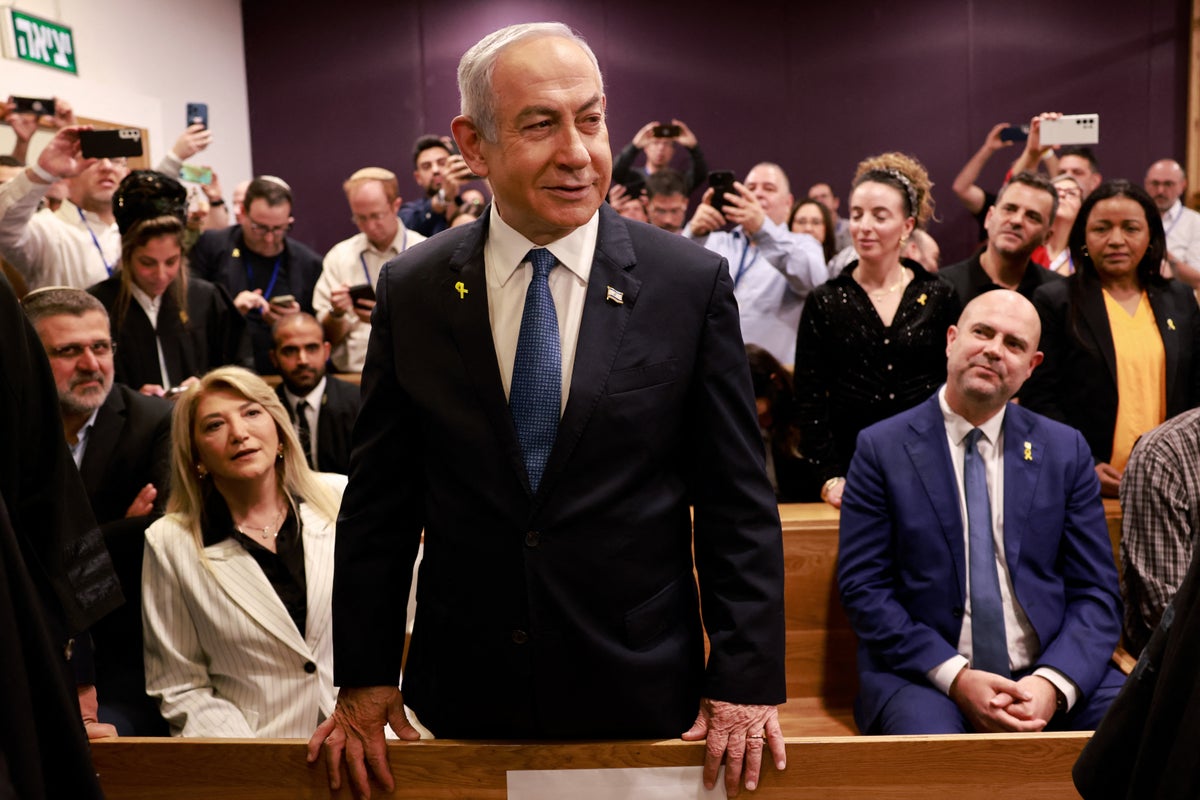 28 Oct Elections, corruption scandals and assassination attempts: Netanyahu’s remarkable history of survival
The Independent28 Oct Netanyahu pulls ahead in Israeli election as rivals weigh deal with Arab parties
The Independent 28 Oct Netanyahu barely hanging on after Israeli election — what that means for Iran war
New York Post
Show all 91 articles
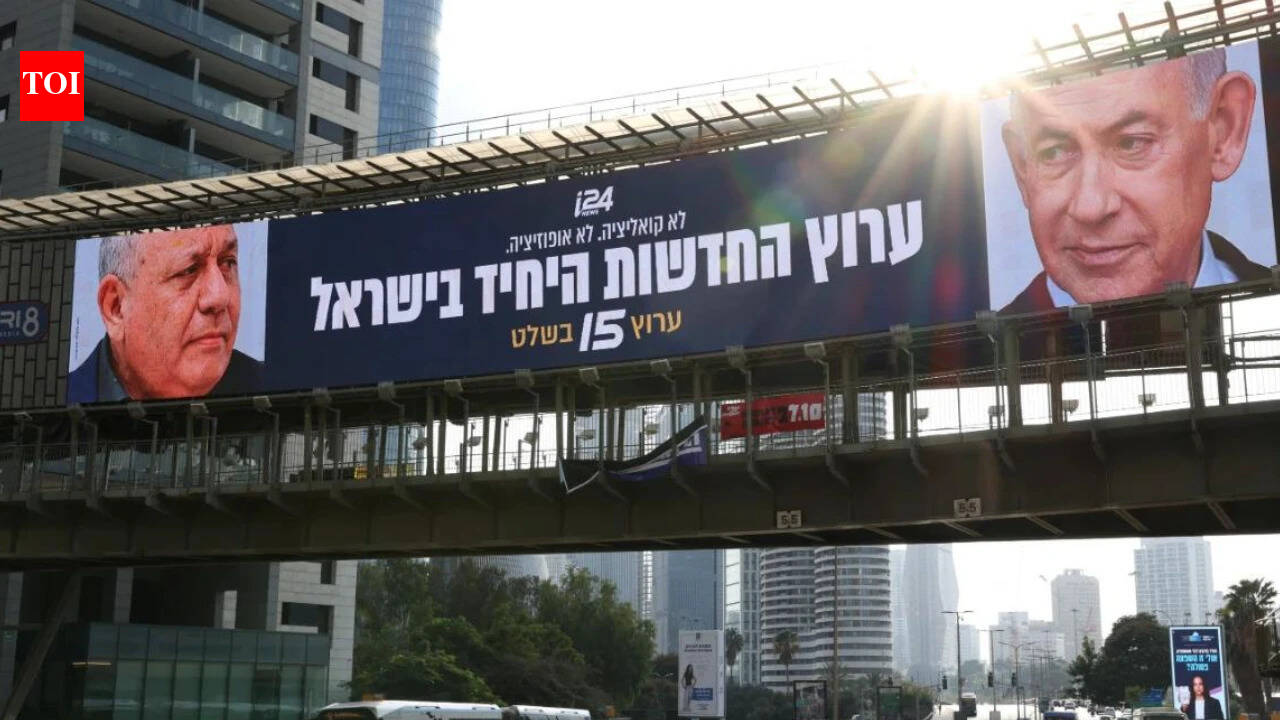 28 Oct Voting over, counting under way: What happens next in Israel’s election
Times of India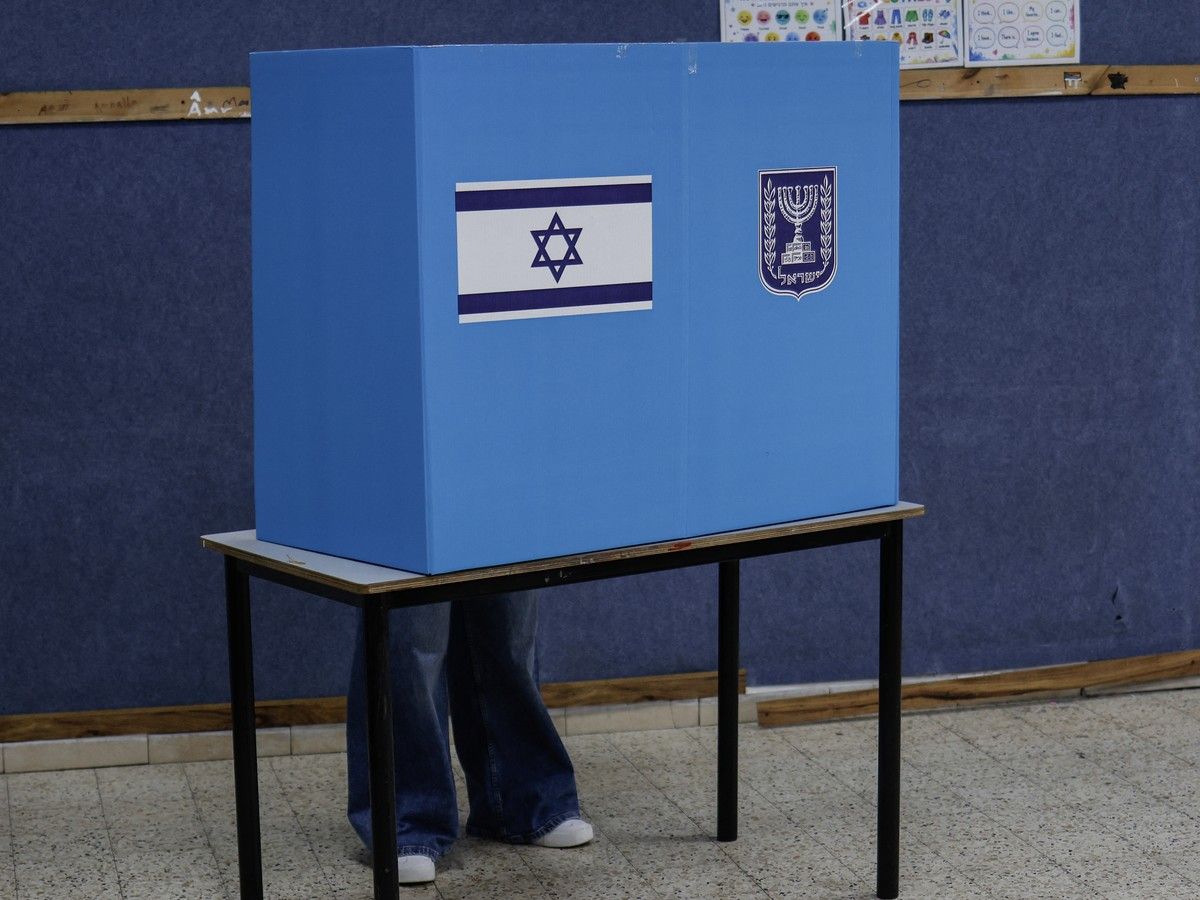 28 Oct Netanyahu bloc leading in Israel election with more than half of votes tallied, but short of a majority
National Post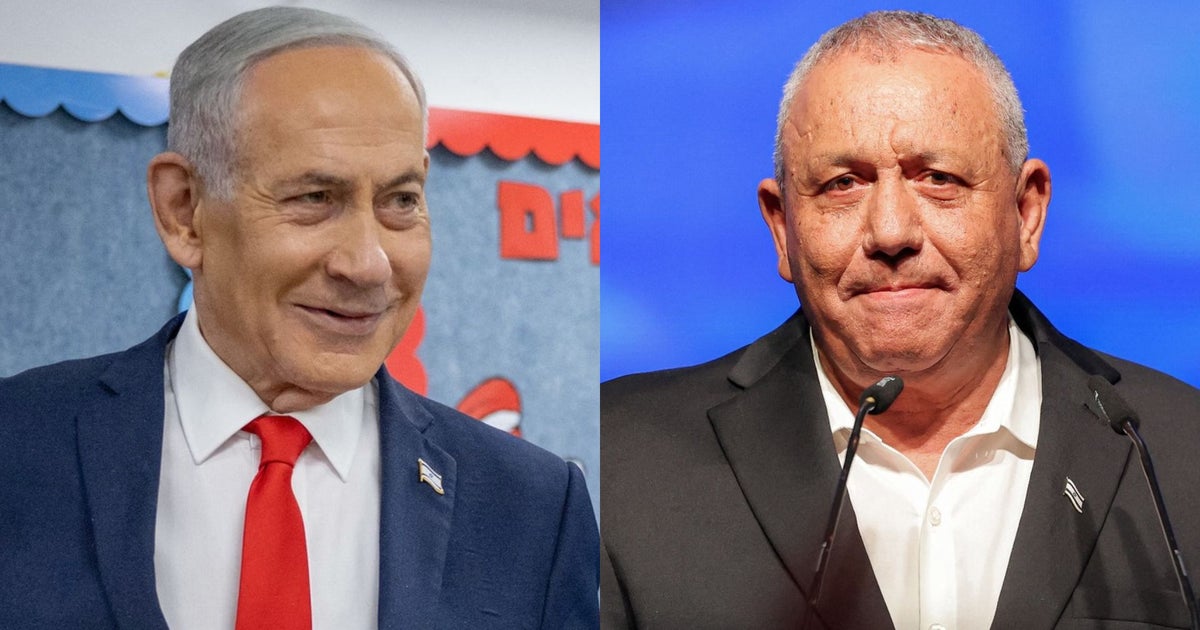 28 Oct Israel's election results are unclear. Here's what comes next.
CBS News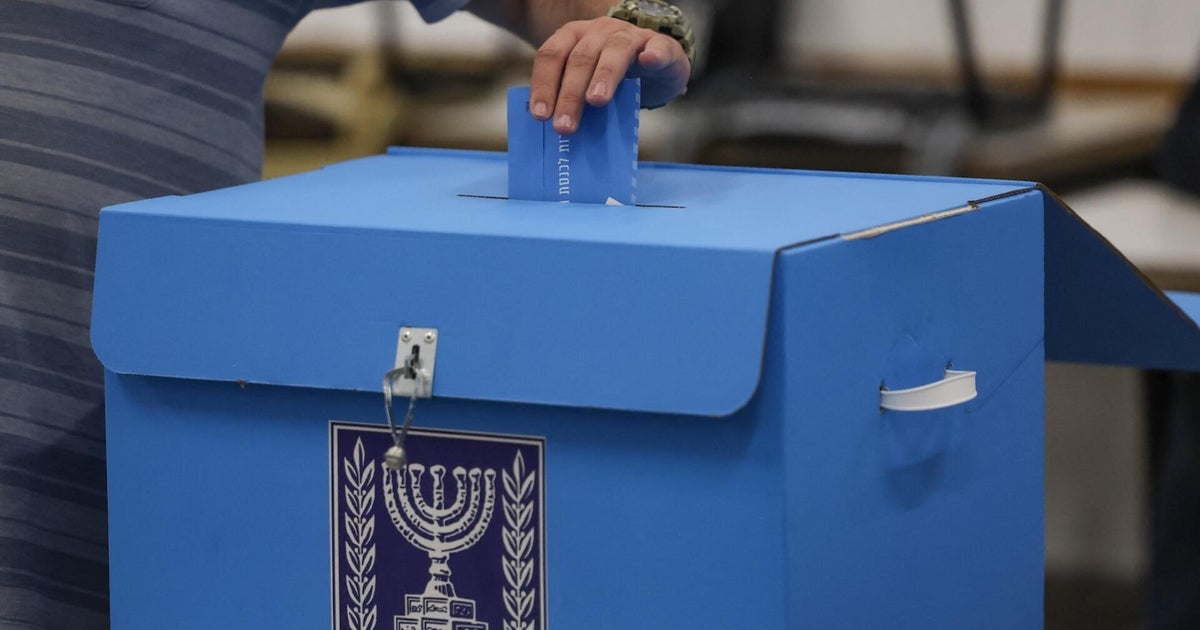 28 Oct No official winner yet in Israeli election as votes continue to be counted
CBS News 28 Oct Israeli voters: hope and despair as election ballots are counted
Al Jazeera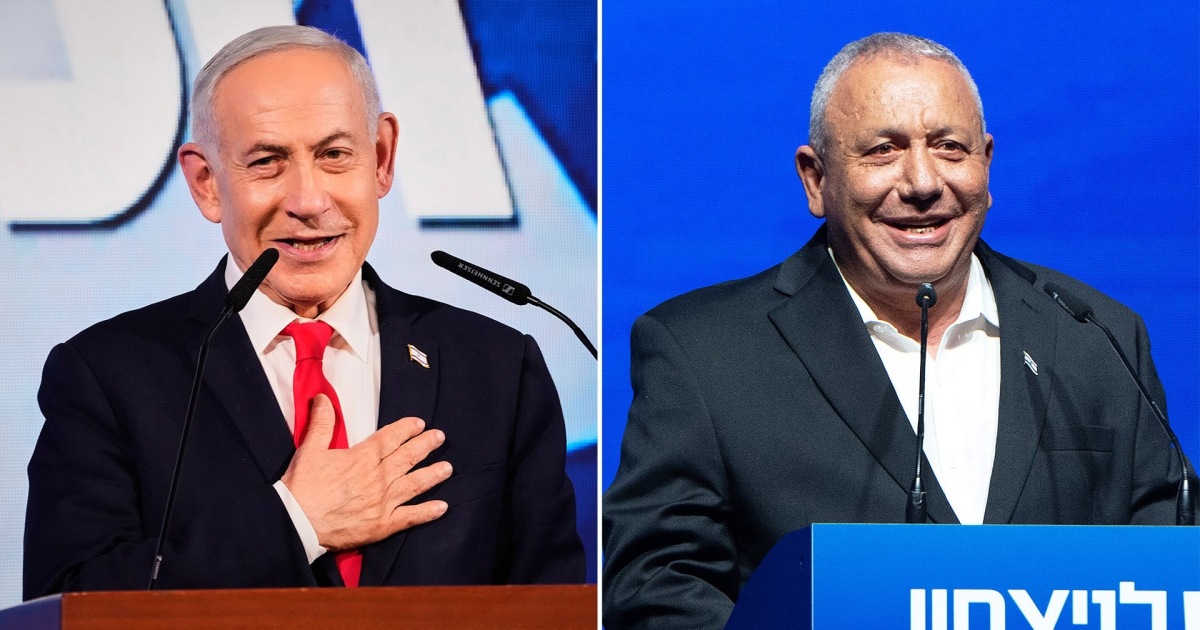 28 Oct No Clear Winner Yet in Israeli Election
NBC News 28 Oct Coalition talks loom in Israel as Netanyahu and Eisenkot blocs set to fall short of majority
The Guardian 28 Oct High voter turnout among Palestinian citizens of Israel threatens Netanyahu
Al Jazeera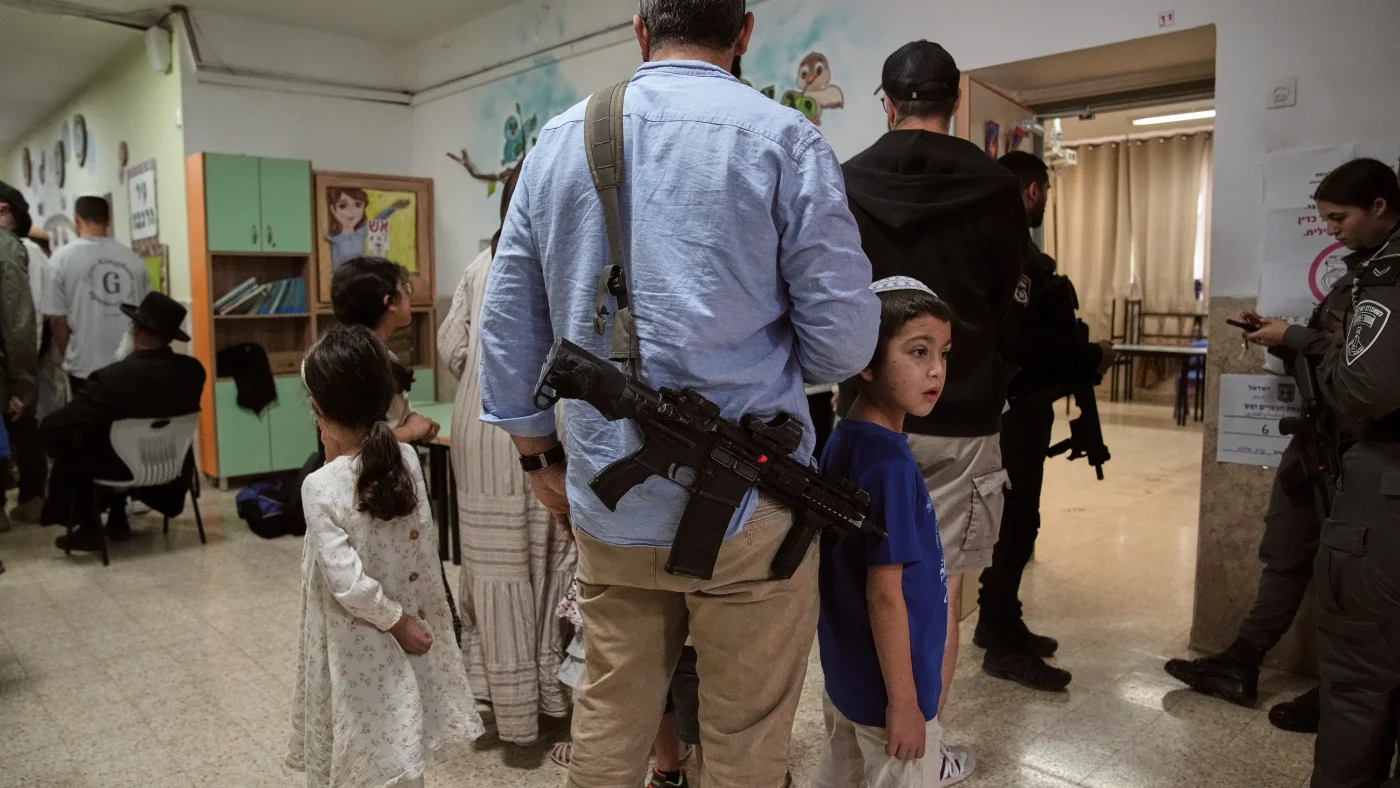 28 Oct Partial results from Israel's contentious election show no clear winner
NPR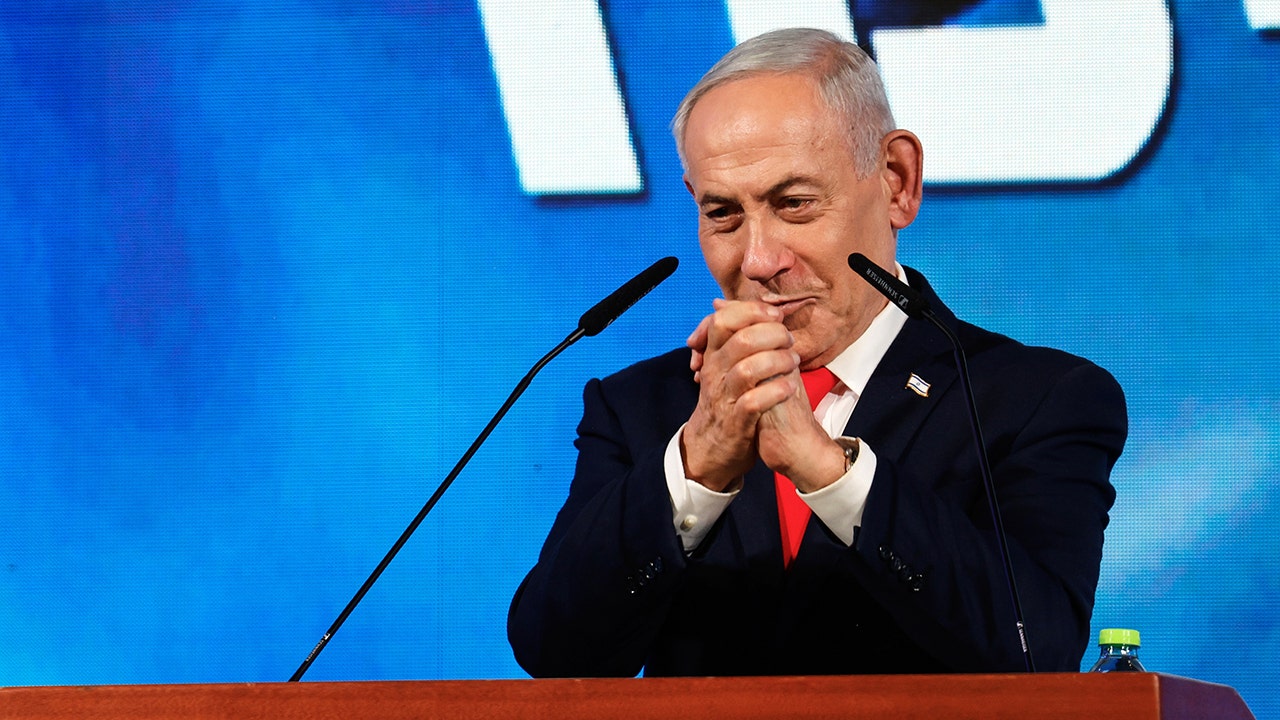 28 Oct Netanyahu defies exit polls as vote shifts in his favor, but majority remains elusive
Fox News 28 Oct Israel’s stock market drops as exit polls show no clear election winner
Al Jazeera 28 Oct Netanyahu or Eisenkot? Can you form Israel’s next coalition government?
Al Jazeera 28 Oct Trump takes credit for Netanyahu election performance after endorsing Israeli prime minister
The Independent 28 Oct Netanyahu bloc leads after half of Israeli votes counted but no majority
The Hindu 28 Oct Netanyahu and his main rival Eisenkot look set for deadlock as Israeli election exit polls suggest no clear winner
Daily Mail28 Oct Israel exit polls show no clear winner in 2026 elections. What happens next?
The Independent 28 Oct As vote count keeps Israel in suspense, what happens next?
South China Morning Post 28 Oct Netanyahu outlines achievements, future plans as Likud leads Israeli polls
Al Jazeera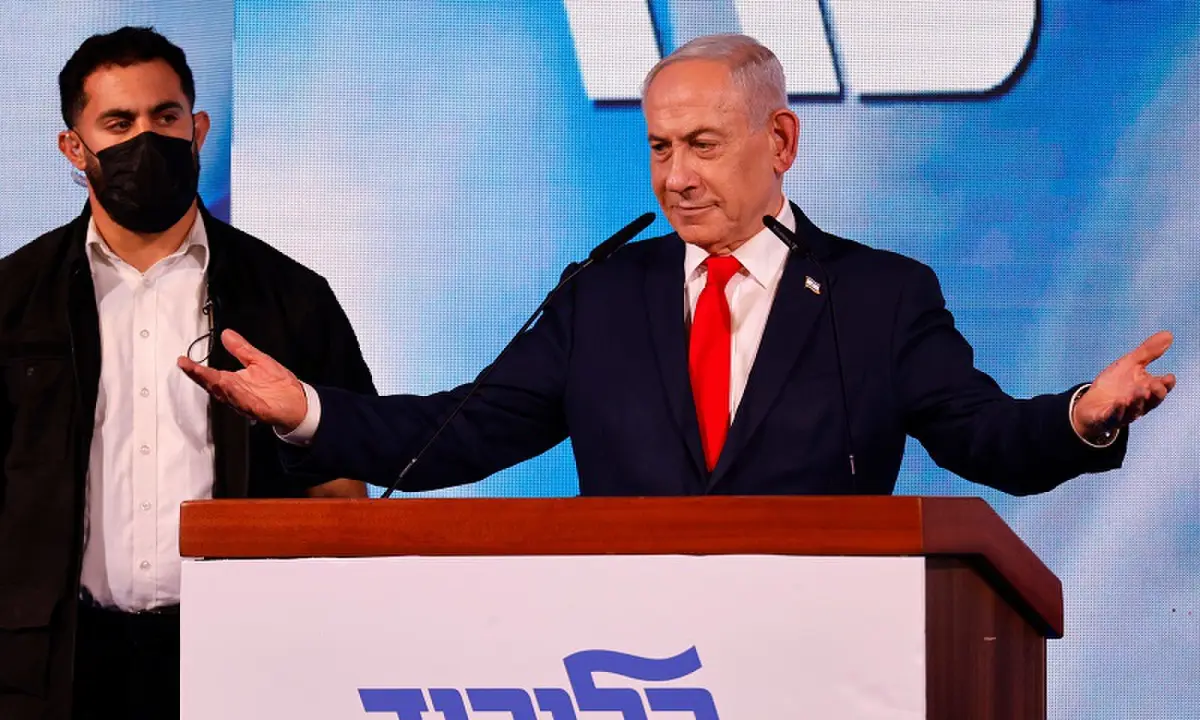 28 Oct Netanyahu, rival Eisenkot both vow to form government after inconclusive Israeli election
Dawn 28 Oct Netanyahu and rival each claim mandate after tight Israel election
The Hindu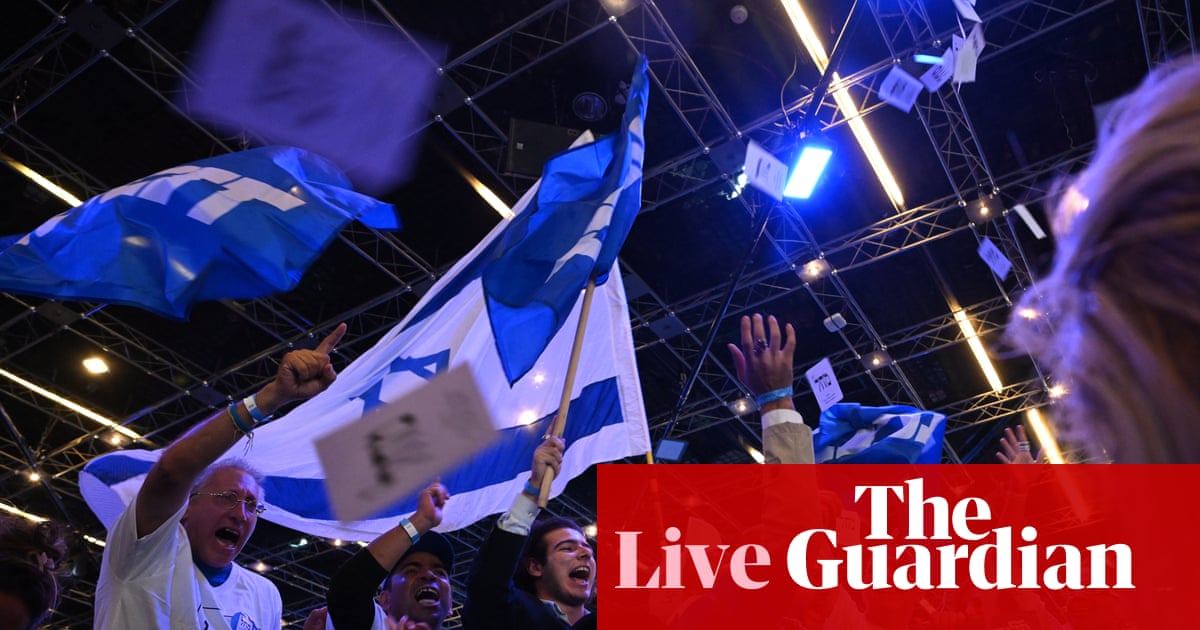 28 Oct Israel election results live: exit polls point to tie between Netanyahu and Eisenkot blocs
The Guardian- 28 Oct Netanyahu and rival each claim mandate after tight Israel election
Dawn 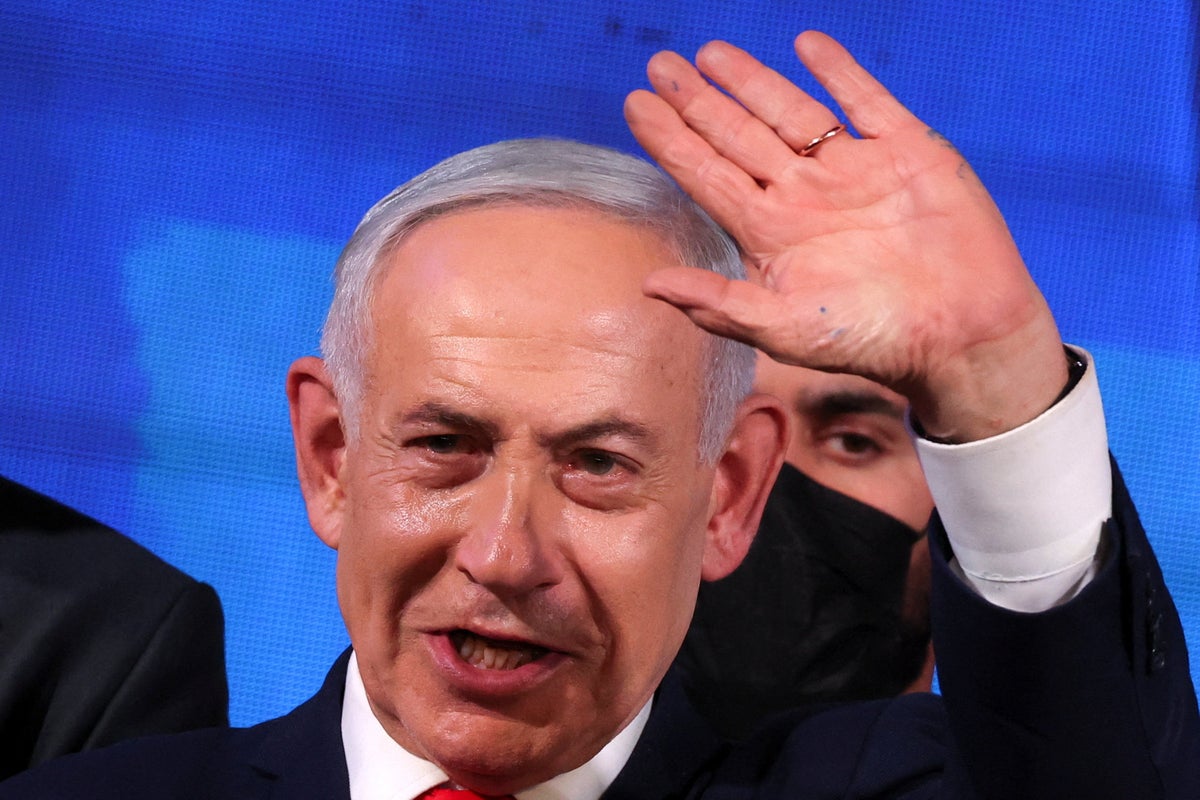 28 Oct Israel election results live: Netanyahu faces calls to quit as exit polls point to deadlock with Eisenkot bloc
The Independent28 Oct Netanyahu and opposition on equal footing in Israeli election with no clear winner
ABC News (AU)28 Oct Netanyahu, Eisenkot stake rival claims to lead Israel after deadlocked vote
The Straits Times 28 Oct Five key takeaways from Israel’s parliamentary elections
Al Jazeera28 Oct Netanyahu vows to form ‘strong’ new right-wing government
The Straits Times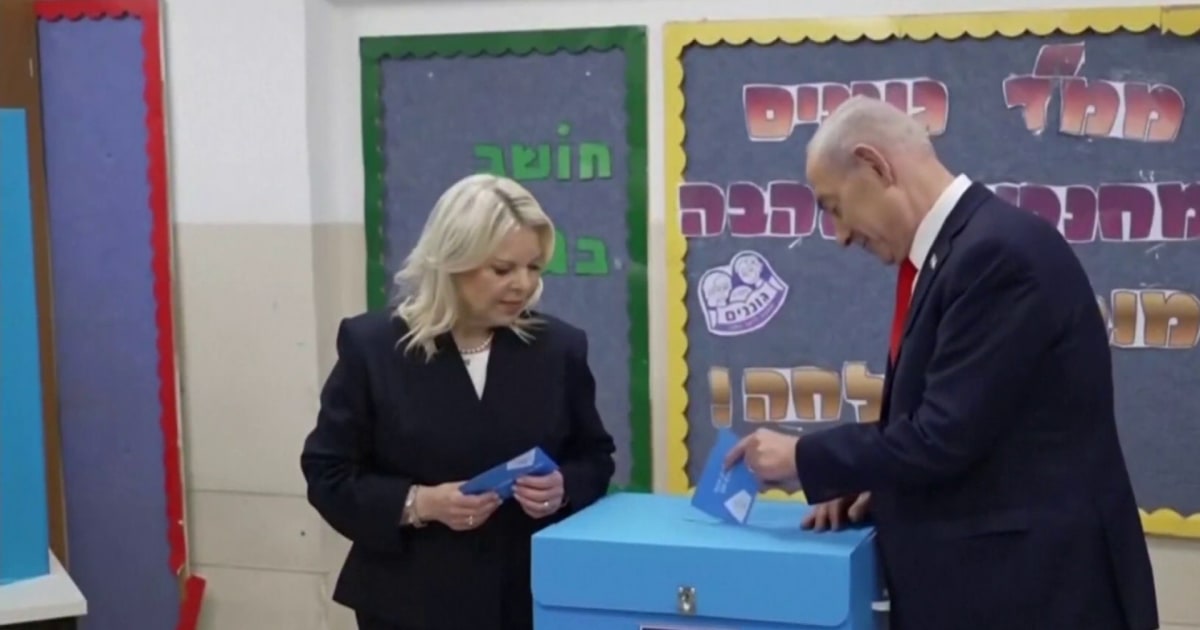 28 Oct Unclear outcome from high stakes Israeli election
NBC News 28 Oct Israeli exit polls suggest no clear winner in pivotal general election
BBC28 Oct Two ironies emerge out of Israel's deadlocked election
ABC News (AU) 28 Oct Exit polls trigger heated debate across Israeli political divide
Al Jazeera 28 Oct Arab parties could win 18 seats in Israeli elections, exit polls suggest
Al Jazeera 28 Oct The Papers: 'Budget for a difficult moment' and Netanyahu's 'fate in balance'
BBC 28 Oct Israel’s Eisenkot says country voted for change
Al Jazeera 27 Oct Netanyahu loses seats, trails challenger Gadi Eisenkot in Israel election, exit polls show — here’s what happens next
New York Post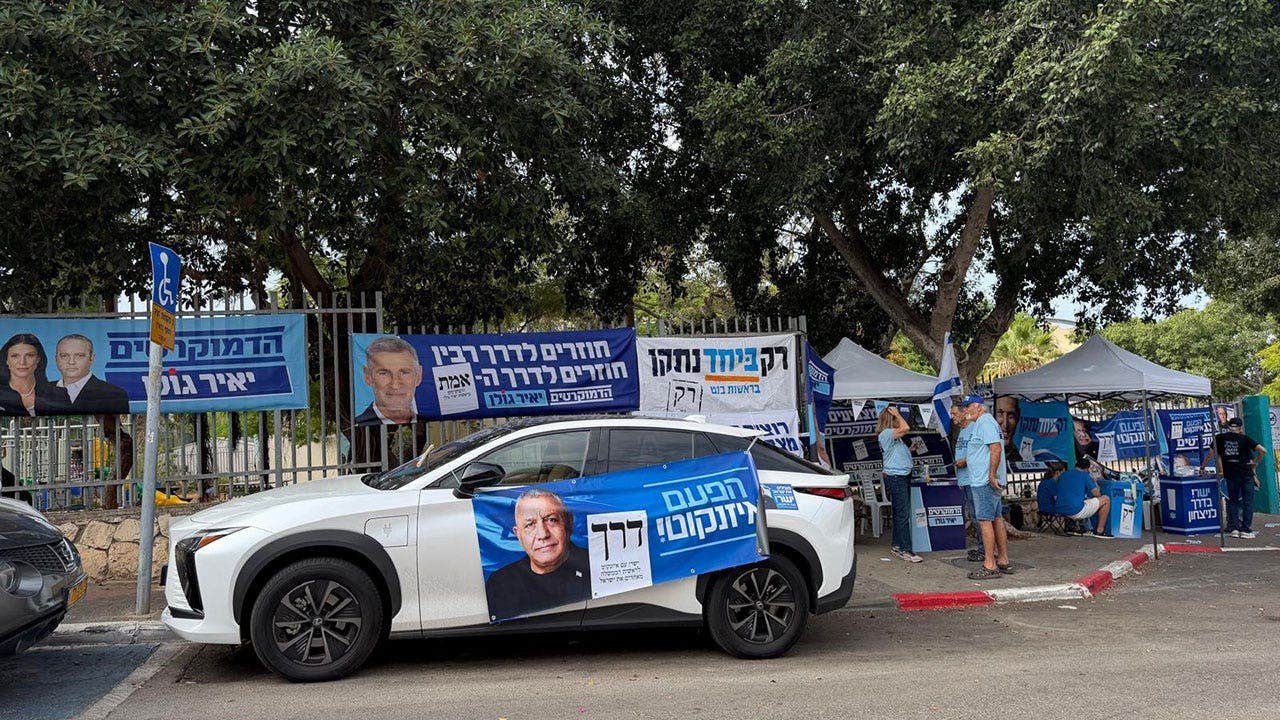 27 Oct Israelis vote in record numbers in first national election since the Oct. 7 Hamas massacre
Fox News 27 Oct Israeli exit polls indicate deadlock in election
The Hindu 27 Oct Israel exit polls show election deadlock, with Netanyahu’s fate in balance
South China Morning Post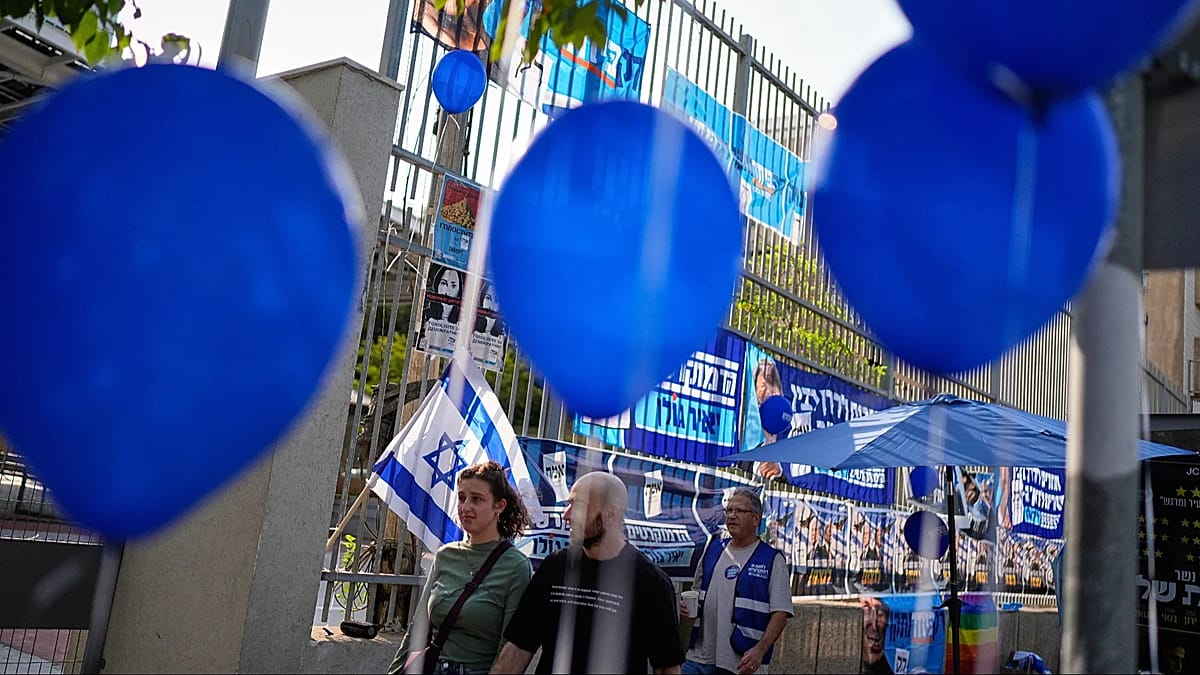 27 Oct Exit polls suggest no clear victor in Israeli election
Euronews27 Oct Israel election 2026 results live: Exit polls suggest deadlock with Eisenkot’s bloc just ahead of Netanyahu
The Independent 27 Oct Polls close in Israel after 'record voter turnout' in election that could see Netanyahu ousted from power
Daily Mail 27 Oct Israelis go to the polls as tense election seen as a referendum on Netanyahu's leadership since October 7 gets underway
Daily Mail 27 Oct Israelis vote in tense election testing Netanyahu’s grip on power
South China Morning Post27 Oct Israel holds first election since October 7 attacks
Sydney Morning Herald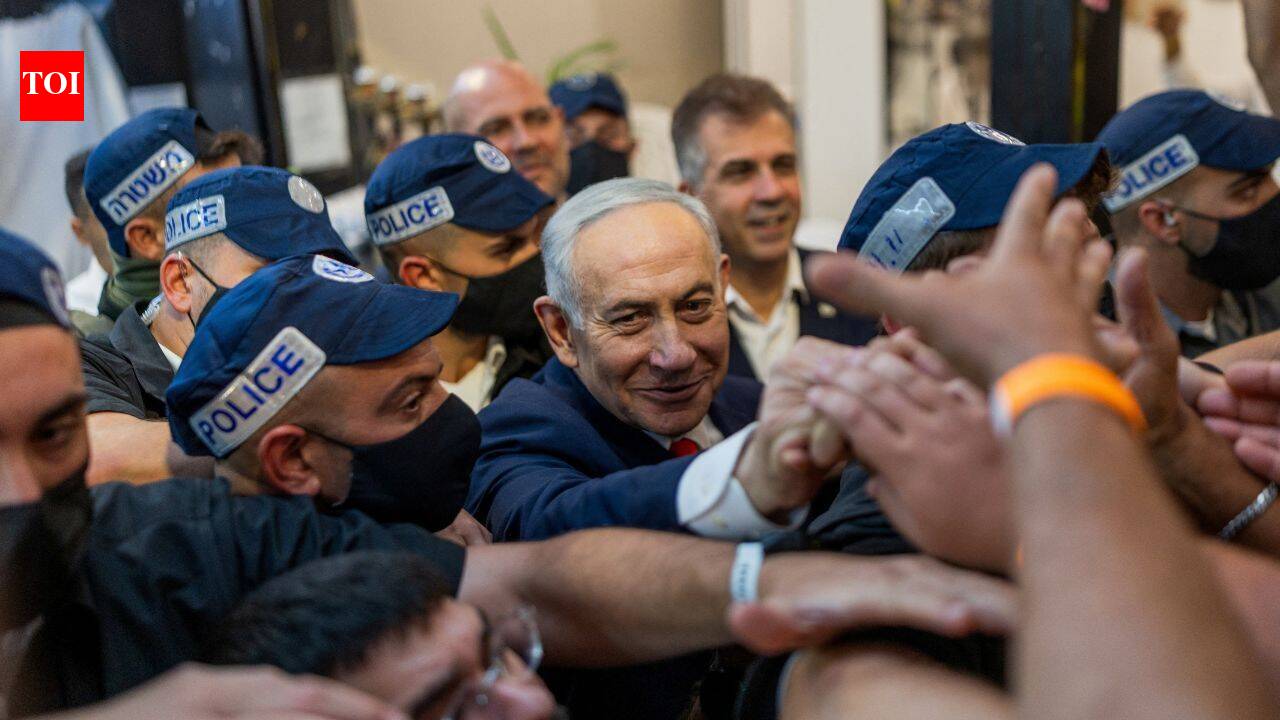 27 Oct Israel Elections 2026 Live Updates: Polls open in Israel, voters to decide whether to oust Netanyahu
Times of India 27 Oct Palestinian citizens of Israel can vote, but cannot expect change
Al Jazeera27 Oct October 7 terror attacks loom large over Israel’s elections as Netanyahu fights for his future
The Independent 27 Oct Israel heads to polls for pivotal election defined by security and democracy
BBC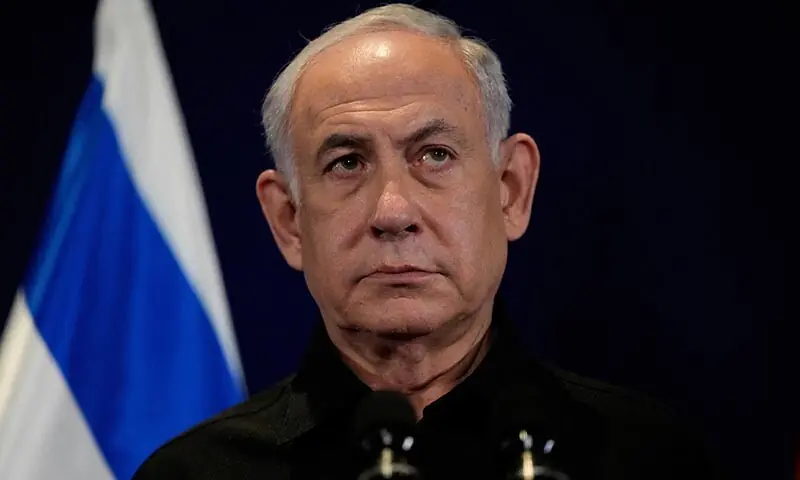 27 Oct Israelis to decide Netanyahu’s fate in pivotal election today
Dawn27 Oct Israel heads to the polls: What happens next?
Sydney Morning Herald 27 Oct A guide to Israel’s elections
The Hindu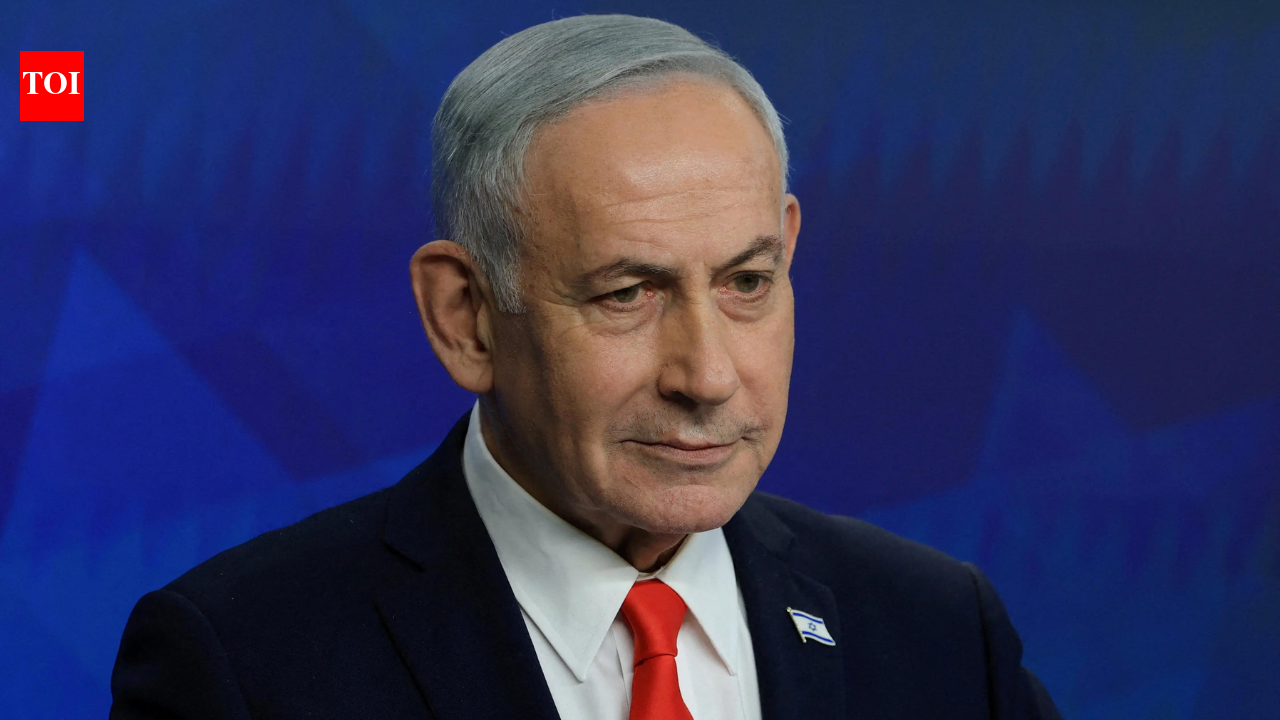 27 Oct Can Netanyahu survive another storm? Israel votes after Oct 7, Gaza and Iran wars
Times of India 27 Oct D-Day for Netanyahu as Israel goes to the polls: 70,000 expat voters could kick out Bibi in election today
Daily Mail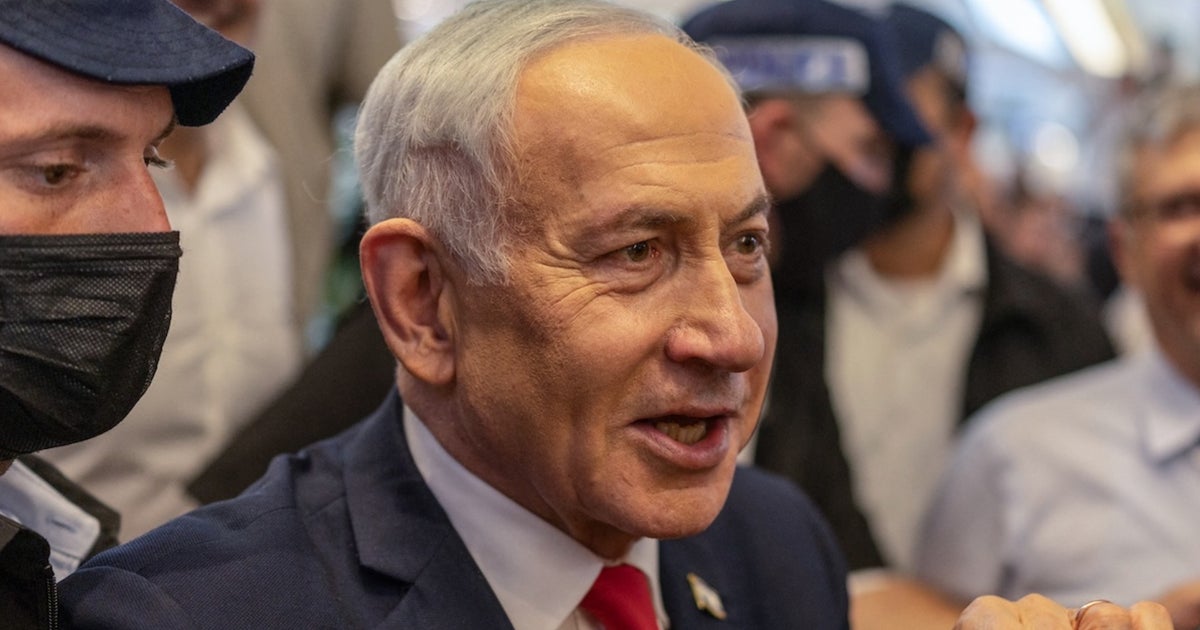 27 Oct Netanyahu faces first national election since Oct. 7, 2023
CBS News 26 Oct Israelis in war-ravaged border communities rebuke Netanyahu as country heads to polls: ‘We need ‘hope’
New York Post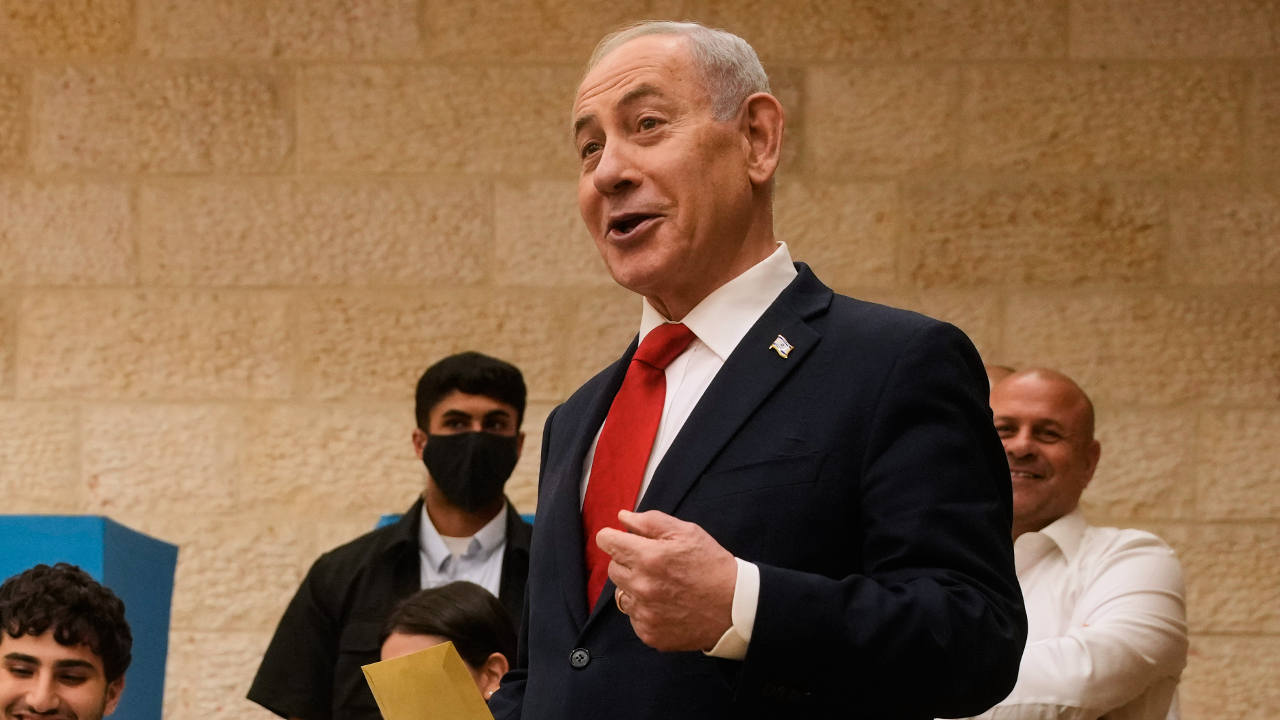 26 Oct Netanyahu fights for political future as Israel heads to polls with Iran threat looming
Fox News 26 Oct Israel and the US are both going to the polls. The consequences will be global
BBC 26 Oct Israel elections 2026 live: Netanyahu and far-right coalition face first vote since October 7 and Gaza invasion
The Independent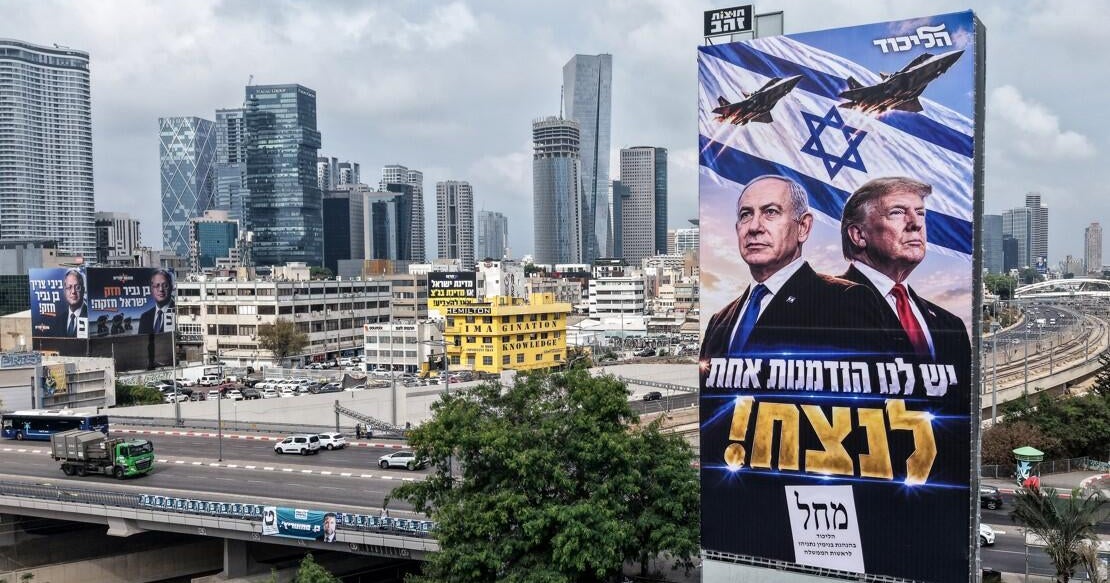 26 Oct These factors could decide Netanyahu's fate in Israel's election
CBS News- 26 Oct Will Israeli voters turf Netanyahu?
CBC  26 Oct Netanyahu’s legacy on the line as Israelis head to elections this week
Global News 26 Oct Netanyahu’s legacy is on the line as Israelis vote in the first elections since the Oct. 7 attack
Toronto Star26 Oct Israel's general election candidates explained as Netanyahu fights for political survival
The Independent 26 Oct Israel’s furious Arab parties could oust Netanyahu — if the opposition will break an election promise
New York Post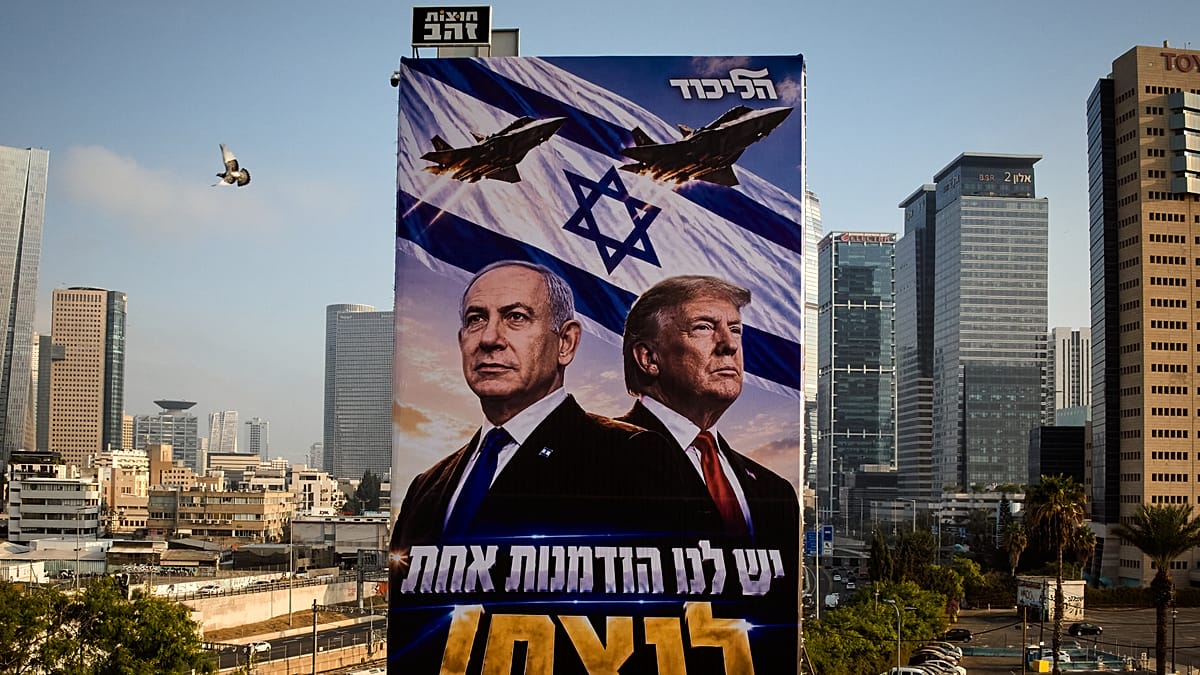 26 Oct Why Israel’s wartime election isn’t just about the battle with Iran and Hamas
Euronews 26 Oct Trump calls on Israel to re-elect Netanyahu in tomorrow's elections so they can 'finish the job' in Iran
Daily Mail 26 Oct Israel’s election: Five key things to know
Al Jazeera- 26 Oct A look at the main issues in Israeli elections seen as a referendum on Netanyahu
Toronto Star 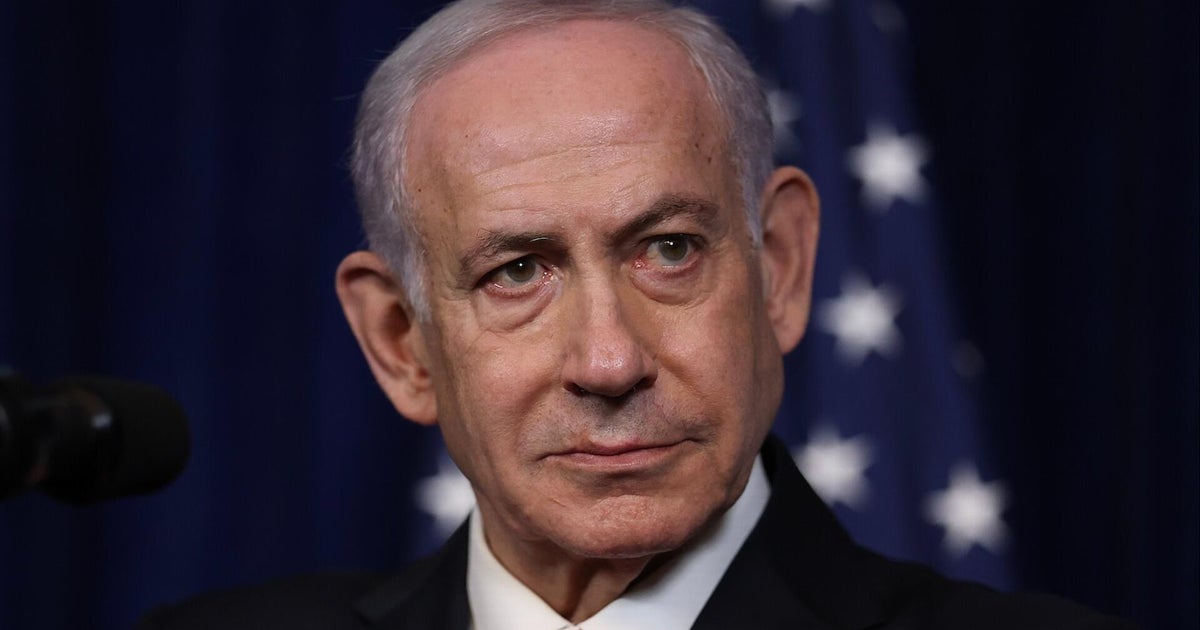 26 Oct Netanyahu's party lags in polls ahead of first election since Oct. 7, 2023
CBS News 25 Oct Why Israel's election is one of the most important in its history
BBC 25 Oct Deeply divided Israel braces for pivotal election
BBC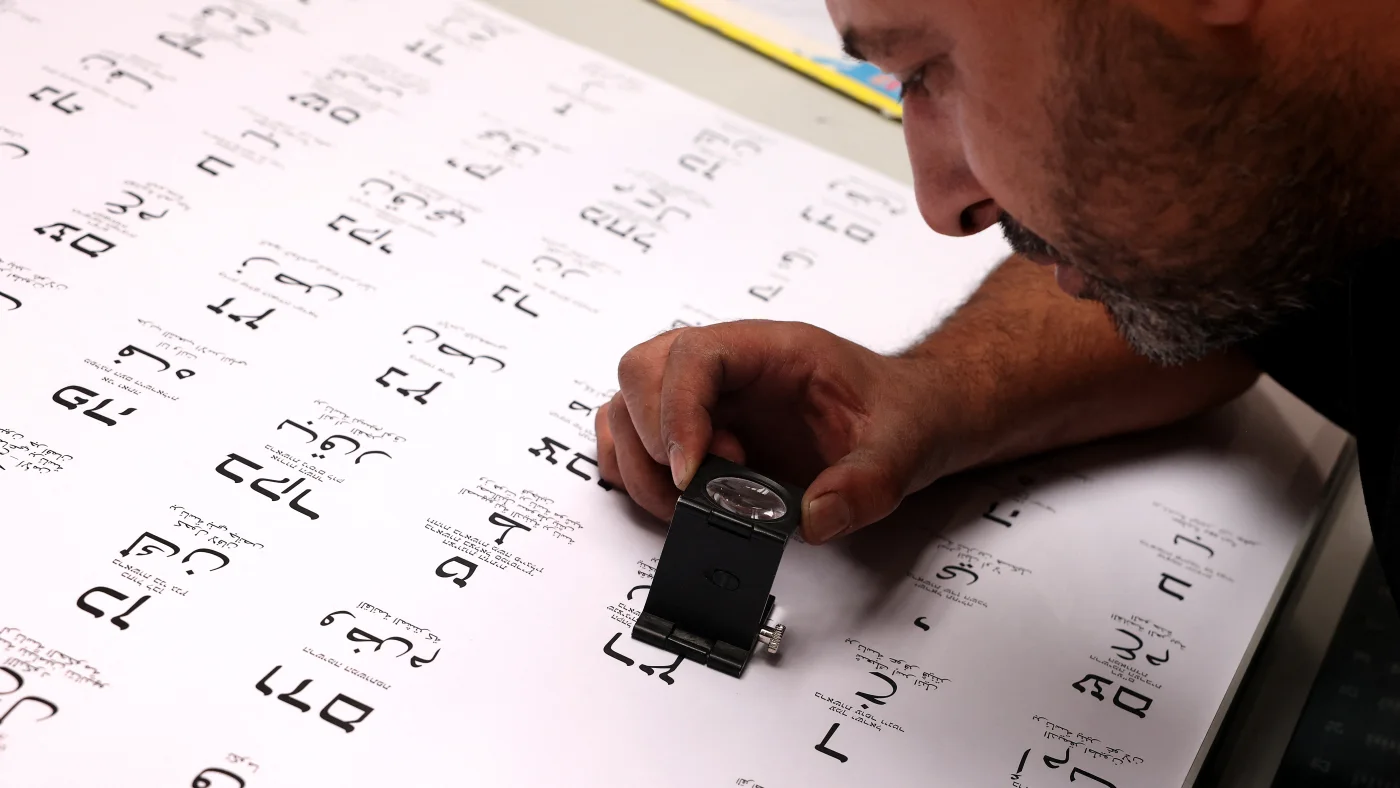 25 Oct Israelis have changed. Will they change their leadership?
NPR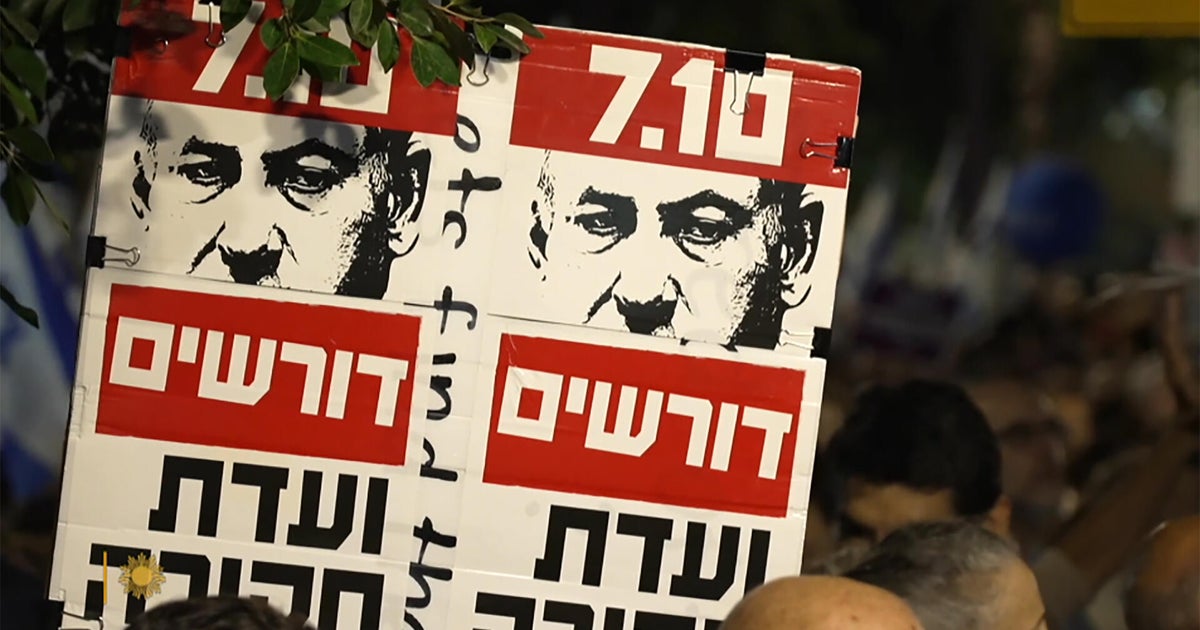 25 Oct Israeli election to test Benjamin Netanyahu's ability to hold power
CBS News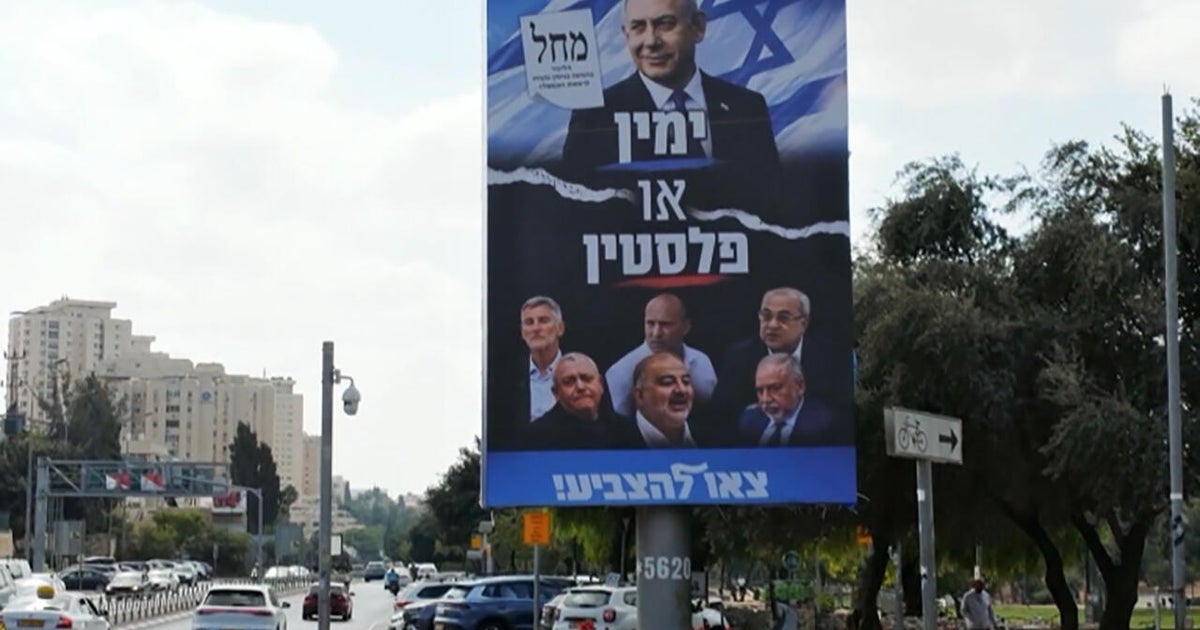 25 Oct Israeli election to test Benjamin Netanyahu's ability to hold power
CBS News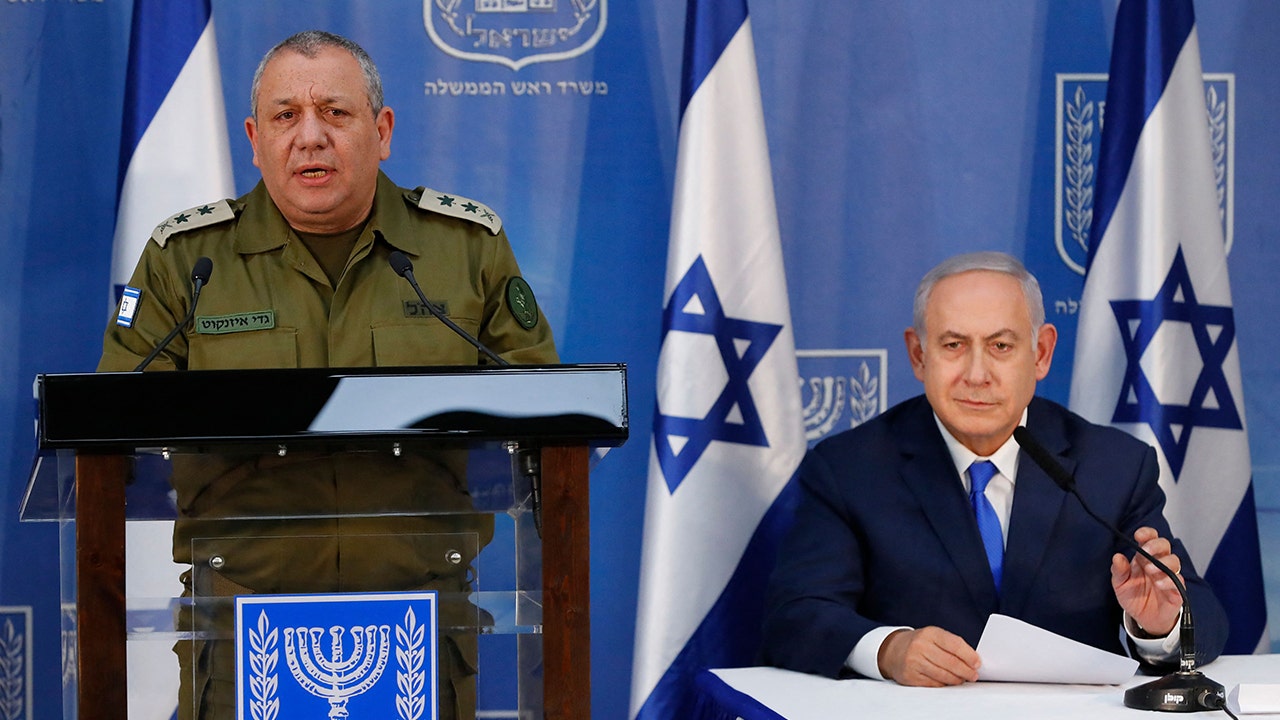 25 Oct Former Israeli army chief Gadi Eisenkot emerges as Netanyahu’s leading election challenger
Fox News 25 Oct The key players in Israel’s first election since October 7 attacks as Netanyahu fights for his political life
The Independent 25 Oct Israeli elections: What are the possible outcomes?
Al Jazeera25 Oct Thousands rally in Tel Aviv against Netanyahu ahead of vote
The Straits Times24 Oct Thousands rally in Tel Aviv against Netanyahu ahead of vote
ABC News (AU) 24 Oct Gadi Eisenkot | Netanyahu’s challenger
The Hindu 23 Oct How will the Israeli election work and when will the result be announced?
The Independent
Keep exploring
 Similar coverageIsrael Elections Impact
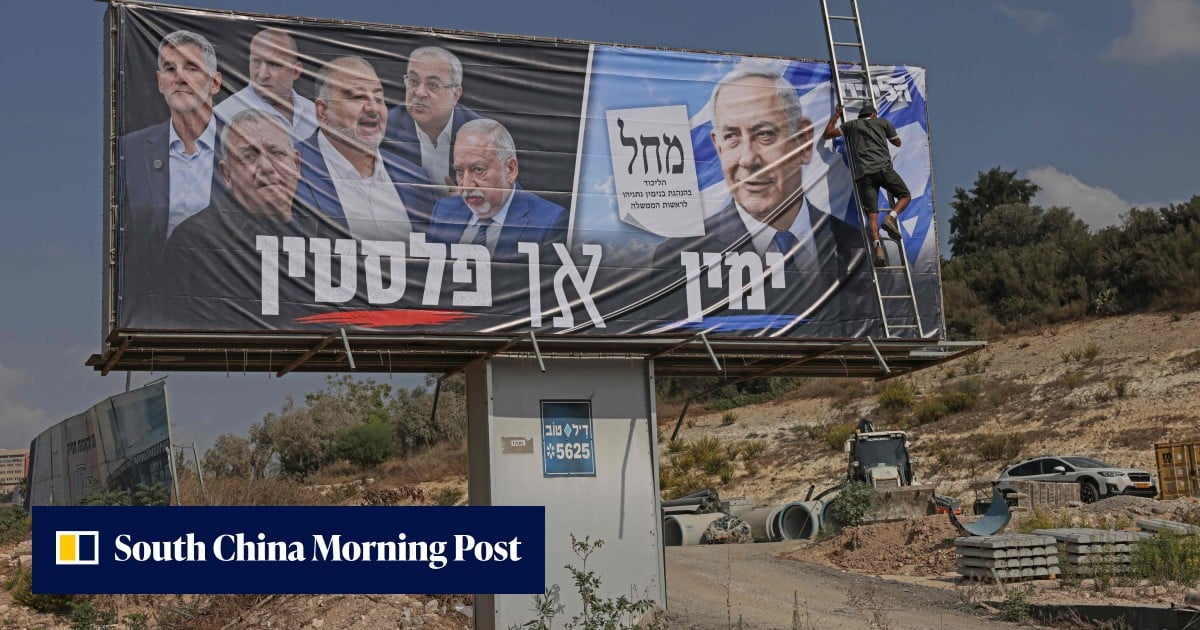 Similar coverageIsraeli Election Campaign Turn Ugly
 Similar coverageIsraeli Election Party Disqualifications
 Similar coverageIsraeli Election Ban On Arab Parties
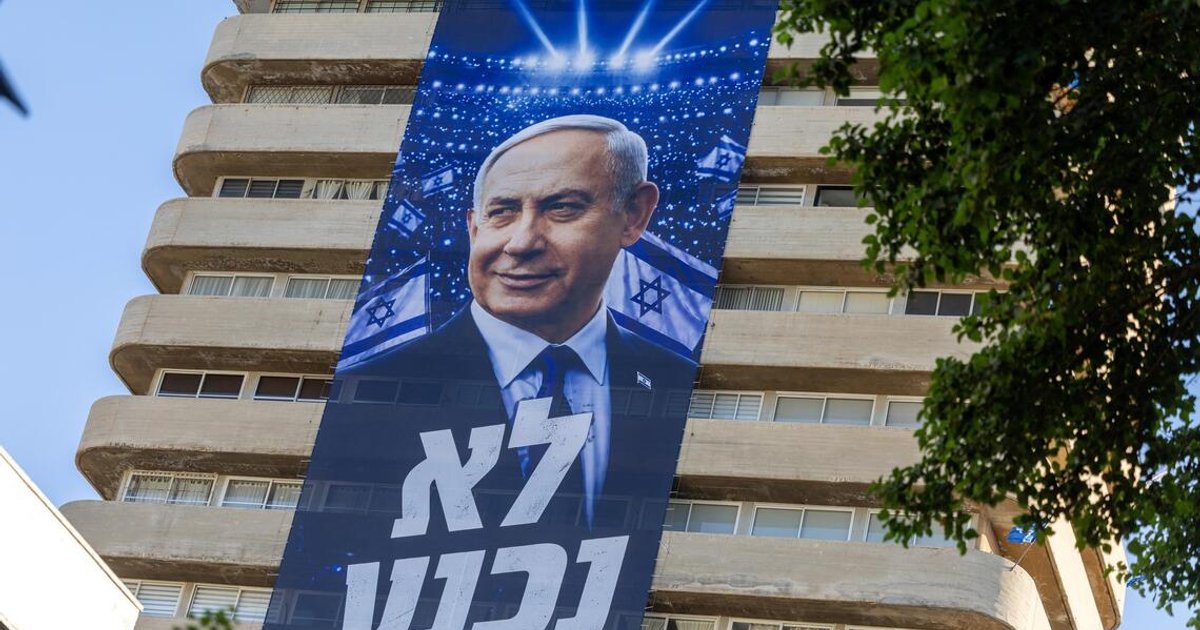 Similar coverageTrump Endorses Netanyahu's Re-election
 Similar coveragePalestinian Election Delay Controversy
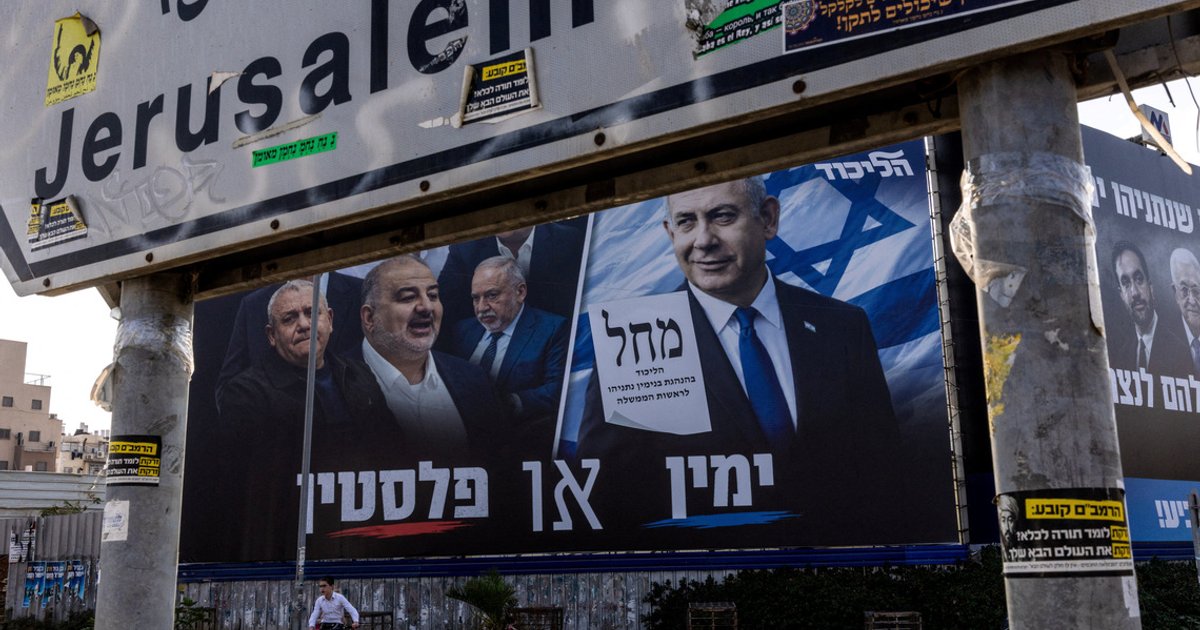 Similar coverageNetanyahu Warns Iran
 Similar coverageNetanyahu Pressures Military Against Iran
 Similar coverageNetanyahu Warns Of Attack Before Elec…
 RecentMelania Trump Brokered Ceasefire In Oleshky
Built 2026-10-28 from 91 articles. Every sentence on this page is quoted from the linked article; nothing was written by a model except the Summary and the items marked AI, which cite their sources, and the questions and labels under "Disputed". Photos are from the outlets that covered the story, never from articles our check marks sensitive.