Israel heads to the polls: What happens next?

Read the original at The Sydney Morning Herald ↗
Cite

Israel heads to the polls: What happens next? (2026, October 27). The Sydney Morning Herald. https://www.smh.com.au/world/middle-east/israel-heads-to-the-polls-what-happens-next-20261027-p618zh.html?ref=rss&utm_medium=rss&utm_source=rss_feed

Dated from the outlet's own feed. Check the original for its byline.

The Sydney Morning Herald · collected 2026-10-27

Quick Summary

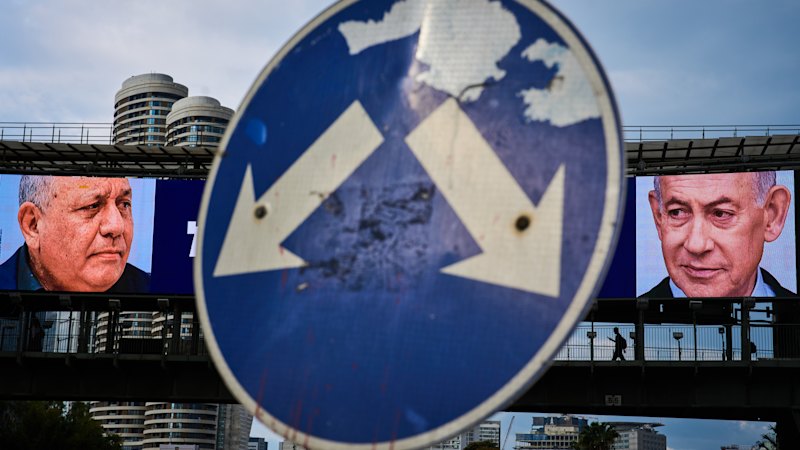
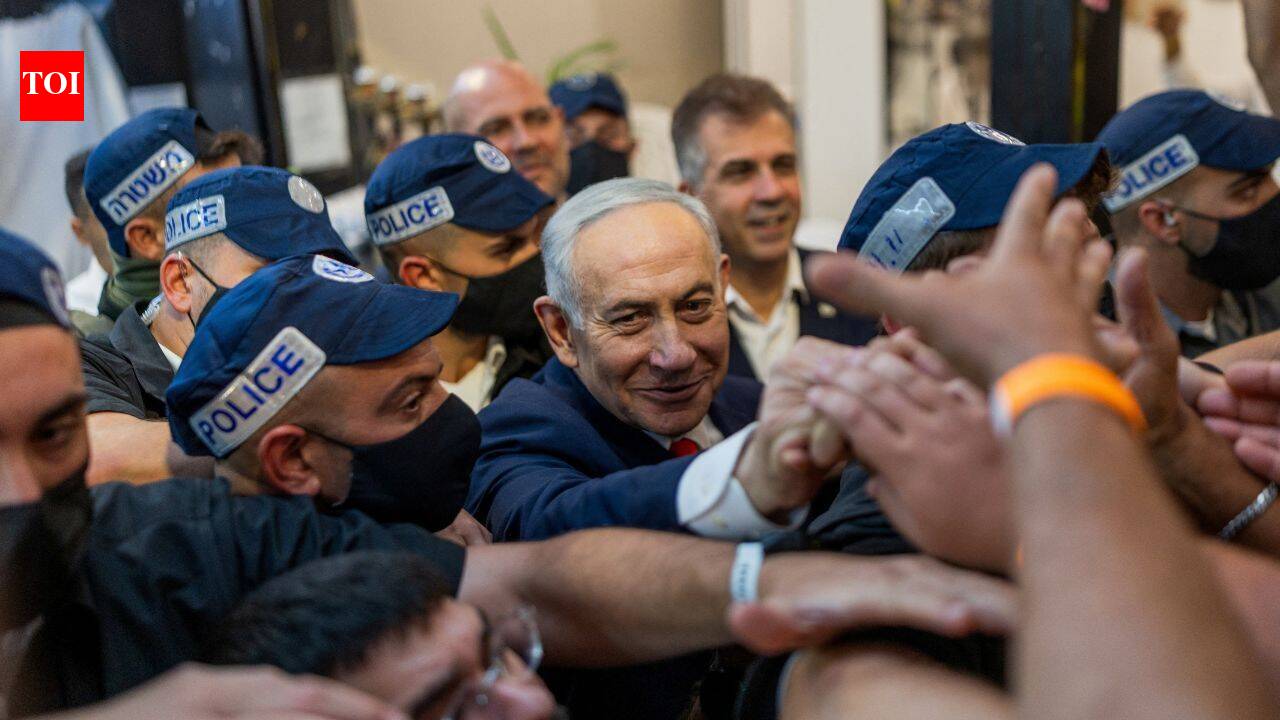
Israelis began voting on Tuesday for their parliamentary election, the first since Hamas's October 7 attack. Voting occurs from 7am to 10pm local time, with preliminary results expected shortly after polls close but official results taking several days or weeks due to proportional representation and coalition negotiations. The high stakes and recent turmoil in the country are expected to drive voter turnout, which was already at 71% in the last election.
Written locally by qwen2.5:14b on 2026-10-27, using this article's own text rather than the other coverage of the same event (that is the story summary below).

AI analysis runs on qwen2.5:14b, locally

Story summary

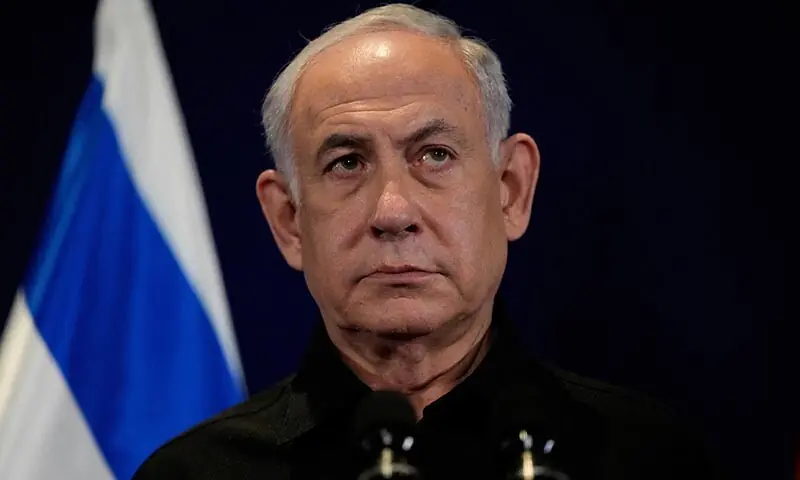
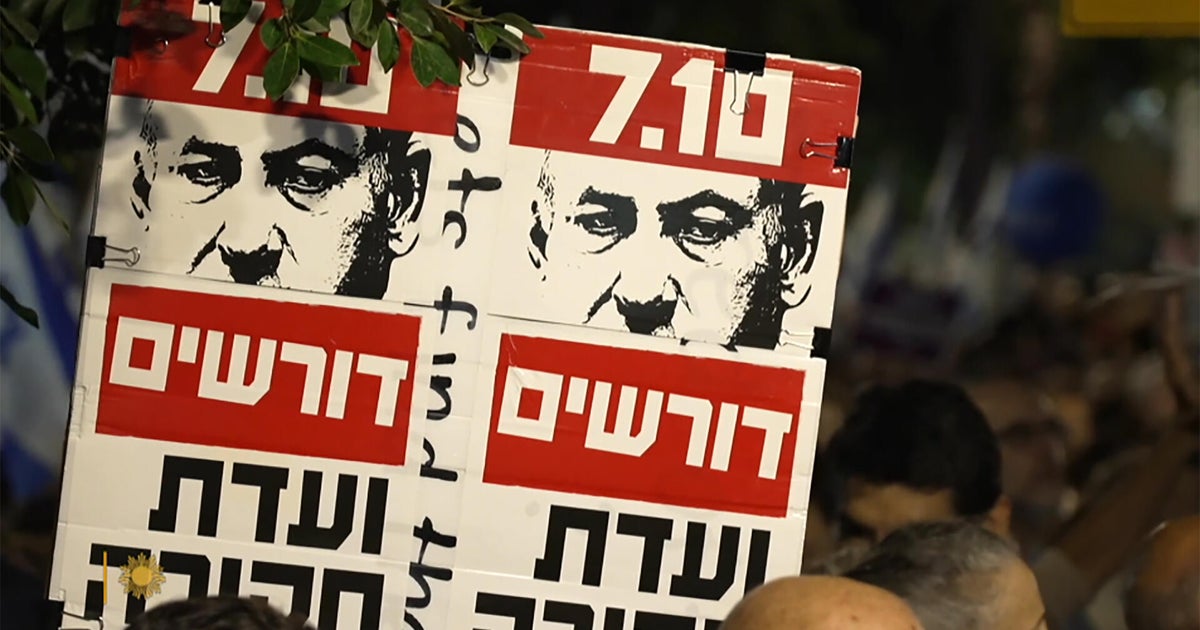
On October 27, 2026, Israel held its first election since the Hamas attacks on October 7, 2023, with Prime Minister Benjamin Netanyahu facing off against a coalition of opposition parties led by former military chief Gadi Eisenkot. The election comes after three years of conflict in Gaza, Lebanon, and Iran, plunging the Middle East into turmoil. Thousands of people rallied in Tel Aviv on October 24 to protest Netanyahu's leadership and call for an independent state commission of inquiry into security failures that led to the attacks. Over 7 million Israelis were eligible to vote, with opinion polls suggesting a tight race but no clear path to a governing majority for either side. The election is seen as pivotal in determining Israel's future direction amid ongoing wars and deep divisions over the country's character and leadership.

Written for “Israeli Election 2024” on 2026-10-27, grounded in this article and the 36 other(s) covering the same event.
Why this leaning score
This article does not take a side on a contested political question, so it has no leaning score. That is an answer rather than a gap: a match report or a rescue can be warmly or critically written without being left or right, and scoring it anyway is how approval of a subject gets recorded as a political position.
No political leaning scored for article 109406 · logged 2026-10-27

Story

📰 Israeli Election 2024
Politics · 37 article(s) covering the same event. Compare every outlet's account →

Compared with similar articles

This article reads unscored and hedges 9% of its claims. Each row says how that neighbour differs.
Al Jazeera
⚖️ Leans left 🔴 23% hedged 9 of 39 📰 publisher trust 60
“Both articles are discussing the parliamentary election in Israel on Tuesday, following significant events since October 7, 2023.”
The Independent
⚖️ Leans right 🔴 0% hedged 0 of 9 📰 publisher trust 59
“Both articles describe Israel's parliamentary election occurring on Tuesday following the October 7 attacks, with Netanyahu facing opposition.”
Daily Mail
⚖️ Leans strongly left 🔴 9% hedged 2 of 23 📰 publisher trust 68
“Both articles describe Israel going to the polls on October 27, 2026 for a parliamentary election following the Hamas attack in October 2023.”
Dawn
⚖️ Leans left 🔴 13% hedged 3 of 23 📰 publisher trust 72
“Both articles describe the parliamentary election taking place in Israel on October 27, 2026, which is the same specific real-world event.”
Al Jazeera
⚖️ Leans strongly left 🔴 13% hedged 6 of 46 📰 publisher trust 60
“Both articles discuss the Israeli parliamentary election occurring on October 27, 2026.”
Times of India
⚖️ Leans left 🔴 13% hedged 4 of 31 📰 publisher trust 59
“Both articles describe the Israeli parliamentary election taking place on October 27, 2026.”
ABC News (AU)
⚖️ Leans strongly left 🔴 5% hedged 2 of 37 📰 publisher trust 68
“The articles describe different stages of a larger political situation: one is about a protest before the election, and the other discusses the voting process on election day.”
Toronto Star
⚖️ leaning not scored 🔴 12% hedged 5 of 40 📰 publisher trust 64
“Article A focuses on a single Israeli expatriate's decision to return and vote in the election, while Article B provides an overview of the voting process and context for the entire election day.”
CBS News
⚖️ leaning not scored 🔴 33% hedged 1 of 3 📰 publisher trust 66
“Both articles describe Israel's parliamentary election on Tuesday, with Netanyahu's leadership being a central issue.”
Toronto Star
⚖️ Leans left 🔴 13% hedged 6 of 45 📰 publisher trust 64
“Both articles describe Israel's upcoming parliamentary election on Tuesday, seen as a referendum on Prime Minister Benjamin Netanyahu following Hamas' attack in October 2023.”
How this article was measured signals, leaning charts, publisher record, byline, topics and claims

Signals How these are calculated →

Claims extracted
33
sentences that state something as happening or true
Uncertain
9%
3 of 33 hedged ("reportedly", "may", "according to")
Leaning
not political
takes no side on a contested political question
Publisher signals
61/100
The Sydney Morning Herald's corrections and hedging, across everything collected from it. Not a measure of accuracy.
Outlets on this story
37
Politics
Same framing elsewhere
1
articles that frame the event the way this one does
Analyzed 2026-10-27 · how these are computed

How this is being covered How these are calculated →

Article leaning vs. publisher reliability
Source leaning vs. consistency

Publisher

The Sydney Morning Herald · 5205 article(s) · 12 correction(s) detected
Running correction rate · 12 correction(s)

Who wrote this

No reporter is named on this article.

Topics

Australia Hamas Israel Jerusalem Knesset

Subjects

Israel GPE · 6× Knesset ORG · 3× Israeli NORP · 2× Israelis NORP · 2× Netanyahu PERSON · 2× Australia GPE · 1× Benjamin Netanyahu PERSON · 1× Hamas ORG · 1× Isaac Herzog PERSON · 1× Jerusalem GPE · 1×

Narrative

After the final tally is in, President Isaac Herzog will consult party leaders on whom they want as prime minister and then tap the candidate he believes has the best chance of forming a government. That nominee has up to 42 days to form a government.
framing: assertive · carried by 1 article(s) · first seen 2026-10-27
🔮 Prime Minister Benjamin Netanyahu’s hold on power is at stake, with centrist rivals promising to usher in a new era, but it might take time before clear results are known.
2026-10-27 · The Sydney Morning Herald
Israel heads to the polls: What happens next? · assertive framing

Claims (33 extracted, 3 hedged)

Israel begins voting on Tuesday afternoon in a parliamentary election, its first since the Hamas attack on October 7, 2023, that shook the country and plunged the Middle East into turmoil. asserted
that → begin → turmoil
Prime Minister Benjamin Netanyahu’s hold on power is at stake, with centrist rivals promising to usher in a new era, but it might take time before clear results are known. uncertain
results → promise → time
What happens on election day? asserted
What → happen → day
Even so, turnout is usually high, reflecting the high levels of political engagement in society. asserted
turnout → reflect → society
In the last elections, 4.8 million of the country’s 6.8 million eligible voters showed up at the polls – a turnout rate of 71 per cent. asserted
million → show → cent
Even more people are expected to vote this year, reflecting the heightened stakes. asserted
people → expect → stakes
Unlike in Australia, where postal voting has become increasingly popular in recent elections, Israelis must vote in person on election day. asserted
Israelis → become → day
(Only those serving their nation overseas, like diplomats and defence personnel, can vote in advance by mail.) asserted
those → serve → mail
When will we know who won? asserted
who → know → ?
It is likely this will be known within a few hours of polls closing, but it could take days or even weeks to become clear. uncertain
it → know → days
Voting starts at 7am in Israel (4pm AEDT) and ends at 10pm (6am Wednesday AEDT), when Israeli TV channels will air exit polls giving the first indications of the outcome. asserted
channels → start → outcome
The election results will then start coming in. asserted
results → come → ?
A clear picture may emerge quickly but if no party or group of parties has a clear parliamentary majority, it could take much longer. uncertain
it → emerge → majority
The final tally is expected by October 30 and official election results are formally published a week after the election, on November 4. asserted
results → expect → November
Elections to the 120-seat Knesset are meant to be held every four years, but early elections have been frequent. asserted
elections → mean → Knesset
Crucially, voters vote for party lists rather than individual candidates. asserted
voters → vote → lists
The Knesset seats are allocated by proportional representation to national party lists, with parties needing to pass a threshold of 3.25 per cent of the national vote to secure seats. asserted
parties → allocate → seats
About a dozen parties are widely thought to have a chance of crossing the threshold, so the final tally and seat allocation will take time. asserted
tally → think → time
The key number to aim for is the 61 seats required to form a government, though leaders prefer a more substantial buffer to create a more durable coalition. asserted
leaders → aim → coalition
It is possible to govern in minority, but such a government would be even more fragile. asserted
government → govern → minority
What happens after the results are published? asserted
results → happen → ?
After the final tally is in, President Isaac Herzog will consult party leaders on whom they want as prime minister and then tap the candidate he believes has the best chance of forming a government. That nominee has up to 42 days to form a government. asserted
nominee → consult → government
No single party in Israel has ever won an outright majority, so governments are formed by a coalition of parties, and negotiations on forming a government often take weeks. asserted
negotiations → win → weeks
Every Knesset seat counts and small parties can have a big impact by becoming kingmakers. asserted
parties → count → kingmakers
If the nominee fails, others can get a chance to try. asserted
others → fail → chance
If no government emerges, another election is called, with the present cabinet staying on as a caretaker government. asserted
cabinet → emerge → government
Investigation: James Packer pays $1.8m to law firm also defending Netanyahu - asserted
Packer → pay → Netanyahu
Analysis: Desperate Netanyahu goes nuclear in bid to stay in power - asserted
Netanyahu → go → power
‘National suicide’: The election issue tearing Israelis apart - ‘It is ours’: The far-right Israeli settlers asserted
It → tear → Israelis
who want to build homes in Gaza asserted
who → want → Gaza
- ‘Save our country’: October 7 changed their lives. asserted
October → save → lives
Now they are running for office asserted
they → run → office
Matthew Knott and Reuters Get a note directly from our foreign correspondents on what’s making headlines around the world. asserted
what → get → world

💬Give feedback
🕘History 🎫Support