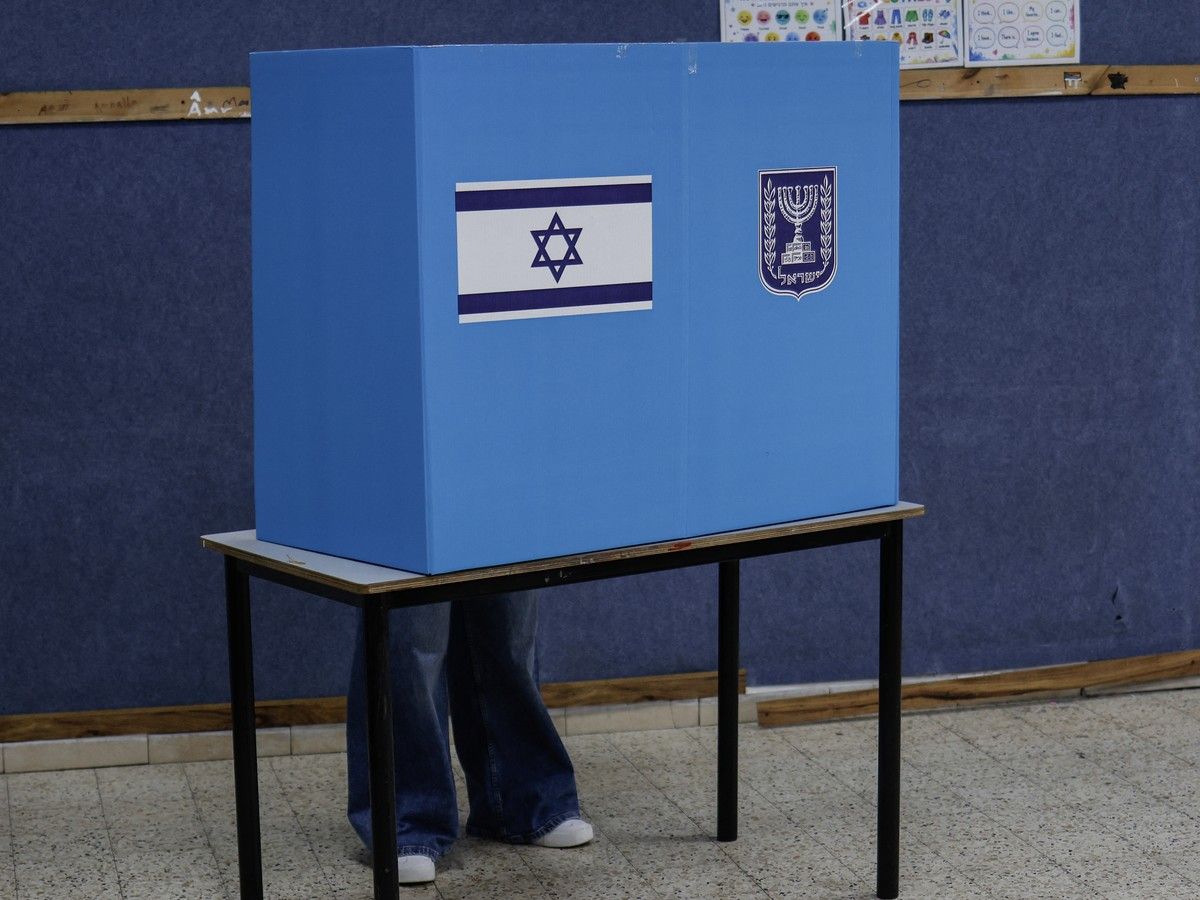
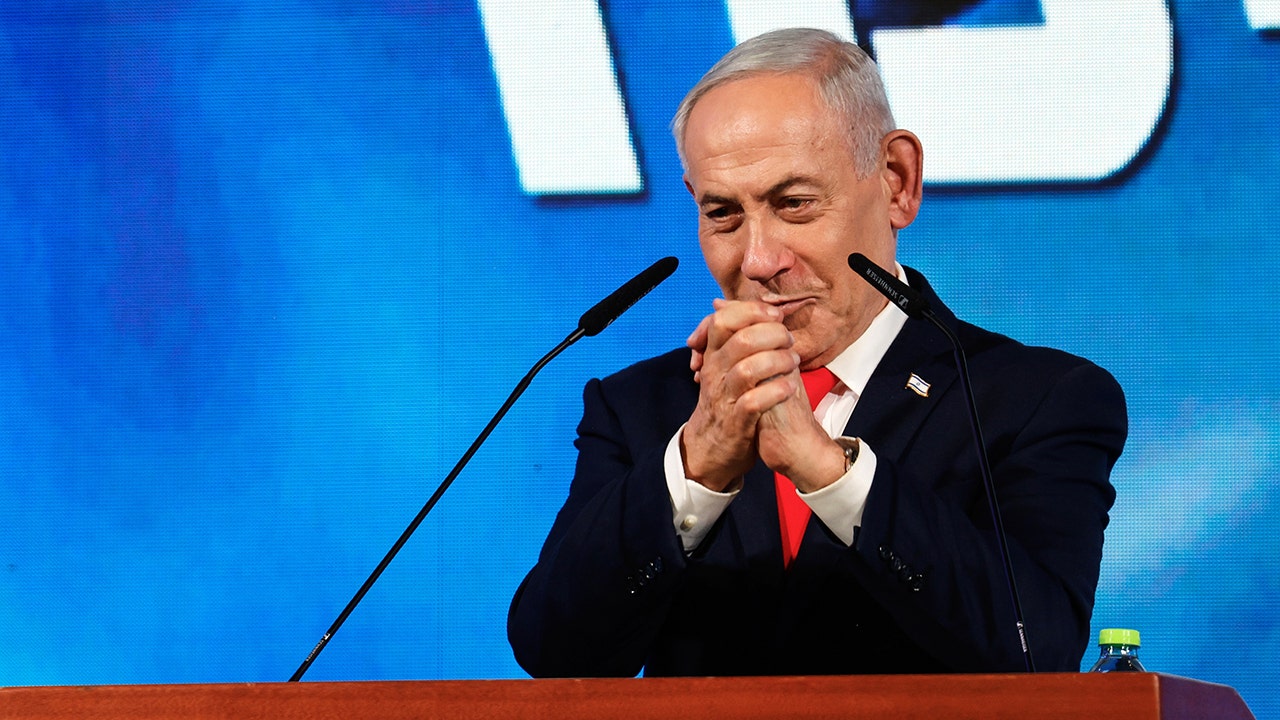
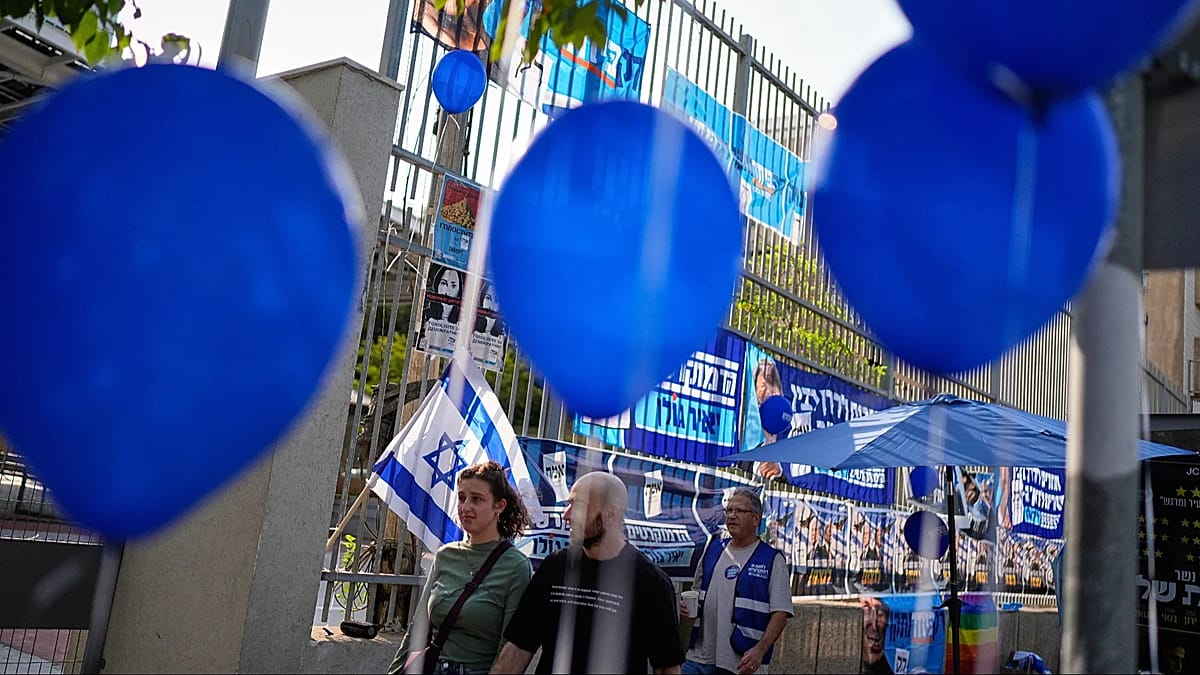
Prime Minister Benjamin Netanyahu and his allies are on track to win the most seats in parliament, despite losing seats and falling short of a majority.
asserted
Netanyahu → win → majority
Netanyahu’s Likud party will retain the most seats in the Knesset, with Likud and his allies looking to secure 54 seats, according to preliminary results — down from the 60 he currently holds.
uncertain
he → retain → 60
The big difference is the Arab parties, which saw a huge turnout and are looking to claim 19 seats — nearly double their current total.
uncertain
which → see → seats
The true landscape of what’s to come will only be revealed in the coming days.
asserted
what → ’ → days
Who is in charge for now
Because forming a government could take weeks, or even months, Netanyahu will remain in office until someone can secure the majority vote in the Knesset.
uncertain
someone → form → Knesset
The prime minister will effectively be running a caretaker administration in the meanwhile, even as he tries to rally support to stay in office.
asserted
he → run → office
Netanyahu’s current cabinet would also remain in charge in the event that Israeli President Isaac Herzog is unable to convince the parties to form a government.
asserted
Herzog → remain → government
If that happens, the president would be forced to call yet another election.
asserted
president → happen → election
How long will it take for the results to come out
Elections in Israel are counted the old-fashioned way, with election officials checking off the ballots by hands under supervision from the Central Election Committee.
asserted
officials → take → Committee
This means it could take until Thursday before the definitive results are known, with the committee still tallying hundreds of thousands of ballots by Israeli soldiers, as well as diplomats, who voted from outside the country.
uncertain
who → mean → country
The final vote tally is expected by Oct. 30, and official election results are typically published a week after the election, with this year’s full results set to print on Nov. 4.
asserted
results → expect → Nov.
What happens after the results are announced
After the final tally is announced, Herzog will meet with party leaders to see which major candidate has the best chance to secure a majority approval from the Knesset.
asserted
candidate → happen → Knesset
No single party in Israel has ever won a majority by themselves, so governments are formed through coalitions and deal makings between parties.
asserted
governments → win → parties
This system allows smaller parties to have a big impact by becoming the kingmakers.
asserted
parties → allow → kingmakers
In this case, Israel’s Arab parties, which are projected to secure 18 to 19 seats, could push Eisenkot over the top — so long as he goes back on a campaign vow to never work with them.
uncertain
he → project → them
Whoever Herzog picks will have 42 days to form a government, and if that fails, the president has two more picks.
asserted
president → pick → picks
Should no government emerge after three attempts, another election is called.
What kind of government can be formed?
With no coalition projected to get the 61 votes needed to run a government, there are a few paths lawmakers can take to form a government.
asserted
lawmakers → emerge → government
Netanyahu’s coalition could attempt to woo some of the opposition parties to reach the 61 seat threshold and form a unity government.
uncertain
coalition → attempt → government
The challenge, however, comes in that the opposition parties are vehemently against Netanyahu, making it unlikely that he would remain prime minister under a unity government.
“I think this is something that Israeli public opinion would be able to live with and perhaps even prefer, but I can’t say anything about the political viability of it,” Yohanan Plesner, president of the Israel Democracy Institute, told the Jewish Telegraphic Agency.
asserted
Plesner → come → Agency
Netanyahu has not made any calls so far for a unity government, instead his party is demanding an investigation over the Arab vote, calling the outcome “fraudulent” without providing evidence.
asserted
party → make → evidence
The Arab faction is currently composed of the Joint List coalition, which is projected to win 12 seats, and the Ra’am party, which will have 7 seats.
asserted
which → compose → seats
The alternative would be with the Together coalition and the Arab parties, though that presents its own challenge as all but one of the Jewish party leaders have vowed to reject any form of cooperation with Islamist officials.
asserted
all → present → officials
Eisenkot, however, has the option of forming a minority government with the Arab parties’ help, meaning his coalition would rule despite having fewer seats so long as the Arab factions vote with them on key issues while otherwise continuing their protest of participation in the government.
asserted
factions → have → government
Such a partnership would give Eisenkot 67 seats on key legislative decisions, but it remains to be seen what the Arab faction would demand in return.
asserted
faction → give → return
 The Aporia