The Aporia

Israel’s Eisenkot says country voted for change. (2026, October 28). Al Jazeera. https://www.aljazeera.com/video/newsfeed/2026/10/28/israels-eisenkot-says-country-voted-for-change?traffic_source=rss
“Israel’s Eisenkot says country voted for change.” Al Jazeera, 28 Oct. 2026, https://www.aljazeera.com/video/newsfeed/2026/10/28/israels-eisenkot-says-country-voted-for-change?traffic_source=rss.
“Israel’s Eisenkot says country voted for change.” Al Jazeera, October 28, 2026. https://www.aljazeera.com/video/newsfeed/2026/10/28/israels-eisenkot-says-country-voted-for-change?traffic_source=rss.
Dated from the outlet's own feed. Check the original for its byline.
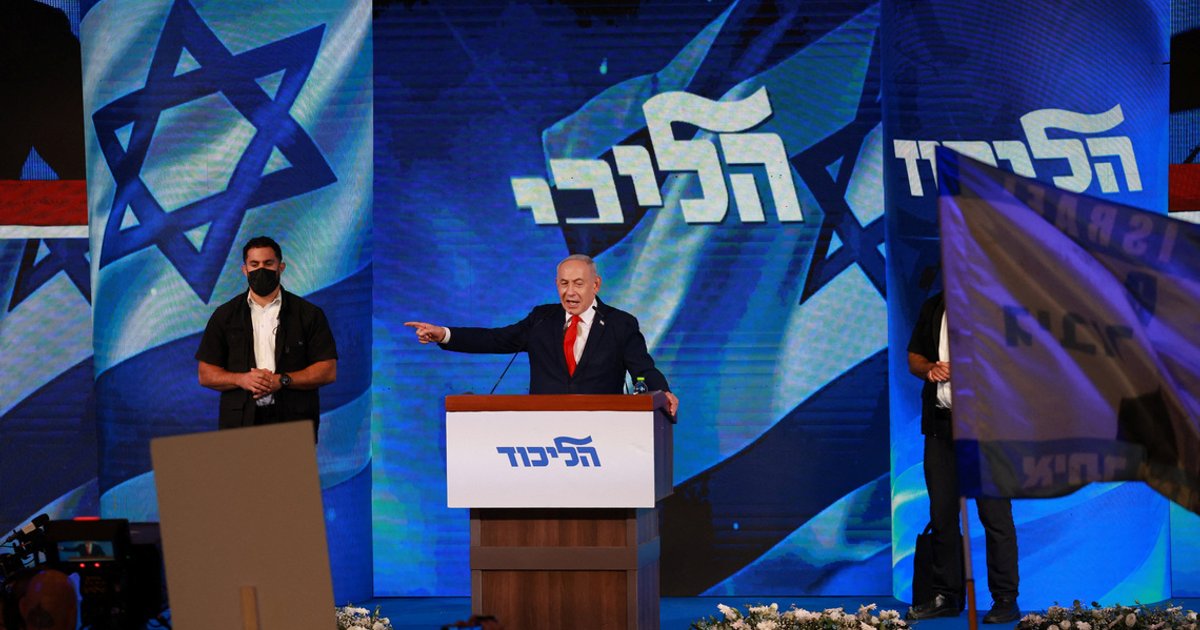
Israel held parliamentary elections on October 28, 2026, following the October 7, 2023 terror attacks. The election resulted in a deadlock between Prime Minister Benjamin Netanyahu's Likud-led bloc and his main rival Gadi Eisenkot's Yashar party, with neither securing enough seats to form a majority government alone.
Both sides claimed victory but failed to secure the 61 seats needed for a coalition. Netanyahu vowed to form a right-wing government and dismissed the possibility of relying on support from Israeli Arab parties, which posted strong gains in this election.
Arab parties outside the two main blocs could hold the balance of power, complicating negotiations for forming a coalition government. The deadlock likely means prolonged negotiations or even another election before a new government can be formed. Netanyahu remains caretaker prime minister until further negotiations are concluded.