The Aporia

Reuters. (2026, October 27). Israel exit polls show election deadlock, with Netanyahu’s fate in balance. South China Morning Post. https://www.scmp.com/news/world/middle-east/article/3372354/israel-exit-polls-show-election-deadlock-netanyahus-fate-balance
Reuters. “Israel exit polls show election deadlock, with Netanyahu’s fate in balance.” South China Morning Post, 27 Oct. 2026, https://www.scmp.com/news/world/middle-east/article/3372354/israel-exit-polls-show-election-deadlock-netanyahus-fate-balance.
Reuters. “Israel exit polls show election deadlock, with Netanyahu’s fate in balance.” South China Morning Post, October 27, 2026. https://www.scmp.com/news/world/middle-east/article/3372354/israel-exit-polls-show-election-deadlock-netanyahus-fate-balance.
Dated from the outlet's own feed. Check the original for its byline.
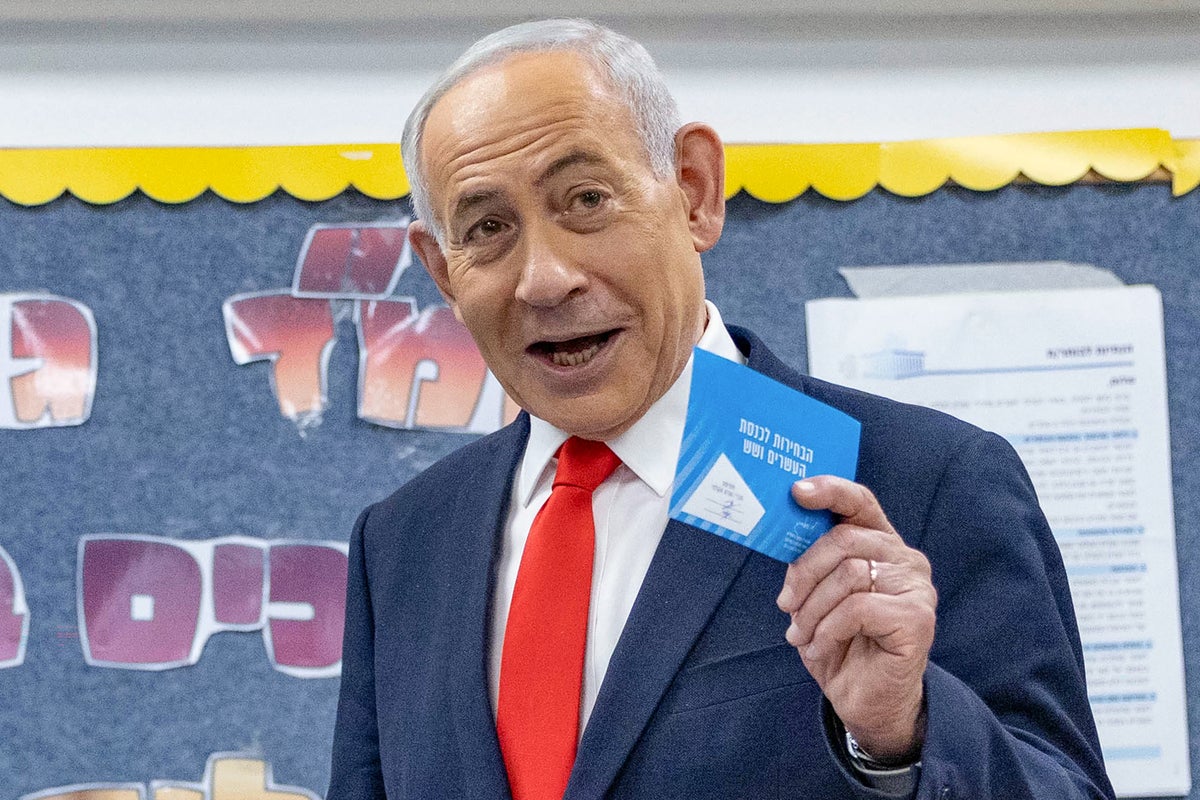
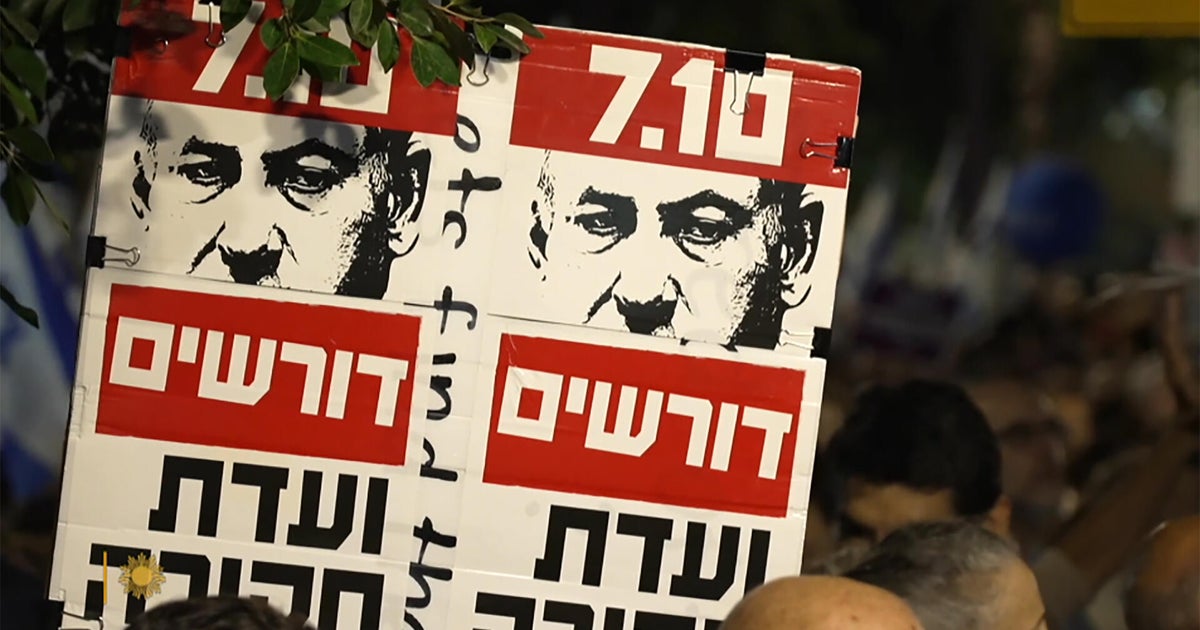
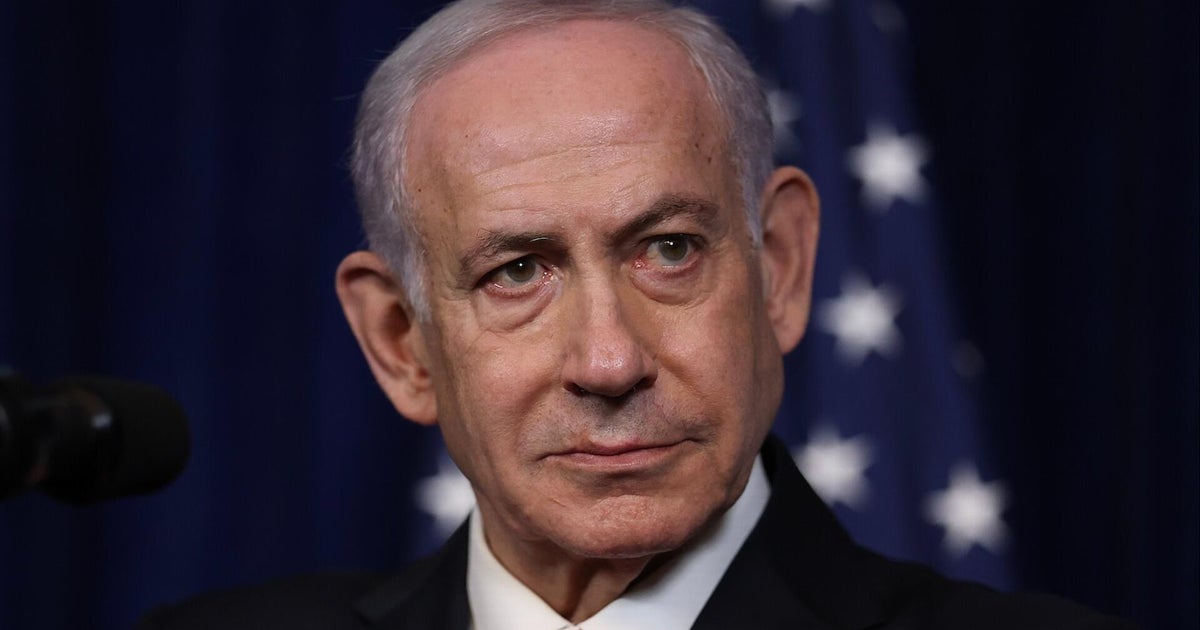
Israelis voted in a high-stakes election on October 27, with exit polls suggesting no clear winner between Benjamin Netanyahu's Likud-led coalition and the opposition bloc led by Gadi Eisenkot. Initially, both sides claimed victory based on early projections: Eisenkot said millions of Israelis voted for change due to fatigue with Netanyahu’s "lies," while Netanyahu faced accusations of a crushing defeat from his opponents.
Exit polls indicated that Arab parties could win 18 seats in the Knesset, marking a significant surge in voter turnout among Palestinian citizens. This record-high participation reflects a shift towards political engagement by a traditionally marginalized community. The projections show a tied scenario at 51 seats each for Netanyahu's coalition and Eisenkot’s opposition bloc.
With no clear majority, forming a government will require both sides to negotiate coalitions that can secure the required 61 seats in the 120-seat Knesset. This could lead to further political instability as parties attempt to cobble together support from various factions. The election results underscore a divided electorate and highlight ongoing challenges for Israel's future governance.