Israelis will head to the polls on Tuesday for legislative elections.
asserted
Israelis → head → elections
The vote, the first since the Hamas-led attacks on Israel on October 7, 2023 and the subsequent genocidal war against Palestinians in the Gaza Strip, is being called one of the most important in its history.
asserted
vote → lead → history
Recommended Stories
list of 3 items- list 1 of 3US support for Israel continues three years into the genocide in Gaza
- list 2 of 3Israel’s deadline to close UK consulate in East Jerusalem nears
- list 3 of 3Protesters in Colombia rally against ties with Israel
It will determine the direction of Israel’s government as the country remains embroiled in multiple years-long conflicts, faces growing international criticism and grapples with deepening polarisation at home.
asserted
country → continue → home
Here are five things to know about the upcoming election:
Which are the main parties and what do opinion polls suggest?
asserted
polls → know → what
Any party clearing an electoral threshold of 3.25 percent enters parliament, whose term lasts four years.
asserted
term → clear → parliament
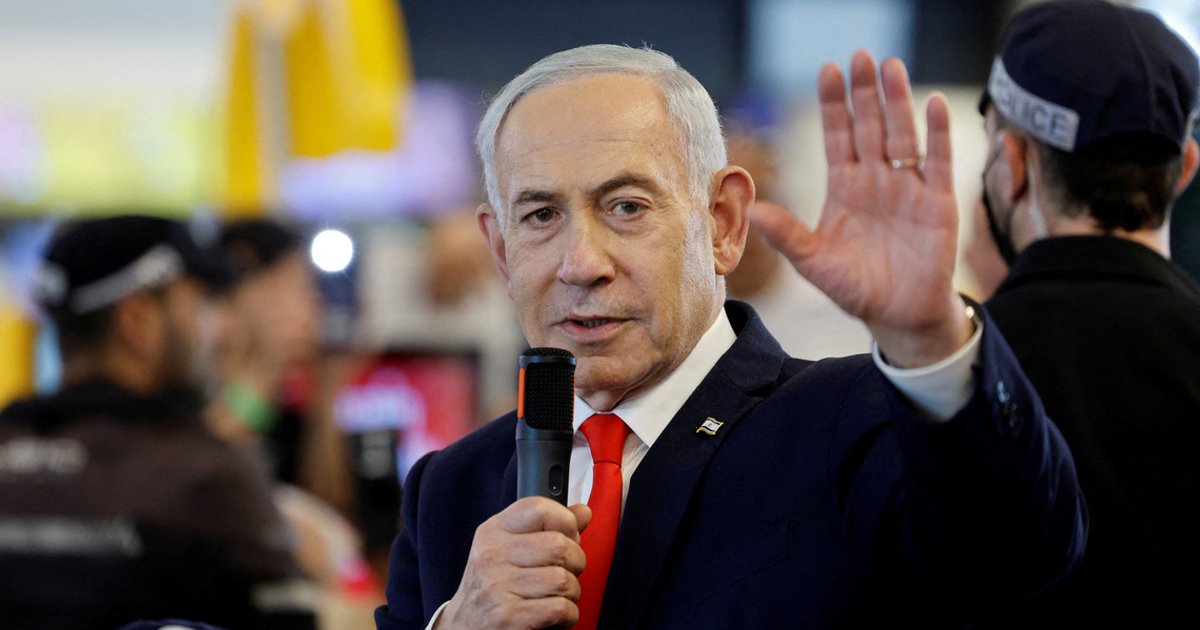
The first is the pro-Netanyahu coalition, led by Prime Minister Benjamin Netanyahu’s Likud party and joined by several far-right and ultra-Orthodox parties.
asserted
first → lead → parties
These include United Torah Judaism (UTJ) and Shas – both conservative religious parties – and Otzma Yehudi and Religious Zionism-Zehut, led respectively by far-right ministers Itamar Ben-Gvir and Bezalel Smotrich.
asserted
These → include → Gvir
The main opposition coalition comprises four Jewish-led opposition movements – the Yashar party, led by former Israeli military chief Gadi Eisenkot, the Democrats, led by former deputy military chief of staff Yair Golan, the Yisrael Beiteinu party, led by former Finance Minister Avigdor Lieberman and the Together alliance, led by former Prime Minister Naftali Bennett and joined by Knesset opposition leader Yair Lapid.
asserted
coalition → comprise → Lapid
The latest opinion polls published before a ban on new surveys took effect on Friday showed that neither bloc was on course to secure a parliamentary majority of 61 seats.
asserted
bloc → publish → seats
A poll by public broadcaster KAN projected that the opposition alliance would win 52 of the Knesset’s 120 seats, compared with 50 for Netanyahu’s bloc, with the remaining seats going to unaffiliated parties, including the country’s two main Arab-majority political lists – Ra’am, also called the United Arab List, and the Joint List, an alliance of Hadash, Balad and Ta’al parties.
asserted
seats → project → parties
However, both the pro-Netanyahu and anti-Netanyahu blocs have effectively ruled out joining forces with the Arab-led parties for now.
asserted
blocs → rule → parties
The fractured landscape means Israeli parties could be in for tough post-election negotiations to cobble together a governing majority.
uncertain
parties → mean → majority
If those efforts fail, Israel could end up with a minority government reliant on support from parties outside the governing coalition – or potentially head to another round of elections.
uncertain
Israel → fail → elections
Israelis are grappling with a series of domestic and international crises this election cycle.
asserted
Israelis → grapple → crises
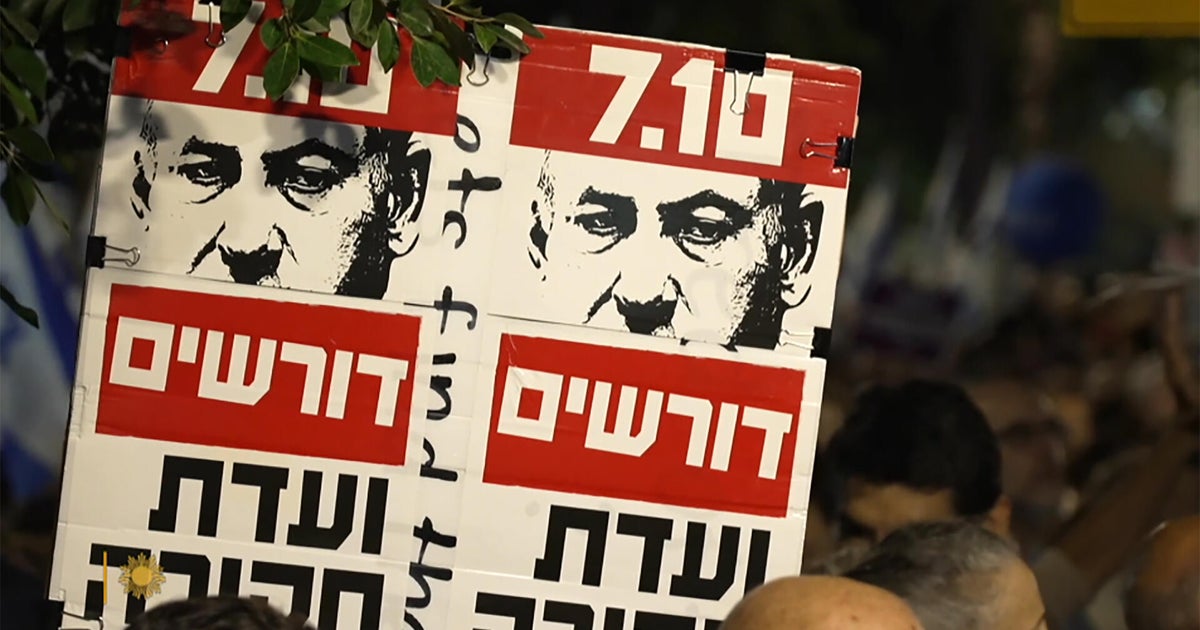
On the domestic front, there is growing demand for accountability for reported security failures, including those leading up to the October 2023 attacks, anger over the growing ultra-Orthodox community’s military exemption and concern over Netanyahu’s repeated efforts to push judicial reforms that critics say undermine Israel’s liberal democratic order.
asserted
critics → be → order
“The secular and liberal opposition factions in Israel feel this election is the last chance to save Israeli democracy and restore the institutions that have eroded over Netanyahu’s successive terms,” Mairav Zonszein, an Israeli-American commentator who is a senior analyst at the International Crisis Group, told Al Jazeera.
asserted
who → feel → Jazeera
A war-weary public is also weighing how Israel should proceed with its multiple military conflicts, with many voters seeking security and economic stability while remaining resistant to perceived concessions in Gaza, the occupied West Bank and Lebanon.
asserted
voters → weigh → Gaza
What makes this election so important?
asserted
election → make → ?
It is Israel’s first election since the October 2023 attacks and comes amid a surge in far-right attitudes and growing divisions over the direction of the country.
“Strains of Israeli society had always been given to violence and right-wing rhetoric, but the trends that had always been present had accelerated under the current government,” prominent Israeli sociologist Yehouda Shenhav-Shahrabani told Al Jazeera.
asserted
Shahrabani → come → Jazeera
The election also comes as Israel’s international standing has deteriorated, with a host of Israel’s allies sanctioning its illegal settlements in the occupied West Bank, and many other nations denouncing the country’s continued attacks in Gaza and Lebanon.
asserted
nations → come → Gaza
When Netanyahu addressed the United Nations General Assembly on September 24, dozens of envoys from around the world walked out, some jeering and booing.
asserted
some → address → world
The outcome of the upcoming vote could determine whether Israel’s next government maintains its approach to the international community or seeks to repair ties.
uncertain
government → determine → ties
What does it mean for Netanyahu’s political future?
asserted
it → mean → future
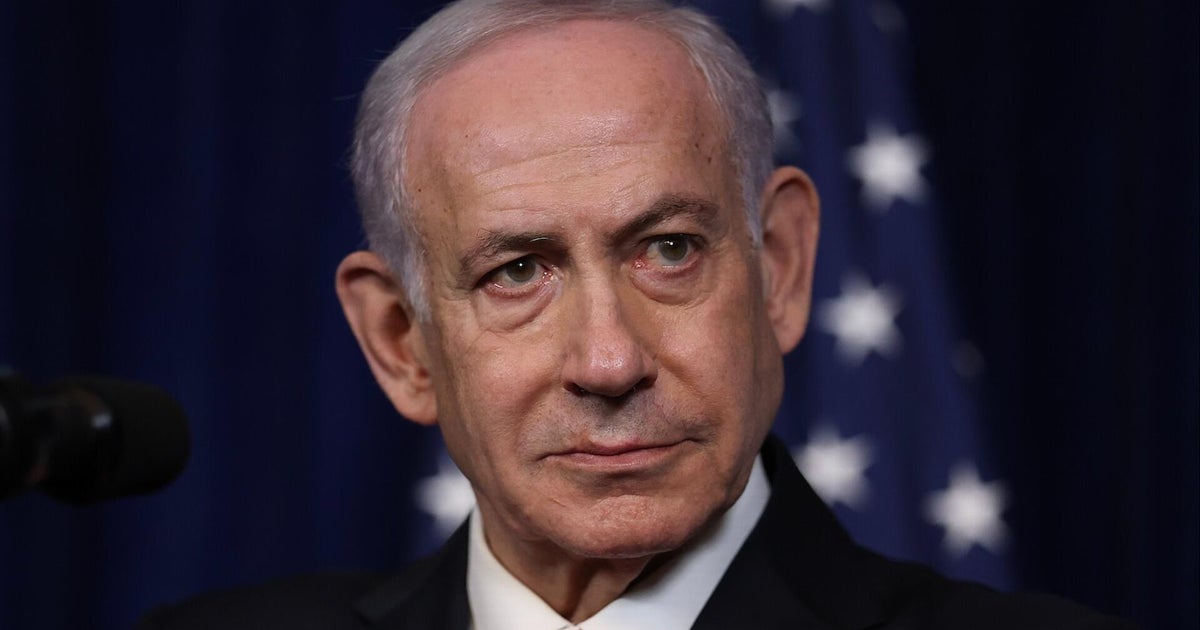
Netanyahu, Israel’s longest-serving prime minister who has led the country for more than 15 of the last 17 years, and a total of 19, faces growing scrutiny at home and abroad over alleged security failures leading up to the October 7 attack, as well as corruption charges he has been battling since 2019.
asserted
he → serve → 2019
An electoral defeat would also leave Netanyahu more exposed to his ongoing corruption trial, which could ultimately result in a prison sentence if he is convicted.
uncertain
he → leave → sentence
A new government could also affect the prospects of a potential commission of inquiry into the October 2023 attacks and Netanyahu’s political standing as he faces an arrest warrant for war crimes issued by the International Criminal Court.
uncertain
he → affect → Court
About 7.3 million Israeli citizens are eligible to vote in Tuesday’s election, including Palestinian citizens of Israel, who number about 1.2 million.
asserted
who → vote → million
Meanwhile, roughly three million adult Palestinians in Gaza, the occupied West Bank and occupied East Jerusalem have no say in the government that controls their borders, movement and legal status.
asserted
that → occupy → borders
Recent polling suggested that the turnout among the Palestinian citizens of Israel could reach 60 percent, with the majority of the votes expected to go the Arab lists, which are the principal representatives of Palestinian citizens of Israel.
uncertain
which → suggest → Israel
If turnout reaches 65 percent, these parties could potentially win as many as 15 seats in the Knesset.
uncertain
parties → reach → Knesset
Campaigners are aiming for 70 percent turnout, which would be the highest in decades and raise the threshold, keeping smaller parties out of parliament.
asserted
which → aim → parliament
Last month, Israel’s Central Elections Committee voted to bar the Joint List and Ra’am from the election.
asserted
Committee → vote → election
Israel’s top court quickly reversed that decision, enabling the Arab parties to stay in the race.
asserted
court → reverse → race
However, the court did force Balad leader Sami Abu Shehadeh to withdraw from the race over an article in which he described the October 7 attacks as “an important historical event”.
asserted
he → force → event
The role of Arab parties is going to be significant.
asserted
role → go → parties
Both major coalitions have ruled out joining forces with them for now, but without them, neither coalition might be able to form a majority.
uncertain
coalition → rule → majority
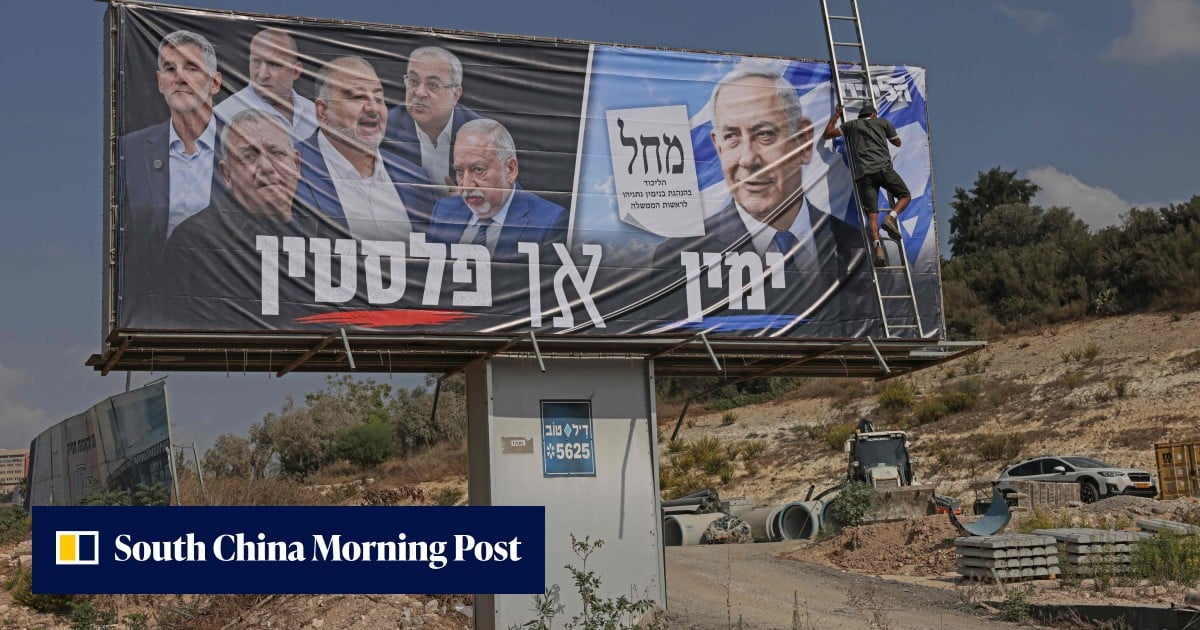
Netanyahu has repeatedly sought to portray his opponents as potential partners of the Arab parties, claiming that an opposition-led government will seek their support and that only his Likud party can prevent this.
asserted
party → seek → this
Joseph Mansour, a former aide to Israeli Knesset member Ayman Odeh, said politically alienating Arab parties is part of Netanyahu’s political strategy, which could allow him to remain in office as a caretaker prime minister if neither coalition forms a majority.
uncertain
coalition → say → majority
“If Palestinian-led party support becomes politically toxic and the opposition falls short of 61 seats, the deadlock itself becomes the latest win for Netanyahu,” wrote Mansour for the Arab Center Washington DC.
asserted
Mansour → lead → Center
 The Aporia