Claims extracted
15
sentences that state something as happening or true
Uncertain
13%
2 of 15 hedged
("reportedly", "may", "according to")
Leaning
Leans left
of the writing, not the subject · beta estimate
Publisher signals
66/100
New York Post's corrections and
hedging, across everything collected from it. Not a measure of accuracy.
Outlets on this story
22
Politics
Same framing elsewhere
1
articles that frame the event the way this one does
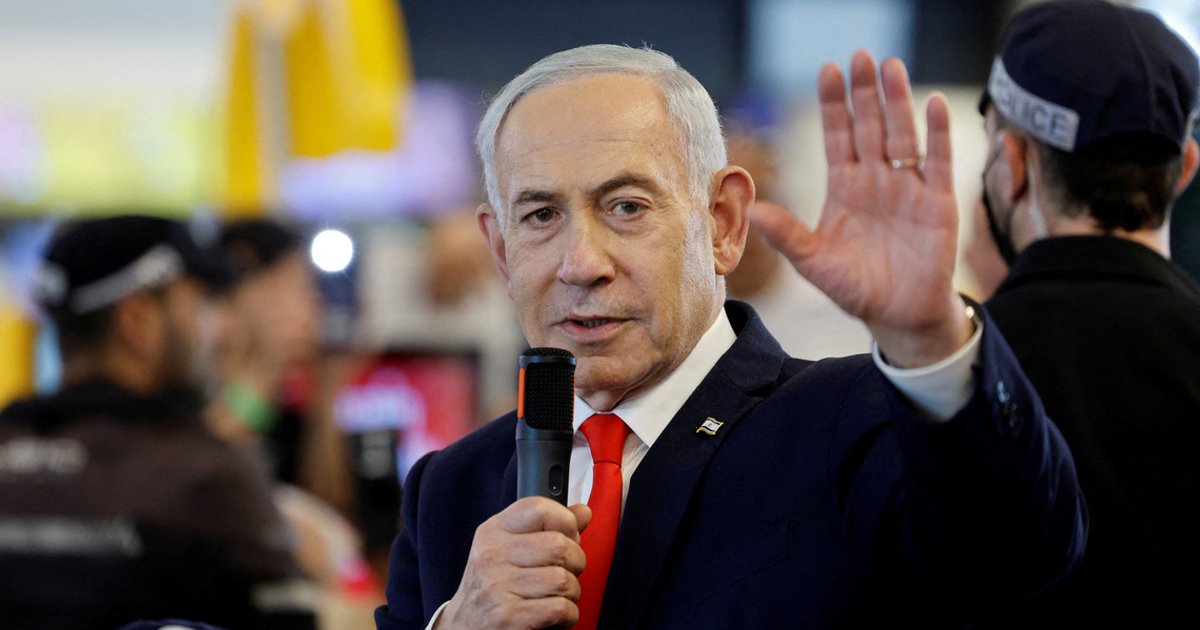
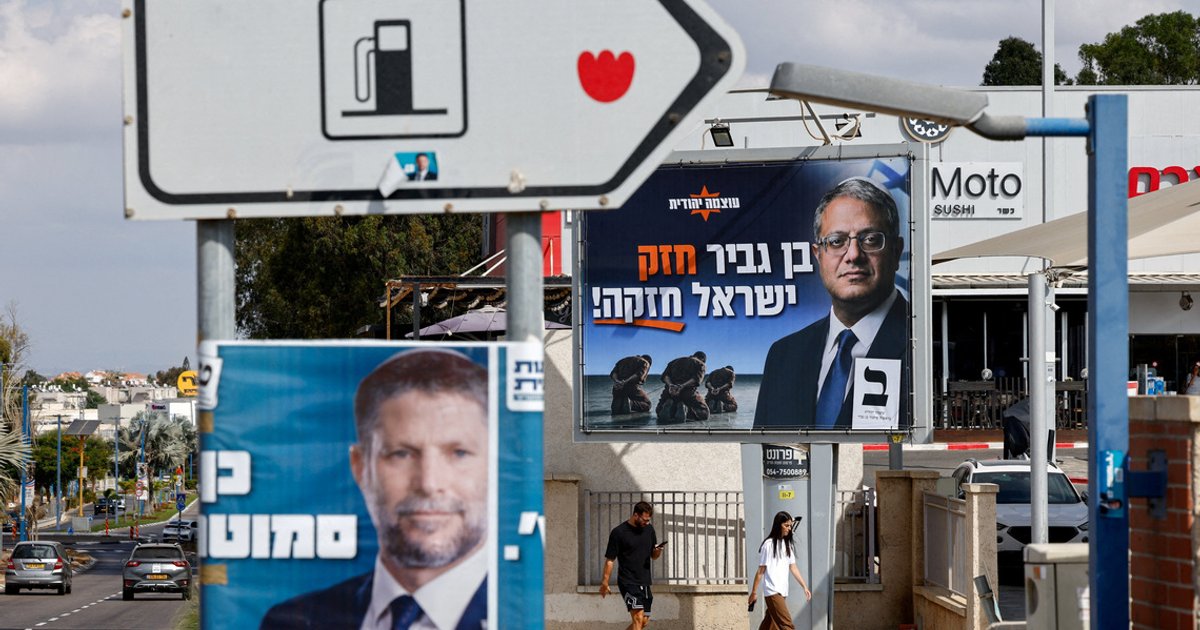
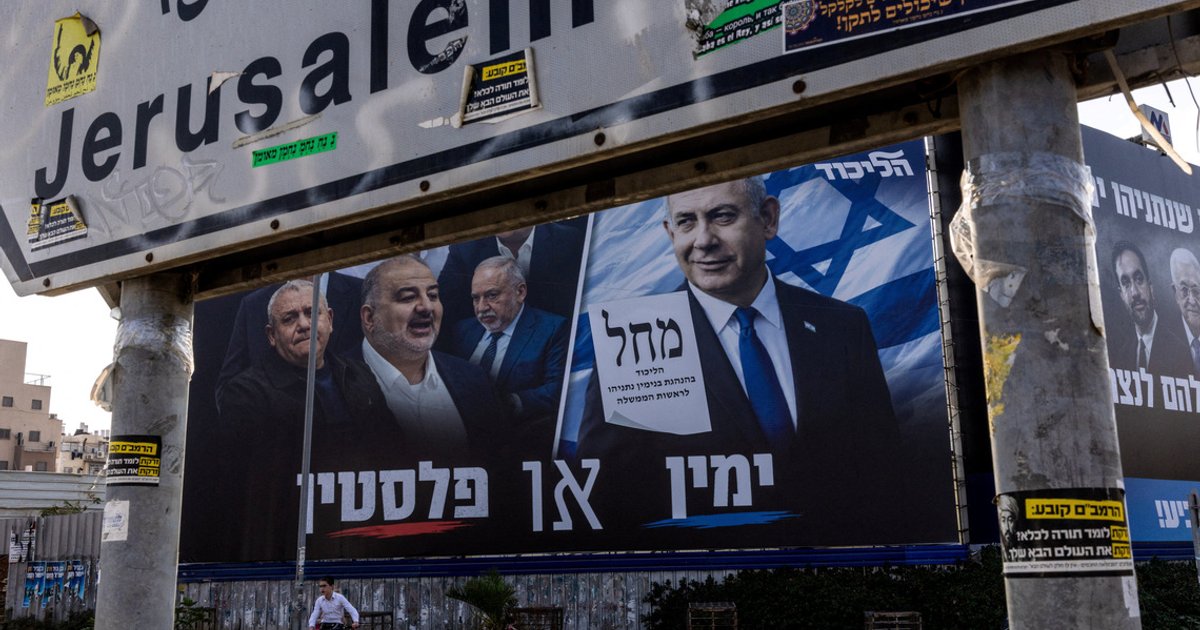
Israeli-Arabs could sway the balance of power in Israel’s general elections next week as the country’s two major parties are predicted to fall short of a majority in the Knesset.
uncertain
parties → sway → Knesset
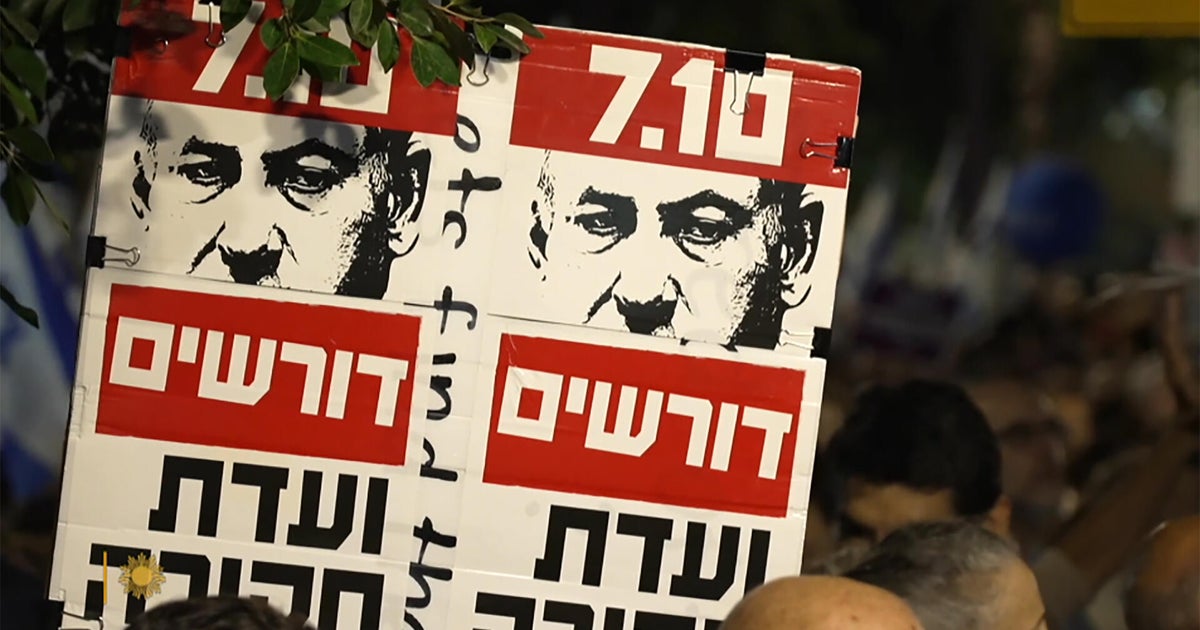
Nearly all of Israel’s polls ahead of Tuesday’s election indicate that the parties aligned with Prime Minister Benjamin Netanyahu and opposition leader Gadi Eisenkot each get around 50 of Knesset’s 120 seats, falling short of the 61 needed to form a government.
asserted
parties → indicate → government
The outcome would force both leaders to curry favor with the smaller parties in government to win.
asserted
outcome → force → government
A big question remains whether the opposition will work with Joint Arab List and the United Arab List, which are predicted to get at least 13 seats.
asserted
which → remain → seats
Eisenkot, a former Israel Defense Forces chief, and other opposition parties have said they will not form alliances with the Arabs.
asserted
they → say → Arabs
Israel’s Arab minority — who make up 20% of the population — are expected to have a high turn out in the polls to send a message to Netanyahu and lawmakers about the needs of their community, Thair Abu Ras, a researcher at the Van Leer Jerusalem Institute, said Thursday during a Brookings Institute discussion on the election.
asserted
Ras → make → election
Unlike the 5.5 million Palestinians in the West Bank or Gaza Strip, the 2.1 million Israeli Arabs have full citizenship of the Jewish state and are governed by the Knesset.
asserted
Arabs → have → Knesset
While the Arab parties have typically avoided coalition politics to avoid associating themselves with leadership occupying Gaza and the West Bank, Abu Ras said the parties are now looking to play ball with Eisenkot’s Change coalition under an “ad-hoc cooperation” policy.
asserted
parties → avoid → policy
“So ad-hoc cooperation is basically to work with the Eisenkot coalition, the Change coalition, on a number of issues that they’re generally in agreement with them on,” Abu Ras explained.
asserted
Ras → work → them
This would include fighting Netanyahu’s judicial reform to reduce the power of the country’s Supreme Court, and establishing term limits for lawmakers that would prevent the prime minister — who has been in and out of power since 2009 — from staying in government.
asserted
who → include → government
The parties would also likely push Israeli lawmakers to address the rise in organized crime and violence in Arab-majority neighborhoods, which they claim has long-been ignored.
uncertain
they → push → neighborhoods
The push for the Arab parties’ active involvement comes after nearly every single member of the opposition parties, including Eisenkot’s Yashar party, rejected any form of cooperation with the minority group.
asserted
member → come → group
Dahlia Scheindlin, a pollster and senior analyst at the Haaretz newspaper, said relations with Israeli-Arabs reached an all-time low after the Oct. 7, 2023, terrorist attacks — despite Israeli Arabs also being victims of Hamas.
asserted
Arabs → say → Hamas
Despite his vow, Scheindlin predicted that Eisenkot will have to go back on his word and make a deal with the Arab parties if he wants to defeat Netanyahu.
asserted
he → predict → Netanyahu
“Everybody expects these parties to break their promises,” Scheindlin said, citing polls where the majority of respondents believed Eisenkot will team up with the Arab parties.
asserted
Eisenkot → expect → parties
 The Aporia