The Aporia

Lubell, M., & Saunders, E. (2026, October 26). Israel's general election candidates explained as Netanyahu fights for political survival. The Independent. https://www.independent.co.uk/news/world/middle-east/israel-candidates-netanyahu-eisenkot-bennett-b3073340.html
Lubell, Maayan, and Emmeline Saunders. “Israel's general election candidates explained as Netanyahu fights for political survival.” The Independent, 26 Oct. 2026, https://www.independent.co.uk/news/world/middle-east/israel-candidates-netanyahu-eisenkot-bennett-b3073340.html.
Lubell, Maayan, and Emmeline Saunders. “Israel's general election candidates explained as Netanyahu fights for political survival.” The Independent, October 26, 2026. https://www.independent.co.uk/news/world/middle-east/israel-candidates-netanyahu-eisenkot-bennett-b3073340.html.
Dated from the outlet's own feed. Check the original for its byline.
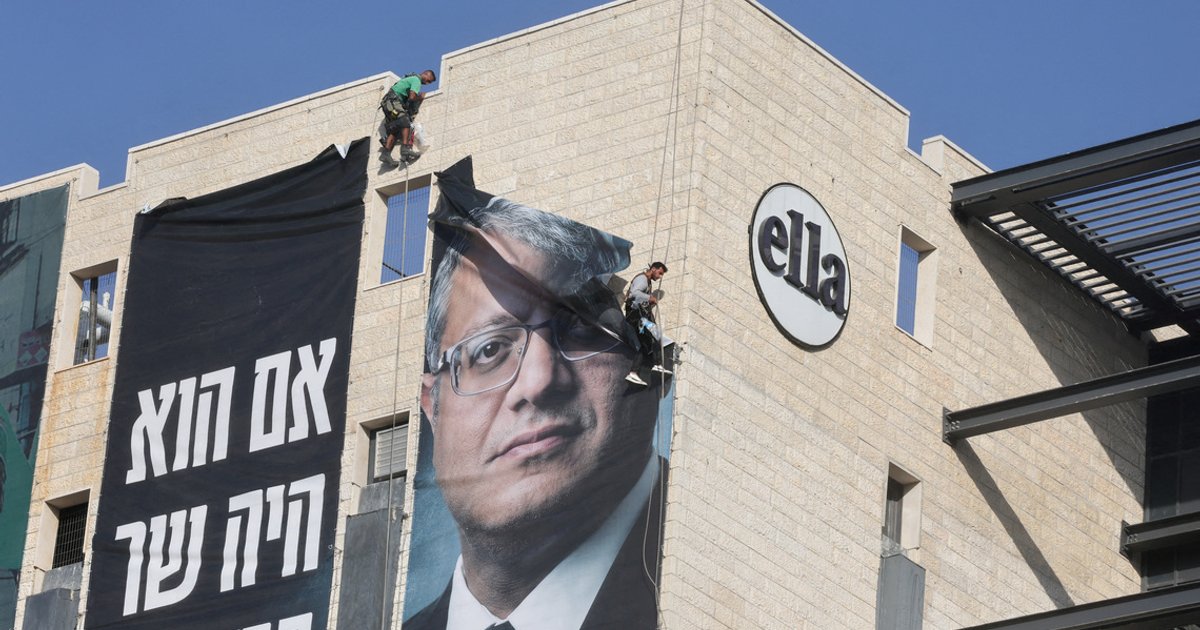
Tens of thousands of Israelis have rallied against Prime Minister Benjamin Netanyahu ahead of the general election scheduled for October 27, marking what many see as the most pivotal vote in the country's history. The primary issue driving this opposition is Netanyahu’s failure to prevent the Hamas-led attack on October 7, 2023, which killed at least 1,195 people and plunged Israel into a series of conflicts.
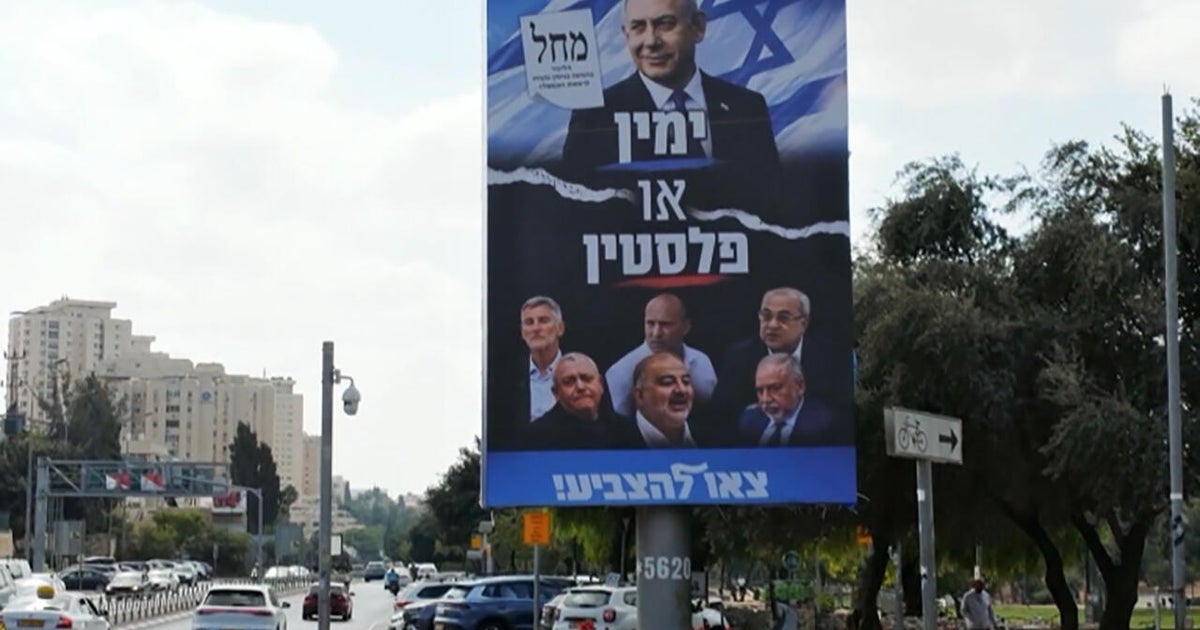
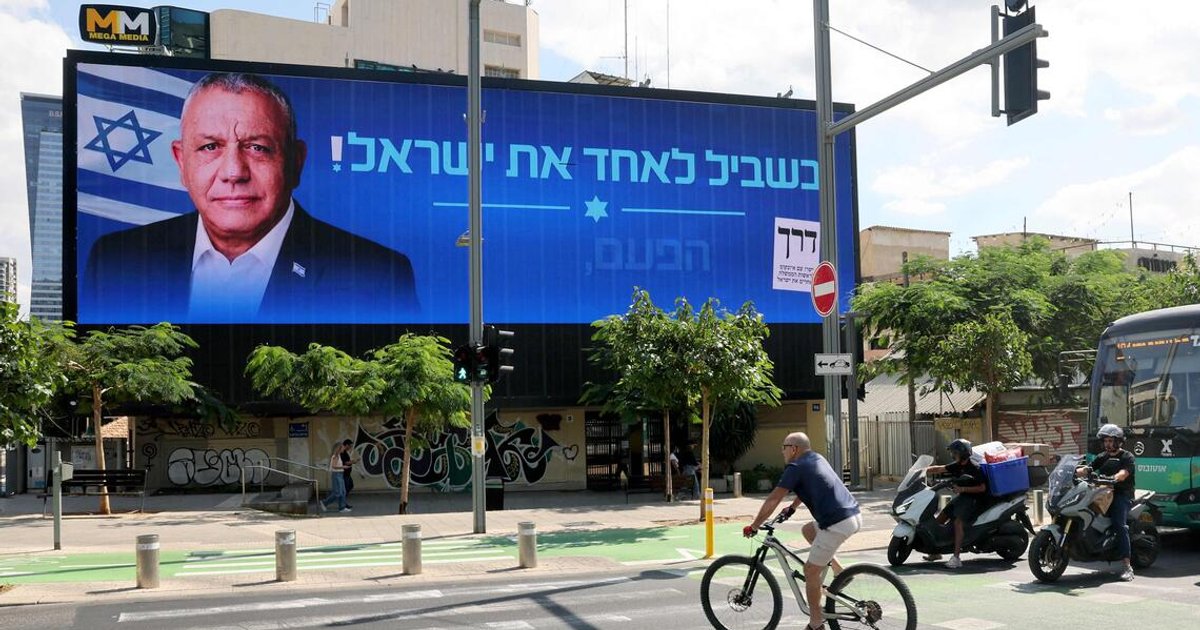
Netanyahu faces significant challenges from the center-right opposition led by former military chief Gadi Eisenkot. While Netanyahu retains support among some voters for his hawkish stance against Iran and Hamas, others see him as responsible for security failures and are seeking change. Polls indicate that neither Netanyahu's coalition nor the opposition is likely to secure a majority in the Knesset, forcing both sides to seek alliances with smaller parties.
A critical factor could be Israel’s Arab minority community, which constitutes about 20% of the population. High turnout among this group could influence the election outcome and force the main contenders to form unlikely coalitions, potentially breaking previous political promises.
The election also highlights internal debates over issues such as military exemptions for ultra-Orthodox men and Netanyahu's attempts to overhaul Israel’s judiciary system. Despite ongoing conflicts with Iran, Lebanon, and Gaza, these domestic policy questions have dominated the campaign narrative rather than discussions about the conduct of recent wars or future strategies in the Middle East.
Overall, the upcoming election is seen not only as a vote on security but also on broader issues of governance, societal values, and Netanyahu's leadership. The outcome could significantly reshape Israel’s political landscape and its approach to both domestic policies and regional conflicts.
Netanyahu - known as ‘Bibi’ - still enjoys the support of America’s president Donald Trump, with the two leading on the conflict against joint enemy Iran.
But, wanted by the International Criminal Court over alleged war crimes in Gaza which he rejects and on trial in Israel on corruption charges which he denies, he is fighting for his political life.
His government's policies on matters of religion and state have also been unpopular among many Israelis.