Israel's election carries implications for its relations with the United States, its regional security policy and its international standing.
asserted
election → carry → States
The country's alliance with Washington faces pressure amid the conflict involving Iran and continuing disagreements over the wars in the region.
asserted
alliance → face → region
US President Donald Trump has publicly backed Netanyahu, making the election relevant to American political debate as well.
asserted
election → back → debate
Israel has also faced mounting international criticism over its military campaign in Gaza, while Netanyahu is subject to an International Criminal Court arrest warrant issued in 2024 over alleged war crimes and crimes against humanity.
asserted
Netanyahu → face → humanity
The next government will face the challenge of managing security threats while navigating strained diplomatic relationships.
asserted
government → face → relationships
Voting began across Israel as 7,331,981 registered voters headed to polling stations to elect members of the Knesset.
asserted
voters → begin → Knesset
Polling is scheduled to close at 10 pm local time.
asserted
Polling → schedule → pm
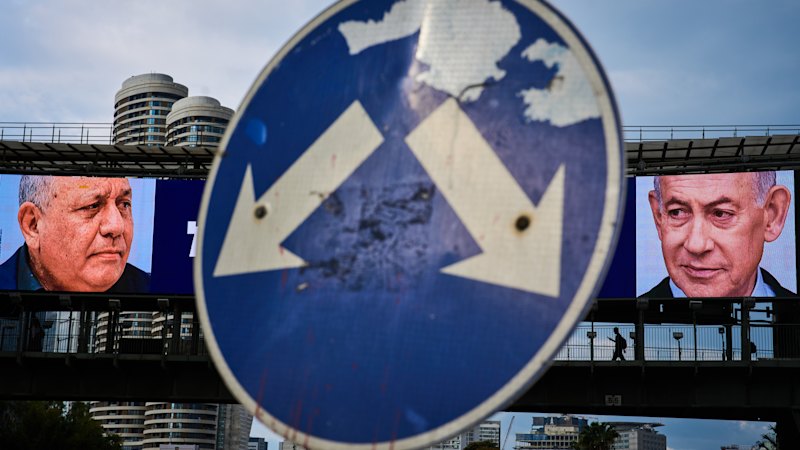
Ahead of the vote, former Israel Defence Forces (IDF) chief of staff Gadi Eisenkot, a key challenger to Prime Minister Benjamin Netanyahu, invoked the October 7, 2023, Hamas attack while urging voters to back his Yashar party.
asserted
Eisenkot → invoke → party
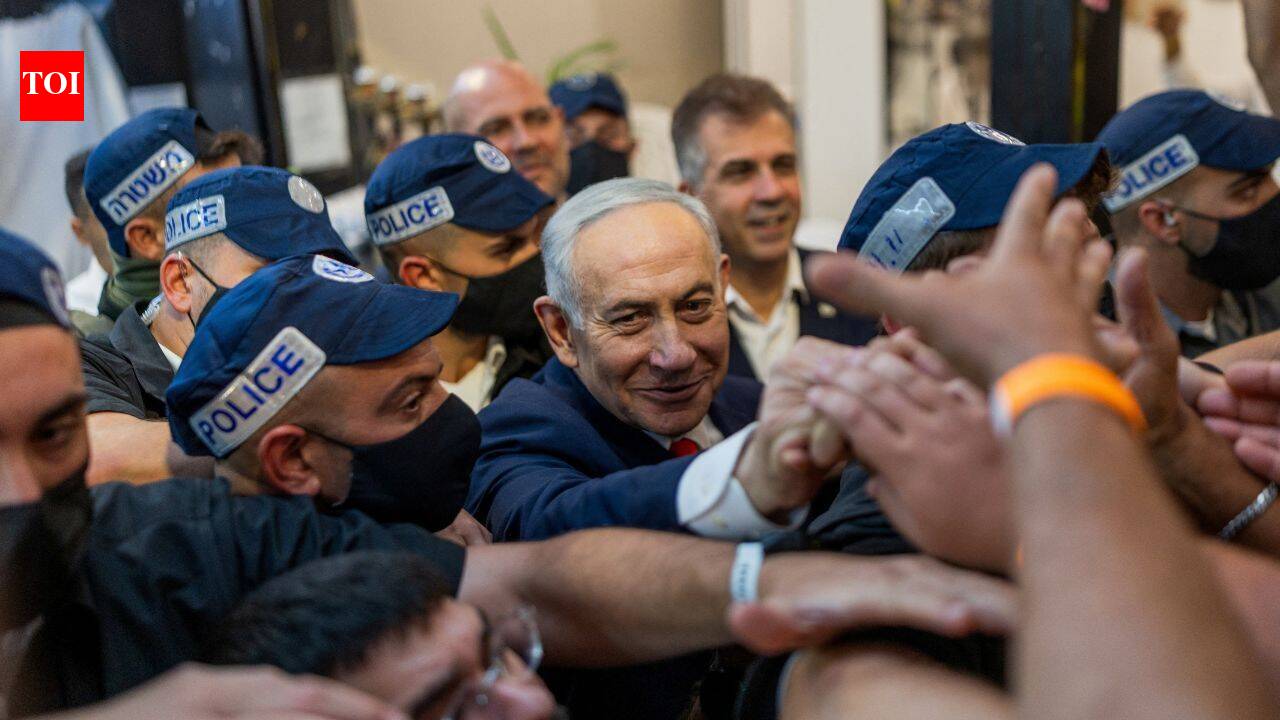
Meanwhile, Netanyahu projected a strongman image as he sought another term in office.
asserted
he → project → office
Despite the devastating impact of the Gaza war and growing international scrutiny of Israel's treatment of Palestinians, the Palestinian issue has received limited attention in Israel's election campaign.
asserted
issue → grow → campaign
Most major contenders have not advocated reviving the long-stalled peace process or establishing a Palestinian state in the foreseeable future.
asserted
contenders → advocate → future
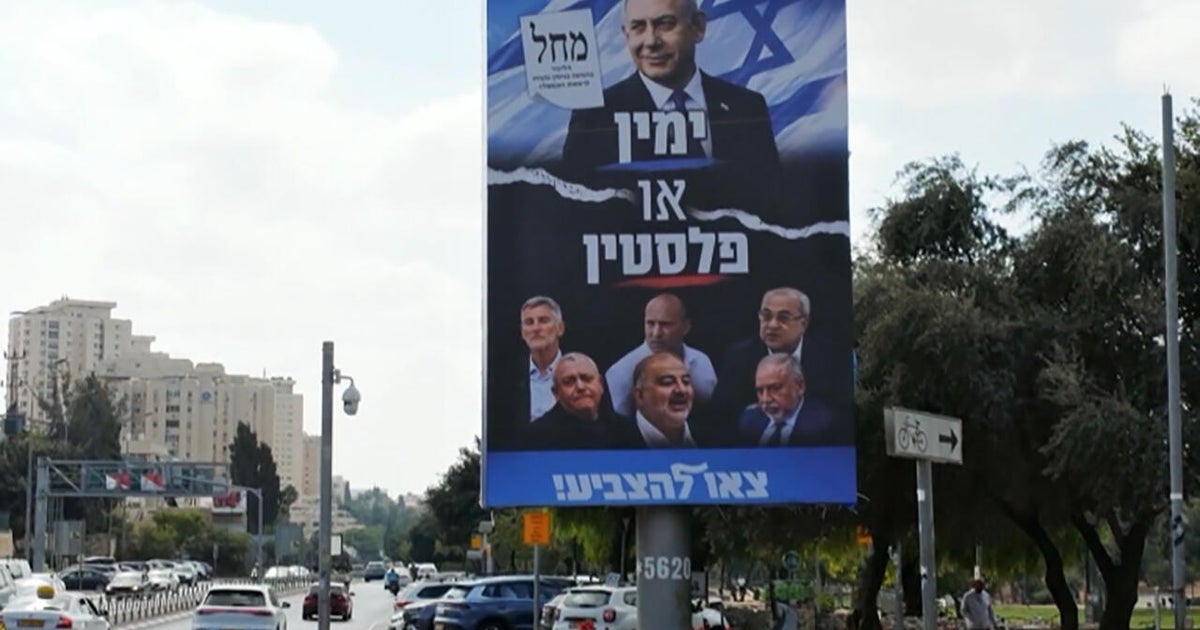
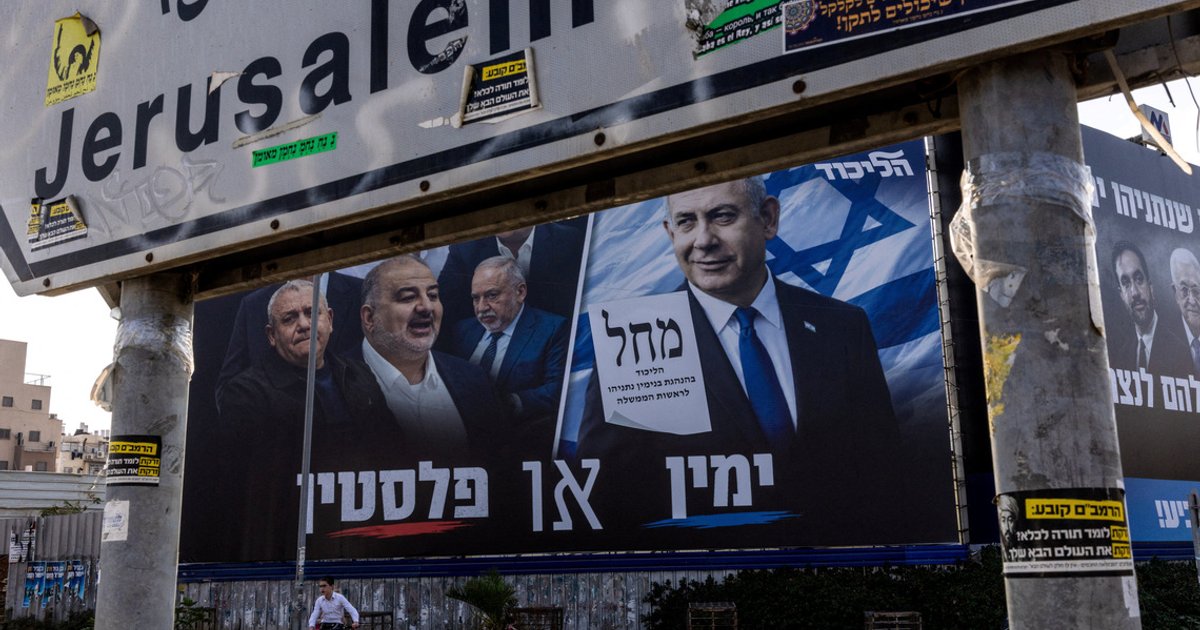
Netanyahu has sought to frame the election around security and opposition to Palestinian statehood, while his rivals have criticised aspects of his leadership and raised concerns about settler violence in the occupied West Bank.
asserted
rivals → seek → Bank
Arab party leader Mansour Abbas has focused largely on crime and security in Arab communities, while positioning his party as a potential coalition partner.
asserted
Abbas → focus → partner
More than 30 parties are contesting Israel's parliamentary election, but only a smaller group is expected to secure seats in the 120-member Knesset.
asserted
group → contest → Knesset
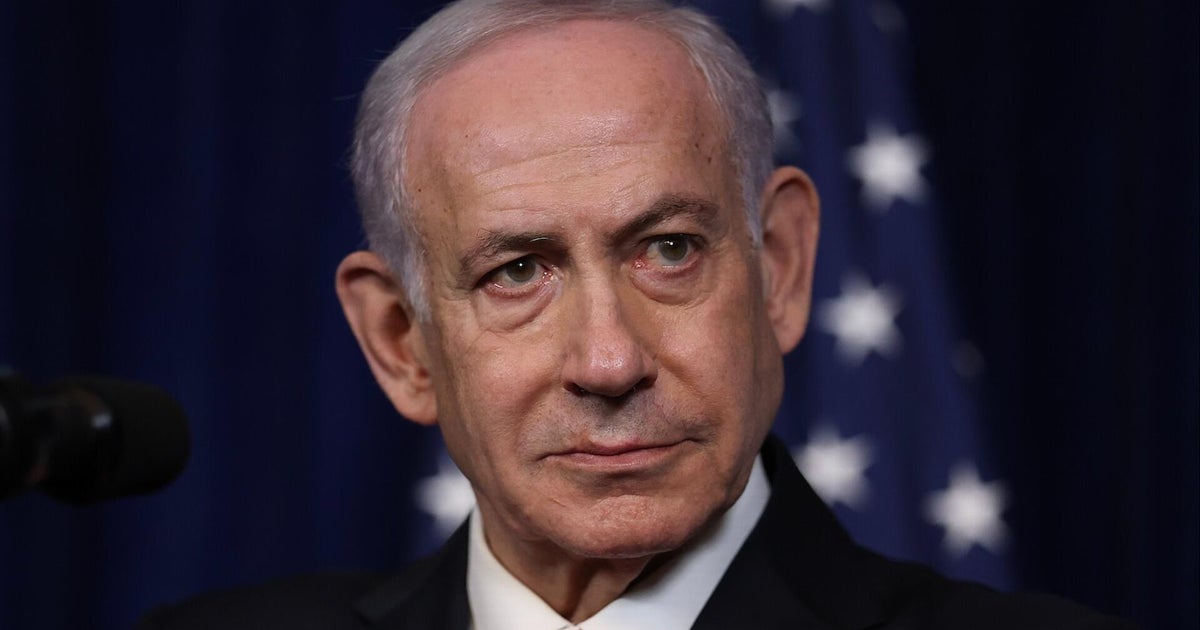
Prime Minister Benjamin Netanyahu leads the right-wing Likud party, while former military chief Gadi Eisenkot heads the centrist Yashar party.
asserted
Eisenkot → lead → party
Former prime minister Naftali Bennett is contesting the election alongside Yair Lapid's political camp.
asserted
Bennett → contest → camp
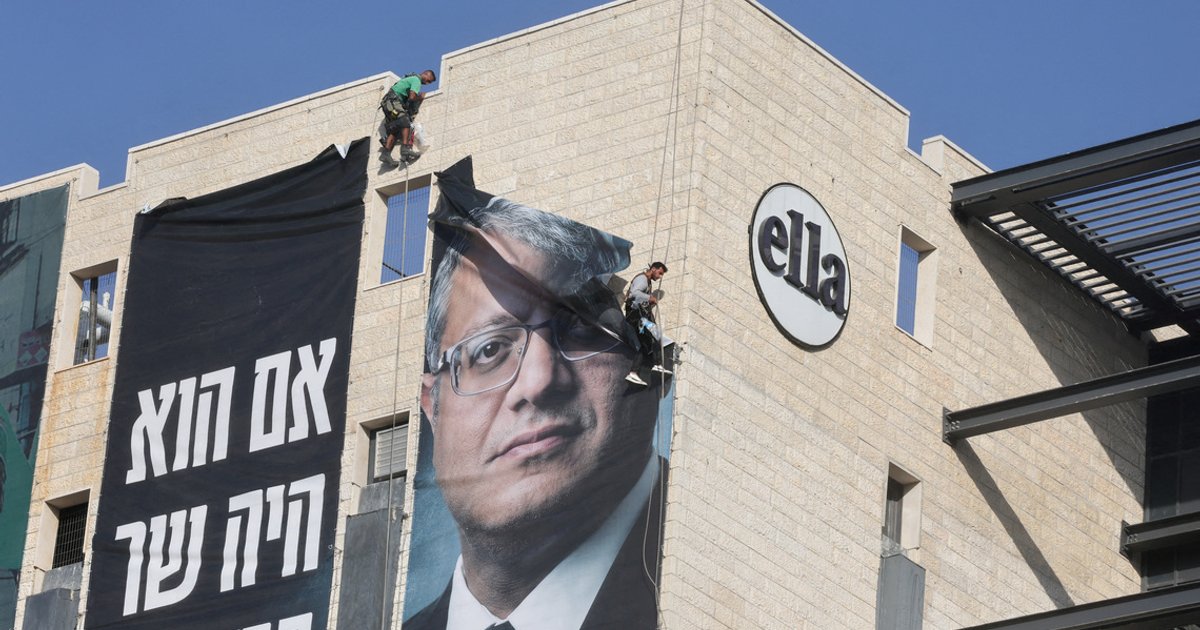
Other prominent figures include far-right National Security Minister Itamar Ben-Gvir, centre-left leader Yair Golan and Arab party leader Mansour Abbas.
asserted
figures → include → Gvir
Their performances, alliances and willingness to cooperate could prove decisive in determining who can assemble the 61 lawmakers needed to form a government.
uncertain
who → cooperate → government
The question of military service has emerged as a significant issue in Israel's election, as the country faces prolonged security demands and continuing regional tensions.
asserted
country → emerge → demands
Netanyahu's governing coalitions have relied on ultra-Orthodox parties that seek exemptions from compulsory military service for young men studying in religious institutions.
asserted
that → govern → institutions
The arrangement has drawn criticism from Israelis who believe the burden of military duty should be shared more equally.
asserted
burden → draw → duty
Opposition leader Gadi Eisenkot has pledged to end the exemptions.
asserted
Eisenkot → pledge → exemptions
The issue could also shape post-election coalition negotiations, with religious parties potentially holding the balance of power in a closely divided Knesset.
uncertain
parties → shape → Knesset
The October 7, 2023, Hamas-led attack continues to shape Israel's political debate as voters head to the polls.
asserted
voters → lead → polls
The assault killed around 1,200 people in Israel and saw 251 others abducted, triggering the war in Gaza and wider regional conflict.
asserted
others → kill → Gaza
Security failures surrounding the attack have become a major point of contention, with Netanyahu facing criticism over accountability and his resistance to calls for a commission of inquiry.
asserted
Netanyahu → surround → inquiry
According to the Israel Democracy Institute, around 68% of Jewish Israelis consider their attitudes towards October 7 a central factor in deciding which party to support.
uncertain
attitudes → accord → party
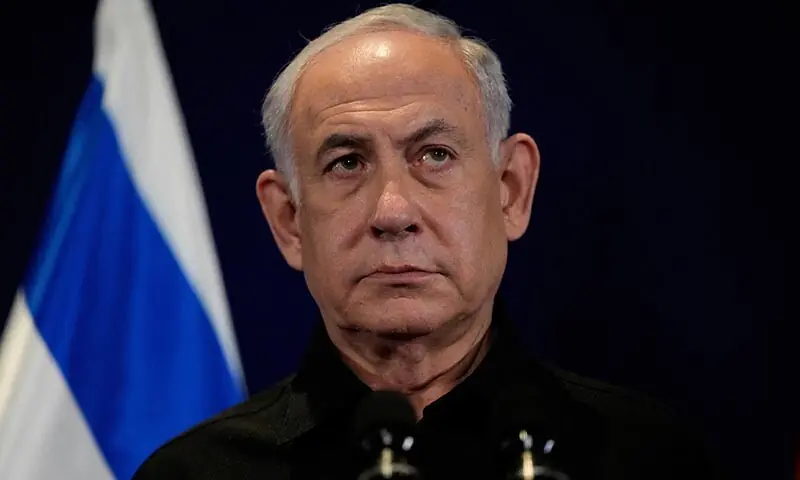
Israel's parliamentary election is widely seen as a test of Prime Minister Benjamin Netanyahu's leadership, with his handling of the October 7, 2023, Hamas attack and the wars that followed at the centre of the campaign.
asserted
that → see → campaign
Netanyahu faces a challenge from opposition leader Gadi Eisenkot, a former military chief, amid public debate over security failures, military-service exemptions for ultra-Orthodox Jews and the government's policies.
asserted
Netanyahu → face → Jews
Polls suggest a close contest, with neither bloc assured of a parliamentary majority.
asserted
bloc → suggest → majority
The outcome could determine whether Netanyahu retains power or the opposition succeeds in forming a new government.
uncertain
opposition → determine → government
 The Aporia