
Israeli Election Results Uncertainty
21 outlets
Each outlet's article on this story, most articles first
- The Independent7profile
- Al Jazeera7profile
- CBS News5profile
- BBC5profile
- The Hindu4profile
- Daily Mail4profile
- ABC News (AU)3profile
- The Straits Times3profile
- Fox News3profile
- New York Post3profile
- Toronto Star2profile
- Euronews2profile
- Times of India2profile
- Sydney Morning Herald2profile
- Dawn2profile
- South China Morning Post2profile
- NPR1profile
- Global News1profile
- CBC1profile
- NBC News1profile
- The Guardian1profile
46 reporters
- Gergana KrastevaThe Independent
- Sambavi ParthasarathyThe Hindu
- Matthew DoranABC News (AU)
- Laura TingleABC News (AU)
- The Straits TimesThe Straits Times
- Al Jazeera StaffAl Jazeera
- James C. ReynoldsThe Independent
- Benjamin WeinthalFox News
- Matt GutmanCBS News
- Daniel EstrinNPR
- Lucy WilliamsonBBC
- The Associated PressToronto Star
- Stephen QuillenAl Jazeera
- Eliana SilverDaily Mail
- Simon OrmistonEuronews
- Ronny ReyesNew York Post
- Maayan LubellThe Independent
- Emmeline SaundersThe Independent
- Josef FedermanToronto Star
- Uday RanaGlobal News
- Dov LieberCBS News
- James LandaleBBC
- Amelie BotbolFox News
- Reuven FentonNew York Post
- Natalie Lisbona Middle East CorrespondentDaily Mail
- Abhishek MishraTimes of India
- Stanly JohnyThe Hindu
- AFPDawn
- Tom BennettBBC
- Suha KidwaiThe Independent
- Mohamad KadanAl Jazeera
- The Times Of IndiaTimes of India
- Associated PressSouth China Morning Post
- Gethin HicksDaily Mail
- Imogen GarfinkelDaily Mail
- Natalie LisbonaDaily Mail
- Maryam Zakir-HussainThe Independent
- Nathan RennoldsEuronews
- ReutersSouth China Morning Post
- Efrat LachterFox News
- David GrittenBBC
- NBC NewsNBC News
- AFP; APAl Jazeera
- Basel HindelehABC News (AU)
- Alisha Rahaman SarkarThe Independent
- Jonathan YerushalmyThe Guardian
By day
Articles per day
Cite
Israeli Election Results Uncertainty. (2026, October 28). The Aporia. https://the-aporia.com/event/102206
“Israeli Election Results Uncertainty.” The Aporia, 28 Oct. 2026, https://the-aporia.com/event/102206.
“Israeli Election Results Uncertainty.” The Aporia, October 28, 2026. https://the-aporia.com/event/102206.
Dated the day this page was built. The link always leads to this event, even after the stories are regrouped.
In Israel’s fragmented parliamentary politics, no single party has ever won an outright parliamentary majority, so political leaders must forge coalitions.
Summary AI · cited
Israelis are set to vote on October 27 in the first national elections since the deadly October 7 attacks, with polls suggesting Benjamin Netanyahu's current far-right coalition may not survive.1
Benjamin Netanyahu is facing a crucial test of his political future as voters weigh his leadership following the Hamas-led attack and subsequent wars in Gaza and with Iran, amid growing international isolation.2
Opinion polls point to a close contest between Netanyahu's Likud party and its right-wing allies against a rival alliance led by Gadi Eisenkot, a former military chief of staff who has attracted support from both right-wing and centrist voters.23
Voter turnout for the election was high at over 74%, according to Israel's Central Elections Committee, reflecting the stakes of an election that has been labelled the most important in the country’s history.45
Exit polls suggested no clear victor with both Netanyahu and his main rival Gadi Eisenkot falling short of a majority, leading to uncertainty about who will form the next government.45
Written by AI from articles by 5 outlets. Each sentence links to the articles it rests on, and was checked automatically: every name, number and quote must appear in the sentences it cites, or it is removed.
Sources cited (5)
- The key players in Israel’s first election since October 7 attacks as Netanyahu fights for his political life The Independent, 25 Oct
- Can Netanyahu survive another storm? Israel votes after Oct 7, Gaza and Iran wars Times of India, 27 Oct
- Israelis to decide Netanyahu’s fate in pivotal election today Dawn, 27 Oct
- Exit polls suggest no clear victor in Israeli election Euronews, 27 Oct
- Israel election results live: exit polls point to tie between Netanyahu and Eisenkot blocs The Guardian, 28 Oct
What happened
The outlets' own sentences, most widely reported first. Hover one for who reported it.
Unlike in Australia, where postal voting has become increasingly popular in recent elections, Israelis must vote in person on election day. (Only those serving their nation overseas, like diplomats and defence personnel, can vote in advance by mail.)
If neither manages to assemble a coalition in Israel's 120-member parliament, Netanyahu could remain in office as caretaker prime minister until another election is held next year.
Israel's Channel 13 news projected the opposition bloc would have the edge with 53 seats, with Netanyahu's bloc set to win around 50.
Netanyahu is also under an arrest warrant issued by the International Criminal Court (ICC) for suspected crimes against humanity and war crimes, and faces criticism from abroad for presiding over a rapid expansion of settlements in the West Bank.
Analysis
Agreed
AI · cited, from two or more outlets
- Voter turnout for the election was high at over 74%, according to Israel's Central Elections Committee.45
Quoted from the coverage (4)
The last polls to be published showed Netanyahu, Israel’s longest-serving prime minister, running neck and neck with his main centrist rival Gadi Eisenkot, a political novice and former military chief whose mild manner is seen as the antithesis of the incumbent.
The election is widely seen as a referendum on Netanyahu's leadership since the Hamas-led October 7 attacks of 2023, as well as the wars which have since shaken the Middle East.
The son of working-class Moroccan Jewish immigrants, Eisenkot would be the first prime minister of Middle Eastern or North African descent.
A record 74 per cent of Israelis turned out to vote on Tuesday, marking a high since records began in 1974
Disputed
Picked by our model, which is sometimes wrong
- Sources differ on the exact number of seats each bloc will have in Parliament. Euronews reported that the opposition bloc would have an edge with 53 seats, while Netanyahu's bloc would win around 50, but The Guardian stated both blocs were tied at 51 seats each.45
Eisenkot's defeat
neck and neck: Exit polls showed Eisenkot, a former military chief and political novice, and his opposition bloc neck and neck with Netanyahu’s hard-right camp and both well away from the threshold for a majority in parliament.
accept defeat: Mr Eisenkot rejected that prospect and called for the prime minister to accept defeat.
Show 1 more
Warning relayed
ignored threat: News stories have repeatedly documented instances where Mr Netanyahu was personally told of a looming threat from Hamas, threats he both ignored and did not pass on.
passed warning: What kind of earthquake was unclear, said Abu Zaida, but he insists he relayed the warning to Israeli intelligence.
Framing
How the first headlines put it
- The Independent focuses on the key players and Netanyahu's political survival, while Euronews emphasizes exit polls suggesting no clear victor in the election.14
- Times of India highlights Netanyahu facing a storm after multiple wars, whereas The Guardian presents the results as a tie between Netanyahu and Eisenkot blocs.25
Words to watch (1)
Israel’s furious Arab parties could oust Netanyahu — if the opposition will break an election promise
How it changed
- 23 Oct
Much of the election is centred around Benjamin Netanyahu, who is seeking another term after 18 years in power - but neither he nor the opposition has a clear path to a governing majority.
- 24 Oct
With Israel set to go the polls on Tuesday (October 27, 2026), Mr. Eisenkot’s year-old centrist party, Yashar (Hebrew for Straight), is projected to win 20 of 120 seats in parliament, putting it ahead of Mr. Netanyahu’s Likud.
- 25 Oct
To win, parties must form a coalition to control a majority in Israel's parliament.
- 26 Oct
Around 68% of Jewish Israelis say their attitudes toward Oct. 7 are a central factor in deciding which party to support, according to the Israel Democracy Institute, a Jerusalem think tank.
- 27 Oct
A record 74 per cent of Israelis turned out to vote on Tuesday, marking a high since records began in 1974
- 28 Oct
Eisenkot earlier warned Netanyahu not to use Israel's security for political purposes.
Coverage 61 articles
 28 Oct Netanyahu and rival each claim mandate after tight Israel election
The Hindu 28 Oct Israel election results live: exit polls point to tie between Netanyahu and Eisenkot blocs
The Guardian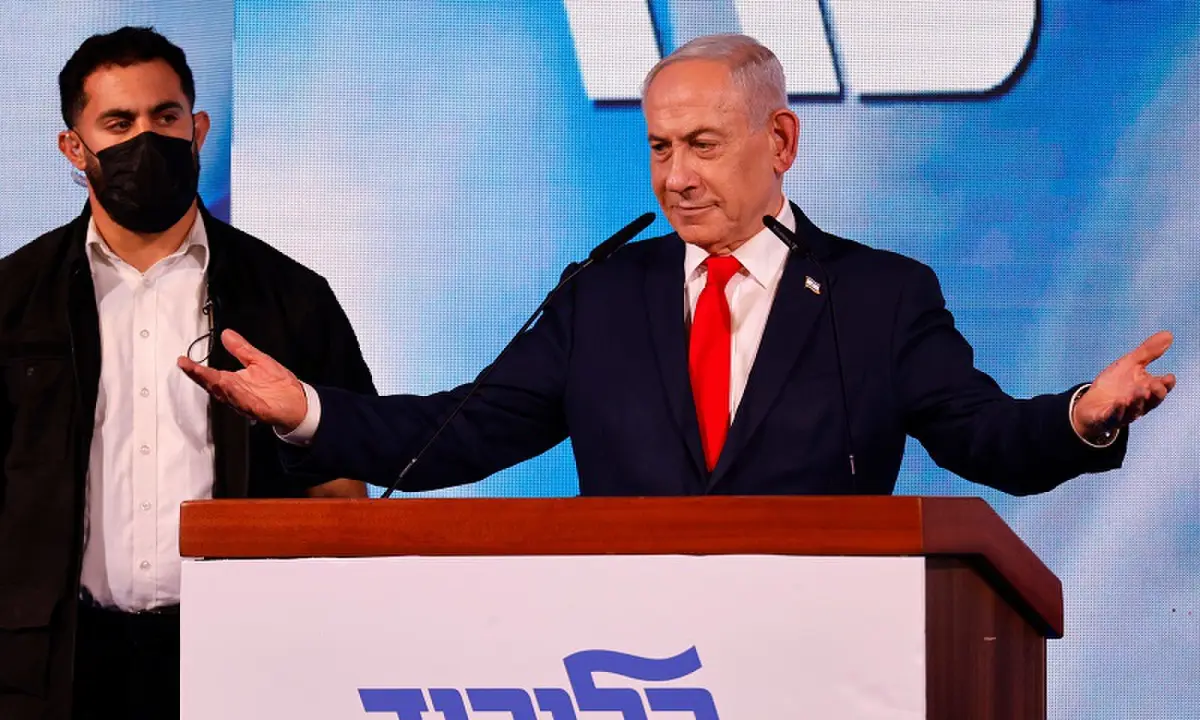 28 Oct Netanyahu and rival each claim mandate after tight Israel election
Dawn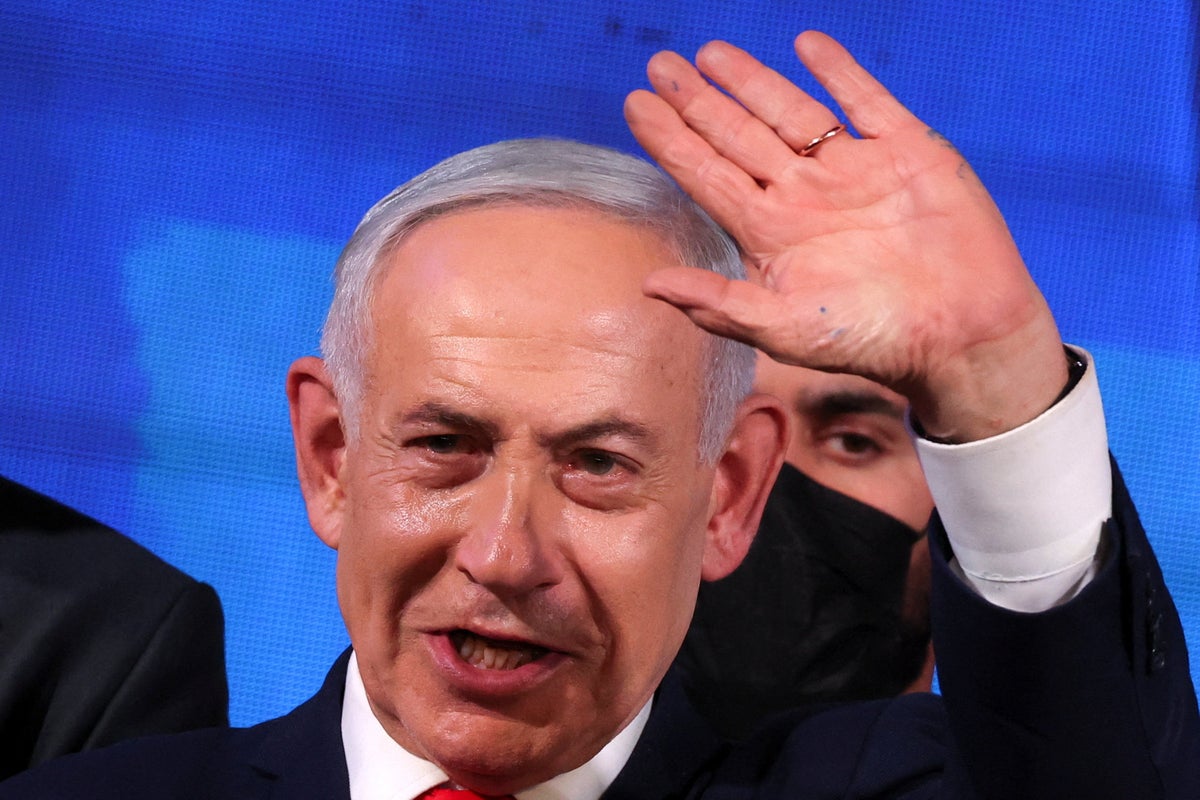 28 Oct Israel election results live: Netanyahu faces calls to quit as exit polls point to deadlock with Eisenkot bloc
The Independent28 Oct Netanyahu and opposition on equal footing in Israeli election with no clear winner
ABC News (AU)28 Oct Netanyahu, Eisenkot stake rival claims to lead Israel after deadlocked vote
The Straits Times 28 Oct Five key takeaways from Israel’s parliamentary elections
Al Jazeera28 Oct Netanyahu vows to form ‘strong’ new right-wing government
The Straits Times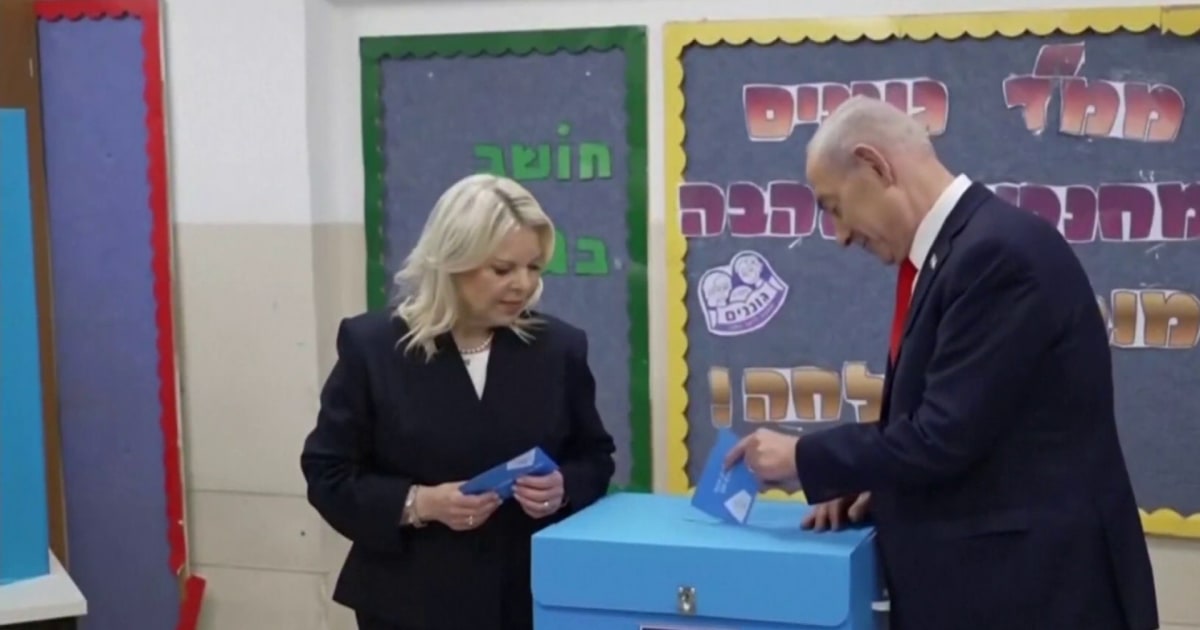 28 Oct Unclear outcome from high stakes Israeli election
NBC News 28 Oct Israeli exit polls suggest no clear winner in pivotal general election
BBC
Show all 61 articles
28 Oct Two ironies emerge out of Israel's deadlocked election
ABC News (AU) 28 Oct Exit polls trigger heated debate across Israeli political divide
Al Jazeera 28 Oct Arab parties could win 18 seats in Israeli elections, exit polls suggest
Al Jazeera 28 Oct Israel’s Eisenkot says country voted for change
Al Jazeera 27 Oct Netanyahu loses seats, trails challenger Gadi Eisenkot in Israel election, exit polls show — here’s what happens next
New York Post 27 Oct Israelis vote in record numbers in first national election since the Oct. 7 Hamas massacre
Fox News 27 Oct Israeli exit polls indicate deadlock in election
The Hindu 27 Oct Israel exit polls show election deadlock, with Netanyahu’s fate in balance
South China Morning Post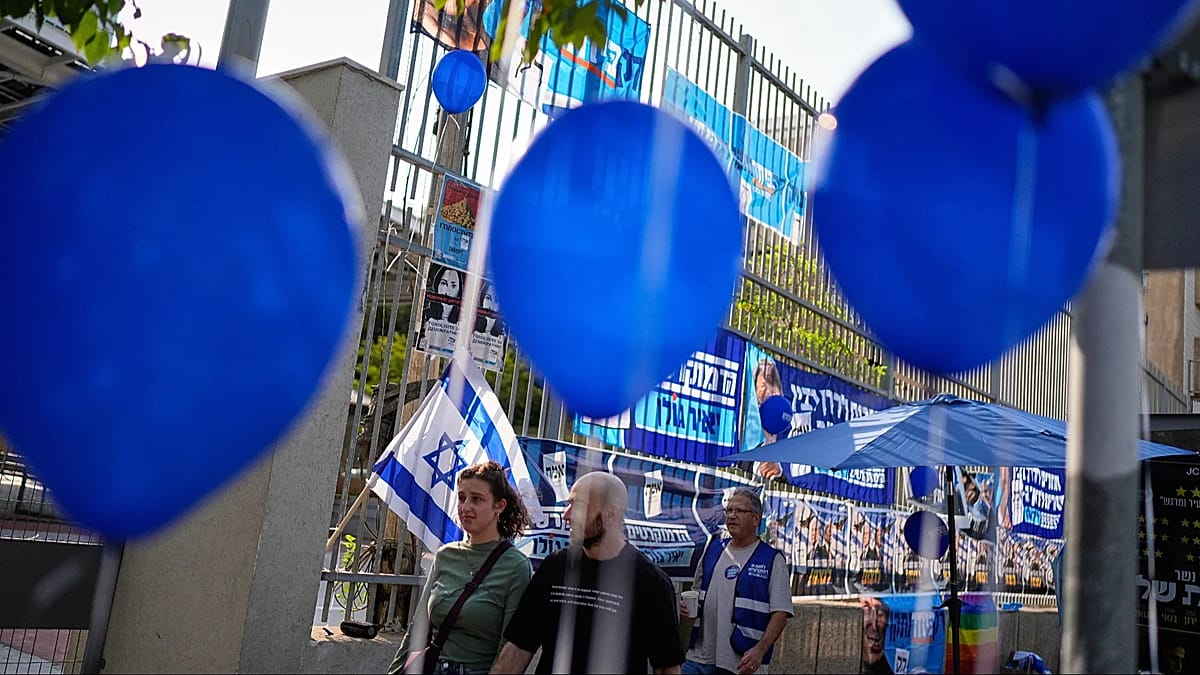 27 Oct Exit polls suggest no clear victor in Israeli election
Euronews27 Oct Israel election 2026 results live: Exit polls suggest deadlock with Eisenkot’s bloc just ahead of Netanyahu
The Independent 27 Oct Polls close in Israel after 'record voter turnout' in election that could see Netanyahu ousted from power
Daily Mail 27 Oct Israelis go to the polls as tense election seen as a referendum on Netanyahu's leadership since October 7 gets underway
Daily Mail 27 Oct Israelis vote in tense election testing Netanyahu’s grip on power
South China Morning Post27 Oct Israel holds first election since October 7 attacks
Sydney Morning Herald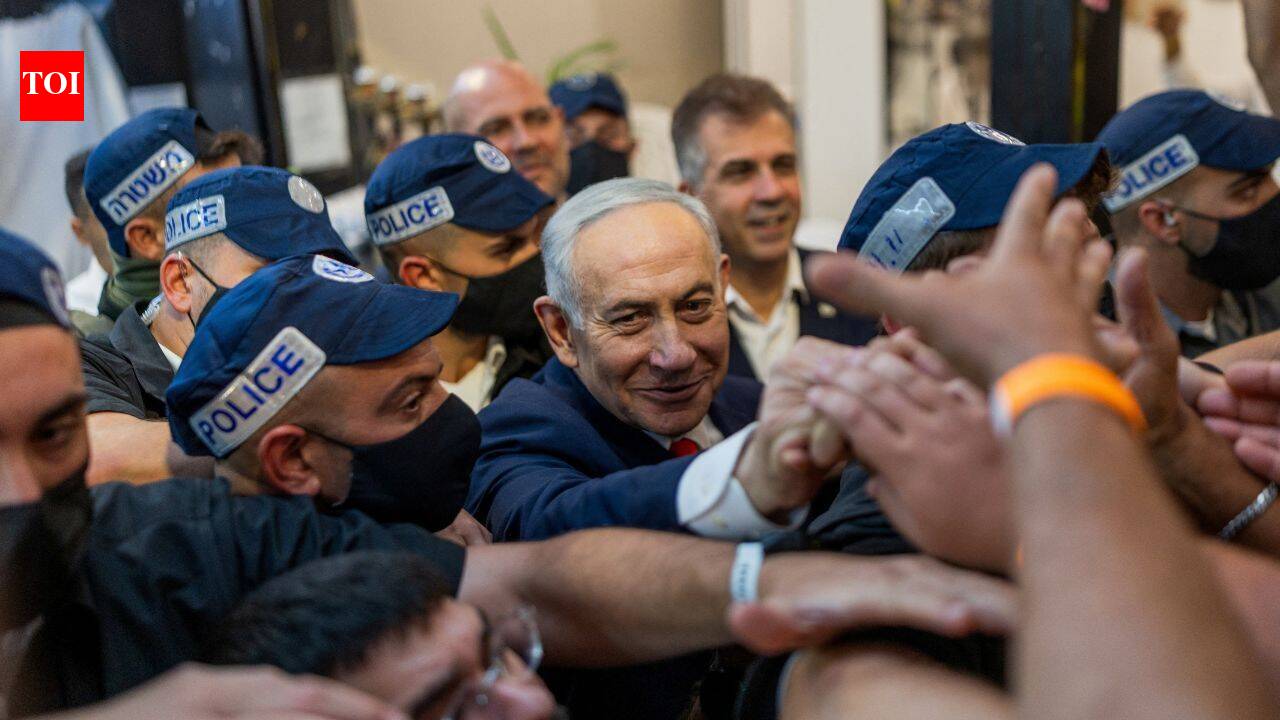 27 Oct Israel Elections 2026 Live Updates: Polls open in Israel, voters to decide whether to oust Netanyahu
Times of India 27 Oct Palestinian citizens of Israel can vote, but cannot expect change
Al Jazeera27 Oct October 7 terror attacks loom large over Israel’s elections as Netanyahu fights for his future
The Independent 27 Oct Israel heads to polls for pivotal election defined by security and democracy
BBC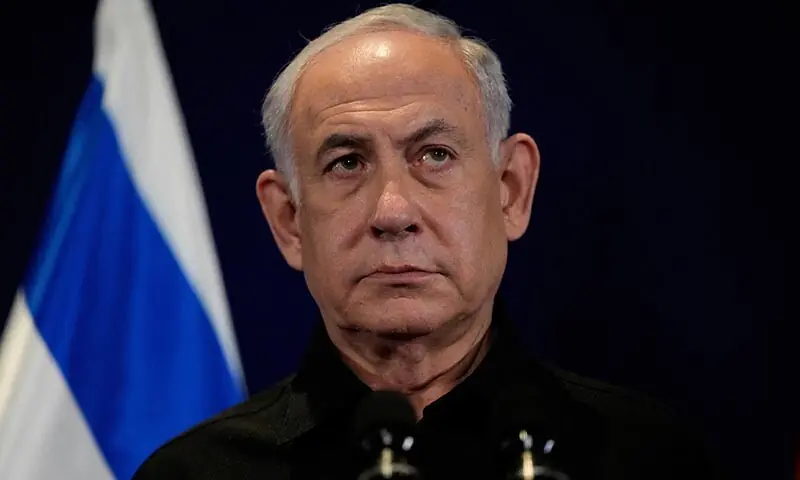 27 Oct Israelis to decide Netanyahu’s fate in pivotal election today
Dawn27 Oct Israel heads to the polls: What happens next?
Sydney Morning Herald 27 Oct A guide to Israel’s elections
The Hindu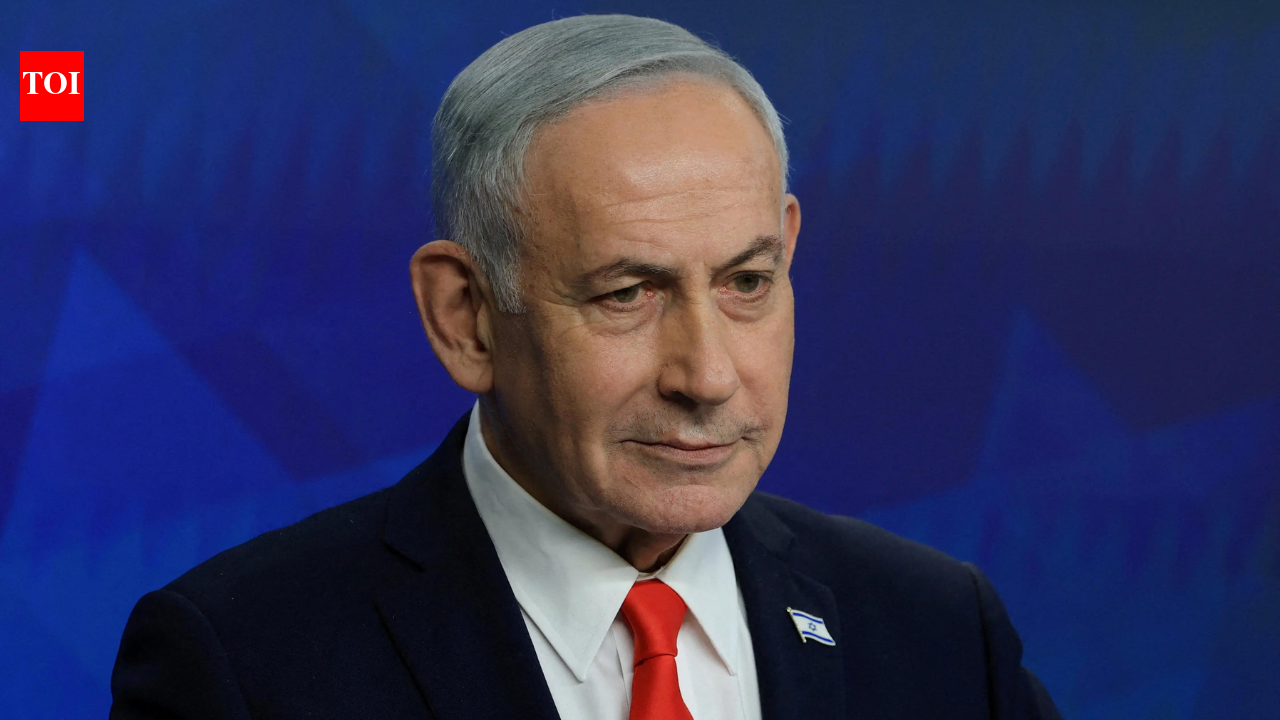 27 Oct Can Netanyahu survive another storm? Israel votes after Oct 7, Gaza and Iran wars
Times of India 27 Oct D-Day for Netanyahu as Israel goes to the polls: 70,000 expat voters could kick out Bibi in election today
Daily Mail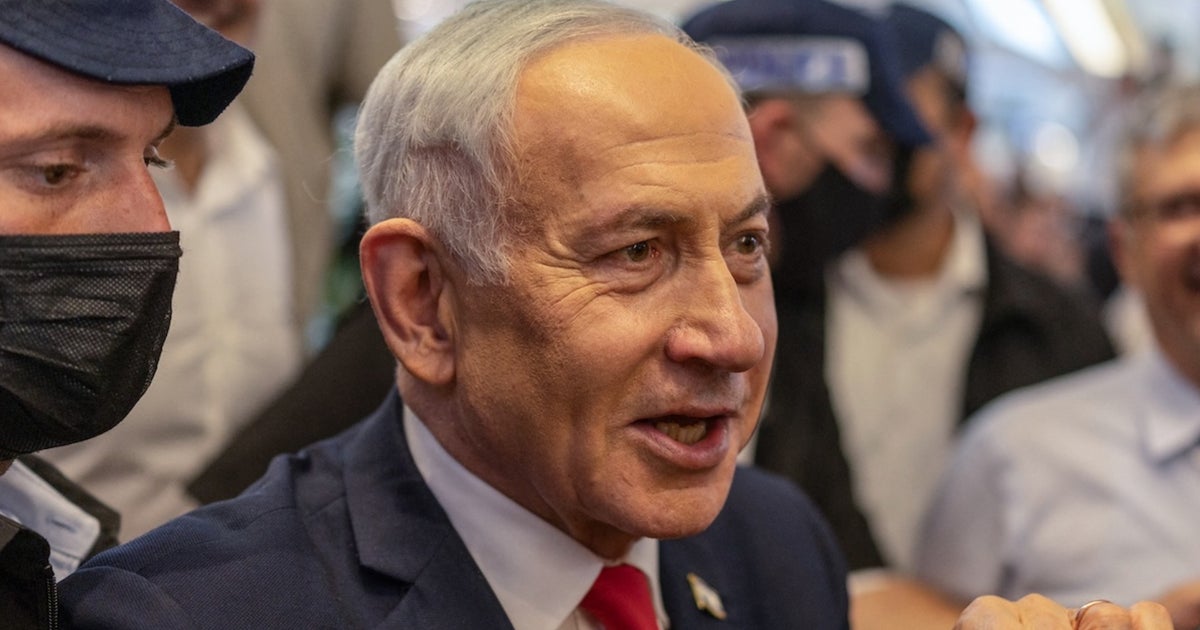 27 Oct Netanyahu faces first national election since Oct. 7, 2023
CBS News 26 Oct Israelis in war-ravaged border communities rebuke Netanyahu as country heads to polls: ‘We need ‘hope’
New York Post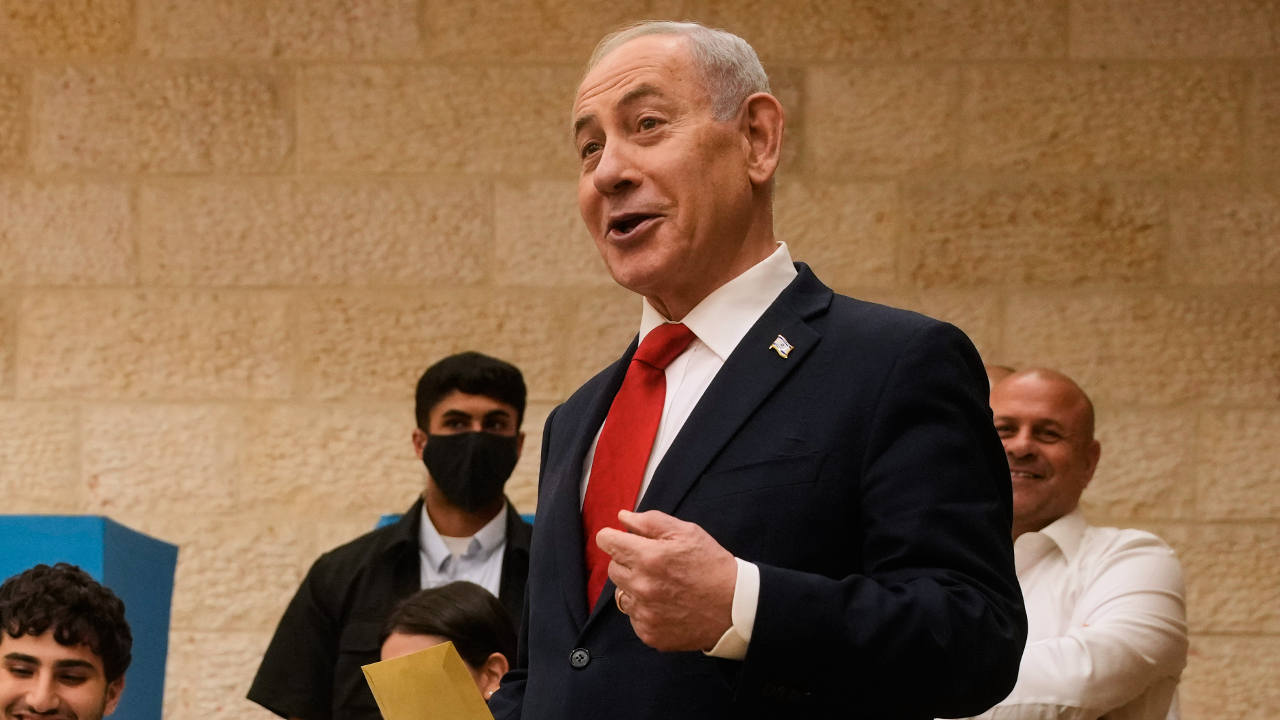 26 Oct Netanyahu fights for political future as Israel heads to polls with Iran threat looming
Fox News 26 Oct Israel and the US are both going to the polls. The consequences will be global
BBC 26 Oct Israel elections 2026 live: Netanyahu and far-right coalition face first vote since October 7 and Gaza invasion
The Independent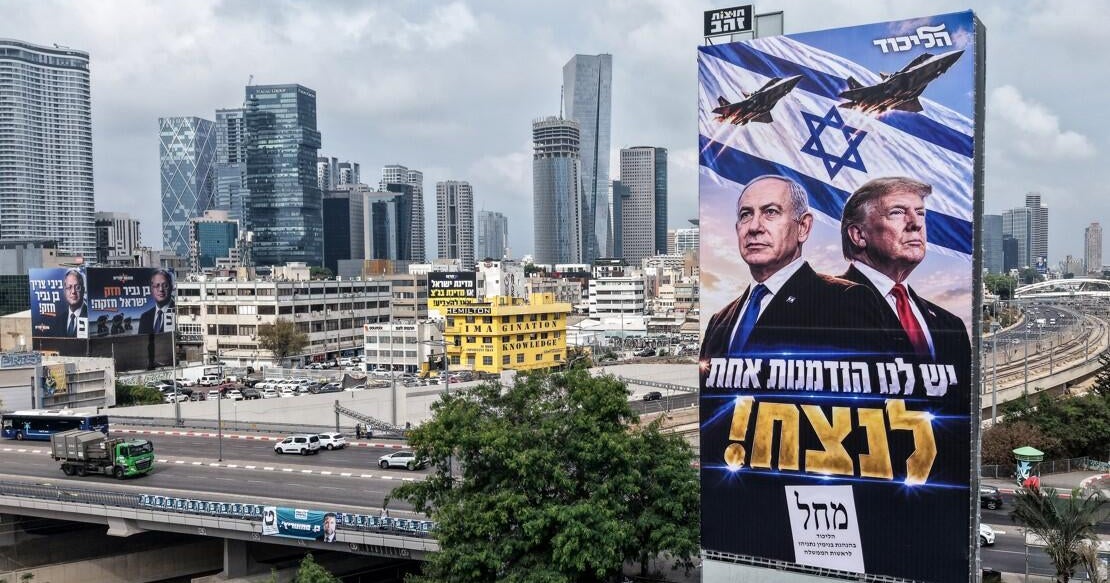 26 Oct These factors could decide Netanyahu's fate in Israel's election
CBS News- 26 Oct Will Israeli voters turf Netanyahu?
CBC  26 Oct Netanyahu’s legacy on the line as Israelis head to elections this week
Global News 26 Oct Netanyahu’s legacy is on the line as Israelis vote in the first elections since the Oct. 7 attack
Toronto Star26 Oct Israel's general election candidates explained as Netanyahu fights for political survival
The Independent 26 Oct Israel’s furious Arab parties could oust Netanyahu — if the opposition will break an election promise
New York Post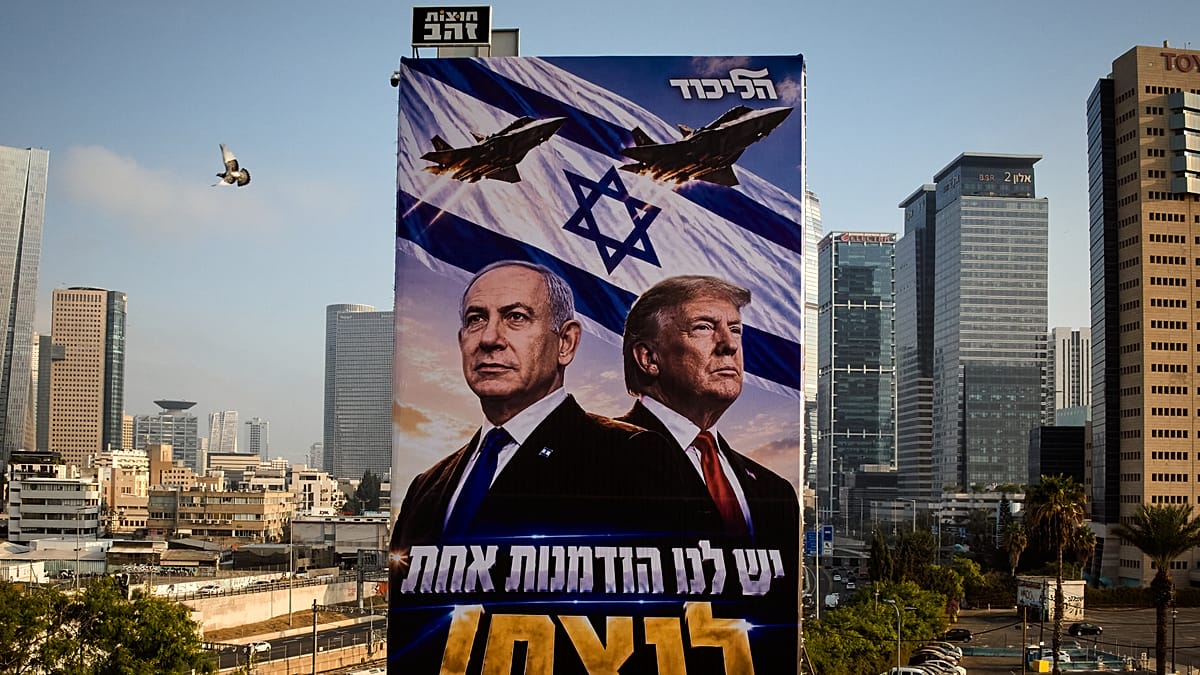 26 Oct Why Israel’s wartime election isn’t just about the battle with Iran and Hamas
Euronews 26 Oct Trump calls on Israel to re-elect Netanyahu in tomorrow's elections so they can 'finish the job' in Iran
Daily Mail 26 Oct Israel’s election: Five key things to know
Al Jazeera- 26 Oct A look at the main issues in Israeli elections seen as a referendum on Netanyahu
Toronto Star 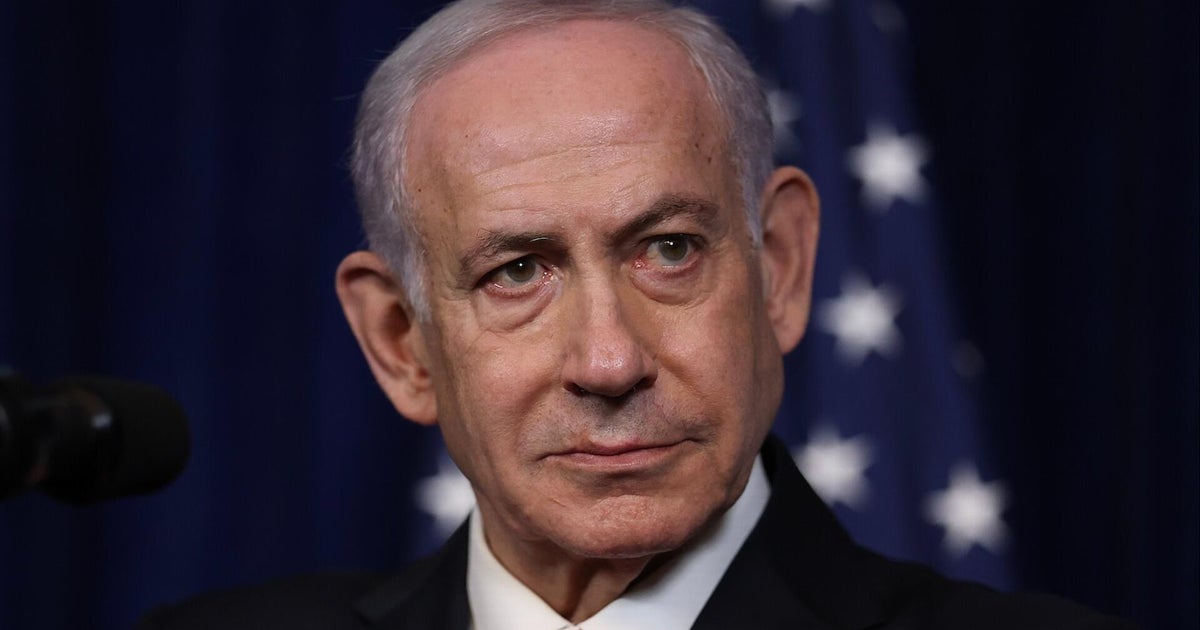 26 Oct Netanyahu's party lags in polls ahead of first election since Oct. 7, 2023
CBS News 25 Oct Why Israel's election is one of the most important in its history
BBC 25 Oct Deeply divided Israel braces for pivotal election
BBC 25 Oct Israelis have changed. Will they change their leadership?
NPR 25 Oct Israeli election to test Benjamin Netanyahu's ability to hold power
CBS News 25 Oct Israeli election to test Benjamin Netanyahu's ability to hold power
CBS News 25 Oct Former Israeli army chief Gadi Eisenkot emerges as Netanyahu’s leading election challenger
Fox News 25 Oct The key players in Israel’s first election since October 7 attacks as Netanyahu fights for his political life
The Independent 25 Oct Israeli elections: What are the possible outcomes?
Al Jazeera25 Oct Thousands rally in Tel Aviv against Netanyahu ahead of vote
The Straits Times24 Oct Thousands rally in Tel Aviv against Netanyahu ahead of vote
ABC News (AU) 24 Oct Gadi Eisenkot | Netanyahu’s challenger
The Hindu 23 Oct How will the Israeli election work and when will the result be announced?
The Independent
Keep exploring
 Similar coverageIsrael Elections Impact
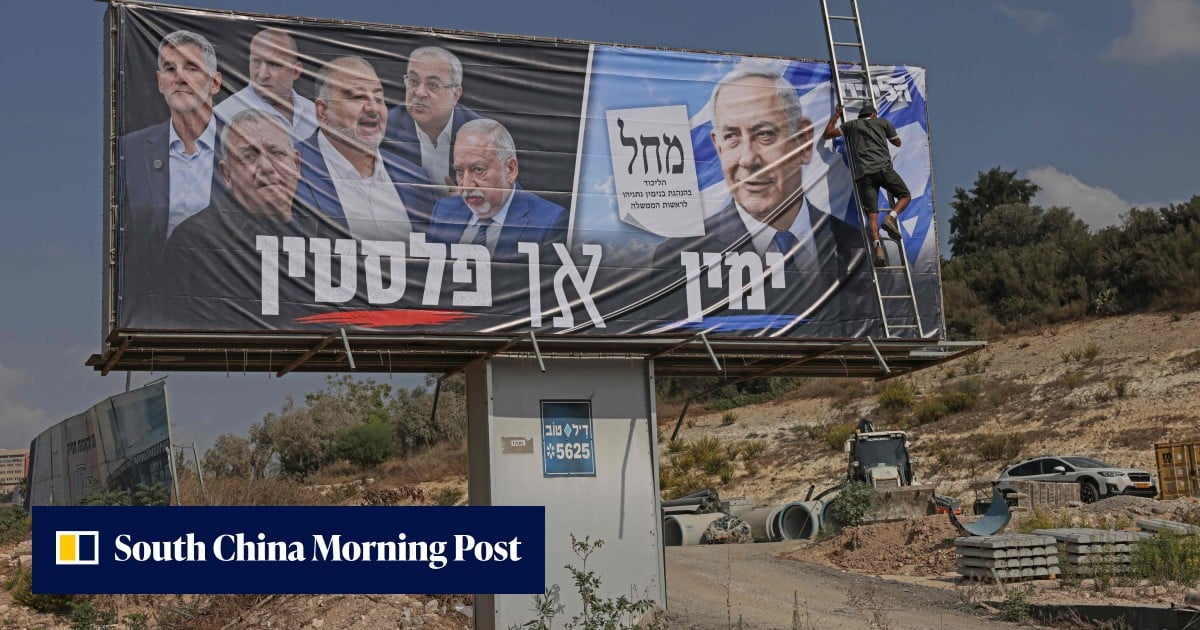 Similar coverageIsraeli Election Campaign Turn Ugly
 Similar coverageIsraeli Election Party Disqualifications
 Similar coverageIsraeli Election Ban On Arab Parties
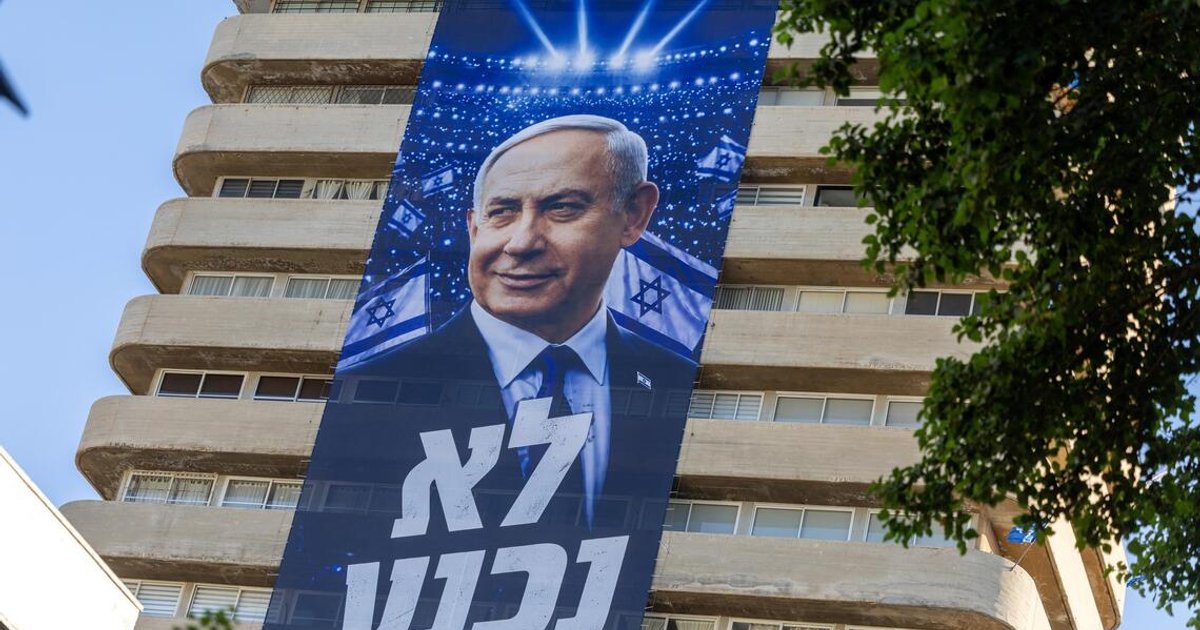 Similar coverageTrump Endorses Netanyahu's Re-election
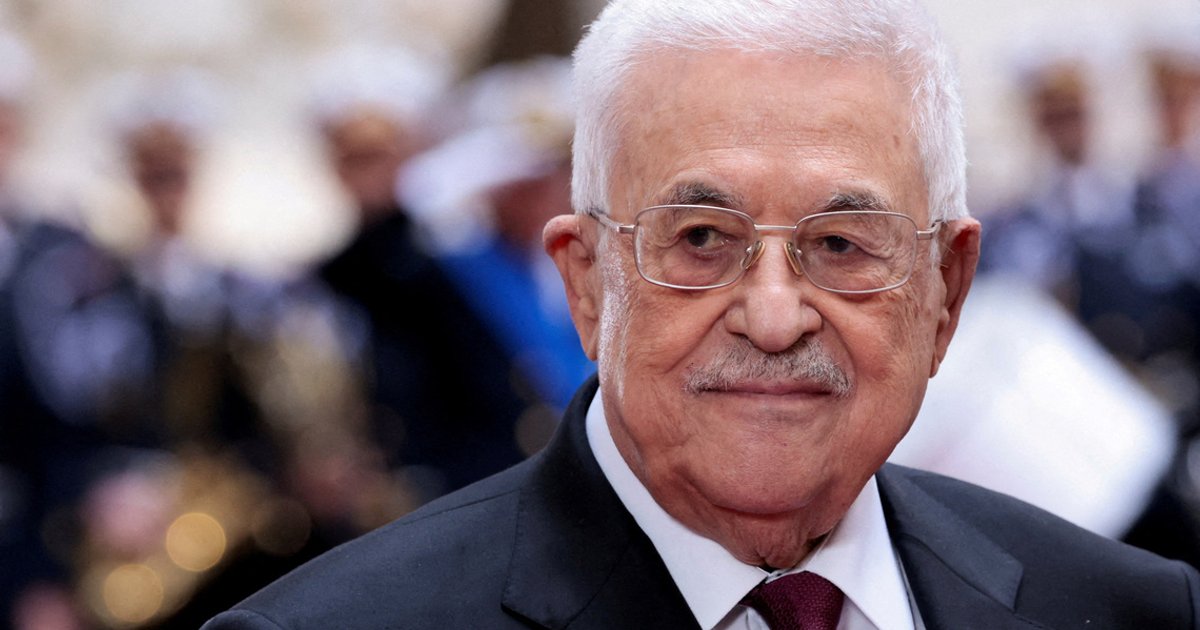 Similar coveragePalestinian Election Delay Controversy
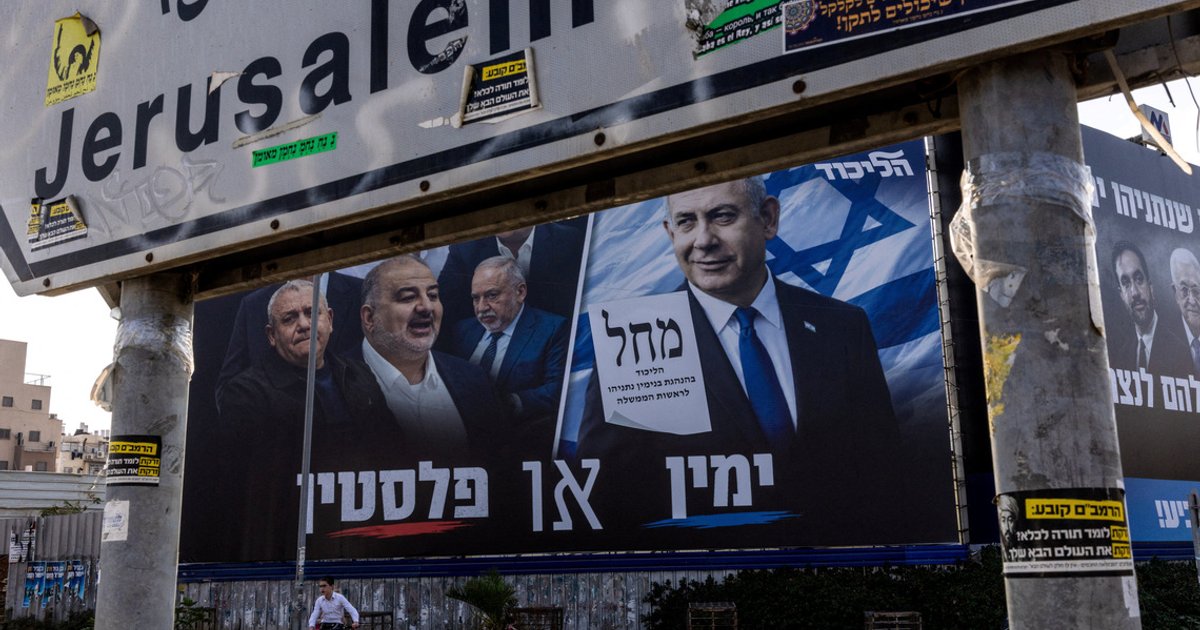 Similar coverageNetanyahu Warns Iran
 Similar coverageNetanyahu Pressures Military Against Iran
 Similar coverageNetanyahu Warns Of Attack Before Elec…
 RecentWorld Series Between Brewers And Rays
Built 2026-10-28 from 61 articles. Every sentence on this page is quoted from the linked article; nothing was written by a model except the Summary and the items marked AI, which cite their sources, and the questions and labels under "Disputed". Photos are from the outlets that covered the story, never from articles our check marks sensitive.