The Sydney Morning Herald
· collected 2026-10-05 · by Emily Blumenthal
A researcher at the Irkutsh Antiplague Research Institute of Siberia and Far East reportedly died after a laboratory accident involving suspected pneumonic plague. The incident occurred in Shelekhov, Russia, near Mongolia, when a 28-year-old woman broke a test tube containing live bacteria while collecting samples, leading to her hospitalization with severe pneumonia symptoms and subsequent death two days later. Russian authorities have taken exceptional measures but stated the sanitary situation remains stable; however, public events in Irkutsk have been canceled as a precaution, and law enforcement is investigating potential safety violations.
Written locally by qwen2.5:14b on 2026-10-05,
using this article's own text rather than the other coverage of the
same event (that is the story summary below).
Story summary
In September 2023, a pneumonic plague outbreak occurred in Siberia after a lab technician named Darya Shipilova, aged 28, died at the Irkutsk Anti-Plague Institute. Shipilova broke a test tube containing plague bacteria while working and was hospitalized on September 29th, succumbing to her illness two days later despite being placed on a ventilator. As many as 200 people she had been in contact with were put into quarantine. Russian health authorities, including Chief State Sanitary Doctor Anna Popova, rushed to the scene to manage the situation, declaring that the broader situation remained stable. However, concerns arose about transparency and potential underreporting of the incident, prompting U.S. officials and international health organizations to closely monitor developments. The White House and other government agencies were reportedly assessing their response options amid fears of a broader outbreak. Despite these alarms, former Russian epidemiologists downplayed the risk, citing cooler temperatures and strict quarantine measures as mitigating factors against widespread transmission. Nonetheless, tensions remained high due to lack of official confirmation from Russian authorities about the nature and extent of the incident.
Written for “Plague Outbreak In Russia” on 2026-10-05,
grounded in this article and the 10 other(s) covering the same event.
A researcher in Siberia has reportedly died of a disease suspected to be a form of plague released by a laboratory accident.
uncertain
researcher → die → accident
Russian authorities are responding to the incident at the Irkutsk Antiplague Research Institute of Siberia and Far East in Shelekhov, a city just west of Irkutsk near the border with Mongolia, according to state media.
uncertain
authorities → respond → media
Although it remains unclear what was released, a 28-year-old woman who worked in a laboratory at the institute died after being diagnosed with a pneumonia of unknown origin, according to Rospotrebnadzor, Russia’s infectious disease agency.
“
uncertain
who → remain → Rospotrebnadzor
The sanitary and epidemiological situation in the Irkutsk region, the cities of Irkutsk and Shelekhov is stable,” the agency said in a statement to CNN.
asserted
agency → say → CNN
It said exceptional measures had been taken “in connection with the case of an employee of the Irkutsk Antiplague Institute”.
asserted
measures → say → Institute
The institute studies “especially dangerous infectious diseases”, relating to surveillance, treatment and biological safety, according to its website.
uncertain
institute → study → website
Citing information from Rospotrebnadzor, Alexei Tsydenov, the head of the neighbouring republic of Buryatia, said the woman “may have died of plague”, but that there were “no plague outbreaks in the republic, including in the areas bordering Mongolia”.
uncertain
woman → cite → Mongolia
Tsydenov did not specify the type of plague, but Russian media have reported that the disease was pneumonic plague, the only form that can be spread from person to person.
asserted
that → specify → person
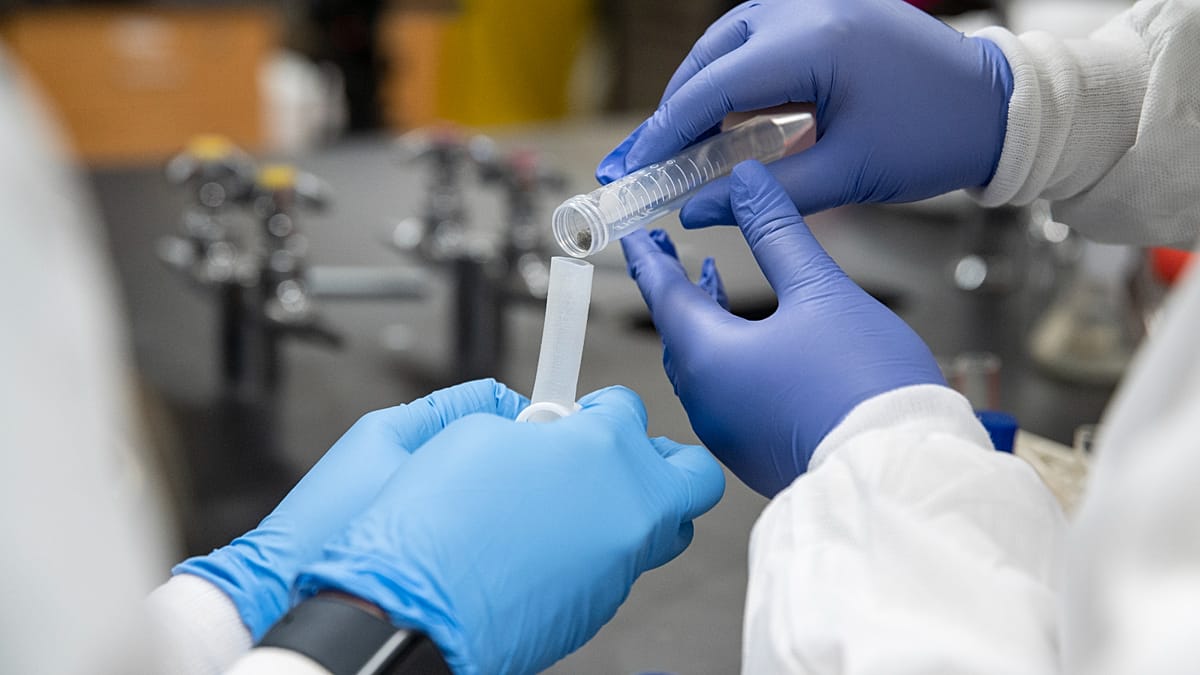
The woman, identified by Russian media as Daria Sh., reportedly told medical staff she had accidentally broken a test tube containing live bacteria while collecting samples.
uncertain
she → identify → samples
She was taken to hospital in Shelekhov last Tuesday with symptoms of severe pneumonia and placed on a ventilator before dying two days later, according to the Moscow Times.
uncertain
She → take → Times
Reports in Russian media state that about 200 people at the hospital where the worker was taken were placed under observation, and a quarantine was imposed at a maternity hospital.
asserted
quarantine → state → hospital
Igor Kobzev, the governor of the Irkutsk region, said an extraordinary meeting of the regional anti-epidemic commission had been called with Russia’s chief state doctor, “prompted by reports of a suspected case of a highly dangerous infectious disease in a regional resident”.
asserted
meeting → say → resident
Kobzev urged calm, writing on Telegram that none of the contacts of the dead woman were showing any signs of illness and all testing had come back negative.
asserted
testing → urge → illness
Gennady Onishchenko, a former head of Rospotrebnadzor, said on Friday that the infection was “most likely not the plague, but even if confirmed, there will be no spread of this disease”.
asserted
infection → say → disease
CNN reported that an aluminium plant near the laboratory had ordered workers to wear masks as a precaution, but noted there were “many rumours and conflicting reports circulating”, said Artem Fominikh, the plant’s director.
asserted
Fominikh → report → precaution
All public events in Irkutsk have been cancelled, and Russian media have reported that law enforcement has opened a criminal investigation into possible safety violations surrounding the woman’s death.
asserted
enforcement → cancel → death
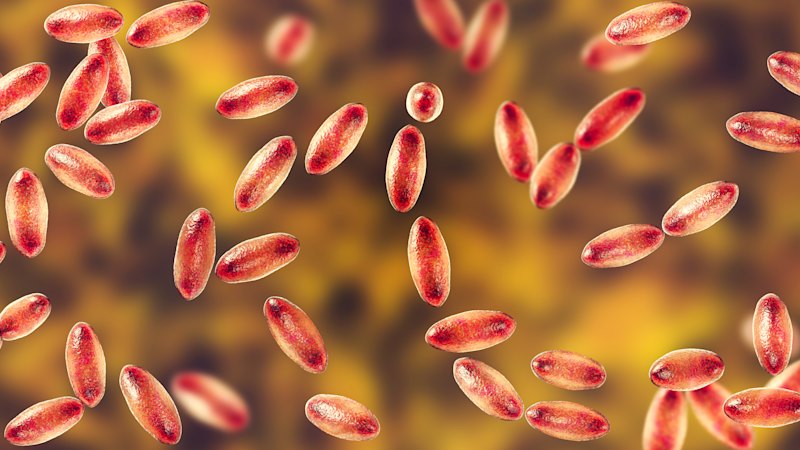
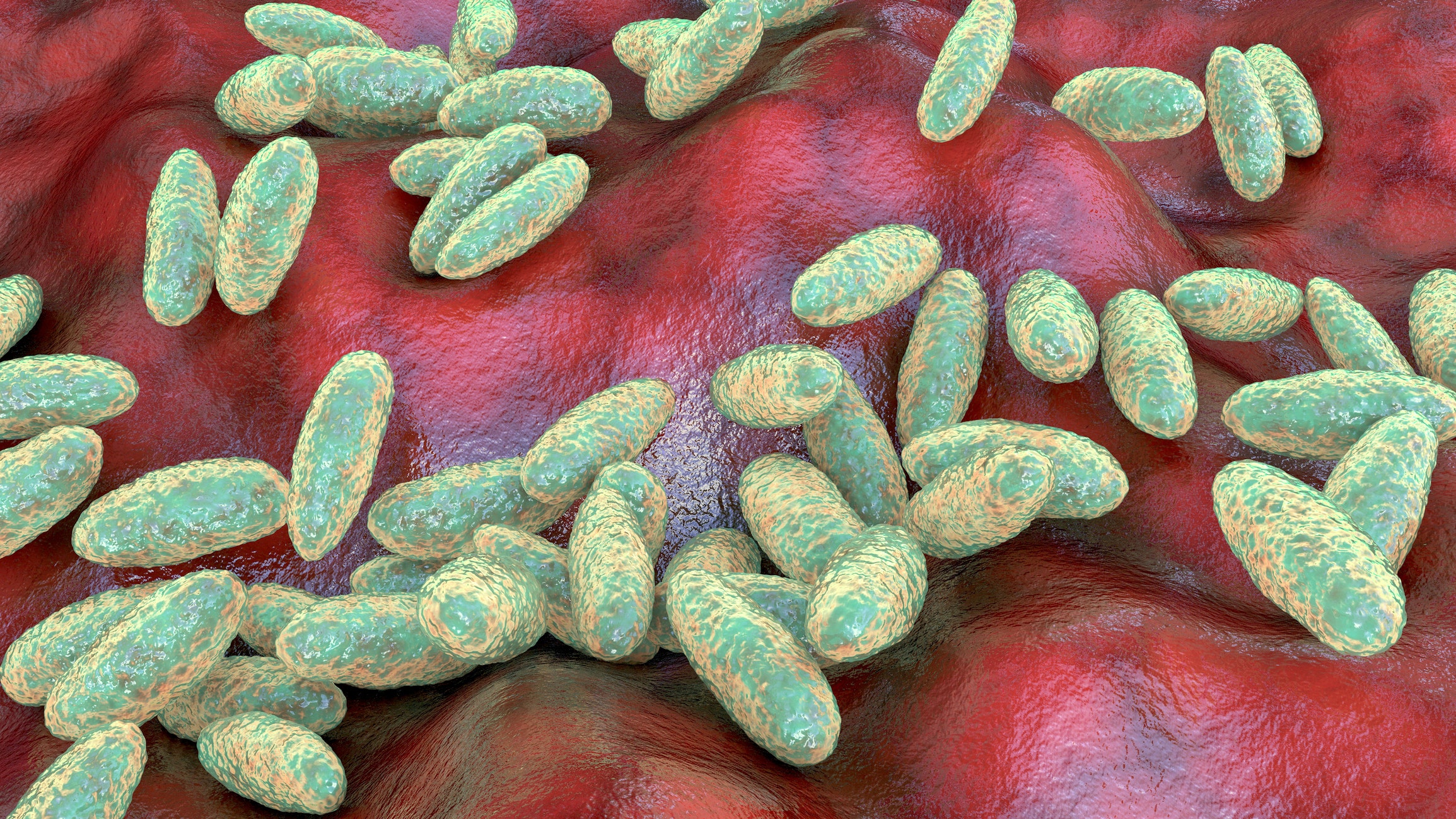
Pneumonic plague, one of three types of the disease caused by theYersinia pestis bacterium, is the most serious form of plague.
asserted
plague → cause → plague
It develops when a person inhales infectious droplets or when bacteria from untreated septicaemic or bubonic plague, which caused the Black Death, spread to the lungs of an infected person.
asserted
which → develop → person
A Trump administration official told news website Axios that the White House was monitoring reports of the disease and quarantines.
asserted
House → tell → disease
The Telegraph, London
Get a note directly from our foreign correspondents on what’s making headlines around the world.
asserted
what → get → world
 The Aporia