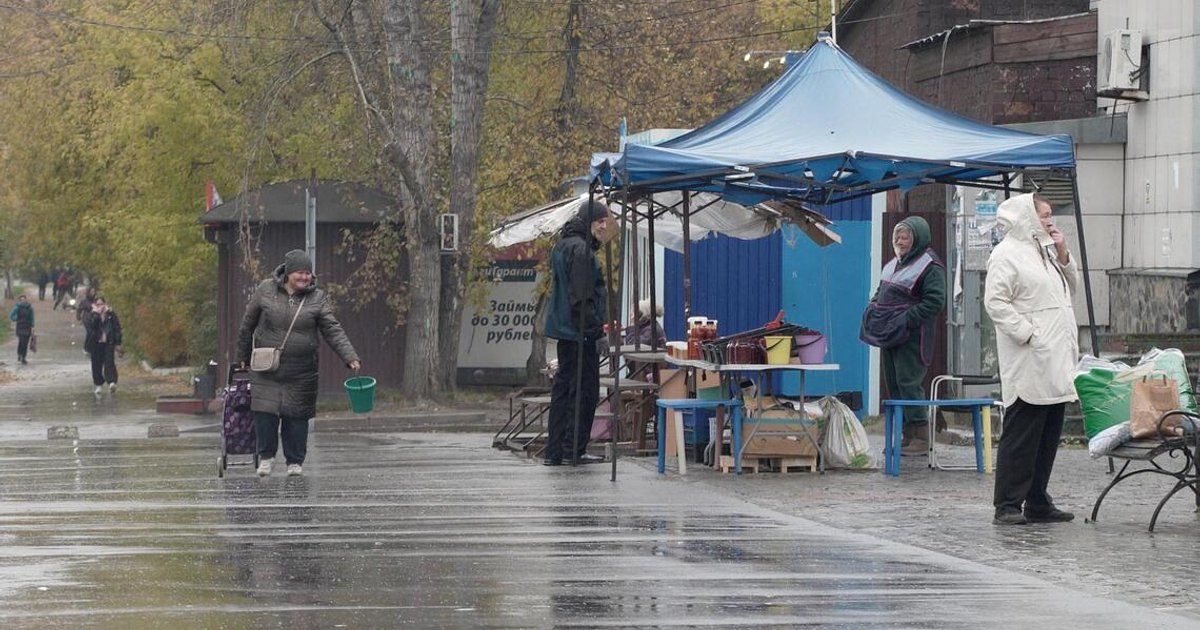
On October 2, 2026, a 28-year-old laboratory worker named Darya Shipilova at an anti-plague research institute in Irkutsk, Siberia, died under mysterious circumstances after falling ill. Russian health officials quarantined dozens of people and conducted nearly 5,000 lab tests without finding any plague cases among contacts of the deceased; however, Russia's health watchdog maintains there is no risk of an epidemic. The WHO has urged Russia to provide more details about the incident due to insufficient information to assess public risk accurately.
Written locally by qwen2.5:14b on 2026-10-08,
using this article's own text rather than the other coverage of the
same event (that is the story summary below).
Story summary
A 28-year-old lab technician named Darya Shipilova died of pneumonic plague in Siberia after breaking a test tube at the Irkutsk Anti-Plague Institute on September 29, and was placed on a ventilator but could not be saved. As many as 200 people who had contact with her were put into quarantine to prevent further spread. The incident prompted Russia's Chief State Sanitary Doctor Anna Popova to travel over 2,600 miles from Moscow to take charge of the outbreak situation in Irkutsk.
The Russian government has not released an official statement on Shipilova’s death or confirmed the virus as pneumonic plague, though independent news organizations have reported this. Local authorities have imposed strict quarantine measures across Irkutsk district, including the Shelekhov District Hospital and a local aluminum plant. Governor Igor Kobzev urged residents to stay calm but did not specify the infection.
The U.S. State Department is monitoring the situation closely with the Centers for Disease Control and Prevention (CDC) and other federal agencies, calling on Russia to share accurate information promptly. The White House has also been assessing options in response to this outbreak. Despite concerns, former Rospotrebnadzor head Gennady Onishchenko downplayed the threat, suggesting widespread transmission is unlikely due to cooler seasonal temperatures.
Written for “Pneumonic Plague Outbreak Siberia” on 2026-10-08,
grounded in this article and the 97 other(s) covering the same event.
The death of a laboratory worker in Siberia on October 2, 2026, and the subsequent quarantine of dozens of people have sparked concerns about a pneumonic plague epidemic, with Russia revealing little information publicly.
asserted
Russia → spark → information
The incident has revived memories of the COVID-19 pandemic and allegations that the coronavirus may have emerged at a Chinese lab.
uncertain
coronavirus → revive → lab
What happened at the Siberia lab?
asserted
What → happen → lab
The 28-year-old woman, Darya Shipilova, employed at a research institute in Siberia fell ill and died in undisclosed circumstances, prompting authorities to quarantine dozens of people and dispatch the head of Russia’s health watchdog to the Irkutsk region.
asserted
woman → employ → region
The woman worked at the anti-plague research institute in the city of Irkutsk, where the plague occurs naturally in wild animals.
asserted
plague → work → animals
She died at a hospital in nearby Shelekhov that the mayor said had been placed under quarantine.
asserted
mayor → die → quarantine
Following the incident, top Russian health officials have travelled to the region.
asserted
officials → follow → region
Russian authorities say the lab worker died of what initially presented as a “typical” acute respiratory viral infection.
asserted
what → say → infection
Russia dismisses epidemic concerns
Meanwhile, Russia’s health regulator insists there were no risks of an epidemic breaking out in Siberia after the plague institute worker’s death.
asserted
epidemic → dismiss → death
Rospotrebnadzor, Russia’s health watchdog, said on October 7 that it was winding down precautionary measures it had put in place after concluding there was no risk of an epidemic.
asserted
it → say → epidemic
No cases of plague had been detected among anyone who had come into contact with the deceased worker, it said, while adding that 90% of those placed in quarantine had been released after nearly 5,000 lab tests had failed to detect any dangerous pathogens.
asserted
tests → detect → pathogens
When asked about a second person in Siberia allegedly falling ill, Kremlin spokesman Dmitry Peskov urged caution against using media reports as a reference for what was happening.
uncertain
what → ask → reference
‘Causative agent behind death not known’
asserted
agent → know → death
A top official with the World Health Organisation (WHO) said it doesn’t know how the lab worker in Siberia died.
asserted
worker → say → Siberia
Maria Van Kerkhove, WHO director of Epidemic and Pandemic Management, said the UN health agency doesn’t know what the “causative agent’ was behind the woman’s October 2 death.
asserted
agent → say → death
She has urged Russia to provide more information about the incident that prompted global concerns about suspected pneumonic plague.
asserted
that → urge → plague
The WHO initially said it estimated the risk of the Russia case to the public as low, but told a press conference on October 7 it could not make a fuller risk assessment due to insufficient information from the Russian authorities.
uncertain
it → say → authorities
What is pneumonic plague, symptoms
Reports blamed the woman’s death on pneumonic plague — a less common but severe form of plague that can spread from person to person.
asserted
that → blame → person
Pneumonic plague causes a severe form of pneumonia, but recovery rates are high if it is detected and treated in time.
asserted
it → cause → time
The severe disease is less common than the better-known bubonic plague linked to the Black Death in the Middle Ages.
asserted
disease → know → Ages
Pneumonic plague and bubonic plague are caused by the same bacteria.
asserted
plague → cause → bacteria
The former is spread by respiratory particles while the latter is spread through bites from fleas that have jumped from infected rodents.
asserted
that → spread → rodents
Symptoms of pneumonic plague include shortness of breath and coughing-up blood, and they can occur in as little as 24 hours after exposure, according to the WHO.
uncertain
they → include → WHO
Not linked to a biological weapon
U.S. President Donald Trump said on Wednesday (October 8) that the death of a Russian plague laboratory worker did not appear to be linked to a biological weapon.
asserted
death → link → weapon
Mr. Trump said Russia insisted it had the situation under control, but added that not much information was coming out.
asserted
information → say → control
He, however, said that the United States will help Russia over the incident.
asserted
States → say → incident
The European Union has also called on Russia to “share timely and transparent reporting” about the death of the plague laboratory technician.
asserted
Union → call → technician
 The Aporia