What to know about plague after suspected Siberian lab worker case
AI generated
SIBERIA – Plague is one of history’s most feared diseases, responsible for pandemics that killed tens of millions of people.
asserted
that → know → people
Today, human cases are rare and can usually be treated with antibiotics.
asserted
cases → treat → antibiotics
A suspected case of pneumonic plague in Siberia has renewed attention on the disease after a young worker at a Russian institute that studies plague and other dangerous infections died of severe pneumonia.
asserted
that → suspect → pneumonia
Russian authorities have not confirmed that she had plague and say tests found no micro-organisms associated with her work.
asserted
tests → confirm → work
Still, the circumstances of her death and the extensive precautions taken afterward have prompted scrutiny from health authorities in the US, Europe and the World Health Organization.
asserted
circumstances → take → US
What happened in Siberia?
asserted
What → happen → Siberia
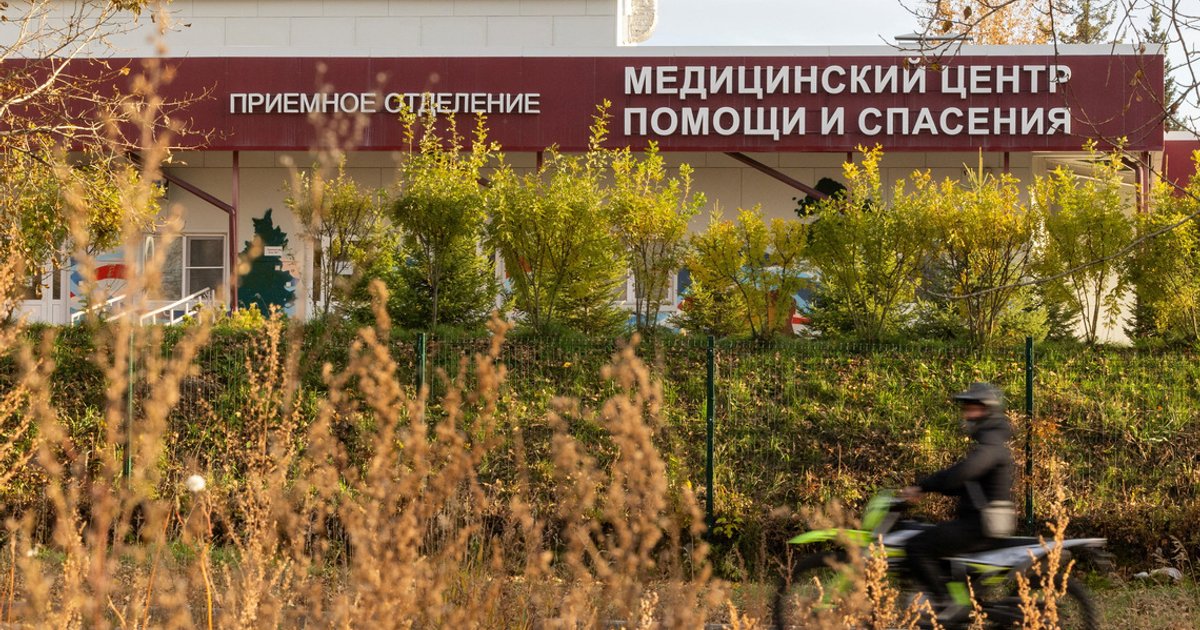
A 28-year-old laboratory worker at the Irkutsk Anti-Plague Research Institute of Siberia and the Far East died overnight between Oct 1 and Oct 2 after developing severe pneumonia.
asserted
worker → die → pneumonia
Independent Russian media reported that she may have been exposed to the bacterium that causes plague after breaking a test tube at the institute.
uncertain
that → report → institute
That account has not been verified, and Russia’s public health agency, Rospotrebnadzor, says an investigation found no laboratory accident involving dangerous microorganisms.
asserted
investigation → verify → microorganisms
It also said that extensive testing of samples from the woman found no microorganisms associated with her work.
asserted
testing → say → work
The official cause of her illness remains pneumonia of “unknown” origin.
asserted
cause → remain → origin
Almost 200 people who may have had contact with the woman have reportedly been placed under medical observation, while the hospital where she was treated was quarantined.
Other restrictions have also reportedly been imposed at medical facilities in the region.
No plague infections have been confirmed among her contacts, and Russian authorities say the epidemiological situation is stable.
uncertain
situation → have → contacts
The media reports have, however, raised questions about how any possible exposure to plague could have occurred.
uncertain
exposure → raise → plague
Work with dangerous pathogens normally involves multiple layers of protection designed to prevent a spill or broken container from exposing laboratory staff.
asserted
Work → involve → staff
The WHO is monitoring the situation and says the risk to the general population appears to be low, based on the unofficial information available.
asserted
risk → monitor → information
It is seeking information from Russian authorities about what happened, the laboratory tests being conducted and their results, why contacts are being traced, whether any have become ill and whether there could be any international public-health implications.
uncertain
any → seek → authorities
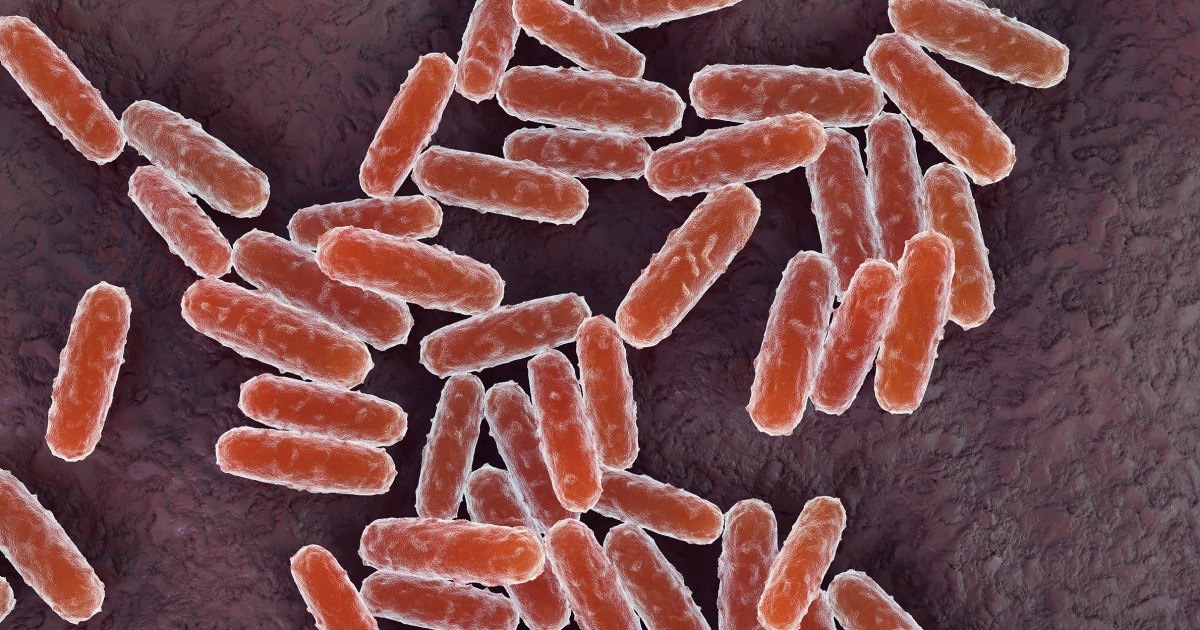
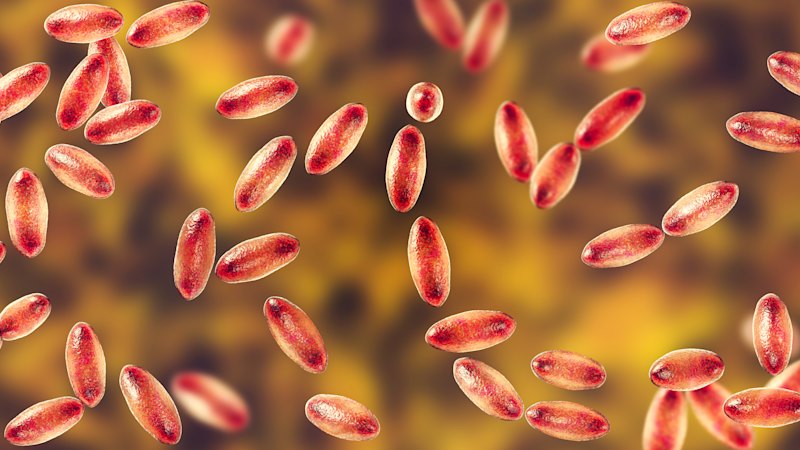
Plague is a bacterial infection caused by Yersinia pestis, which normally circulates among rodents and other small mammals and the fleas that live on them.
asserted
that → cause → them
People usually become infected after being bitten by an infected flea or through contact with an infected animal.
asserted
People → bite → animal
The bacteria can also be inhaled, and people with pneumonic plague can spread the infection to others through respiratory particles.
asserted
people → inhale → particles
There are three main forms of plague, all caused by the same bacterium but primarily affecting different parts of the body.
asserted
all → be → body
Bubonic plague, the most common, typically causes fever, chills and painful, swollen lymph nodes known as buboes.
asserted
plague → cause → buboes
It is the form most closely associated with the Black Death of the Middle Ages.
asserted
It → associate → Ages
Septicemic plague occurs when the bacteria multiply in the bloodstream.
asserted
bacteria → occur → bloodstream
It can cause bleeding, tissue damage, organ failure and shock.
asserted
It → cause → bleeding
Pneumonic plague occurs when the bacteria infect the lungs.
asserted
bacteria → occur → lungs
It can develop when another form of plague spreads to the lungs or when a person inhales the bacteria directly.
asserted
person → develop → bacteria
Symptoms can develop rapidly and include fever, weakness, chest pain, shortness of breath and coughing, sometimes with bloody sputum.
Does plague still exist today?
asserted
plague → develop → sputum
The bacteria persist in wild animal populations in parts of Africa, Asia and the Americas, meaning plague cannot realistically be eradicated.
asserted
plague → persist → Africa
The WHO recorded 3,847 human cases and 423 deaths in 10 countries from 2019 through 2025.
asserted
WHO → record → 2025
Most occurred in the Democratic Republic of Congo and Madagascar.
asserted
Most → occur → Congo
Cases also occur occasionally in wealthier countries.
asserted
Cases → occur → countries
The US typically records several infections a year, mostly in western states where the bacteria circulate naturally among wild rodents and their fleas.
asserted
bacteria → record → rodents
Antibiotics, modern sanitation and disease surveillance mean plague no longer poses anything like the threat it did centuries ago.
asserted
it → mean → threat
Still, it is very dangerous if it is not recognised and treated quickly.
asserted
it → recognise → ?
Pneumonic plague is the most rapidly progressing form of the disease.
asserted
plague → progress → disease
Symptoms can appear within one to three days of exposure.
asserted
Symptoms → appear → exposure
Without effective antibiotics, the infection can kill within about a day of severe symptoms developing.
asserted
symptoms → kill → day
That makes early treatment critical.
asserted
treatment → make → ?
The WHO says common antibiotics are effective against Yersinia pestis and the chances of recovery are high when pneumonic plague is detected and treated promptly.
asserted
plague → say → recovery
People known to have been exposed can also be given antibiotics before they become sick.
asserted
they → know → antibiotics
…and 16 more, not listed.
 The Aporia