The Aporia
The Aporia
The Aporia

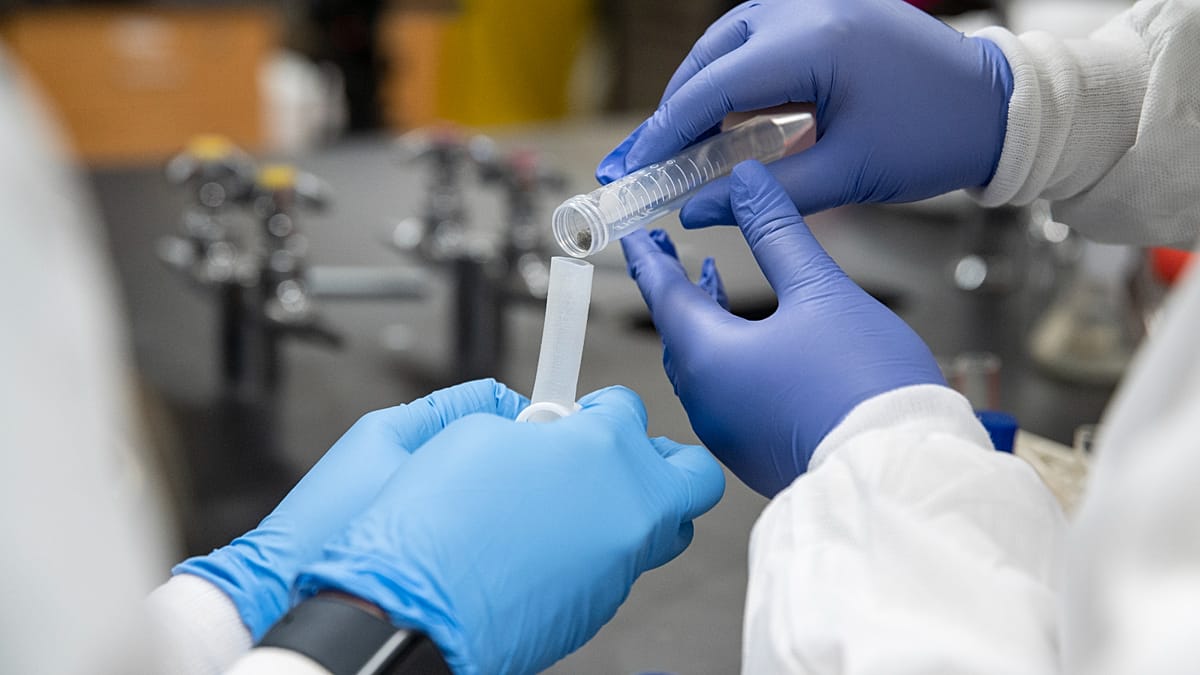
A 28-year-old lab technician named Darya Shipilova died of pneumonic plague in Siberia after breaking a test tube at the Irkutsk Anti-Plague Institute on September 29, two days before her death. As many as 200 people who may have been exposed to the pathogen were placed under quarantine. The incident prompted Russian health officials, including Chief State Sanitary Doctor Anna Popova, to implement strict measures and travel to the region to oversee containment efforts. Despite these actions, there are concerns that the Russian government is not fully disclosing details about the outbreak, with some comparisons being made to the initial handling of the COVID-19 situation in Wuhan, China. The U.S. State Department is closely monitoring the situation, urging Russia for transparent information sharing and engaging its diplomatic counterparts in Moscow due to potential risks for Americans in Russia. Reports suggest that pneumonic plague can be treated effectively with antibiotics if diagnosed early. Governor Igor Kobzev assured residents that all identified close contacts are asymptomatic and have tested negative so far. The broader public health situation in the Irkutsk region remains under strict quarantine measures but is reported to be stable by local authorities. However, former Rospotrebnadzor head Gennady Onishchenko downplayed the threat, suggesting that widespread transmission is unlikely due to cooler seasonal temperatures aiding containment efforts. Despite these reassurances, public health experts and officials worldwide are closely monitoring developments in Siberia for any potential spread of the disease beyond local quarantine zones.