That is 0 articles you have read today.
The Aporia is free and carries no advertising, so readers are the only
thing paying for it. If you are getting this much out of it, a small
donation is what keeps it independent.
Daily limit reached
You have read 0 articles today.
That is more than the 15 a day The Aporia gives away,
and well past what it can carry on nothing. Your allowance resets at
midnight.
There is no advertising here and nothing about you is sold, so readers
are the only thing paying for it. If the site is worth this much of
your day, it is worth a few dollars.
Everything else stays open: the
maps, the
directory and
search do
not count against this, and neither does re-opening something you have
already read today.
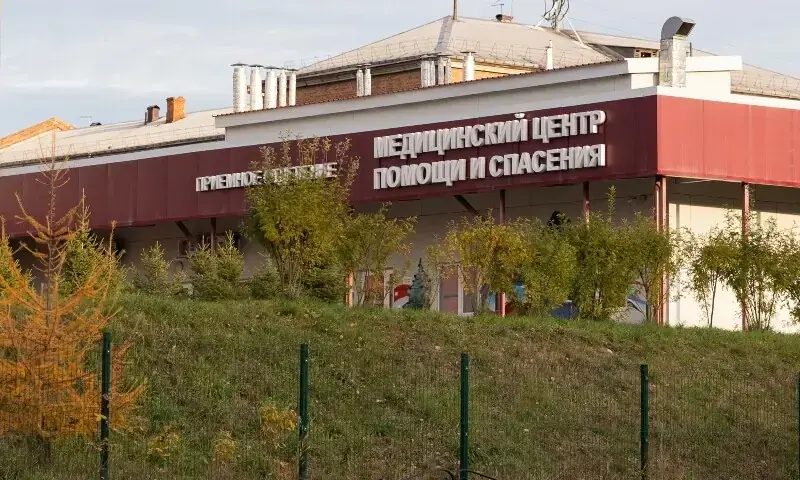
Russian authorities denied imposing special anti-plague measures after reports of a laboratory technician's death from pneumonic plague at an institute in Siberia’s Irkutsk region. Rospotrebnadzor, the country’s health watchdog, stated that no such measures were implemented and emphasized that the situation remains stable. The World Health Organization assessed the risk to be moderate to low for Irkutsk and low for Russia overall, with very low risk for Europe.
Written locally by qwen2.5:14b on 2026-10-06,
using this article's own text rather than the other coverage of the
same event (that is the story summary below).
Story summary
In September 2023, a 28-year-old lab technician named Darya Shipilova died in Siberia after contracting pneumonic plague at the Irkutsk Anti-Plague Institute when she broke a test tube containing live bacteria. As many as 200 people who had contact with her were put under quarantine to prevent an outbreak. Russian authorities quickly took action, implementing mask mandates and placing hospitals into quarantine. Concerns arose over potential delays in providing antibiotics due to the surge in demand from panicked residents. The incident sparked fears reminiscent of the Wuhan coronavirus situation, leading some to accuse the Putin regime of a cover-up or delay in releasing information about the case. U.S. officials are closely monitoring the situation and urging Russia for timely updates on the health crisis. Despite the severity, pneumonic plague is treatable with prompt antibiotic use. Governor Igor Kobzev assured residents that close contacts remain asymptomatic and have tested negative, while Russia’s chief sanitary officer Anna Popova traveled to Irkutsk to oversee emergency protocols. However, skepticism remains regarding the transparency of Russian officials in handling this potential public health crisis. The White House is also assessing options for addressing the outbreak, working with agencies like the CDC to ensure a coordinated international response if needed. Despite these measures, uncertainties persist about the full extent and containment of the plague case in Irkutsk Oblast.
Written for “Pneumonic Plague Outbreak Siberia” on 2026-10-06,
grounded in this article and the 41 other(s) covering the same event.
Why this leaning score
This article does not take a side on a contested political
question, so it has no leaning score. That is an
answer rather than a gap: a match report or a rescue can be warmly
or critically written without being left or right, and scoring it
anyway is how approval of a subject gets recorded as a political
position.
No political leaning scored for article 59839 · logged 2026-10-06
Russian authorities denied Tuesday that they were imposing special anti-plague measures after a laboratory technician reportedly died of the disease, as the UN’s health agency said the risk to the country was low.
uncertain
risk → deny → country
It was reported last week that a worker at an anti-plague institute in Siberia’s Irkutsk region died of pneumonic plague.
asserted
worker → report → plague
But the authorities say the cause of death is not confirmed and health watchdog Rospotrebnadzor has denied claims circulating in a document online that special measures had been put in place.
“We wish to clarify that the document and information in question do not originate from official sources and are untrue,” it said on Telegram.
uncertain
it → say → Telegram
“No such decisions have been made at this time,” it said, stressing that the health situation in the region was stable.
asserted
situation → make → region
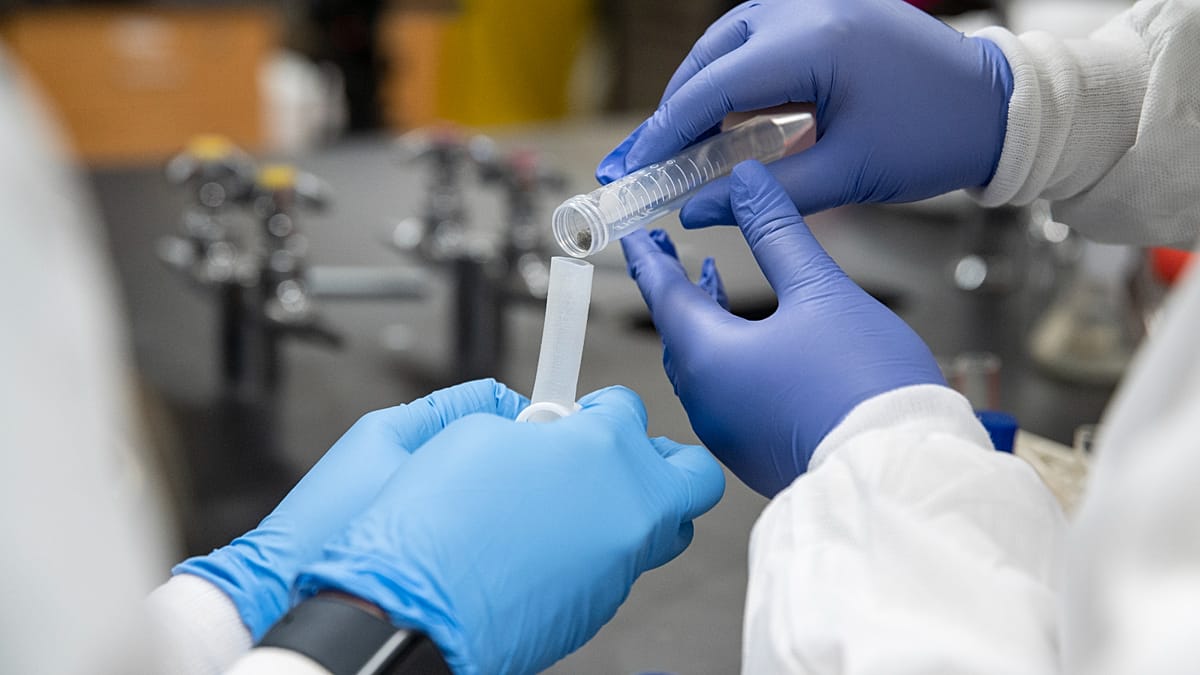
Russian news outlet People of Baikal claimed on Friday that the dead woman — named as 28-year-old Darya Shipilova — may have contracted pneumonic plague from a broken test tube.
uncertain
woman → claim → tube
Other media reported a possible link between her death and a lab accident at the facility.
asserted
media → report → facility
The People of Baikal outlet also claimed that up to 200 people with whom she may have had contact were under quarantine.
uncertain
she → claim → quarantine
But Russian officials said postmortem tests had not detected the disease.
asserted
tests → say → disease
Irkutsk Regional Governor Igor Kobzev said Monday that a Rospotrebnadzor watchdog inspection had found that the woman died of pneumonia and the cause was “undetermined”.
asserted
cause → say → pneumonia
“No microorganisms linked to the young woman’s professional work were found in her biological samples,” he said.
And there had been “no new cases of staff from the anti-plague institute seeking medical attention” since the death, he added.
asserted
he → link → death
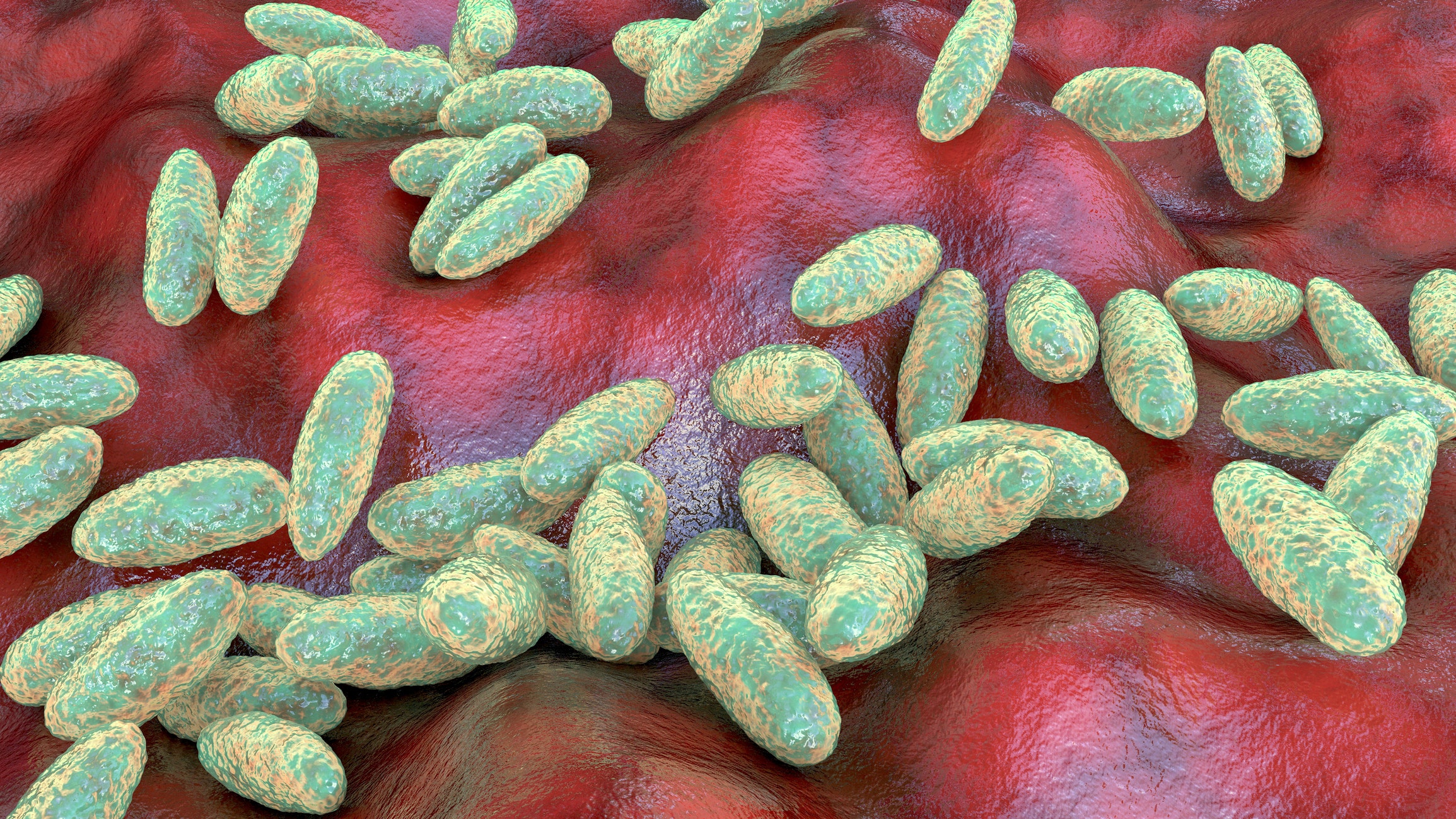
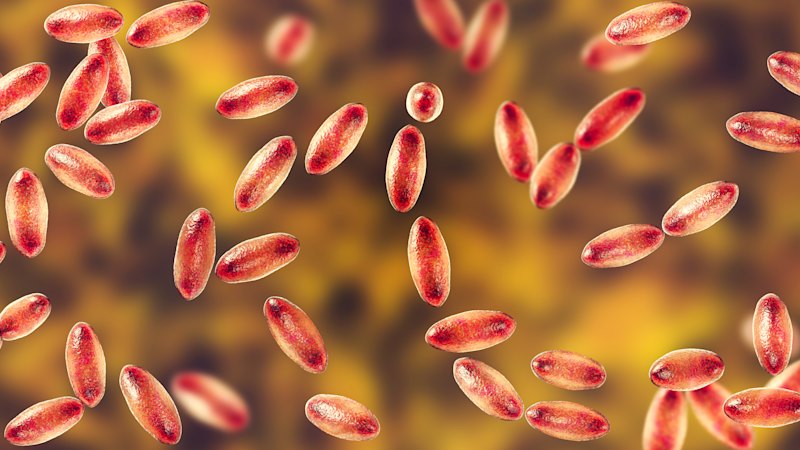
Plague is a bacterial disease that can occur in several forms, including pneumonic plague, which is the most contagious type and can be transmitted by respiratory means.
asserted
which → occur → means
Bubonic plague is transmitted by infected fleas.
asserted
plague → transmit → fleas
Pneumonic plague, which causes lung failure, can be fatal if not treated early, according to the World Health Organization (WHO).
uncertain
which → cause → Organization
“The WHO initial risk assessment from the information available estimates the risk to be moderate to low for Irkutsk,” WHO spokesman Christian Lindmeier told a press briefing in Geneva.
asserted
Lindmeier → estimate → Geneva
He said the risk was low for Russia as a whole, and very low for the rest of Europe.
asserted
risk → say → Europe
US President Donald Trump, meanwhile, said his government was [looking at the situation](https://<blockquote class="twitter-tweet"><p lang="en" dir="ltr">.@SecRubio on the possible Russia plague outbreak: "We’re watching and monitoring it closely.
asserted
We → say → it
I don’t think it’s cause for alarm, but it is cause for focus." https://t.co/pWbvfmV6uE
—
asserted
it → think → focus
“We’ll help them as much as we can,” he told reporters on Monday when asked about the situation.
asserted
he → help → situation
An international conference on plague and other infectious diseases will meanwhile be held in Irkutsk on October 21-22.
asserted
conference → hold → October
The conference was arranged in June and organisers said it was “unrelated to the recent death of an employee of the anti-plague institute”.
asserted
it → arrange → institute
 The Aporia