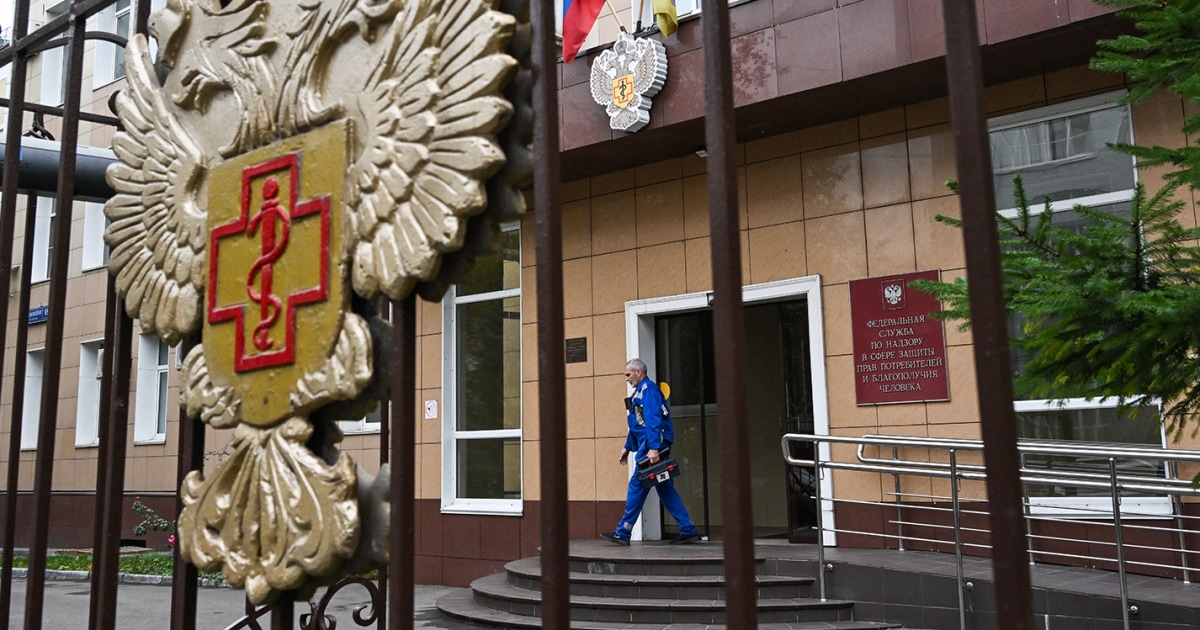
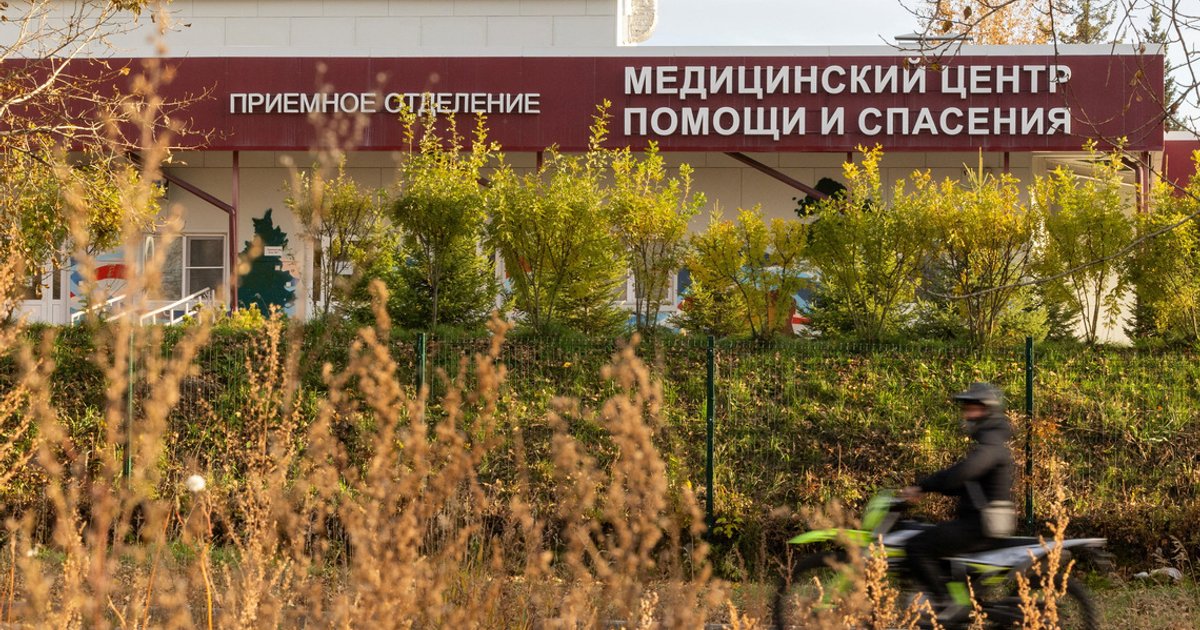
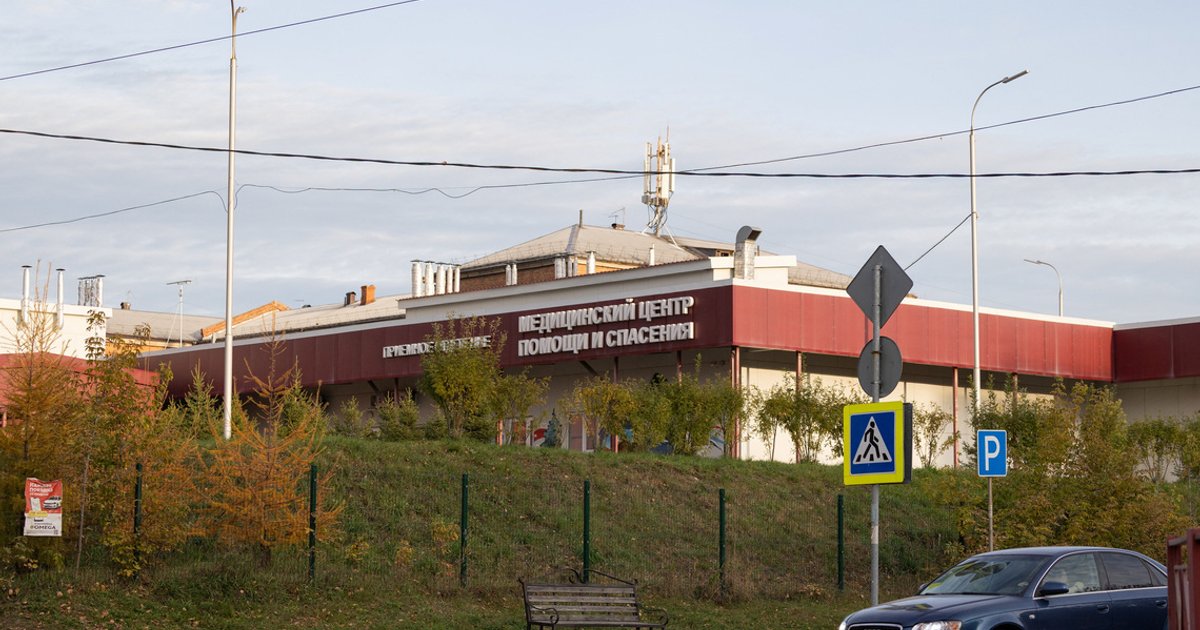
Rospotrebnadzor said Darya Shipilova, 28, died of "pneumonia of unknown aetiology" with no links to her work at the Irkutsk Anti-Plague Institute, but imposed quarantine on her contacts, confined 60 colleagues inside the facility and restricted access to hospitals including a maternity ward.
asserted
Shipilova → say → ward
Russian authorities have insisted a lab researcher who died in Siberia last week did not have the plague while quarantining nearly 200 of her contacts, confining more than 60 colleagues inside their institute and restricting access to multiple hospitals, all without explanation.
asserted
who → insist → explanation
Darya Shipilova, 28, a researcher at the Irkutsk Anti-Plague Research Institute, was admitted to Shelekhov District Hospital in late September and died last Friday night.
asserted
Shipilova → admit → September
Russia's national health watchdog Rospotrebnadzor said biological samples from her body found no microorganisms linked to her professional work and that she died from "pneumonia of unknown aetiology."
asserted
she → say → aetiology
The agency said its special commissions had found no accidents involving pathogenic microorganisms at the institute.
asserted
commissions → say → institute
Kremlin spokesman Dmitry Peskov told reporters to rely solely on Rospotrebnadzor's statements.
asserted
Peskov → tell → statements
Between 189 and 197 of Shipilova's contacts were placed under observation and quarantine, according to figures cited by independent and regional media.
uncertain
189 → place → media
Initial tests among those contacts returned negative.
asserted
tests → return → contacts
More than 60 staff members of the anti-plague institute were effectively confined inside the facility for several days.
asserted
members → confine → days
Quarantine restrictions were also imposed on hospitals in Irkutsk, including a maternity ward, according to reporting by multiple regional and international outlets.
uncertain
restrictions → impose → outlets
Patients at one facility said doctors cited plague as the reason.
asserted
doctors → say → reason
Relatives of a woman in labour were refused entry to the ward despite having paid for partner-assisted birth.
asserted
Relatives → refuse → birth
The head of neighbouring Buryatia, Alexei Tsydenov, initially said after Shipilova's death that she had died of plague, then amended this to "possibly plague".
uncertain
she → neighbour → plague
Irkutsk regional authorities posted a message on Friday asking residents not to travel to the satellite town of Shelekhov because of plague, then deleted it.
asserted
authorities → post → it
Governor Igor Kobzev described the cause of death as "pneumonia of unknown aetiology" on Monday.
asserted
Kobzev → describe → Monday
What are international authorities saying?
asserted
authorities → say → What
The World Health Organization said it assessed the public health risk from the incident as low to moderate for Irkutsk region, low for Russia as a whole and very low for the WHO European region.
asserted
it → say → region
It said Russian authorities had identified Shipilova's contacts and were monitoring them, and that they had detected no dangerous infectious disease agents among those contacts.
asserted
they → say → contacts
The European Centre for Disease Prevention and Control told Euronews it was "closely following the situation" and was in contact with the WHO.
"
asserted
it → tell → WHO
We are aware of a case of pneumonia of unknown origin in eastern Russia that is suspected to be plague.
asserted
that → suspect → Russia
This suspicion has not yet been confirmed," an ECDC representative said.
asserted
representative → confirm → ?
US authorities are also monitoring developments, while Kazakhstan and Kyrgyzstan have strengthened sanitary controls at their borders with Russia.
asserted
Kazakhstan → monitor → Russia
Uzbekistan has also strengthened its public-health preparedness after reports of a suspected case of a particularly dangerous infectious disease in Russia’s Irkutsk region, while stressing that the diagnosis has not yet been confirmed.
asserted
diagnosis → strengthen → region
Online theories swirl
asserted
theories → swirl → ?
Two unofficial theories have circulated in Russian media.
asserted
theories → circulate → media
The first, reported by Telegram channels SHOT and Baza, holds that Shipilova accidentally broke a test tube containing the plague pathogen in the laboratory.
asserted
Shipilova → report → laboratory
Several specialists consider this unlikely, noting that work with high-risk pathogens is conducted inside sealed safety cabinets with protective suits and strict decontamination protocols.
asserted
work → consider → suits
The second theory is that the infection was acquired during field research in a region with natural plague reservoirs.
asserted
infection → acquire → reservoirs
The head of Buryatia publicly denied that Shipilova had visited the region.
asserted
Shipilova → deny → region
The official diagnosis has not been confirmed or ruled out by published PCR test results.
asserted
diagnosis → confirm → results
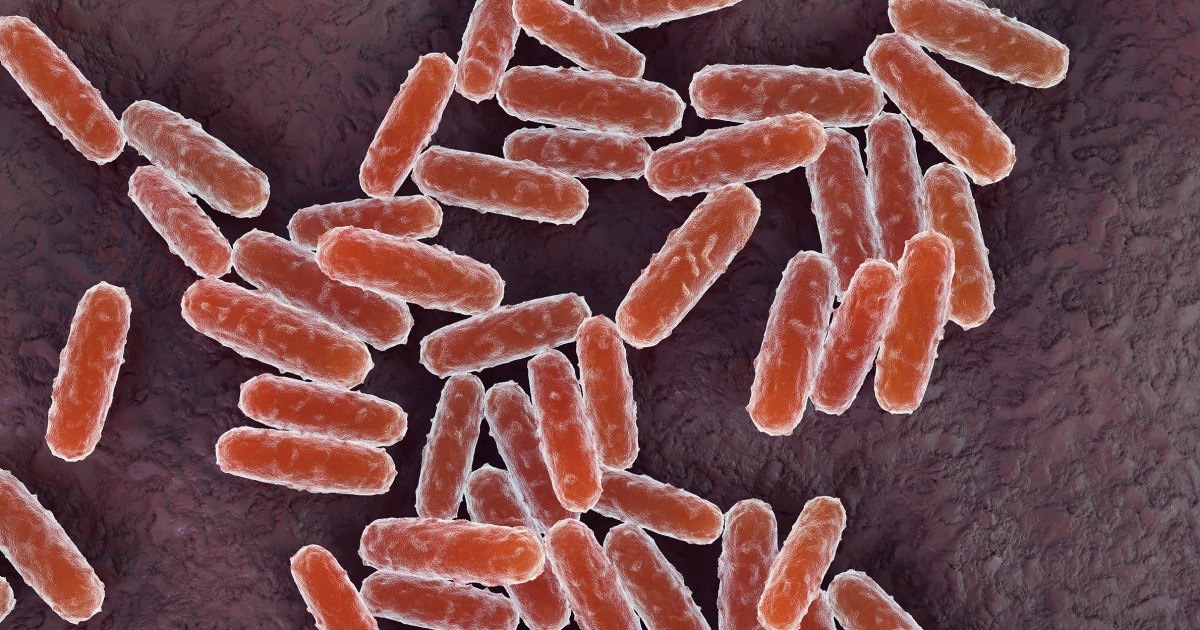
Plague is caused by the bacterium Yersinia pestis.
asserted
Plague → cause → bacterium
Its most common form, bubonic plague, affects the lymphatic system.
asserted
form → affect → system
Pneumonic plague, which can spread between people via airborne droplets, is considered the most dangerous.
asserted
which → spread → droplets
Russia's most recent confirmed human cases were recorded in the Altai region in 2014, 2015 and 2016, all involving people who handled marmots.
asserted
who → confirm → marmots
Human plague cases in Russia remain rare despite natural reservoirs existing in several regions.
asserted
reservoirs → remain → regions
 The Aporia