That is 0 articles you have read today.
The Aporia is free and carries no advertising, so readers are the only
thing paying for it. If you are getting this much out of it, a small
donation is what keeps it independent.
Daily limit reached
You have read 0 articles today.
That is more than the 15 a day The Aporia gives away,
and well past what it can carry on nothing. Your allowance resets at
midnight.
There is no advertising here and nothing about you is sold, so readers
are the only thing paying for it. If the site is worth this much of
your day, it is worth a few dollars.
Everything else stays open: the
maps, the
directory and
search do
not count against this, and neither does re-opening something you have
already read today.
The Independent
· collected 2026-10-11 · by Gnaneshwar Rajan and Alessandra Prentice
The World Health Organisation (WHO) has released an update stating that they do not know what caused pneumonia in a Russian lab worker at an anti-plague research center in Siberia who died on October 2nd. The WHO report indicates no plague cases have been registered, and tests of the deceased and those she was in contact with were negative for high-threat pathogens. However, the organization calls for continued investigation due to uncertainty about the cause of death and lack of a confirmed diagnosis.
Written locally by qwen2.5:14b on 2026-10-11,
using this article's own text rather than the other coverage of the
same event (that is the story summary below).
Story summary
A 28-year-old lab technician named Darya Shipilova died of pneumonic plague in Siberia after breaking a test tube at the Irkutsk Anti-Plague Institute on September 29, two days before her death. Around 200 people who had contact with Shipilova were placed under quarantine. Governor Igor Kobzev declared a mask mandate and closed several hospitals for three weeks as a preventive measure. Russian authorities are downplaying the severity of the situation, but there are concerns about potential cover-up efforts, similar to those seen during the early stages of the COVID-19 pandemic in Wuhan. The U.S. State Department is monitoring the outbreak closely with the CDC and other agencies, urging Russia for timely information sharing. Health officials stress that prompt antibiotic treatment can effectively manage pneumonic plague cases.
Written for “Plague Outbreak in Siberia” on 2026-10-11,
grounded in this article and the 109 other(s) covering the same event.
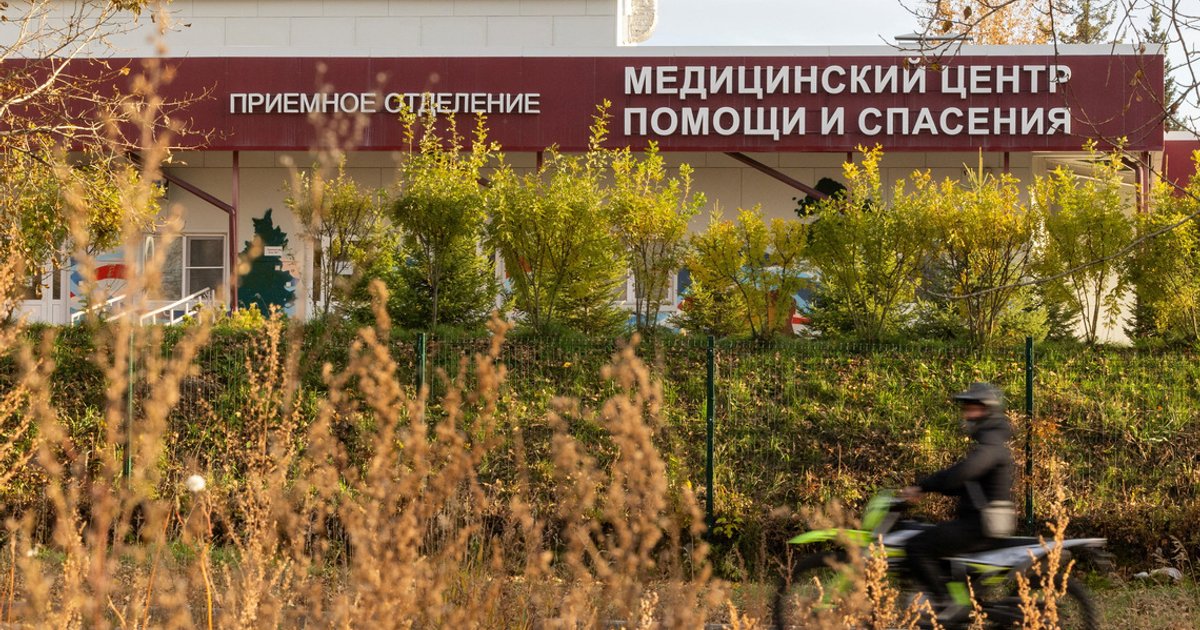
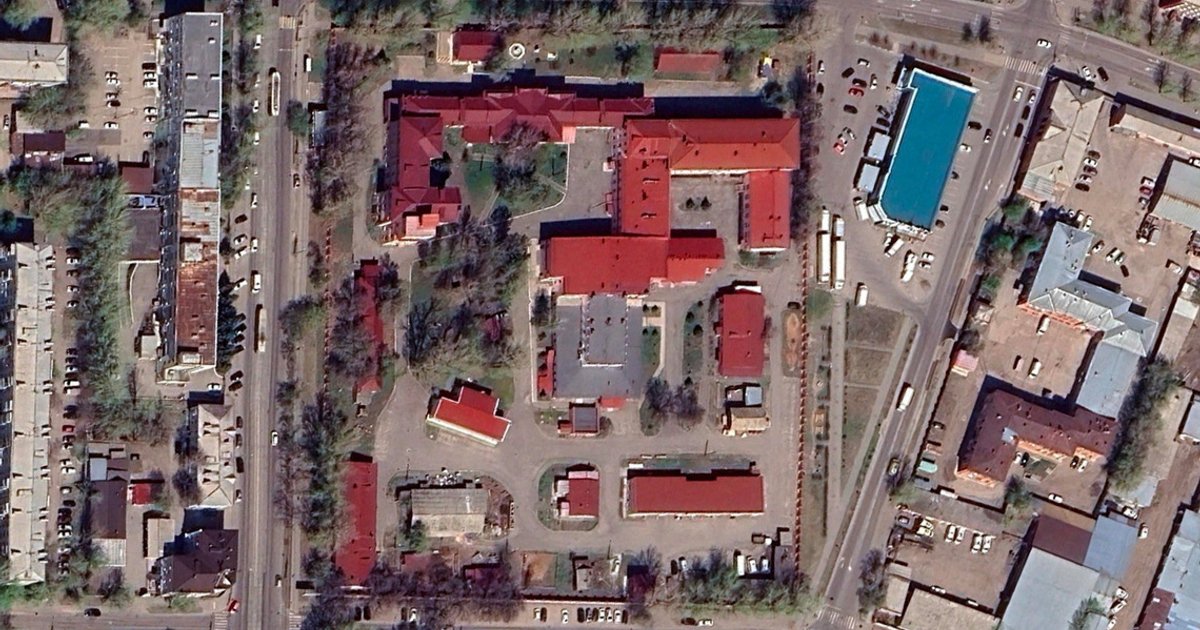
The World Health Organisation (WHO) has said it still does not know what caused the pneumonia that killed a Russian lab worker at an anti-plague research centre in Siberia this month.
asserted
that → say → Siberia
On Saturday, the UN health agency said no case of plague has been registered.
asserted
case → say → plague
The lab worker fell ill and died in undisclosed circumstances on October 2, prompting authorities to quarantine about 200 people.
asserted
worker → fall → people
The WHO said the Russian state regulator reported that tests of the lab worker and those who came in contact with her were negative for the high-threat pathogens tested, that her contacts still showed no symptoms, and that no further linked cases of severe pneumonia had been identified.
asserted
cases → say → pneumonia
"Based on the information provided ... (the) WHO has not identified evidence of ongoing transmission associated with this event.
asserted
WHO → base → event
A key uncertainty remains the absence of a confirmed diagnosis in the deceased laboratory worker," it said.
asserted
it → remain → worker
The WHO, in its first full Disease Outbreak News (DONs) update since the case emerged earlier this month, called for a continued investigation.
“Additional clinical, epidemiological and laboratory information, including confirmation of the diagnosis in the deceased laboratory worker, is required to improve confidence in the assessment,” it added.
asserted
it → emerge → assessment
It did cite initial, unconfirmed reports suggesting the death was linked to the pneumonic plague, a severe disease less common than the better-known bubonic plague linked to the Black Death in the Middle Ages.
uncertain
death → cite → Ages
Pneumonic plague spreads from person to person, causing a severe form of pneumonia, but recovery rates are high if it is detected and treated in time.
asserted
it → spread → time
Global health officials have been extra alert to fatal pneumonia cases of undetermined cause since the COVID-19 pandemic, which began with a cluster of fast-spreading fatal respiratory illness in China.
asserted
which → begin → China
The cause of individual pneumonia cases can often not be determined.
asserted
cause → determine → cases
Russian authorities have said the lab worker was appropriately vaccinated and that they found no microorganisms linked to her work in her body.
asserted
they → say → body
On Thursday, Russia also said it had completed health checks on all the worker's contacts.
asserted
it → say → contacts
It says it had provided full information to the WHO, in line with established procedures.
asserted
it → say → procedures
 The Aporia