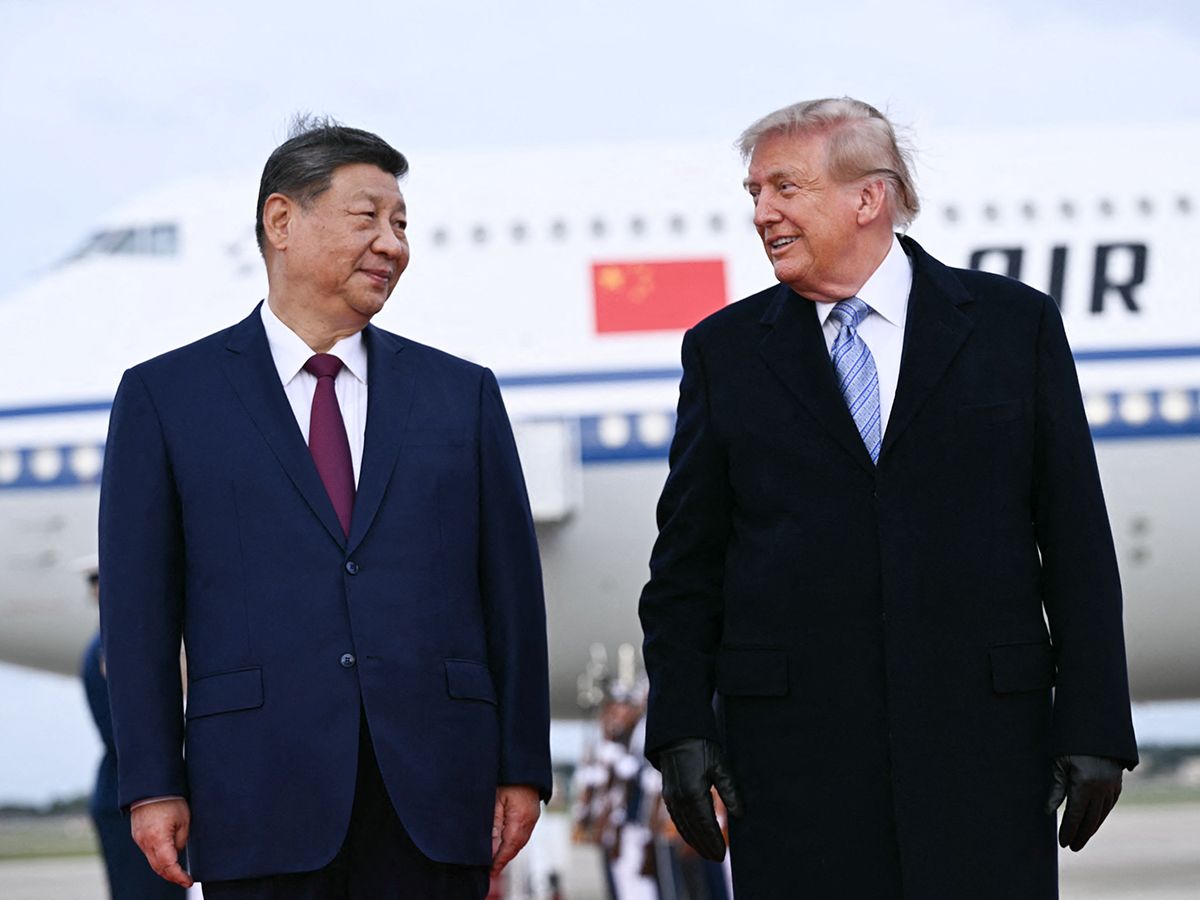
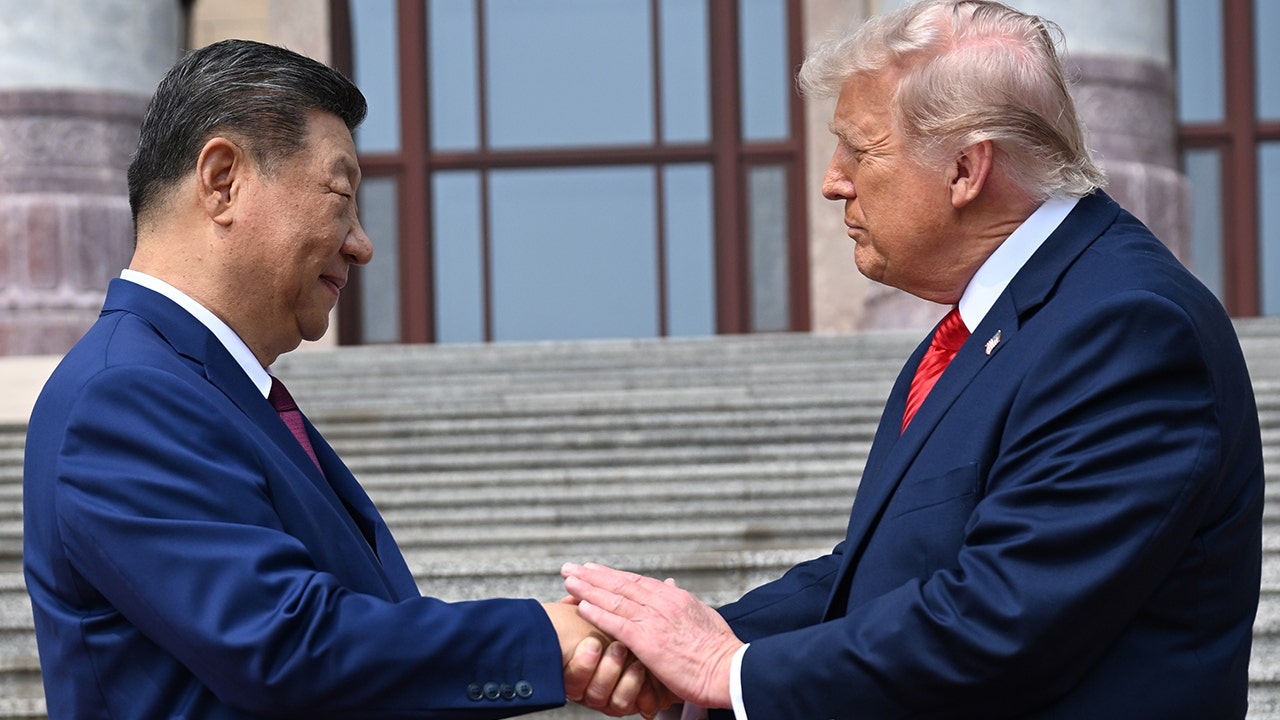
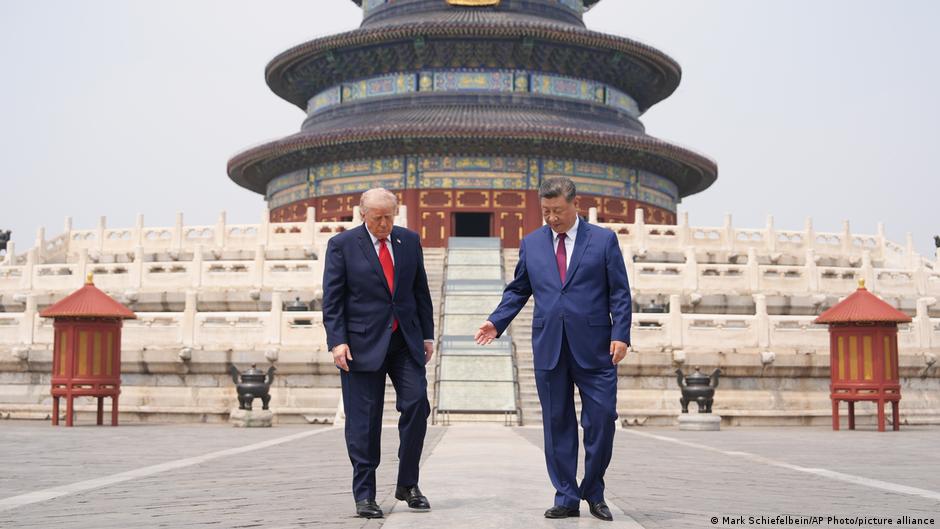
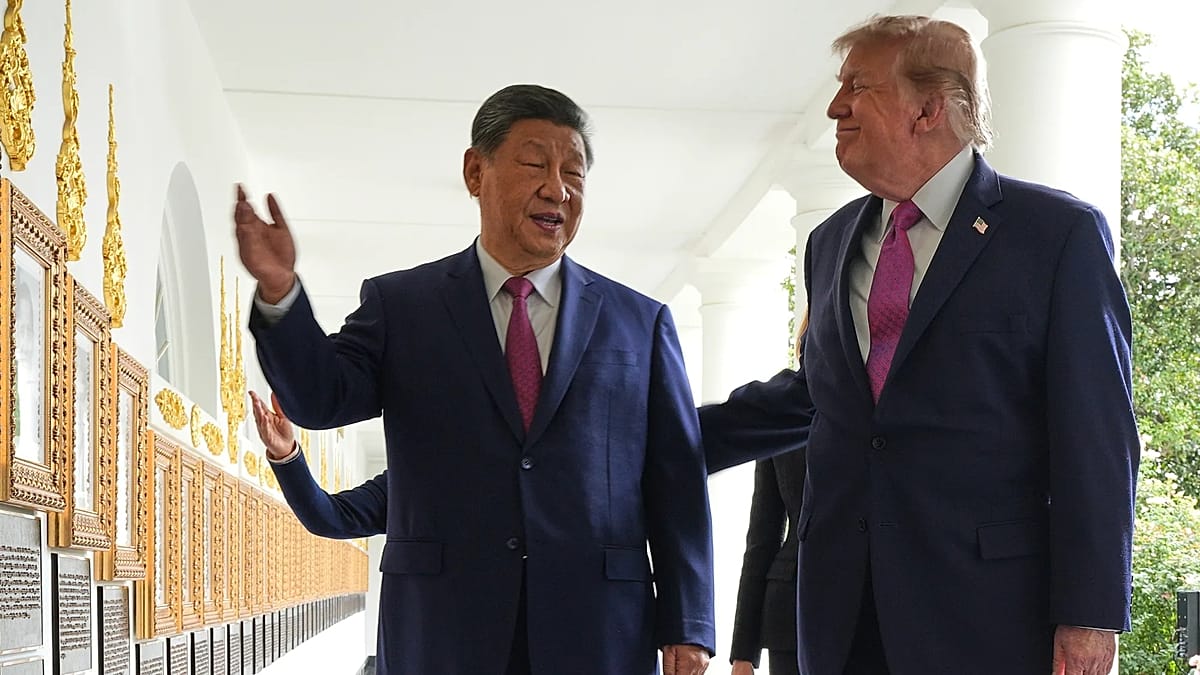
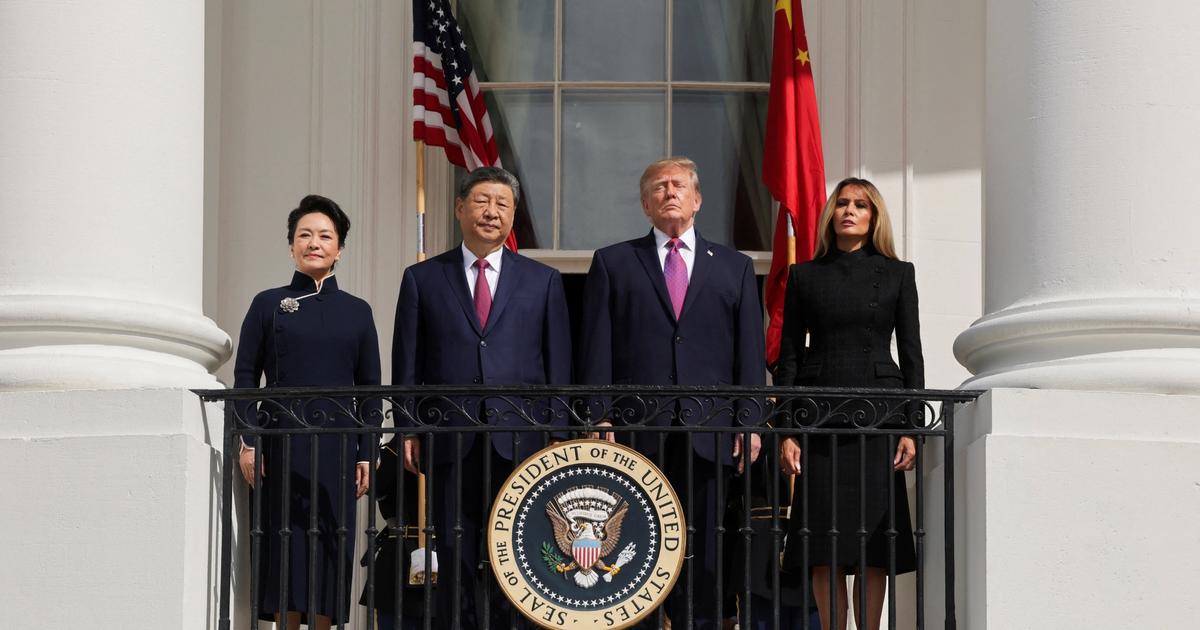
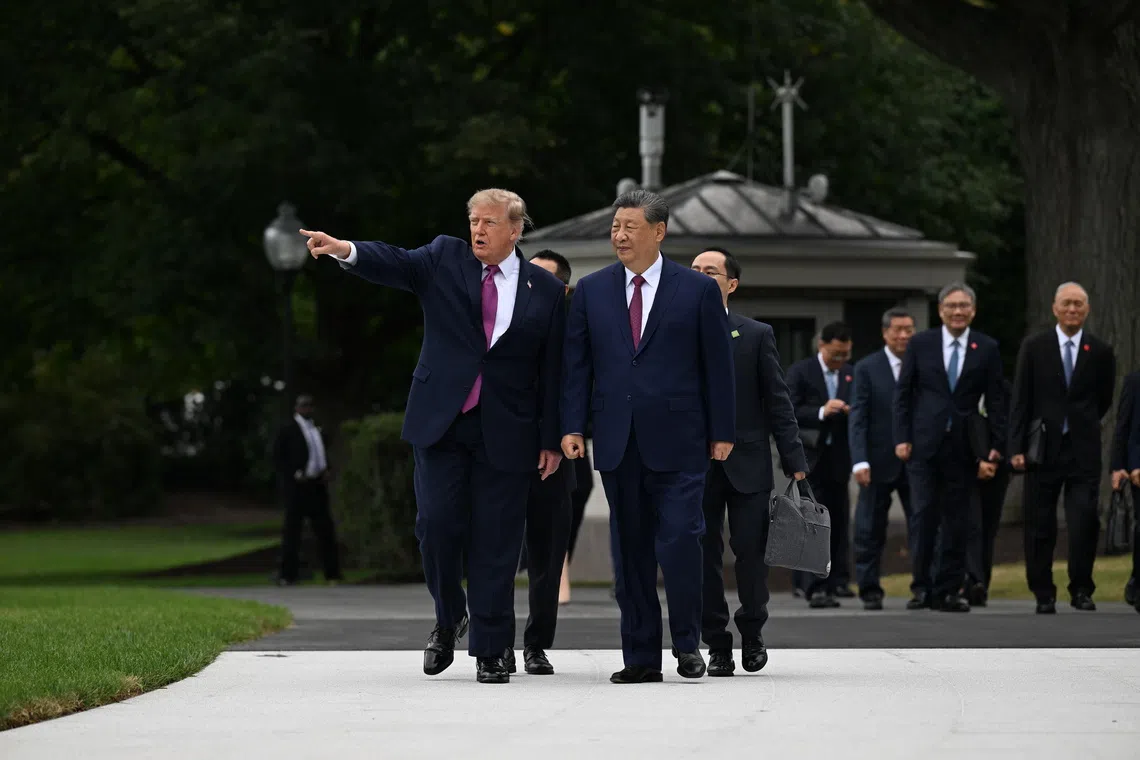
Trade tensions are becoming a familiar problem for Washington and this week President Donald Trump is putting his deal-making skills to the test as he hosts China’s president at the White House.
asserted
he → become → House
Xi Jinping arrived in Washington, D.C., on Wednesday, and he and Trump will hold talks on Thursday.
asserted
he → arrive → Thursday
They are expected to discuss Iran, Taiwan, and AI safety standards, but the main focus will be on trade — and particularly U.S. access to Chinese rare-earth magnets and processed materials that also feed Canadian supply chains.
asserted
that → expect → chains
The summit comes nearly a year after Xi and Trump forged a trade truce in Busan, South Korea, suspending selected retaliatory measures — including some Chinese export controls on rare-earth magnets and critical materials — and reducing some U.S. tariffs.
asserted
Xi → come → tariffs
Now, that truce is set to expire on Nov. 10, and Trump is seeking an economic victory ahead of November’s midterms.
asserted
Trump → set → midterms
He also must ensure the continued flow of Chinese rare-earth exports to U.S. manufacturers.
asserted
He → ensure → manufacturers
Canadian leaders will be watching for any sign of a deal, but trade analysts say Ottawa is likely to lose either way, whether Xi and Trump fail or succeed in coming to an agreement.
asserted
Xi → watch → agreement
A collapsed truce could disrupt Canadian manufacturers that rely on Chinese magnets and processed rare earths, while an extension could bring short-term stability but leave Canada dependent on Chinese supply.
uncertain
extension → disrupt → supply
An extended truce would also leave Canada exposed to a wider U.S.-China trade deal that diverts sales and investment to the U.S.
“No matter what happens, the Canadians are going to be in a position [where] they’re worried about how much of the piece of the pie they’re going to lose,” said Stephen Nagy, senior fellow at the Macdonald-Laurier Institute.
asserted
Nagy → leave → Institute
China, pushing for greater stability, wants to extend the truce until the end of the Trump presidency, while the White House is pushing for just a six-month extension.
asserted
House → push → extension
The rationale for the shorter extension, explained Dominic Chiu, a senior China and Northeast Asia analyst at Eurasia Group, is that the U.S. believes “it gives them more leverage to extract concessions and to continue the momentum to negotiate with the Chinese … in exchange for additional extensions along the way.
asserted
it → explain → way
The report on Washington’s Section 301 structural excess capacity investigation against China has reportedly been punted until after the summit, but that probe may be factoring into Trump’s timeline demands.
uncertain
probe → punt → demands
“Giving more than six months would effectively be indicating that the 301 investigation is null,” said China scholar Anna Ashton, of Ashton Intelligence.
asserted
Ashton → give → Intelligence
“The U.S. side will want to have those 301 investigation findings as future leverage for the next round of talks,” she added, noting she expects a six-month extension of the truce to result.
asserted
extension → want → truce
Few expect major breakthroughs this week, but most of the trade watchers said a six-month to year-long truce extension is likely.
asserted
extension → expect → watchers
Chiu said he’s mostly anticipating pomp and circumstance rather than tangible deliverables on Thursday.
asserted
he → say → Thursday
He expects a truce agreement to come closer to the November deadline.
asserted
agreement → expect → deadline
Neither Ashton nor Chiu, however, anticipate any concrete Chinese commitments on rare-earth licensing volumes, turnaround times, minimum supply levels, or enforcement.
asserted
Ashton → anticipate → volumes
If the truce lapses, Canadian manufacturers could face more costly and less reliable access to Chinese magnets and processed rare-earth materials.
uncertain
manufacturers → lapse → magnets
That could increase pressure for Ottawa to de-risk more quickly by building the infrastructure and industry Canada needs to mine and process rare earths domestically.
uncertain
Canada → increase → earths
Building rare-earth capacity takes years of sustained financing, permitting, infrastructure, and technical expertise.
asserted
Building → build → financing
The Carney government has already signalled support for expanding the sector, but it will take several years.
asserted
it → signal → years
“You don’t just open up supply chains in these rare earths quickly,” said Mark A. Smith, CEO of Colorado-based critical-minerals developer NioCorp Developments.
asserted
Smith → open → Developments
But Reza Hasmath, a politics professor at the University of Alberta, argues that a longer period of stability could be more useful to Canada’s industrial strategy than a supply crisis.
uncertain
period → argue → crisis
A longer truce, he said, would give Canada more time to build the processing capacity and infrastructure it needs.
asserted
it → say → capacity
“From a strictly rare earth perspective, though, I would suggest that the greater the extension, the better it is for (Canada) because it gives manufacturers much more stability, but it also buys us time to develop that industry a bit more,” he said.
asserted
he → suggest → industry
More broadly, however, he sees better U.S.-China relations as bad news for Ottawa.
asserted
he → see → Ottawa
“When Chinese-U.S. relations are terrible, that gives (Canada) the most leverage, and when they are less tense and when there is a greater truce, generally speaking, it’s not to (Canada’s) advantage,” he said.
asserted
he → give → advantage
Hasmath said a truce is still preferable for Canadian manufacturers, but he explained that Washington has more incentive to seek Canadian alternatives when its relationship with Beijing deteriorates.
asserted
relationship → say → Beijing
According to Ashton, no truce or a shorter truce extension could give Beijing more incentive to preserve commercial options with Canada.
uncertain
truce → accord → Canada
That could boost Ottawa’s bargaining leverage as it seeks to extend Chinese tariff relief on Canadian canola meal, lobster, and crab, which is set to expire in December.
uncertain
which → boost → December
Nagy cautions, however, that if the U.S. administration takes a harder line on Beijing, Trump may demand Ottawa’s alignment under threat of more tariffs.
uncertain
Trump → caution → tariffs
But the same stability that protects manufacturers could weaken the political case for building Canadian alternatives, some warned.
uncertain
some → protect → alternatives
More predictable Chinese supply could ease the political urgency — and public-financing momentum — to build Canadian processing capacity.
uncertain
supply → ease → capacity
“On the whole, it’s beneficial to industry at large, but it could slow down the momentum for the critical minerals industry in Canada specifically,” said Chiu.
uncertain
Chiu → ’ → Canada
Smith said the underlying case for diversification should survive either way.
asserted
case → say → diversification
“We cannot sit here and be dependent on any single country for any single item.
asserted
We → sit → item
We have to have alternatives,” he said.
asserted
he → have → alternatives
But Hasmath and Nagy agree an extended truce could pose another downside: a wider U.S.-China trade deal could undercut Canadian exporters.
uncertain
deal → agree → exporters
The more the Chinese buy from the Americans, that’s less of our exports going to the Chinese
Most trade watchers believe Beijing will agree — whether it’s this week or in the weeks to come — to buy more U.S. agricultural goods and Boeing aircraft and that the two sides will announce an intention to begin AI-related security talks.
asserted
sides → buy → talks
…and 9 more, not listed.
 The Aporia