That is 0 articles you have read today.
The Aporia is free and carries no advertising, so readers are the only
thing paying for it. If you are getting this much out of it, a small
donation is what keeps it independent.
Daily limit reached
You have read 0 articles today.
That is more than the 15 a day The Aporia gives away,
and well past what it can carry on nothing. Your allowance resets at
midnight.
There is no advertising here and nothing about you is sold, so readers
are the only thing paying for it. If the site is worth this much of
your day, it is worth a few dollars.
Everything else stays open: the
maps, the
directory and
search do
not count against this, and neither does re-opening something you have
already read today.
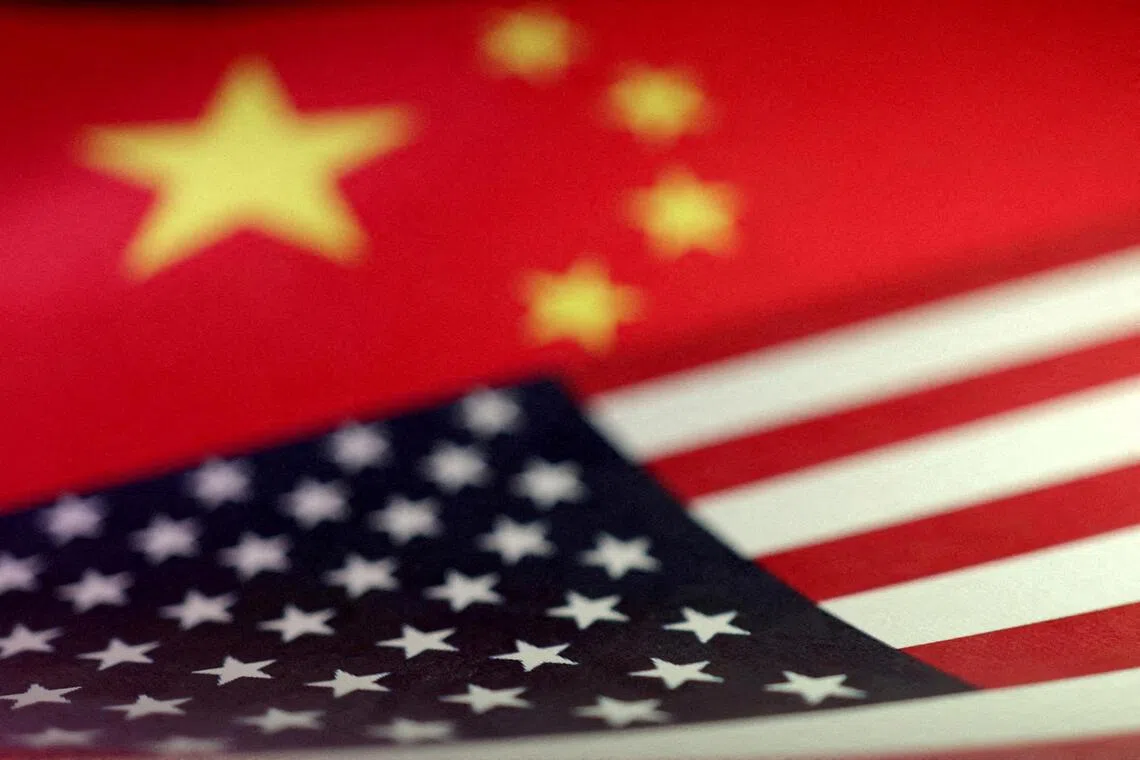
China plans to reduce tariffs on a variety of US agricultural products including corn, wheat, meat, and dairy but will maintain existing tariffs on soybeans. The tariff reductions are part of a $60 billion package agreed upon during the recent Washington summit between Chinese President Xi Jinping and former US President Donald Trump. However, despite excluding soybeans from the tariff cuts, state-owned companies in China have continued to purchase significant quantities of US soybeans. Analysts suggest that maintaining high tariffs on soybeans gives Beijing political leverage in its negotiations with the United States ahead of the midterm elections.
Written locally by qwen2.5:14b on 2026-09-28,
using this article's own text rather than the other coverage of the
same event (that is the story summary below).
Story summary
Before the Xi-Trump summit last week, analysts expected soybeans to be included in tariff-reduced arrangements between China and the U.S., but China excluded them from a tariff-reduction list released on September 28, 2026, despite cutting tariffs on other agricultural goods like corn, wheat, meat, and dairy. This decision disappointed American farmers, such as John Bartman, an Illinois-based soybean farmer who called it "a missed opportunity." U.S. soybeans still face an additional tariff of 10%, which traders say is too high for private crushers to absorb, even as Chinese state buyers have stepped up purchases. Despite this exclusion, both sides agreed to form a trade council to discuss reciprocal tariff cuts on $30 billion worth of products and stabilize economic ties.
Written for “US-China Tariff Cuts Deal” on 2026-10-05,
grounded in this article and the 283 other(s) covering the same event.
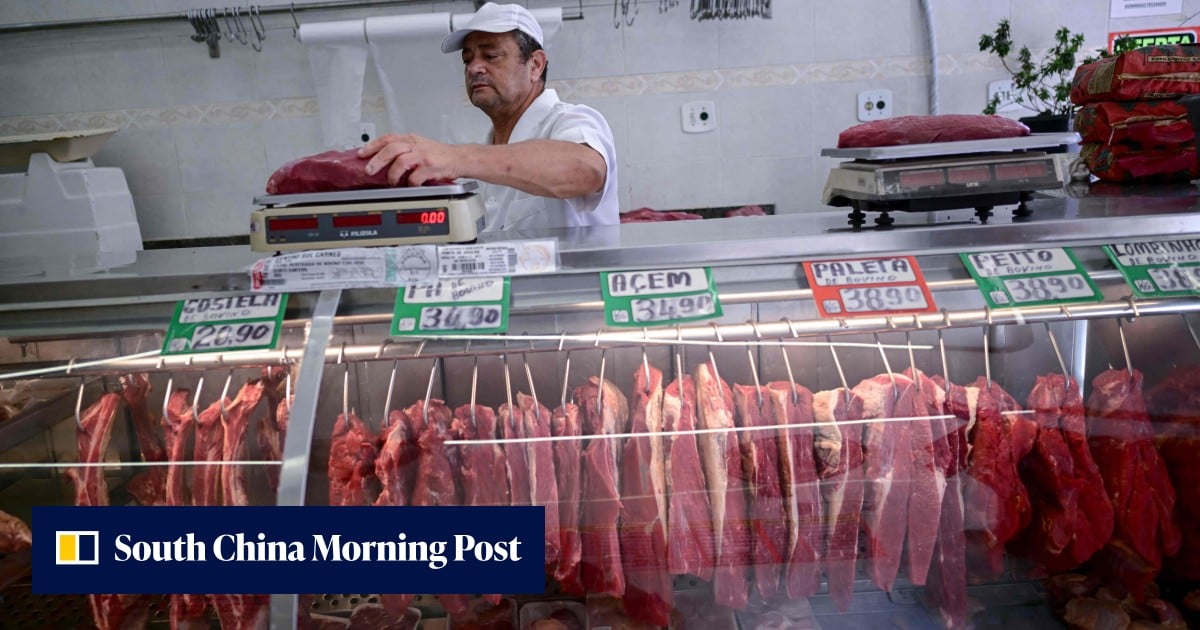
China is set to cut tariffs on a broad range of US agricultural goods, from corn and wheat to meat and dairy, but top import item soybeans were excluded from a tariff-reduction list jointly issued by China’s commerce ministry and the White House.
asserted
soybeans → set → ministry
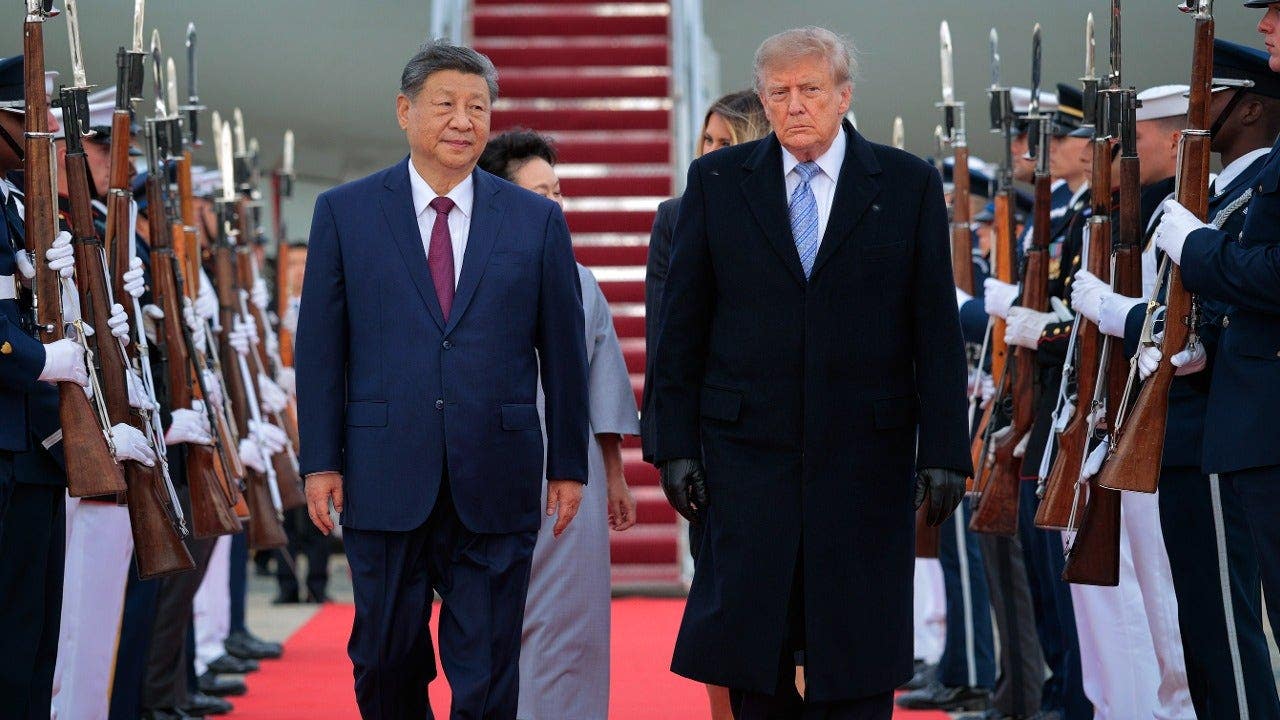
Markets have been waiting for news on Chinese tariff cuts on US farm goods following last week’s Washington summit of leaders Xi Jinping and Donald Trump.
asserted
Markets → wait → Jinping
The agricultural tariff cuts are part of the $60 billion package of reciprocal tariff cuts negotiated by the Board of Trade and unveiled for the first time on Monday.
asserted
cuts → negotiate → Monday
The list covers sorghum, vegetable oils and meals, including soya oil and soya meal, along with meat, dairy products and other items.
asserted
list → cover → meat
While the proposal identifies the covered products, it does not specify when the tariff cuts will take effect.
asserted
cuts → identify → effect
More than 90 per cent of the covered products will be exempt from all additional tariffs imposed on each other and will instead be subject to most-favoured-nation tariff rates, the commerce ministry said in a statement.
asserted
ministry → cover → statement
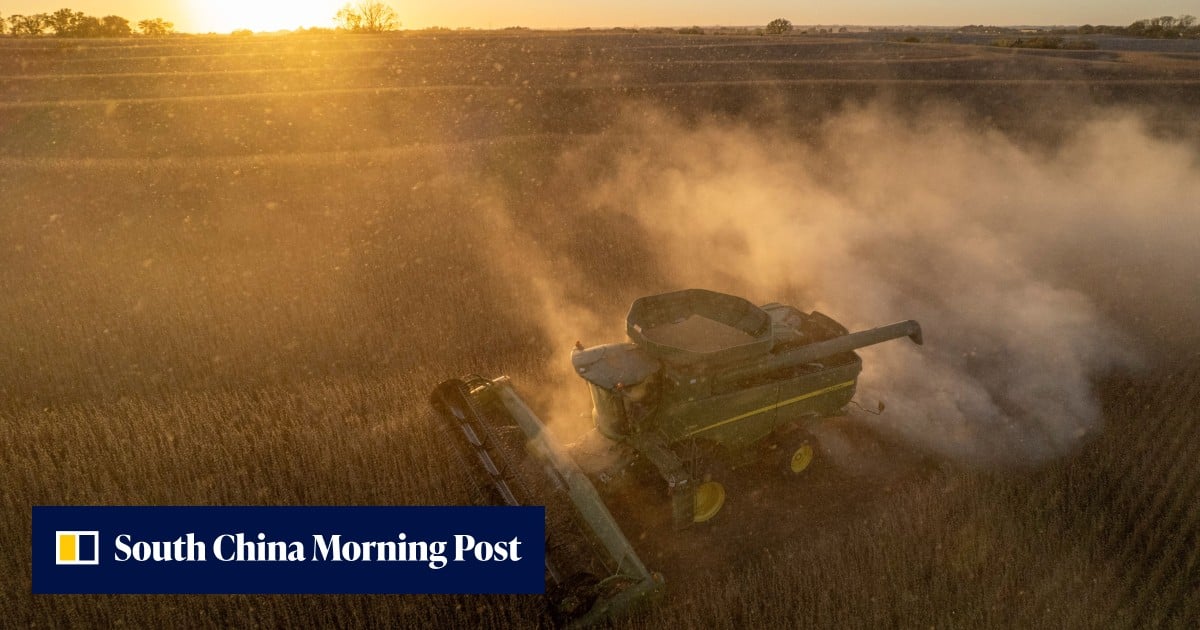
US soybeans, however, still face an additional tariff of 10pc, which traders have warned is too high for private crushers to absorb, even as Chinese state buyers have stepped up purchases.
asserted
buyers → face → purchases
“Despite the soybean being a non-sensitive item in trade, the political significance of China’s soybean purchase is enormous and carries major political implications,” said Feng Chucheng, founder and partner at Hutong Research.
asserted
Chucheng → carry → Research
Keeping soya beans on a separate track gives Beijing leverage in its dealings with Washington, especially ahead of the US midterm elections, Feng added.
asserted
Feng → keep → elections
Chinese state-run agricultural companies Sinograin and COFCO have bought more than 12 million metric tons of US soya beans, nearly half the 25 million the White House has said Beijing committed to buying annually through 2028.
asserted
Beijing → buy → 2028
Trade in the agricultural and related products on Monday’s list stood at about $17 billion in 2024, roughly matching China’s reported purchase commitment, excluding soya beans, according to Reuters calculations.
uncertain
Trade → stand → calculations
In May, the White House said Beijing had agreed to buy that volume annually through 2028, but China has yet to confirm any target for such purchases.
uncertain
China → say → purchases
State-run companies will continue to buy US soya beans and the tariff cuts on other goods will help China meet the $17 billion commitment
asserted
China → run → commitment
, said a trader based in Asia with an international company that sells soya beans to China who spoke on condition of anonymity.
asserted
who → say → anonymity
Without tariffs, the landed cost for both US and Brazilian beans is roughly $595 per ton, although Brazilian soya beans are generally preferred for their higher oil and protein content, according to traders.
uncertain
beans → land → traders
At those prices, Chinese private crushers are running at negative margins.
asserted
crushers → run → margins
The most-active soya bean contract on the Chicago Board of Trade (CBOT) was trading down 1.38pc at $13-3/4 per bushel as of 0709 GMT.
asserted
contract → trade → GMT
 The Aporia