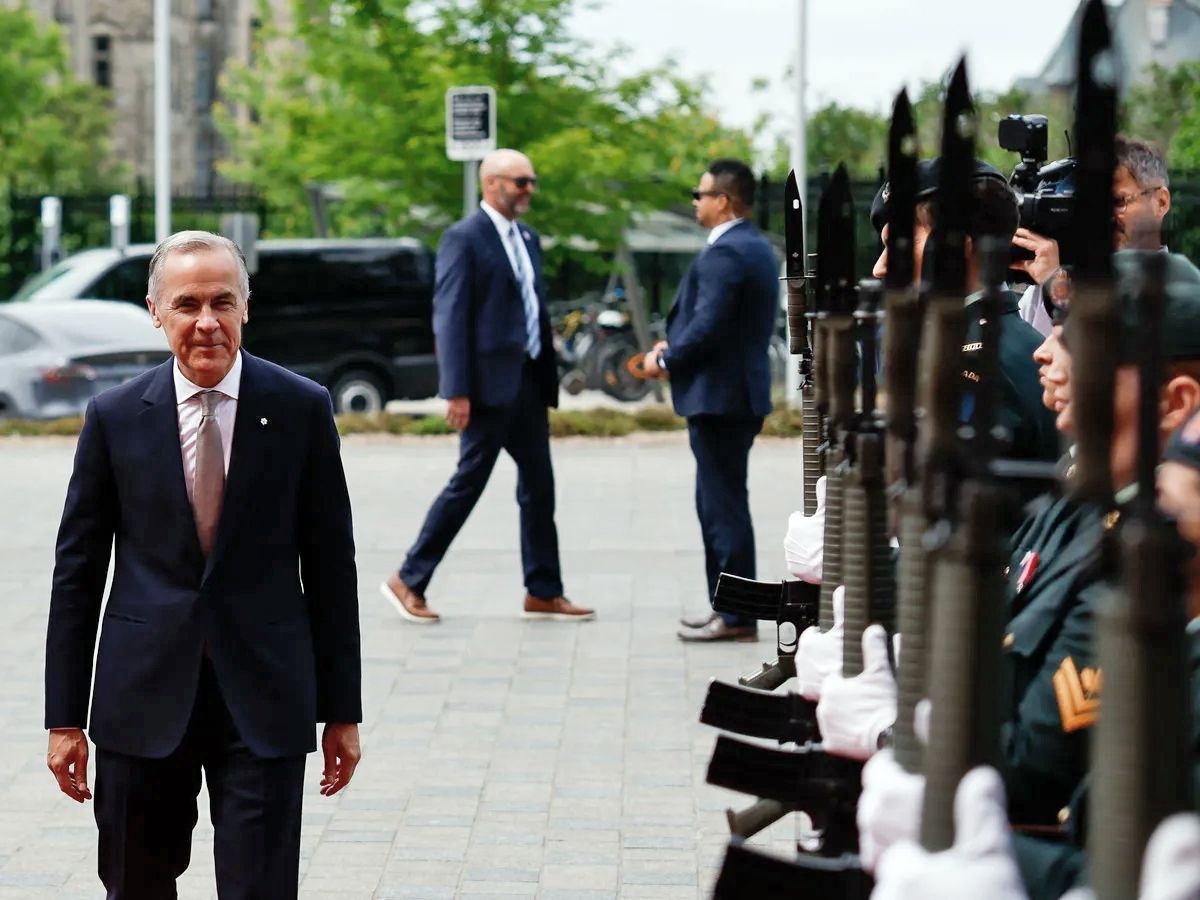
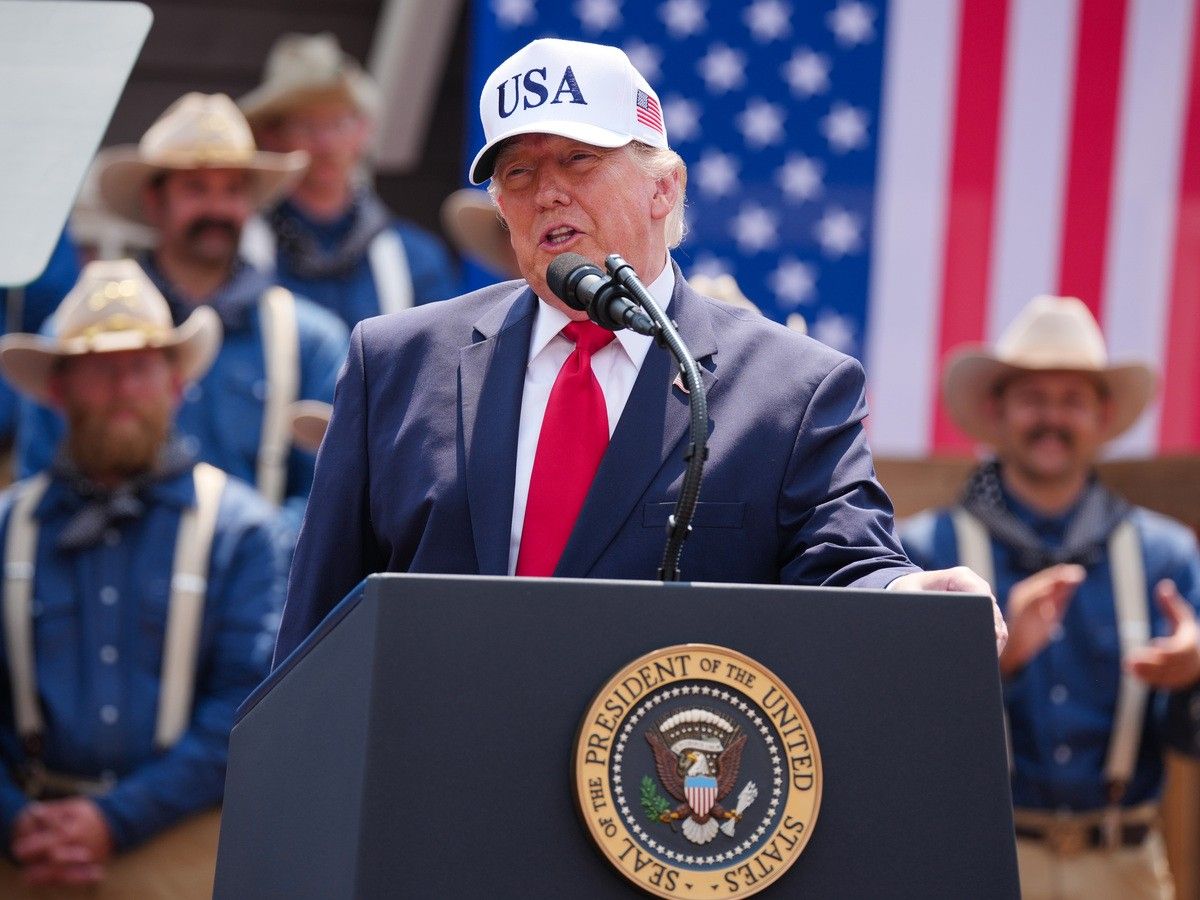
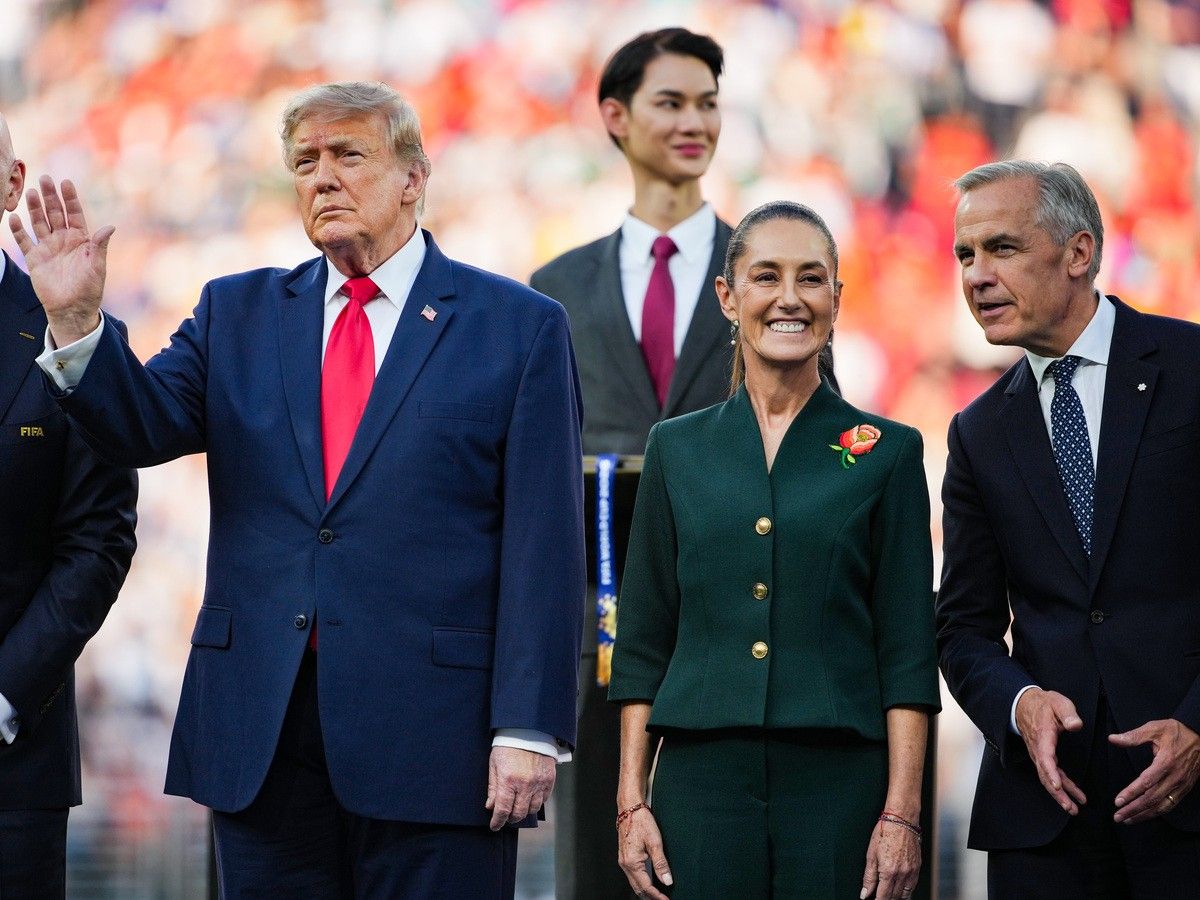
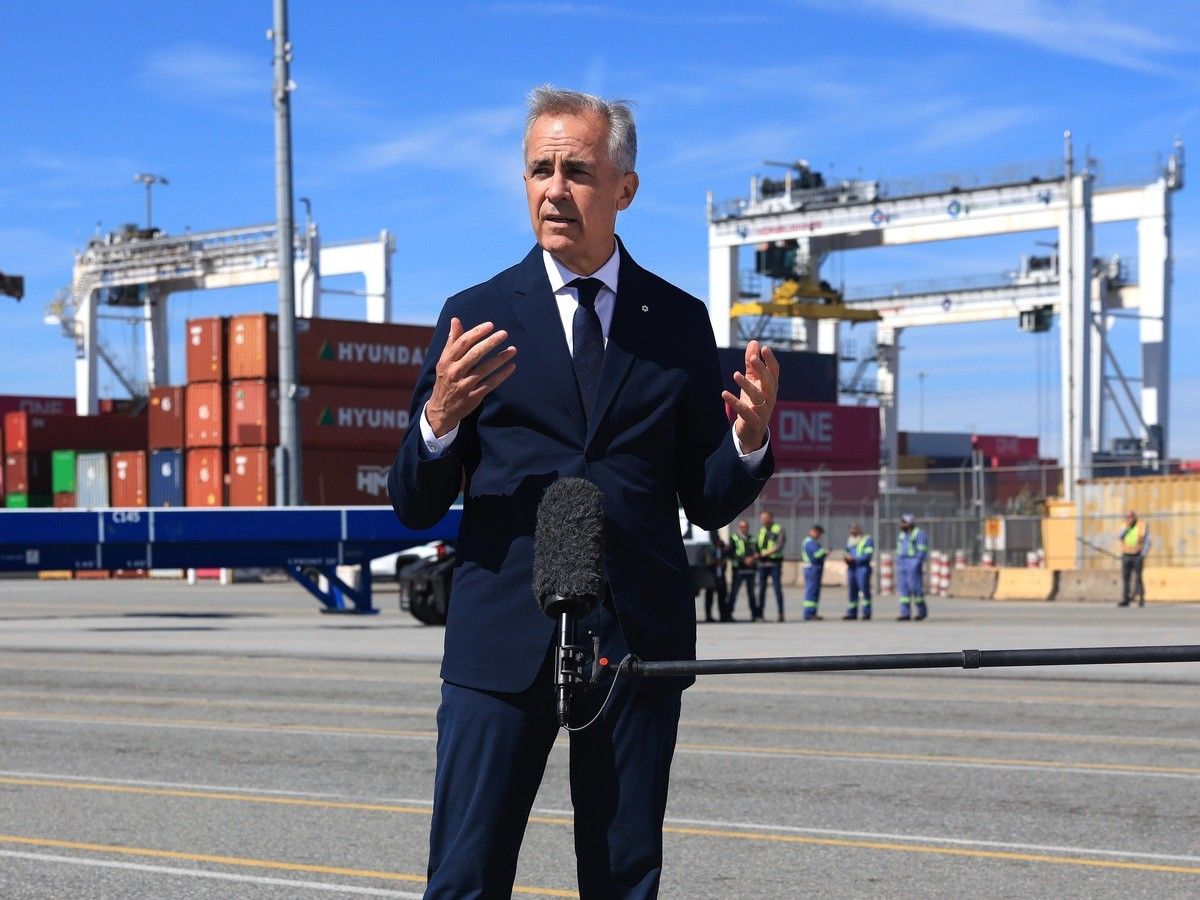
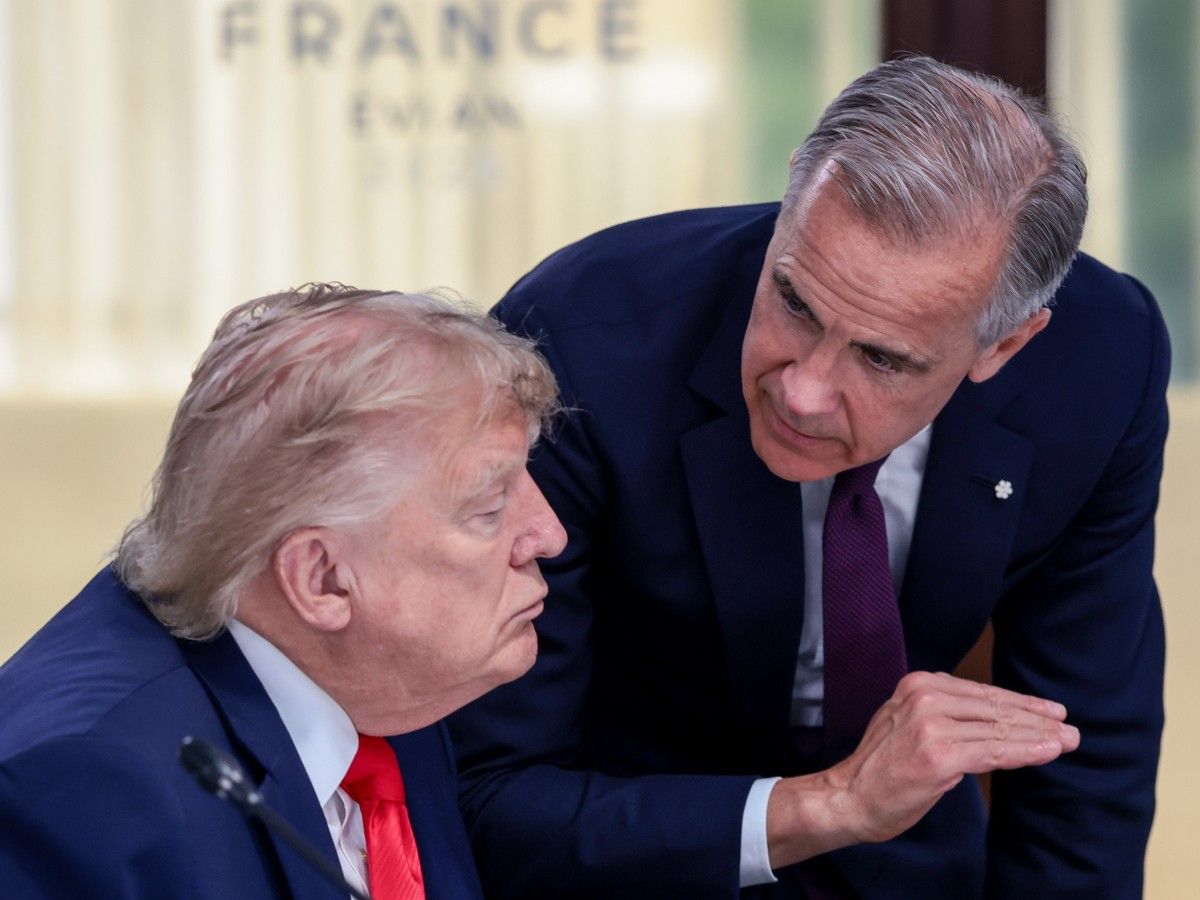
In recent weeks, we’ve learned that Canadian military leaders war-gamed U.S. military action against Canada earlier this year, with Prime Minister Mark Carney having described it as an “extreme tail risk,” in an interview last month with the New York Times.
asserted
Carney → learn → Times
That revelation was a stark reflection of an increasingly strained relationship amid the tariff war, even as Arctic, missile, drone, and homeland-defence threats continue to rise.
asserted
threats → continue → war
To understand how the Canada-U.S. defence alliance is holding up amid these tensions, National Post spoke with retired General Glen VanHerck, commander of U.S. Northern Command and North American Aerospace Defense Command (NORAD) from 2020 to 2024.
asserted
Post → understand → 2024
This Q&A has been edited for clarity and length.
asserted
Q&A → edit → clarity
You led NORAD and U.S. Northern Command through a period of growing political friction between Ottawa and Washington, at least on trade matters.
asserted
You → lead → matters
From the inside, how much did that affect day-to-day defence cooperation, and how much was just business as usual?
asserted
business → affect → cooperation
It did not affect the military relationship or defence cooperation on a day-to-day basis.
asserted
It → affect → basis
What it did was, at times, create doubt about the political commitment to the military mission — to Canada’s responsibility to its NORAD commitment and continental defence in general.
asserted
did → create → commitment
That’s what I would say it created questions or doubt about at times.
asserted
it → ’ → times
From a military perspective, I never doubted the commitment of the Chief of Defence staff (of Canada), the military personnel assigned to NORAD, the military personnel I interacted with at Canadian Joint Operations Command (CJOC) or anyplace else.
asserted
I → doubt → Command
But when you see politically questionable support for that military institution at times — when you see statements that express, ‘Yes, we’re going to do NORAD modernization,’ but no money comes with it; when you see that there’s discussion of a new strategy, but that strategy is delayed a year or two — then that creates questions in one’s mind about commitment and long-term support.
asserted
that → see → commitment
Do you have concerns that today’s trade tensions could negatively affect the defence relationship between the two countries moving forward?
uncertain
tensions → have → countries
I don’t have concerns that the trade challenges we’re experiencing will impact the relationship or military commitment …
asserted
we → have → relationship
The trade challenges and relationships could ultimately impact their ability to support (that commitment) because of a lack of money, resources, platforms that are capable, interoperable, and integrated.
uncertain
that → impact → money
What does Canada contribute to North American defence that the United States could not easily replace, whether it’s in the Arctic, early-warning systems, airspace surveillance, or continental command and control?
uncertain
it → contribute → Arctic
Well, I think the greatest thing Canada commits to and has is its posture, its location in the Arctic, the geography that it offers.
asserted
it → think → that
Certainly, the United States can replace material things, whether it’s radars or airplanes.
asserted
it → replace → things
It cannot replace a government that is committed to a binational relationship.
asserted
that → replace → relationship
That’s the most powerful thing you can have.
asserted
you → ’ → ?
And that relationship — and even expanding that to NATO — is an asymmetric advantage that the United States, Canada, and our partners and allies have had.
asserted
States → expand → that
I would say that relationship has actually prevented the great powers from going to war.
asserted
relationship → say → war
The friction we have politically, in my mind, makes that relationship and that support questionable and erodes strategic stability, because potential adversaries see that and they question our alignment, our support for each other.
asserted
they → have → other
Are we going to have each other’s back, and are we committed to defence and going to war over each other’s sovereignty and the things that we support as an alliance?
asserted
we → go → alliance
That’s the worst thing that could happen.
uncertain
that → ’ → ?
Do you think the onus is more on Canada or the United States to repair the relationship — or do both bear responsibility?
asserted
both → think → responsibility
I think both countries are at fault.
asserted
countries → think → fault
I think countries have reacted based on emotion rather than fact.
asserted
countries → think → emotion
At times, there’s been immaturity in the relationship both ways, and it would be better if we sat down and looked at the positives of the relationship rather than making emotional decisions out of political positions by leaders on both sides.
asserted
we → sit → sides
I do think Canada needs to do more for its defence posture and support.
asserted
Canada → think → posture
I think that has eroded over the years.
asserted
that → think → years
With various elected officials who have been in power, Canada’s support for the defence apparatus did wane a little bit.
asserted
support → elect → apparatus
But at the same time, I think the U.S. could have had these discussions behind closed doors, in non-emotional terms, and gotten to a better place.
uncertain
U.S. → think → place
You’ve said that Canada and the United States are safer together.
asserted
Canada → say → ?
I think the strongest evidence is that North America has been kept safe.
asserted
America → think → ?
We have fielded operable capabilities.
asserted
We → field → capabilities
Canada and the United States have gone to war, into conflicts around the globe, attached at the hip, side-by-side.
asserted
Canada → go → side
Certainly the commitments from each country look different, but that doesn’t mean that the commitment from the political (realm) and the people has been any different.
asserted
commitment → look → realm
That’s just a fact of gross domestic product and the size of industry that has limited Canada’s commitment.
asserted
that → ’ → commitment
I think the biggest weakness is that the partnership and relationship, as we’re seeing it play out, can be significantly influenced by single leaders and emotional leaders in ways that impact an entire country.
asserted
that → think → country
The rest of the people, and the military apparatus, our national security, our prices of goods — all become affected by two individuals who don’t necessarily agree over policy.
asserted
who → affect → policy
…and 69 more, not listed.
 The Aporia