Washington Examiner
· collected 2026-10-03 · by Hamza Azhar Salam and Ken Moriyasu
Information warfare is often understood as the dissemination of falsehoods intended to portray an adversary as weak, wrong, or wicked.
asserted
warfare → understand → adversary
Who started the crisis?
asserted
Who → start → crisis
Who won the battle?
asserted
Who → win → battle
What is the Chinese translation of an agreed English word?
asserted
translation → agree → word
Winning that contest can generate tangible strategic returns.
asserted
Winning → win → returns
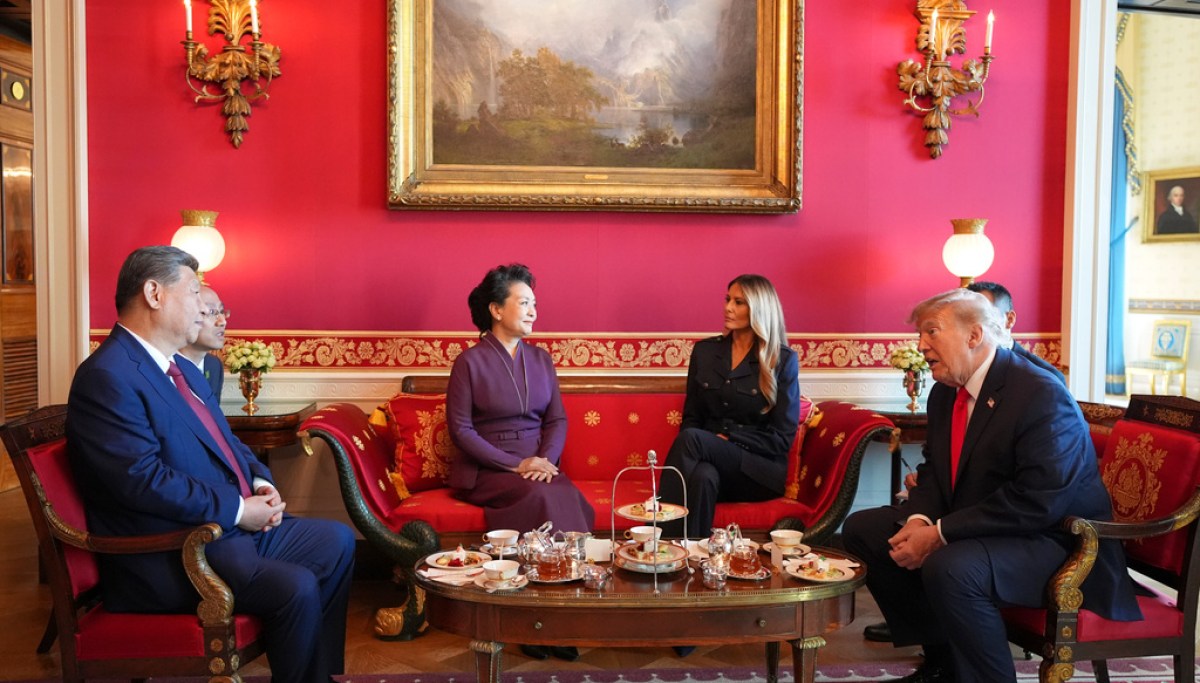
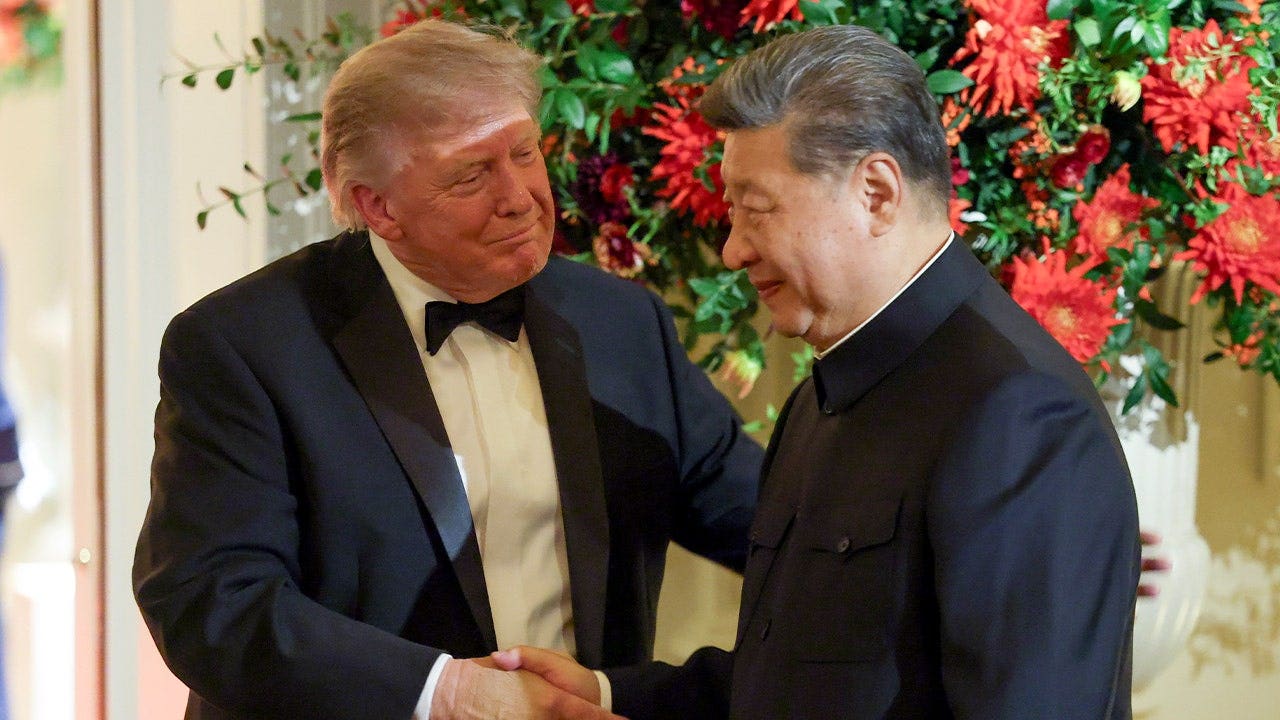
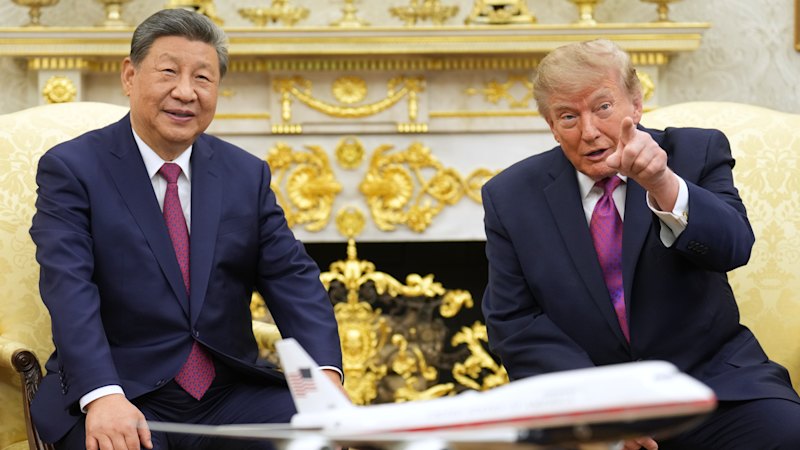
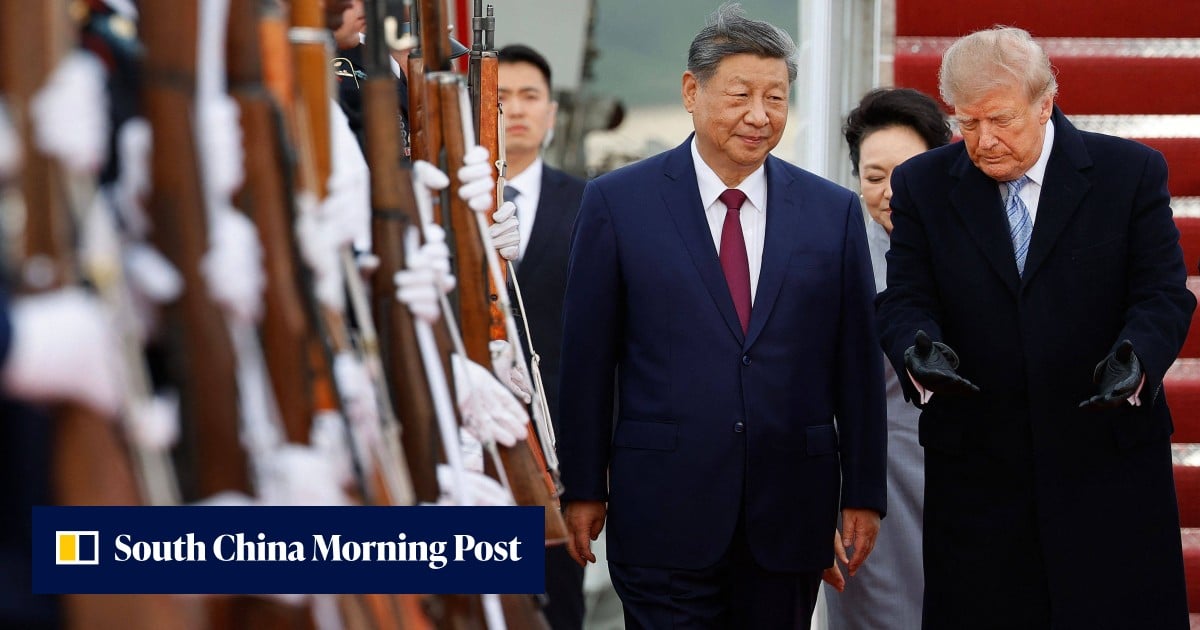
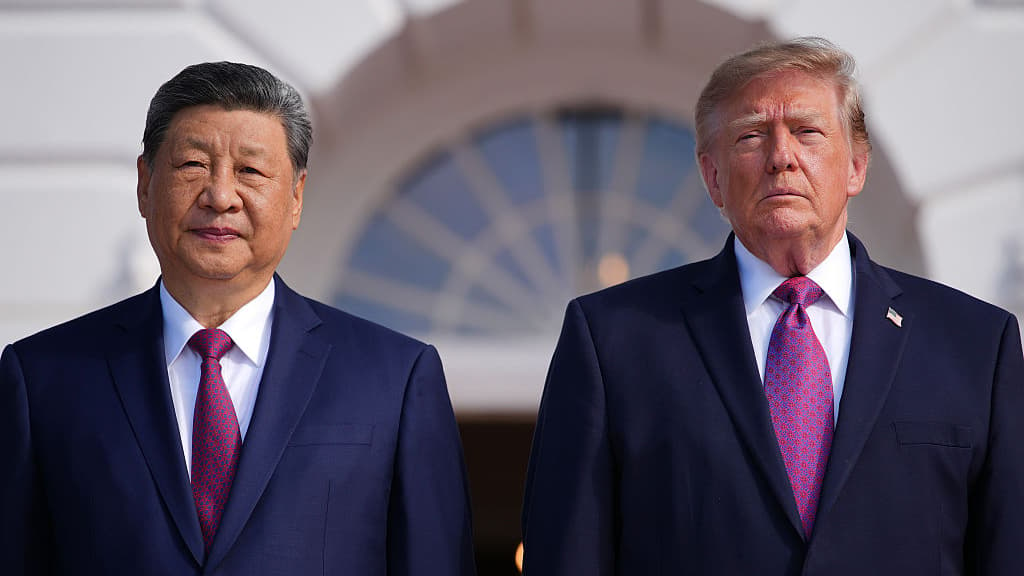
When President Donald Trump and Chinese President Xi Jinping met on Sept. 24, the United States and China agreed to build a constructive relationship of strategic stability on the basis of respect, fairness, and “reciprocity,” according to a White House fact sheet.
uncertain
States → meet → sheet
Beijing used the exact same language in its English statement.
asserted
Beijing → use → statement
Yet, in the Chinese version, “reciprocity” was translated as “对等” (duideng), which leans more to “equal in status” or “on an equal footing.”
asserted
which → translate → footing
Foreign Minister Wang Yi then explained precisely what China understood it to mean: the two countries are equal in sovereignty, neither stands above the other, neither should engage in hegemonic or bullying behavior, and each side’s concerns should be addressed on an equal basis, he said.
asserted
he → explain → basis
Trump says “reciprocity” is one of his favorite words, along with “tariff.”
asserted
reciprocity → say → tariff
To him, it is about enforcing a mechanism to stop other countries “ripping off” the U.S.
asserted
countries → enforce → U.S.
Clearly, he does not mean “equal in sovereignty.”
asserted
he → mean → sovereignty
Japan has experienced similar Chinese narrative control.
asserted
Japan → experience → control
The dispute between Japan and China over Prime Minister Sanae Takaichi’s November 2025 comments about Japan’s role in a Taiwan contingency shows how narrative control can migrate into great-power diplomacy, shaping not only perceptions of an event but also the diplomatic response to it.
asserted
control → show → it
During the parliamentary session, Takaichi did not announce a new policy or say that Japan would defend Taiwan.
asserted
Japan → announce → Taiwan
China nevertheless portrayed the remarks as a major break with the status quo.
asserted
China → portray → quo
Weeks later, after Xi spoke by telephone with Trump, the American president called Takaichi and reportedly advised her not to provoke Beijing over Taiwan.
uncertain
president → speak → Taiwan
Beijing’s advantage was the diplomatic sequence: Xi reached Trump first, helping to turn a legalistic parliamentary answer into an international debate over Japanese military intervention.
asserted
Xi → reach → intervention
A second case shows how perceptions can lead to tangible commercial advantage.
asserted
perceptions → show → advantage
During the May 2025 India-Pakistan conflict, Pakistan claimed its Chinese-built J-10Cs had downed several Indian aircraft, including French Rafales.
uncertain
J-10Cs → claim → Rafales
Amid unverified and exaggerated accounts of military success from both sides, Pakistan’s claim gained credibility from photographs taken by Indian villagers and from outside analysis linking the wreckage to an Indian Rafale.
uncertain
claim → gain → Rafale
The emerging narrative was extraordinarily powerful: a Chinese fighter had prevailed in combat against one of the West’s most prestigious aircraft.
asserted
fighter → emerge → aircraft
The market reacted.
asserted
market → react → ?
Shares of AVIC Chengdu Aircraft, the manufacturer of the J-10, rose roughly 60% in the first week.
asserted
Shares → rise → week
The claim gained force because its most persuasive evidence came from outside Pakistan.
uncertain
evidence → gain → Pakistan
Photographs of wreckage were taken by Indian civilians, not Pakistani officials, and outside analysts subsequently examined the evidence.
asserted
analysts → take → evidence
In the weeks after the conflict, Chinese embassies across the world hailed the performance of Chinese weapons in the India-Pakistan clash to bolster arms sales.
asserted
embassies → hail → sales
The U.S.-China Economic and Security Review Commission later reported that Pakistan’s reported use of Chinese weapons against India’s French-made Rafales became a particular selling point in Chinese defense sales efforts.
asserted
use → report → efforts
Within a month, Indonesia was reportedly considering acquiring Chinese J-10Cs — despite having signed an $8.1 billion deal just three years earlier for 42 French Rafales.
uncertain
Indonesia → consider → Rafales
By October, Indonesia announced plans to acquire 42 J-10Cs in a deal valued at more than $9 billion.
asserted
Indonesia → announce → billion
In August, Azerbaijan sued CNN.
asserted
Azerbaijan → sue → CNN
At issue was a report alleging that Israel had sent troops to Azerbaijan and launched attacks on neighboring Iran from Azerbaijani territory — an allegation Azerbaijani officials had denied on the record.
asserted
officials → allege → record
The most revealing part of Azerbaijan’s complaint was not simply its assertion that CNN got the story wrong.
asserted
story → get → complaint
It was what Baku said happened next.
asserted
Baku → say → ?
In a defamation complaint filed in the U.S. District Court for the District of Delaware, Baku argued that “precisely because of CNN’s reputation as a reliable news source,” the report “gave Iran a valuable instrument” to reinforce a longstanding narrative “that Azerbaijan serves as a platform for Israeli military and intelligence operations against the Islamic Republic.”
asserted
Azerbaijan → file → Republic
The complaint cited Iranian state and semi-state outlets, including Mashregh News, Tabnak, and the Iranian Labor News Agency, that subsequently ran Farsi-language articles for domestic audiences that accused Azerbaijan of “becoming a secret partner in Israeli operations against Iran.”
asserted
that → cite → Iran
Azerbaijan’s predicament illustrates why geopolitical swing states may be particularly vulnerable to such exploitation.
uncertain
states → illustrate → exploitation
The unique qualities that enable Azerbaijan’s multi-vector foreign policy — its relationships with the U.S. and Israel and its position between Russia and Iran — also make it vulnerable to actors seeking to constrain its freedom of maneuver.
asserted
it → enable → maneuver
Its foreign policy depends not only on what Baku does, but on what other capitals believe Baku is doing.
asserted
Baku → depend → what
Portraying Azerbaijan as an Israeli forward operating base against Iran therefore strikes directly at its balancing strategy.
asserted
Portraying → portray → strategy
…and 11 more, not listed.
 The Aporia