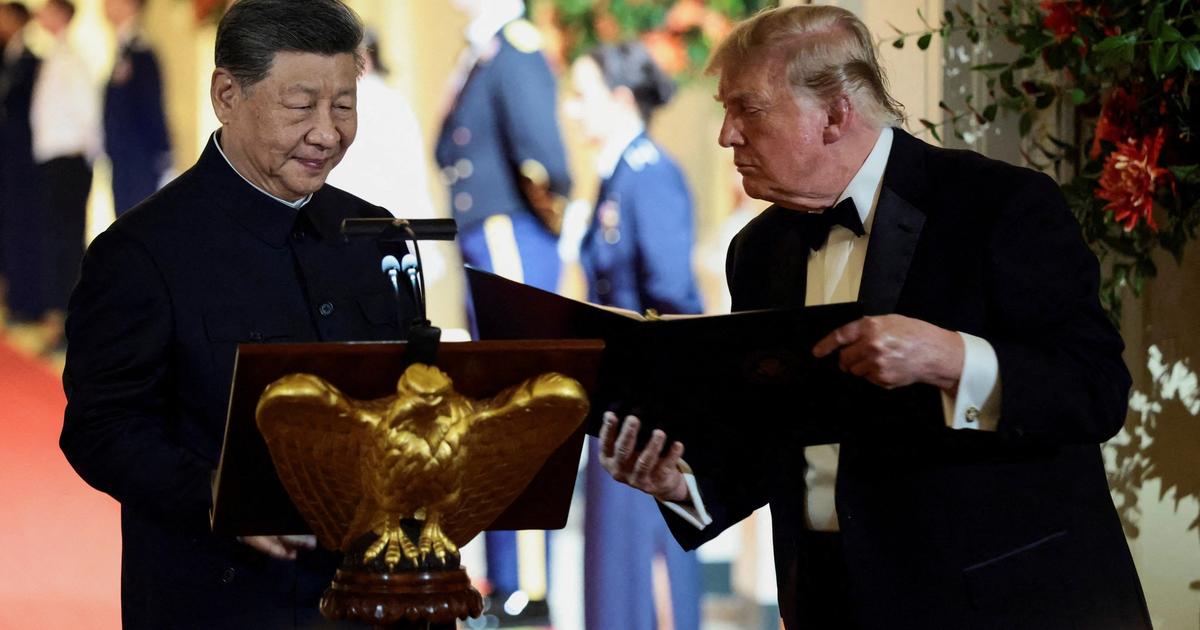
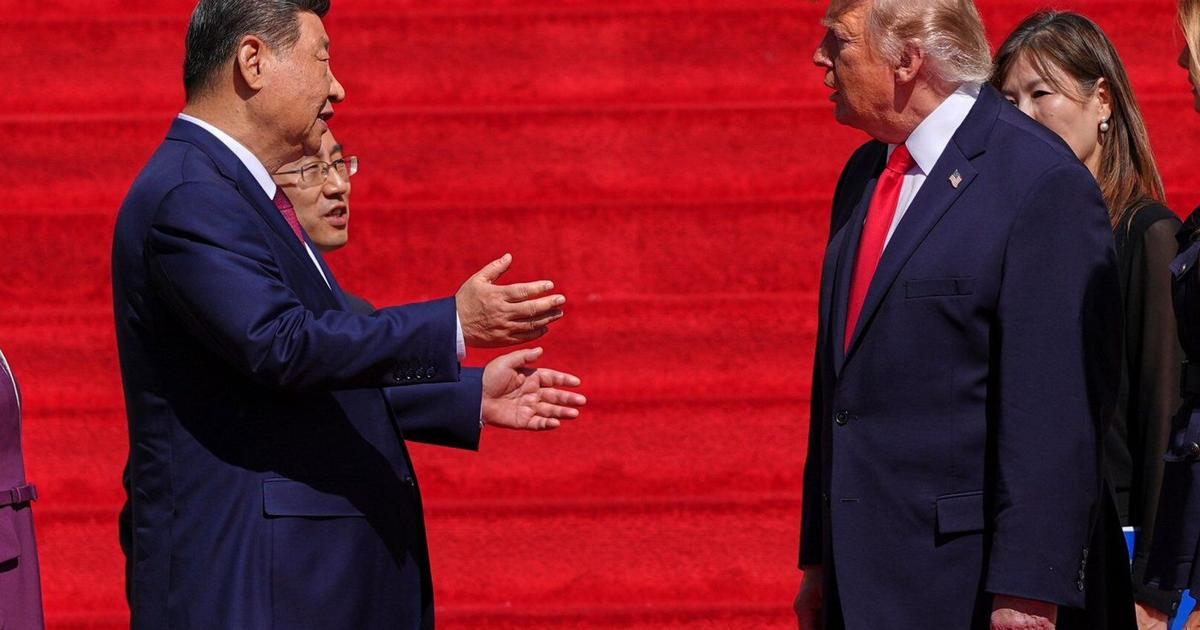
President Donald Trump hosted Chinese President Xi Jinping for a summit to expand their trade deal, despite previously criticizing Canada's smaller trade agreement with China. Critics and experts, like Jia Wang from the University of Alberta's China Institute, argue this highlights the hypocrisy in U.S. trade policy towards its partners. While the U.S. imported over $434 billion worth of Chinese goods in 2025 compared to Canada’s $90 billion, Trump and his administration have repeatedly condemned Canada for engaging with China economically.
Written locally by qwen2.5:14b on 2026-09-24,
using this article's own text rather than the other coverage of the
same event (that is the story summary below).
Story summary
Before the Xi-Trump summit last week, analysts expected soybeans to be included in tariff-reduced arrangements between China and the U.S., but China excluded them from a tariff-reduction list released on September 28, 2026, despite cutting tariffs on other agricultural goods like corn, wheat, meat, and dairy. This decision disappointed American farmers, such as John Bartman, an Illinois-based soybean farmer who called it "a missed opportunity." U.S. soybeans still face an additional tariff of 10%, which traders say is too high for private crushers to absorb, even as Chinese state buyers have stepped up purchases. Despite this exclusion, both sides agreed to form a trade council to discuss reciprocal tariff cuts on $30 billion worth of products and stabilize economic ties.
Written for “US-China Tariff Cuts Deal” on 2026-10-05,
grounded in this article and the 283 other(s) covering the same event.
U.S.-China summit highlights the 'hypocrisy' of American trade policy, experts say
Washington pursues deals with China while criticizing Ottawa for doing the same
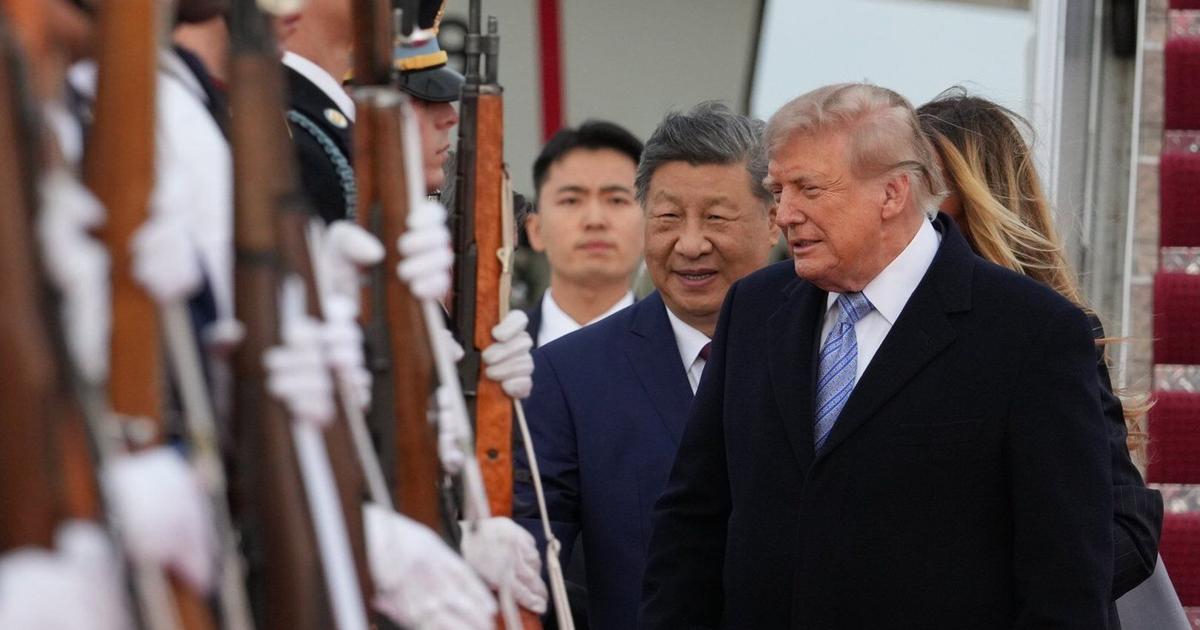
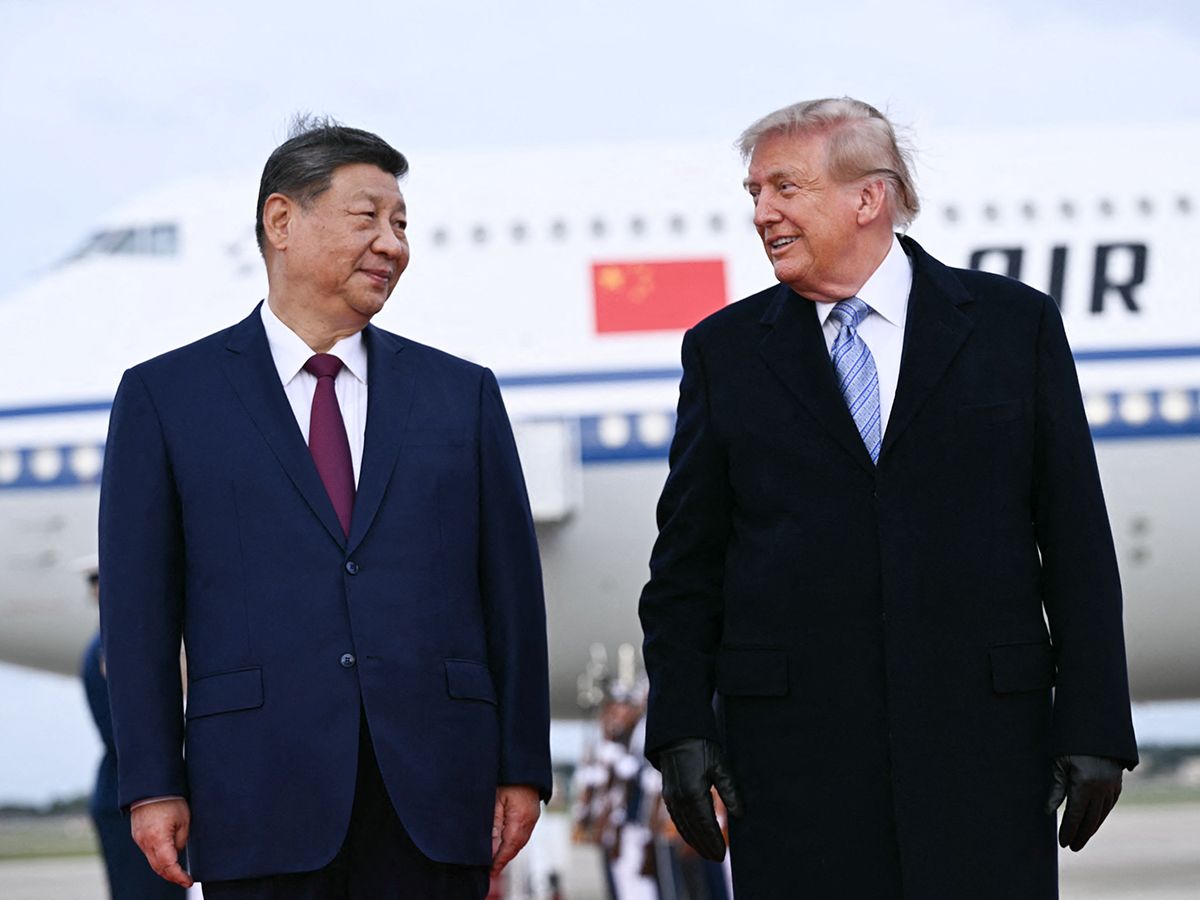
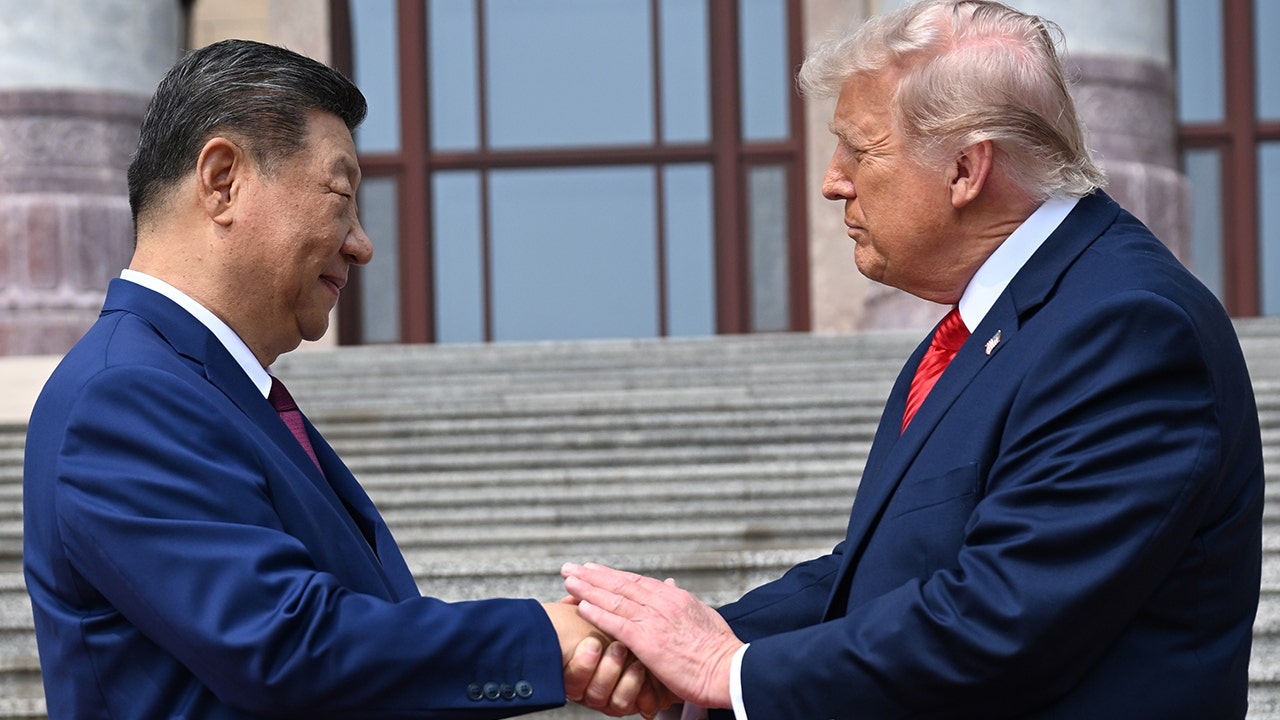
U.S. President Donald Trump rolled out the red carpet for Xi Jinping this week, heralding the Chinese president as a "great leader" while looking to expand or extend a deal both countries reached last year to stave off some tariffs and carve out something of a trade truce.
Trump has previously said he’s made "fantastic trade deals" with Beijing and, recently, even mused about inviting Chinese auto manufacturers to set up factories in the U.S.
"
asserted
he → highlight → U.S.
If China wanted to come in and open a plant to build their cars here, I'd be OK with that," he said on the Fox News program The Ingraham Angle.
asserted
he → want → program
Trump also reportedly got that extension with China late on Wednesday.
uncertain
Trump → get → Wednesday
And yet, Trump and many in his administration have repeatedly scolded Prime Minister Mark Carney for reaching a vastly smaller trade deal — agreeing in January to let in 49,000 Chinese electric vehicles with a tariff rate of 6.1 per cent (down from 100 per cent), while China lowered tariffs on Canadian products including canola, peas, lobsters and crabs.
"They'll look back at this decision and surely regret it," U.S. Transportation Secretary Sean Duffy said of the EVs at the time.
asserted
Duffy → scold → time
Commerce Secretary Howard Lutnick took a more bellicose approach, accusing Canada of turning its back on the U.S.
"We are a $30 trillion economy, we are the consumer of the world.
asserted
we → take → world
Carney has a problem with us, he gets on a plane and goes to China?
asserted
he → have → China
Does he think the Chinese economy is going to buy his stuff?" he said to Bloomberg.
asserted
he → think → Bloomberg
Jia Wang, senior fellow with the China Institute at the University of Alberta, says this highlights the way the U.S. demands one thing of its trading partners, while doing another itself.
asserted
U.S. → say → another
"The hypocrisy in the way the U.S. treats its trading partners is palpable," she said.
asserted
she → treat → partners
Canada’s trade with China did pick up steam in 2025 as businesses sought to diversify in the face of U.S. tariffs.
asserted
businesses → pick → tariffs
At the same time, American importers purchased fewer products made in China.
asserted
importers → purchase → China
But Canada would have to increase its China trade by more than 380 per cent to catch up to the amount of imports the U.S. still brings in every year.
asserted
U.S. → have → imports
The U.S. imported more than $434 billion worth of Chinese goods in 2025.
asserted
U.S. → import → 2025
By contrast, Canada imported just $90 billion from China.
asserted
Canada → import → China
And yet Sen. Rick Scott, a Florida Republican and Trump loyalist, highlighted what he saw as Canada’s risk in increasing trade with China, in a lengthy essay posted on X.
"Choosing Communist China as a trading partner over the U.S. isn't just a bad idea — it's a trap," he wrote in early September.
asserted
he → highlight → September
As many commenters pointed out, Florida buys more goods from China than from Canada.
asserted
Florida → point → Canada
In fact, it is one of four U.S. states that list China as their top source of imports.
asserted
that → list → imports
But Wang says that sort of nuance is lost in Trump’s zero-sum world where everything is about power.
asserted
everything → say → power
Trump "is more than happy to receive Chinese investment, to do more with China economically, to further strengthen the relationship with Xi, while being very critical and very harsh on Canada," she said.
asserted
she → receive → Canada
Mark Manger, a professor with the Munk School of Global Affairs & Public Policy at the University of Toronto agrees there is an element of hypocrisy in an American policy that tries to strike deals with China while discouraging countries like Canada from doing the same thing.
asserted
that → agree → thing
- Analysis
Trade 'war' or not, are Canada and the United States now dug in?
asserted
Canada → dig → ?
Canada's exports to China up 30% in first half of 2026
Here's what you need to know about the Canada-China deal on EVs and canola
"
asserted
you → need → EVs
But we also have to take everything the U.S. president says with a grain of salt.
asserted
president → have → salt
What great deals is he striking with China?
asserted
he → strike → China
I don’t see anything there," he said in an interview.
asserted
he → see → interview
Manger says China remains the world’s biggest exporter, and is closing in on the American lead on artificial intelligence.
asserted
China → say → intelligence
And more to the point, he says, China knows it can outlast Trump.
asserted
it → say → Trump
"The Chinese are playing a longer game," said Manger.
asserted
Manger → play → game
And both Manger and Wang say Canada needs to play the long game as well.
asserted
Canada → say → game
"We have to deal with both economies.
asserted
We → have → economies
We can’t wish them away," said Wang.
asserted
Wang → wish → them
And, she says, dealing with both economies will require leadership, strategic thinking and deft decision making as smaller countries like Canada navigate the two biggest economies in the world.
asserted
countries → say → world
 The Aporia