That is 0 articles you have read today.
The Aporia is free and carries no advertising, so readers are the only
thing paying for it. If you are getting this much out of it, a small
donation is what keeps it independent.
Daily limit reached
You have read 0 articles today.
That is more than the 15 a day The Aporia gives away,
and well past what it can carry on nothing. Your allowance resets at
midnight.
There is no advertising here and nothing about you is sold, so readers
are the only thing paying for it. If the site is worth this much of
your day, it is worth a few dollars.
Everything else stays open: the
maps, the
directory and
search do
not count against this, and neither does re-opening something you have
already read today.
President Donald Trump downplayed tensions over Taiwan during his meeting with Chinese President Xi Jinping at the White House, stating that they did not extensively discuss the sensitive issue. Despite this, an arms package worth $14 billion for Taiwan remains unresolved, pending Washington’s approval and in limbo since Trump's earlier meeting with Xi in Beijing. The delay reflects the challenge Trump faces in balancing relations with China while adhering to US commitments to Taiwan, which Beijing considers a core sovereignty issue.
Written locally by qwen2.5:14b on 2026-09-27,
using this article's own text rather than the other coverage of the
same event (that is the story summary below).
Story summary
Before the Xi-Trump summit last week, analysts expected soybeans to be included in tariff-reduced arrangements between China and the U.S., but China excluded them from a tariff-reduction list released on September 28, 2026, despite cutting tariffs on other agricultural goods like corn, wheat, meat, and dairy. This decision disappointed American farmers, such as John Bartman, an Illinois-based soybean farmer who called it "a missed opportunity." U.S. soybeans still face an additional tariff of 10%, which traders say is too high for private crushers to absorb, even as Chinese state buyers have stepped up purchases. Despite this exclusion, both sides agreed to form a trade council to discuss reciprocal tariff cuts on $30 billion worth of products and stabilize economic ties.
Written for “US-China Tariff Cuts Deal” on 2026-10-05,
grounded in this article and the 283 other(s) covering the same event.
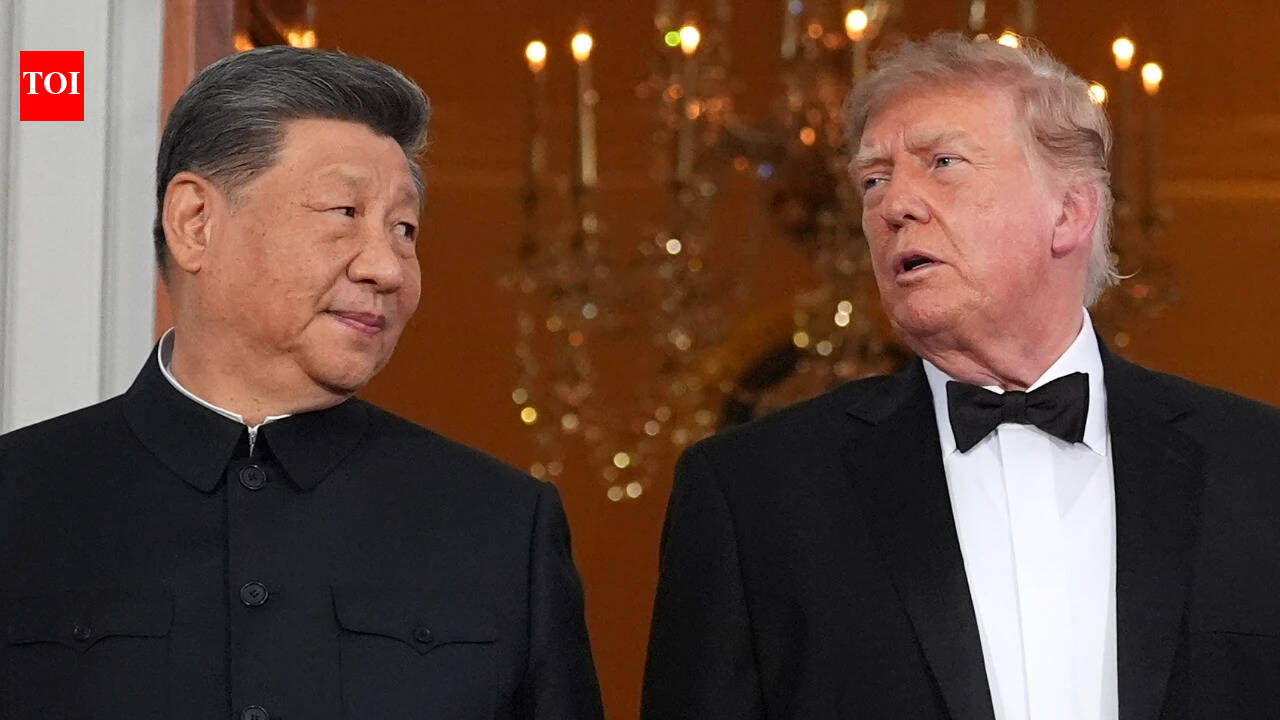
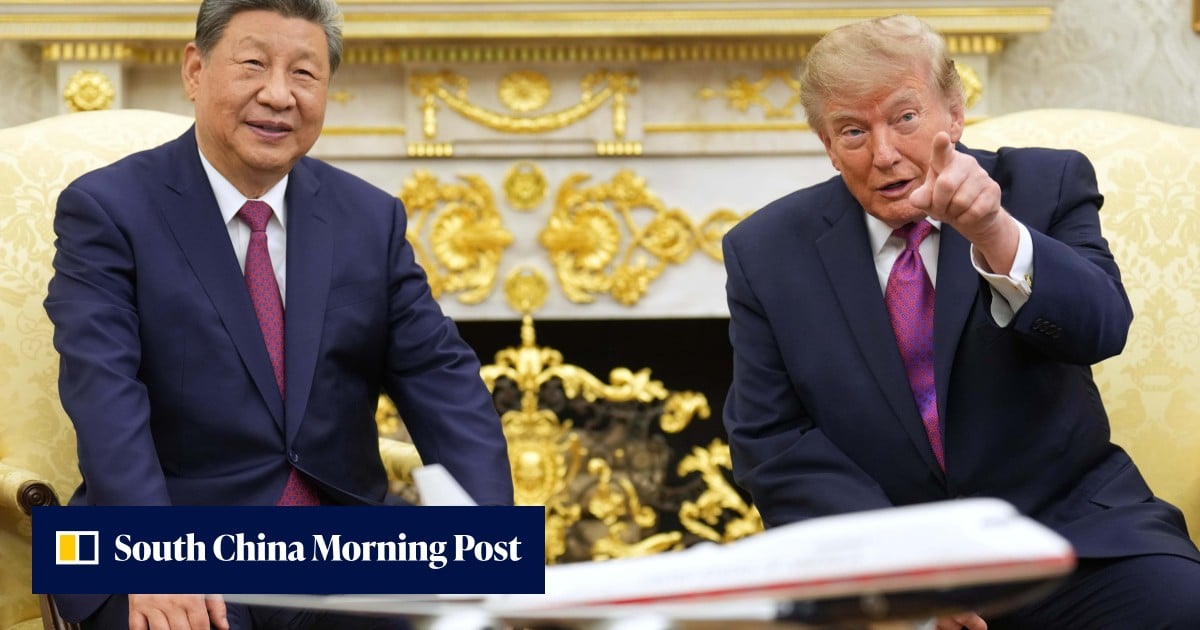
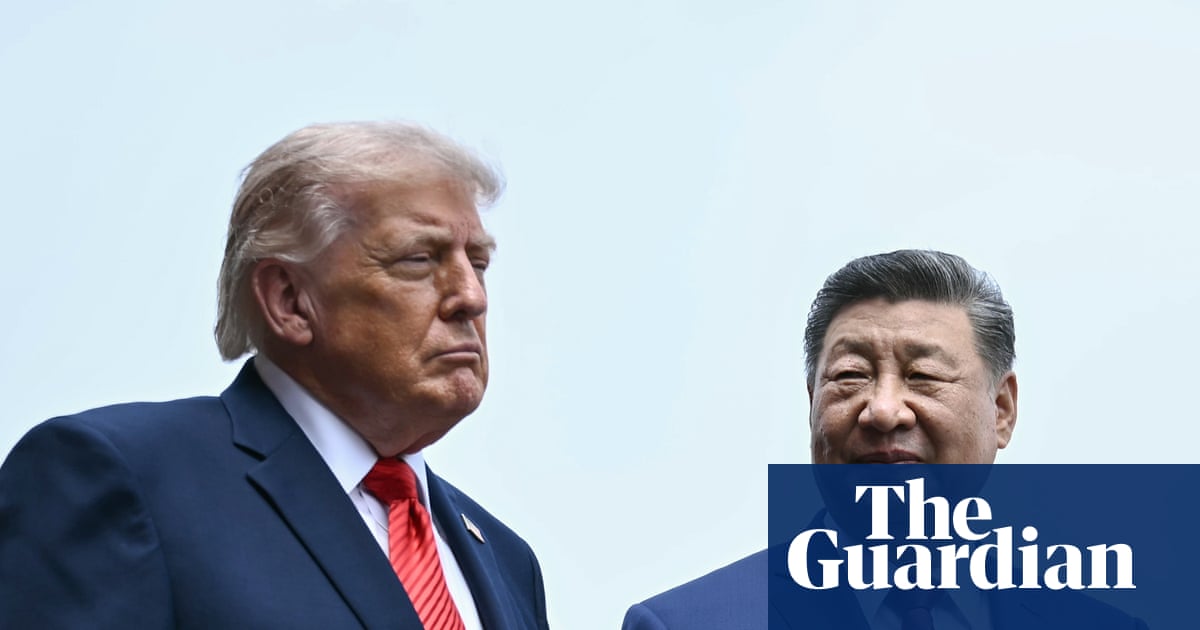
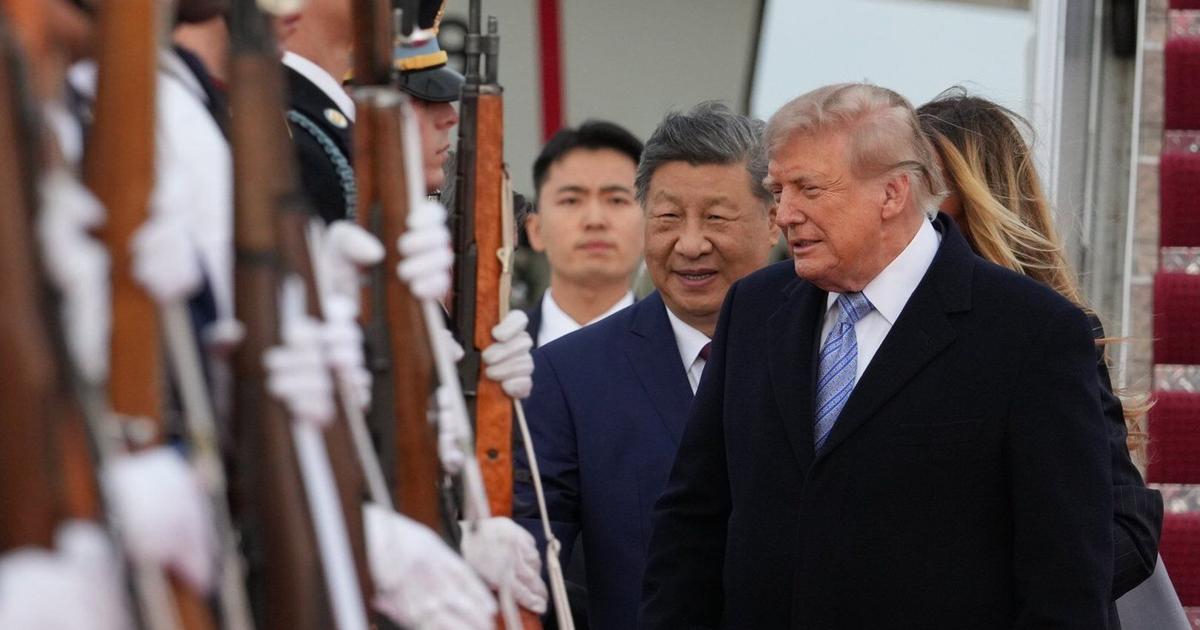
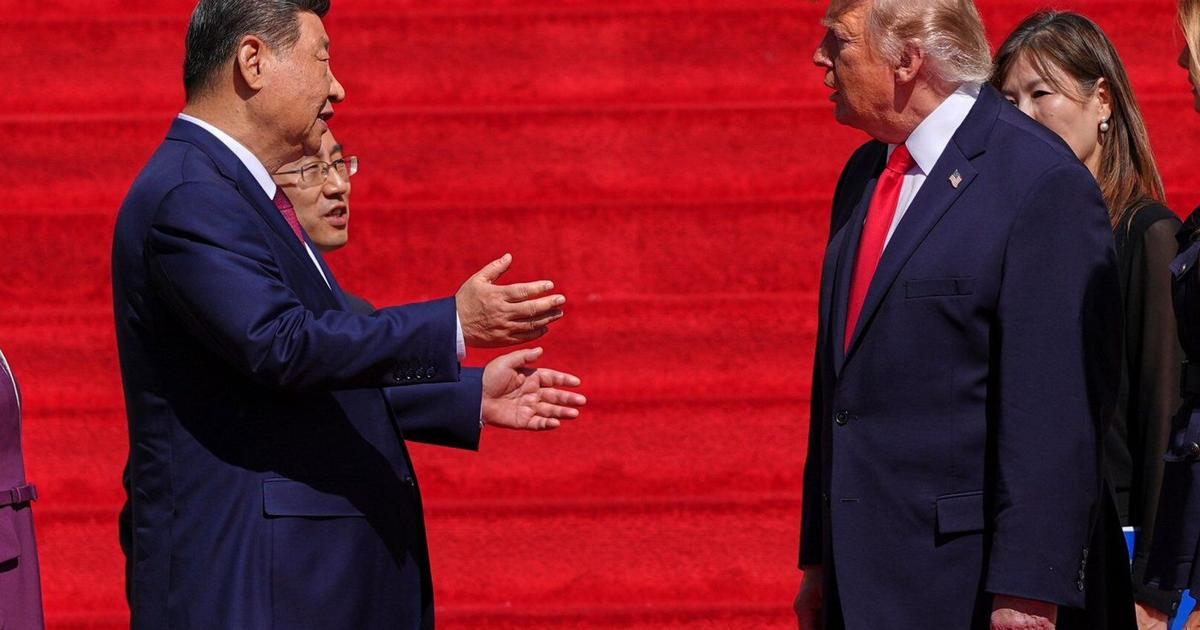
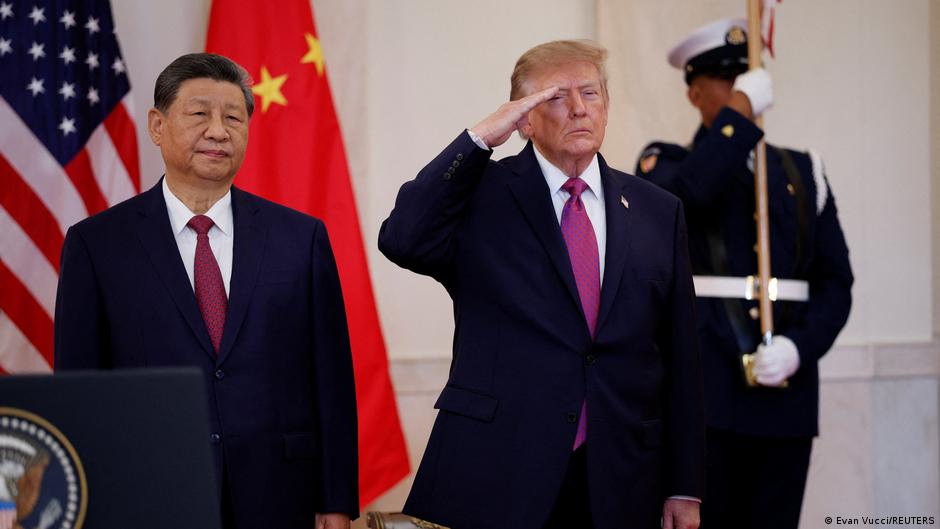
US President Donald Trump sought to play down Taiwan as a major point of friction with China after his summit with Chinese President Xi Jinping, saying the two leaders did not discuss the issue in detail despite it being one of the most sensitive flashpoints in US-China ties.
asserted
it → seek → ties
“We didn't talk about Taiwan too much with Xi.
asserted
We → talk → Xi
Right now, it's, you know, fine.
asserted
you → know → ?
It's just moving along.
asserted
It → move → ?
Xi understands very much how I feel,” Trump told reporters.
asserted
Trump → understand → reporters
Trump and Xi met at the White House last week as the two countries sought to stabilise ties after months of tensions over trade, technology and other geopolitical issues.
asserted
countries → meet → trade
The summit produced an extension of the US-China trade truce, while differences over Taiwan, artificial intelligence and Iran remained unresolved.
asserted
differences → produce → Taiwan
Trump’s remarks came even as Taiwan continues to wait for Washington’s approval of a proposed $14 billion arms package, which has been held up for months.
asserted
which → come → months
The package was reportedly put on hold after Trump’s meeting with Xi in Beijing earlier this year, and the US president has so far not indicated whether it will move forward following the latest summit.
uncertain
it → put → summit
Ahead of the Washington talks, Beijing had made clear that Taiwan remained a “red line” and had pressed the United States to halt arms sales to the self-governed island, which China claims as its own territory.
uncertain
China → make → territory
Xi was expected to raise the issue directly with Trump as part of broader discussions on trade, technology and regional security.
asserted
Xi → expect → trade
Taipei, meanwhile, sought to reassure domestic audiences that US support remained intact.
asserted
support → seek → audiences
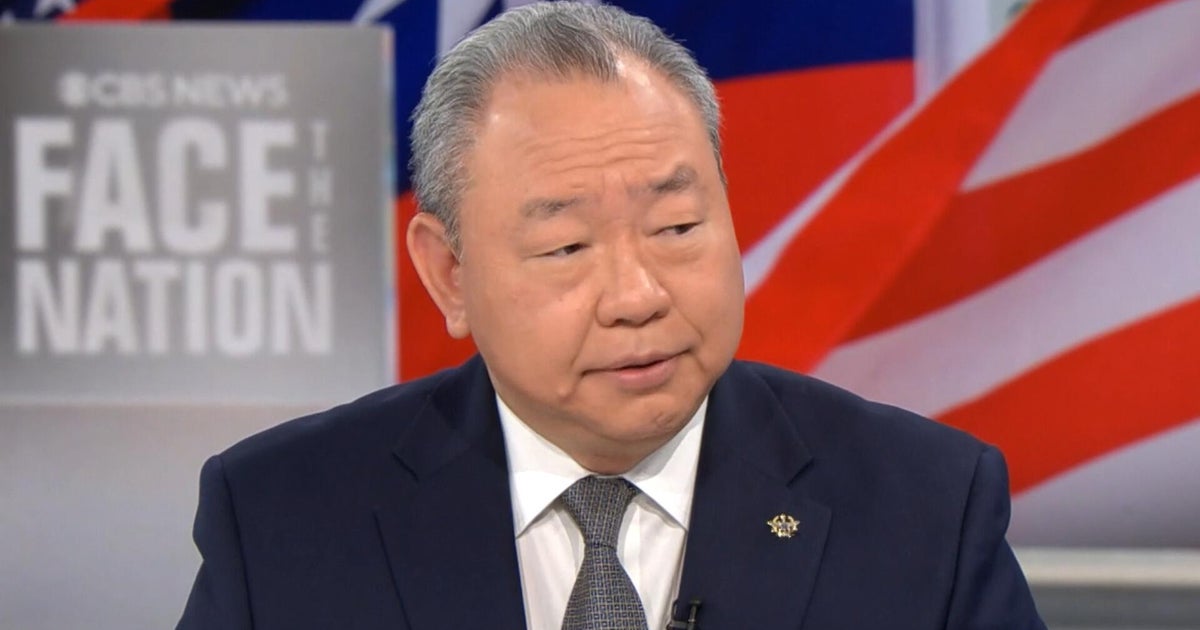
Taiwan deputy foreign minister Chen Ming-chi said Washington “very much” understands the island’s defence requirements and the military pressure it faces from China, adding that both sides remain in close communication.
asserted
sides → say → communication
US law requires Washington to provide Taiwan with defensive capabilities, but the delay in the latest arms package has become a closely watched test of how Trump balances efforts to stabilise ties with Beijing against longstanding American support for Taipei.
asserted
Trump → require → Taipei
 The Aporia