That is 0 articles you have read today.
The Aporia is free and carries no advertising, so readers are the only
thing paying for it. If you are getting this much out of it, a small
donation is what keeps it independent.
Daily limit reached
You have read 0 articles today.
That is more than the 15 a day The Aporia gives away,
and well past what it can carry on nothing. Your allowance resets at
midnight.
There is no advertising here and nothing about you is sold, so readers
are the only thing paying for it. If the site is worth this much of
your day, it is worth a few dollars.
Everything else stays open: the
maps, the
directory and
search do
not count against this, and neither does re-opening something you have
already read today.
Toronto Star
· collected 2026-09-26 · by Huizhong Wu The Associated Press
China and the US agreed during a three-day summit to establish a new channel specifically for handling AI safety issues and to advance military crisis communication efforts. Both sides also committed to continuing trade discussions, with plans to reduce tariffs on about $30 billion worth of goods and to import at least 10 million metric tons of coal from the U.S. in future years. The summit included agreements on rare earth minerals supply stability and cooperation against fentanyl trafficking but did not produce significant breakthroughs on broader issues like the trade war or military tensions.
Written locally by qwen2.5:14b on 2026-09-26,
using this article's own text rather than the other coverage of the
same event (that is the story summary below).
Story summary
Before the Xi-Trump summit last week, analysts expected soybeans to be included in tariff-reduced arrangements between China and the U.S., but China excluded them from a tariff-reduction list released on September 28, 2026, despite cutting tariffs on other agricultural goods like corn, wheat, meat, and dairy. This decision disappointed American farmers, such as John Bartman, an Illinois-based soybean farmer who called it "a missed opportunity." U.S. soybeans still face an additional tariff of 10%, which traders say is too high for private crushers to absorb, even as Chinese state buyers have stepped up purchases. Despite this exclusion, both sides agreed to form a trade council to discuss reciprocal tariff cuts on $30 billion worth of products and stabilize economic ties.
Written for “US-China Tariff Cuts Deal” on 2026-10-05,
grounded in this article and the 283 other(s) covering the same event.
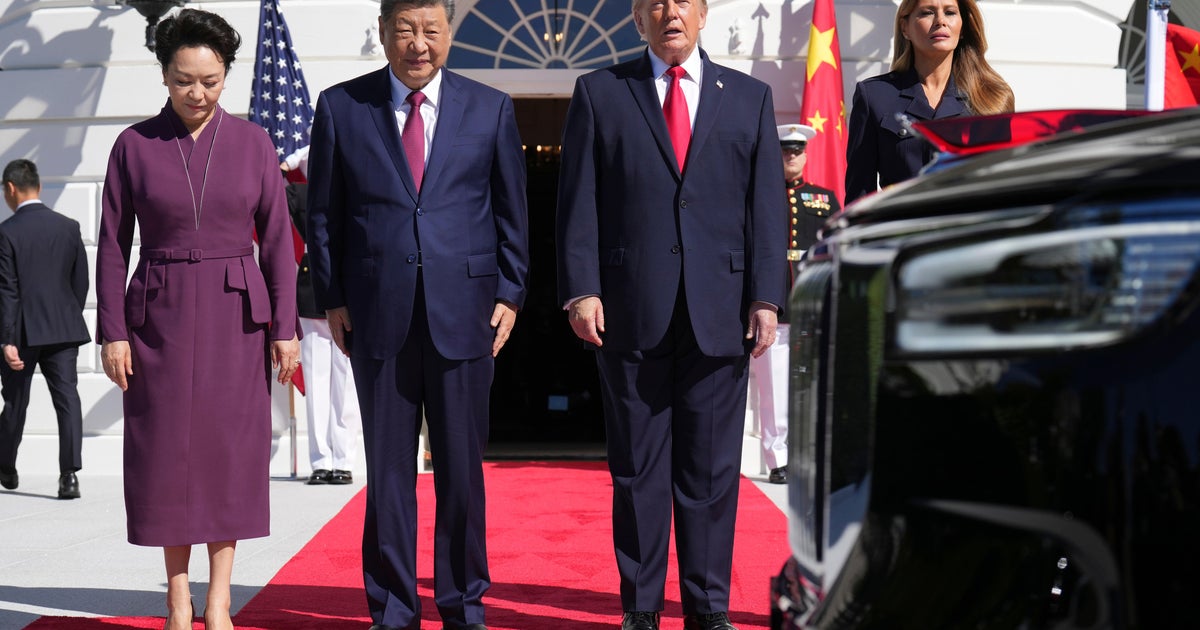
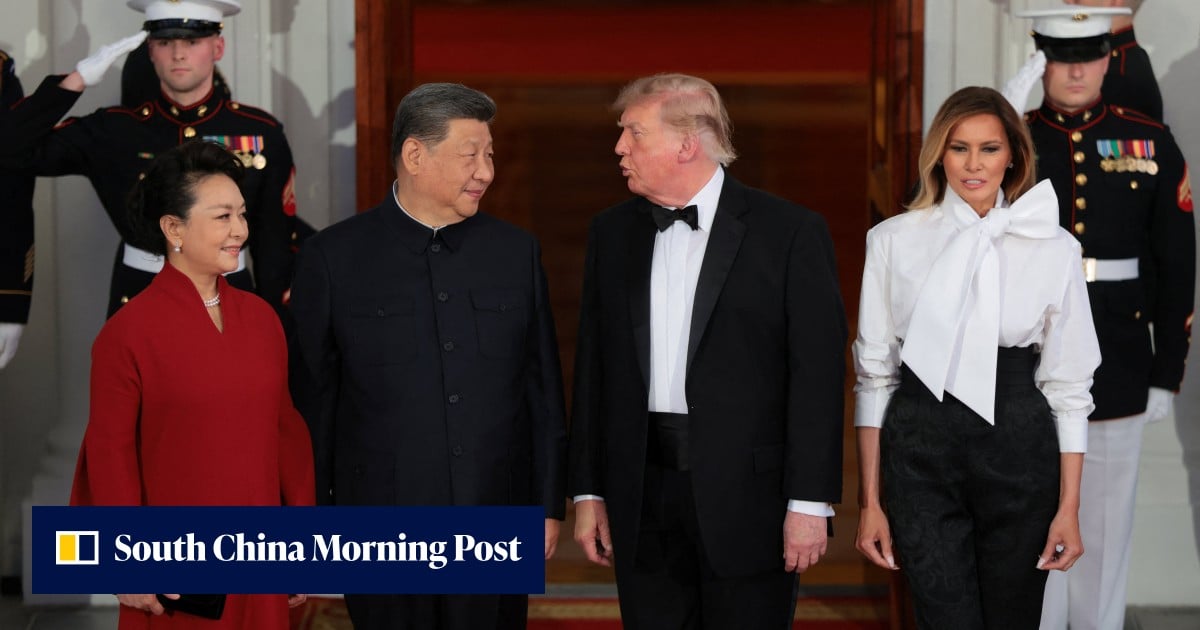
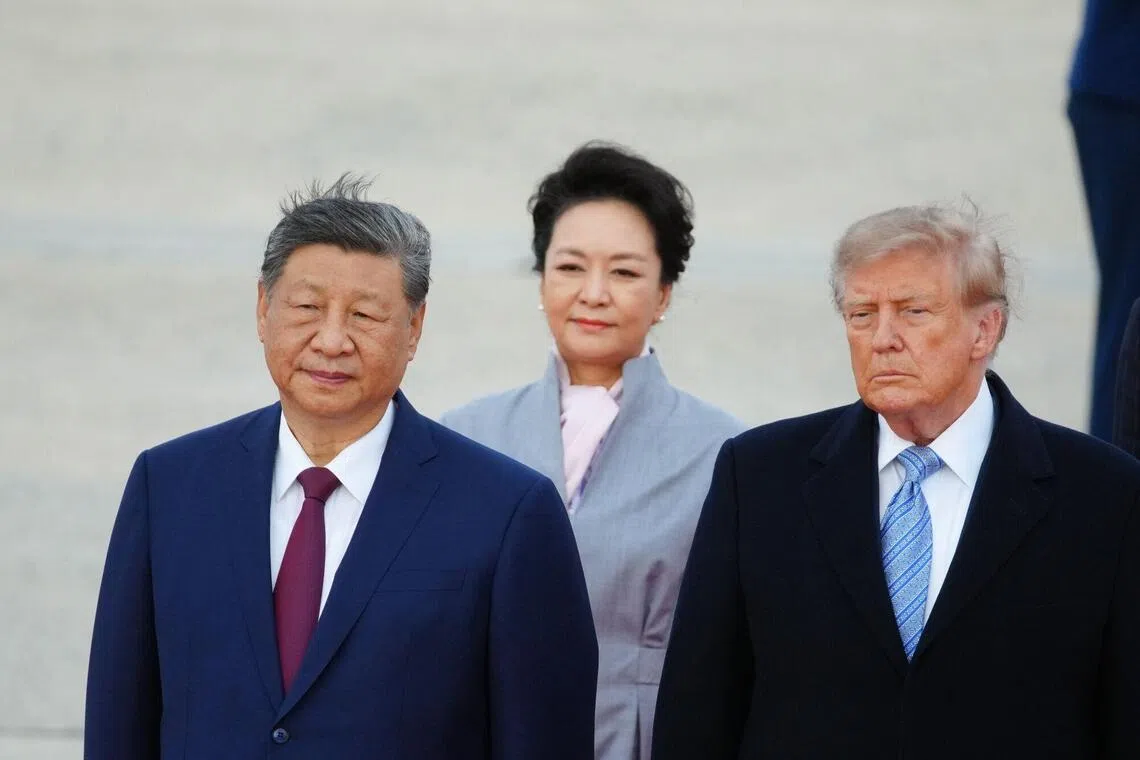
China and the U.S. agreed to set up a channel for handling AI-related incidents and accelerate work on military crisis communications following a three-day summit between their leaders in Washington, both sides said in statements Saturday.
asserted
sides → agree → statements
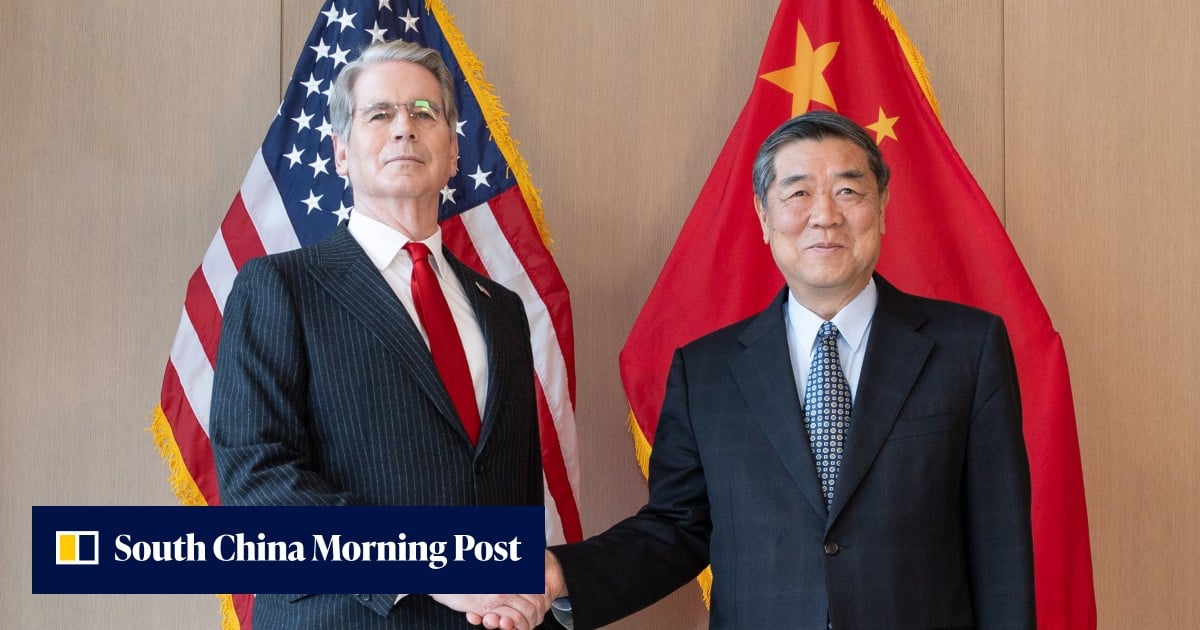
The two sides agreed to keep working together on a Board of Trade on selected bilateral trade issues, with the White House saying in a statement Saturday that the board went into operation this week.
asserted
board → agree → operation
The summit produced no major breakthroughs, but some experts say the steps toward greater cooperation were still considered important, allowing the two powers to set up working groups that could prevent problems from escalating.
uncertain
that → produce → problems
Chinese President Xi Jinping landed back in Beijing on Saturday, according to Xinhua.
uncertain
Jinping → land → Xinhua
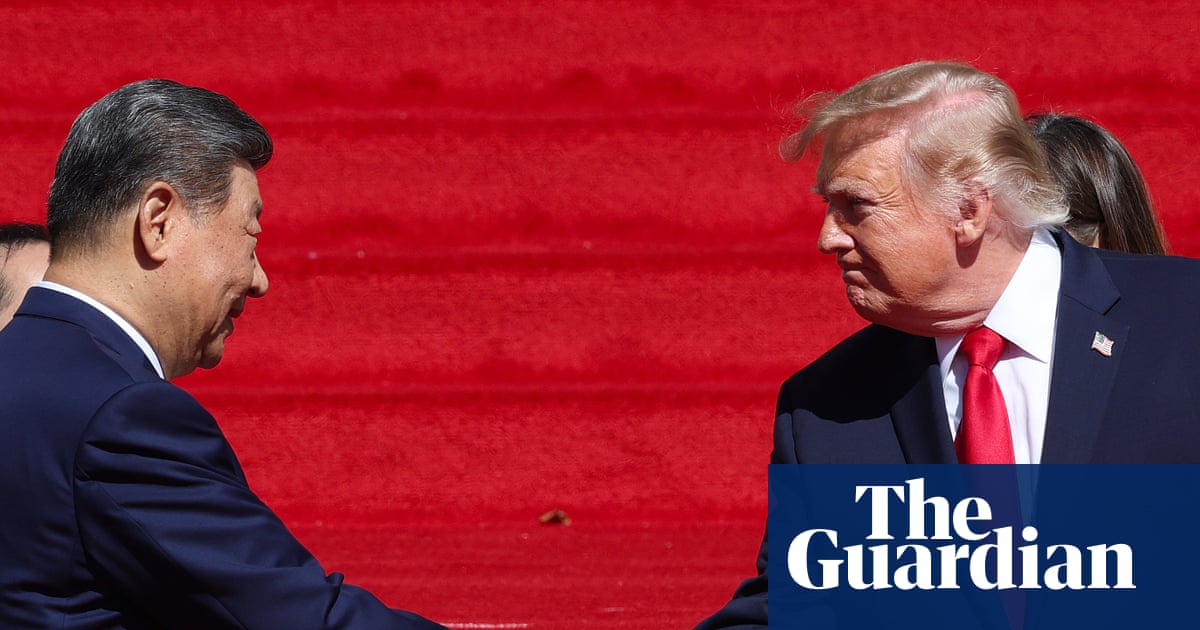
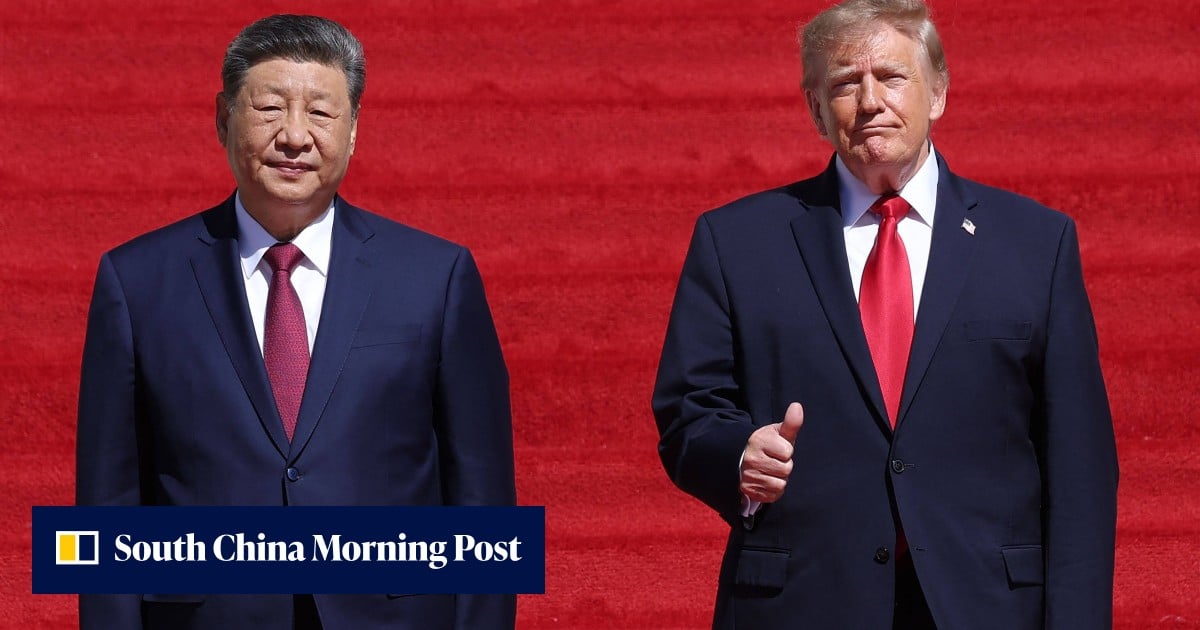
During the visit, President Donald Trump was remarkably warm to Xi, despite having escalated a trade war with China the previous year that had global repercussions.
asserted
that → escalate → repercussions
The two sides agreed to sign a memorandum of understanding on strengthening crisis communications and preventing crises between the two militaries, China’s Foreign Ministry said Saturday in its readout.
asserted
Ministry → agree → readout
Both sides will set up a communication mechanism for artificial intelligence -related incidents, to discuss related risks and benefits, with an AI-specific dialogue scheduled for November.
asserted
sides → set → November
The statement said both sides will continue to work together on the pledge to reduce reciprocal tariffs on roughly $30 billion worth of goods.
asserted
sides → say → goods
During the summit, the two leaders agreed to extend a trade truce by two months.
asserted
leaders → agree → months
The White House statement said China agreed to import at least 10 million metric tons of coal from the U.S. in 2027 and 2028.
asserted
China → say → 2027
Most of the reduction in tariffs is aimed at non-sensitive goods, such as agricultural products or holiday decorations.
asserted
Most → aim → products
The statement from the White House also said the two sides continued to work on American concerns about rare earths supply, “with the goal of ensuring shipment levels return to appropriate levels.”
asserted
levels → say → levels
China put export controls on rare earths last year in response to the U.S. tariffs, cutting the supply sent to the U.S. and other countries.
asserted
China → put → U.S.
Both sides agreed to meet at the Asia-Pacific Economic Cooperation summit in Shenzhen, China, in November, and then later at the G20 at the Trump National Doral Miami golf club in Florida.
asserted
sides → agree → Florida
Both also said that Iran should honor its stated commitment to not develop nuclear weapons, and that no country should charge a toll on international waterways, in a reference to the Strait of Hormuz, which has seen significantly reduced traffic since the U.S. war with Iran began.
asserted
war → say → Iran
The U.S. statement also said it welcomed China’s move to add export controls for an additional two precursor chemicals for fentanyl, and both noted that law enforcement had been able to make arrests in fentanyl-related cases recently.
asserted
enforcement → say → cases
Although the visit produced no major breakthroughs on the countries’ fundamental differences, analysts said the incremental steps were noteworthy.
asserted
steps → produce → differences
“Personal diplomacy between the two leaders is important, but the emphasis on working-level engagement, military-to-military dialogue and crisis-management mechanisms suggests an effort to make that stability more durable and institutionalized,” said Wang Zichen, deputy secretary-general of the Beijing-based think tank Center for China and Globalization.
uncertain
Zichen → suggest → China
 The Aporia