Story summary
Nepal's Prime Minister Balendra Shah, addressing the 81st session of the UN General Assembly on September 24, 2026, proposed establishing a Himalayan Climate Resilience Mechanism led by Nepal, India, and China. The initiative aims to enhance cooperation in sharing satellite data, monitoring glacial lakes, and strengthening early-warning systems to address climate-related disasters, particularly after the devastating flash floods that killed over 1,450 people and displaced thousands in August 2026.
Shah emphasized these measures as a response to environmental challenges affecting mountainous regions. The proposed mechanism would help mitigate risks from glacial lake outburst floods (GLOFs) and other climate-related threats impacting millions of people across the Himalayan region.
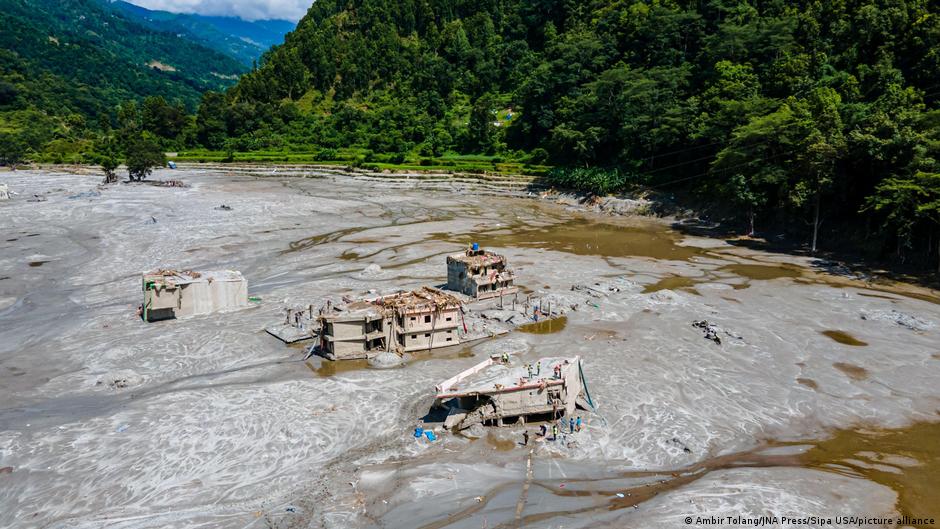
The floods, triggered by a glacial and rock collapse on the Nepal-China border, severely impacted tourism and local economies, with hotels and trekking companies experiencing significant cancellations. According to tour planner Pushpraj Rimal in Kathmandu, "It is still a lockdown kind of situation," reflecting ongoing challenges for recovery.
Additionally, there are pressing needs for humanitarian aid and long-term rebuilding efforts. Dr. Nimesh Dhungana from the University of Manchester's HCRI highlighted the importance of governance and accountability in disaster response and recovery processes. With around 5,285 people still missing and numerous displaced families struggling to find stable housing, initiatives like Shah’s proposal are crucial for sustainable development and resilience against future disasters. The mechanism aims not only at immediate relief but also at long-term planning to protect communities from similar catastrophic events in the future.
Written for “Nepal Floods Climate Impact” on 2026-10-05,
grounded in this article and the 20 other(s) covering the same event.
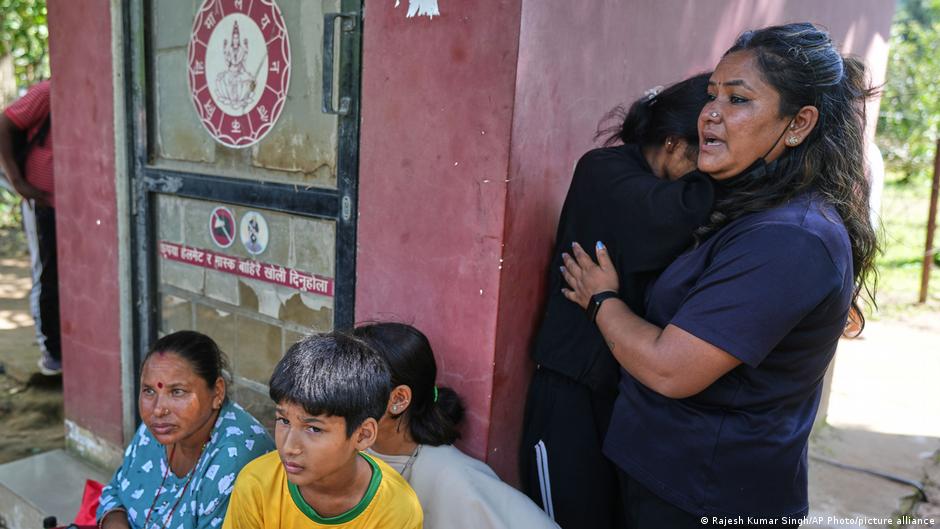
One month after deadly flash floods in Nepal swept away Karishma Tamang's community in Rasuwa District, the pregnant 26-year-old is still struggling to find a safe place to call home.
asserted
old → sweep → place
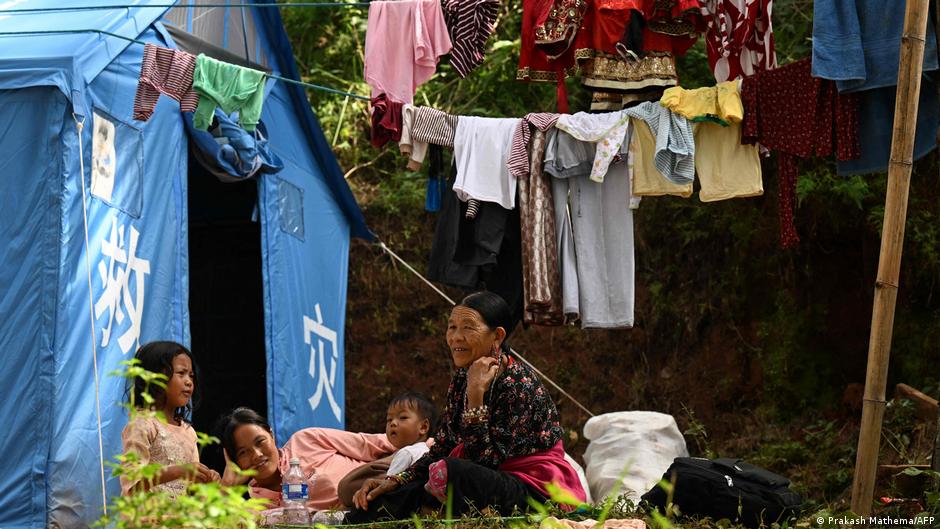
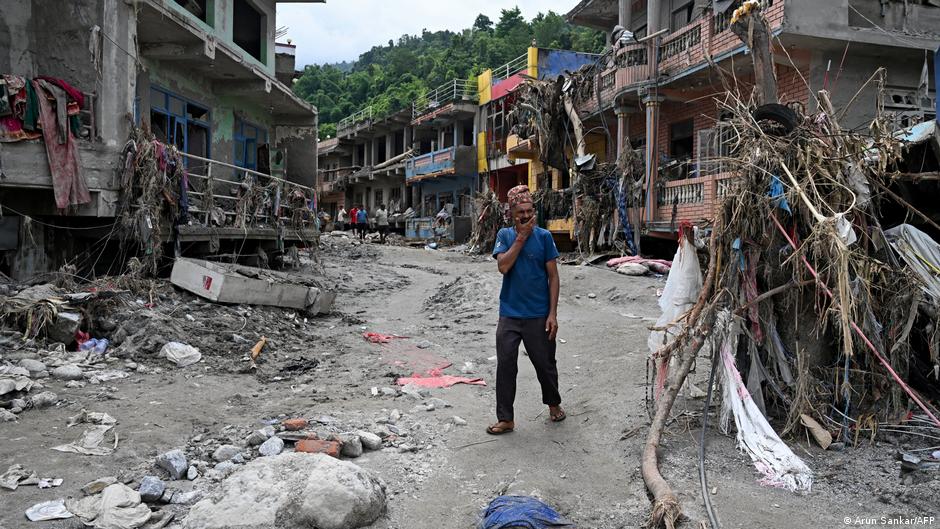
Karishma, who is expecting her second child, has been moving from place to place with her 4-year-old daughter since the devastating floods swept through Nepal's Bhotekoshi-Trishuli river corridor near the Chinese border at the end of August.
asserted
floods → expect → August
"Initially, we were kept in a covered hall at Bidur Municipality in Nuwakot District," she told DW, adding that hundreds of people shared the same shelter for days.
"Now we have shifted to a small makeshift family tent at the nearby Barahachaur area.
asserted
we → keep → area
Still, we can't sleep during rainy nights as it leaks when it rains."
asserted
it → sleep → nights
Her brother and his two children remain missing after the flood.
asserted
brother → remain → flood
There is no proper toilet, although a small makeshift latrine has been set up near the tents, Karishma said.
asserted
Karishma → be → tents
Children and pregnant women like Karishma need privacy and safety, but such facilities remain scarce in the Himalaya nation's flood-hit areas.
asserted
facilities → need → areas
"It would be great to have a stable place to stay, where I could cook my own meals, feel safe and have some comfort," she said.
uncertain
she → have → comfort
Safety concerns in temporary shelters
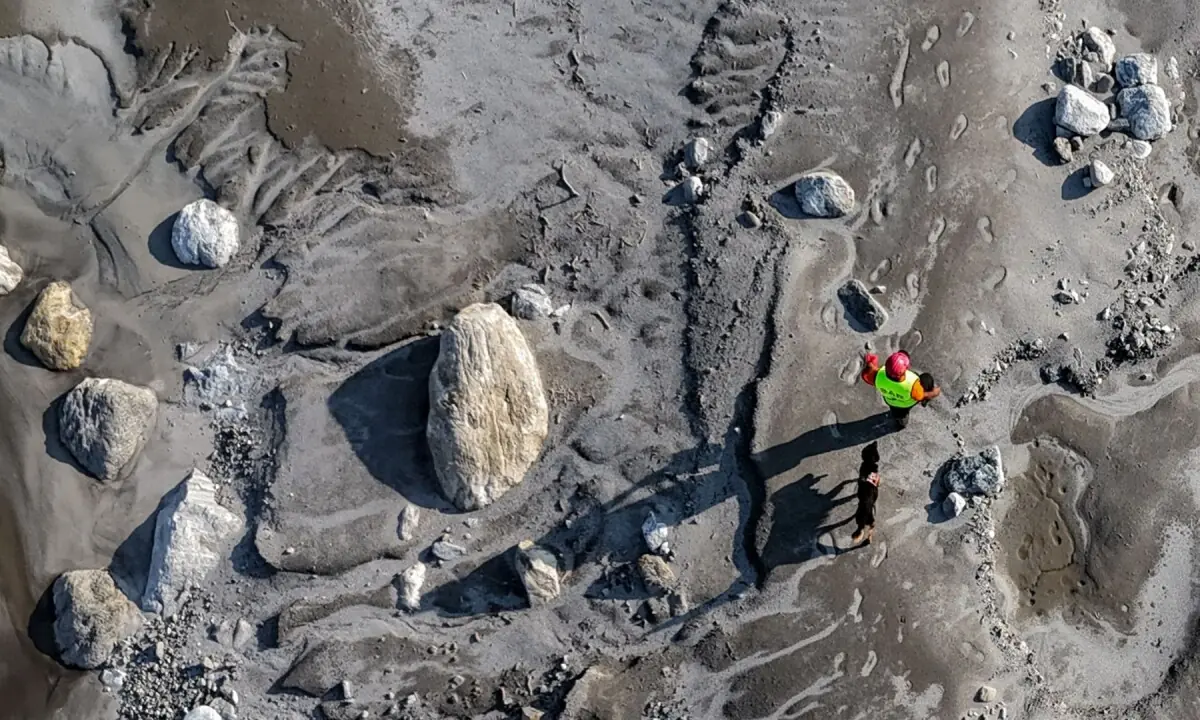
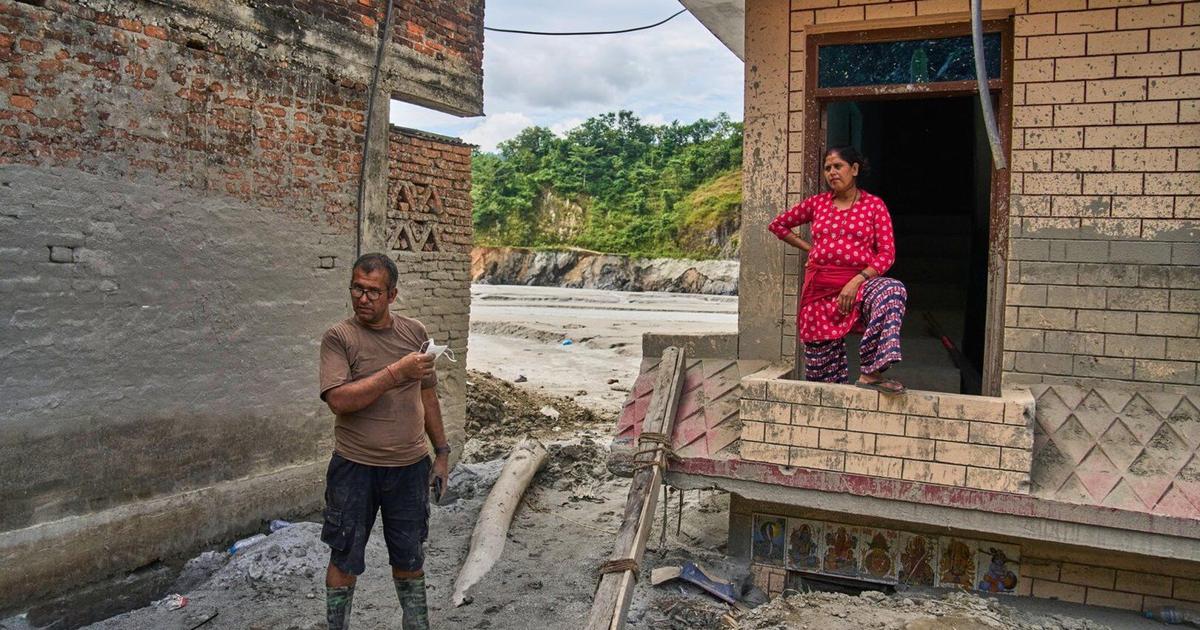
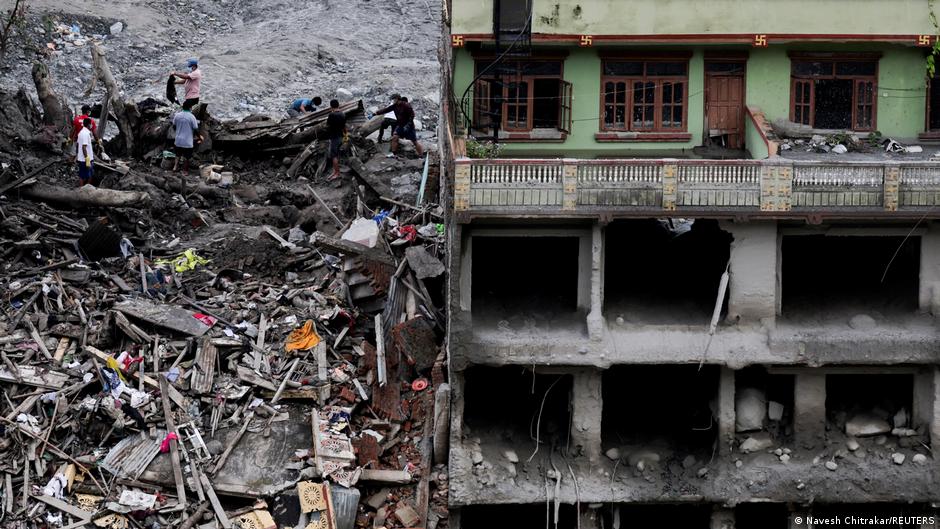
The August 26 flood, triggered by a glacier collapse along the Nepal-China border, killed about 1,450 people and left more than 5,500 missing.
asserted
flood → trigger → 5,500
Reconstruction costs are estimated to be $4.8 billion (€4.2 billion).
asserted
costs → estimate → ?
At least seven people, including girls, women and local volunteers at temporary shelters and camps, spoke to DW.
asserted
people → include → DW
Although none reported experiencing sexual harassment or abuse, their accounts point to widespread concerns about safety and vulnerability in the aftermath of the floods.
asserted
accounts → report → floods
Sabita Tamang, who lost her 5-year-old daughter, nephew and niece in the floods, is also staying in a makeshift tent in Barahachaur.
asserted
who → lose → Barahachaur
The 24-year-old said she has to travel beyond the nearest tap to bathe and collect water.
asserted
she → say → water
"We feel uncomfortable taking a bath in an open space among strangers and unknown locals," she told DW.
asserted
she → feel → DW
"Many children have seen their family members, friends and neighbors caught in the floods," she said, raising concerns about the impact on their mental health and education.
asserted
she → see → health
Risk of trafficking and abuse
Save the Children Nepal has warned that protection measures for children and their families must be strengthened across flood-affected areas amid concerns about trafficking, violence, exploitation and child marriage.
asserted
measures → warn → trafficking
Many families have moved into rented rooms.
asserted
families → move → rooms
Yet hundreds are being housed in temporary shelters and makeshift tents in Nuwakot and Dhading districts.
asserted
hundreds → house → districts
Save the Children Nepal raised concerns about privacy and safety for girls and women because unfamiliar people have unrestricted access to shared spaces.
asserted
people → raise → spaces
Ayush Joshi, director for advocacy, campaigns, communications and media at Save the Children Nepal, told DW that the organization's report was based on qualitative assessments involving affected people, including women and children, as well as volunteers deployed in flood-hit areas.
asserted
report → tell → areas
"Many temporary shelters are built without planning.
asserted
shelters → build → planning
Camps on the outskirts of towns have inadequate lighting at night and lack separate washrooms and private spaces," Joshi told DW, noting that there is unrestricted access for unfamiliar people.
asserted
Joshi → have → people
"Such situations naturally increase the risk of insecurity, potential harassment and exploitation, especially for young girls and children."
asserted
situations → increase → girls
According to Joshi, in the aftermath of the disaster, many people became separated from their families, while some children lost their lives and older siblings had to become caregivers for younger siblings.
uncertain
siblings → accord → siblings
"In such circumstances, cases of school dropouts and child marriage could increase," he added, referring to Save the Children's field assessment.
uncertain
he → increase → assessment
"We have seen many children facing mental health issues, like becoming angry, frightened and crying loudly.
asserted
We → see → issues
"
What does the government say?
asserted
government → say → What
The Nepali government has also assessed the risks of trafficking and potential child abuse and has collaborated with organizations such as Save the Children, the police and local authorities to strengthen protection measures at displacement sites.
asserted
government → assess → sites
Chakra Bahadur Budha, spokesperson at the Ministry of Women, Children, Gender and Sexual Minorities, said the government had increased monitoring and surveillance and was raising awareness about gender-based violence and trafficking.
asserted
government → say → violence
"We have mobilized and kept all relevant stakeholders on high alert to check at points of entry and exit, so as to protect affected people from being trafficked or abused," he told DW.
asserted
he → mobilize → DW
Authorities took back at least 78 children from two Buddhist monasteries in Kathmandu and placed them in temporary camps.
asserted
Authorities → take → camps
Budha explained that the monasteries had rescued and supported the children, offering long-term shelter, education and employment, but the government discourages such arrangements outside established procedures.
asserted
government → explain → procedures
"We have strictly discouraged religious or charitable organizations from keeping children without following legal procedures," Budha told DW.
asserted
Budha → discourage → DW
"Adoption has also been discouraged for now, but children can be placed with close relatives, such as uncles and aunts, for their protection after verification of their relationship."
asserted
children → discourage → relationship
The United Nations Children's Fund (UNICEF) said at least 541 children have either lost their parents or become separated from their families.
asserted
children → say → families
Initial assessments indicate that learning has been disrupted for more than 14,000 children across 62 schools and learning centers in flood-affected areas in Dhading, Nuwakot and Rasuwa districts.
asserted
learning → indicate → districts
 The Aporia