The Hindu
· collected 2026-09-29 · by Kunal Shankar; Nivedita Varadarajan
Story summary
Nepal's Prime Minister Balendra Shah, addressing the 81st session of the UN General Assembly on September 24, 2026, proposed establishing a Himalayan Climate Resilience Mechanism led by Nepal, India, and China. The initiative aims to enhance cooperation in sharing satellite data, monitoring glacial lakes, and strengthening early-warning systems to address climate-related disasters, particularly after the devastating flash floods that killed over 1,450 people and displaced thousands in August 2026.
Shah emphasized these measures as a response to environmental challenges affecting mountainous regions. The proposed mechanism would help mitigate risks from glacial lake outburst floods (GLOFs) and other climate-related threats impacting millions of people across the Himalayan region.
The floods, triggered by a glacial and rock collapse on the Nepal-China border, severely impacted tourism and local economies, with hotels and trekking companies experiencing significant cancellations. According to tour planner Pushpraj Rimal in Kathmandu, "It is still a lockdown kind of situation," reflecting ongoing challenges for recovery.
Additionally, there are pressing needs for humanitarian aid and long-term rebuilding efforts. Dr. Nimesh Dhungana from the University of Manchester's HCRI highlighted the importance of governance and accountability in disaster response and recovery processes. With around 5,285 people still missing and numerous displaced families struggling to find stable housing, initiatives like Shah’s proposal are crucial for sustainable development and resilience against future disasters. The mechanism aims not only at immediate relief but also at long-term planning to protect communities from similar catastrophic events in the future.
Written for “Nepal Floods Climate Impact” on 2026-10-05,
grounded in this article and the 20 other(s) covering the same event.
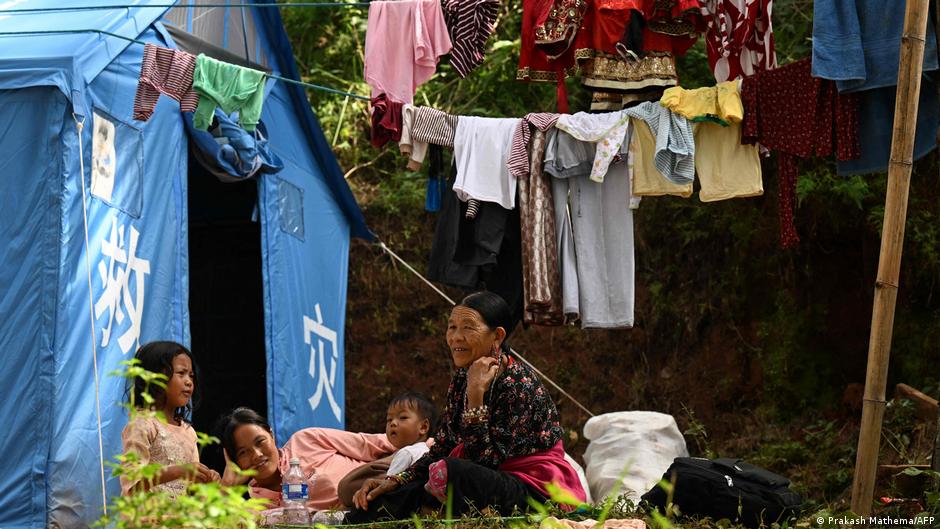
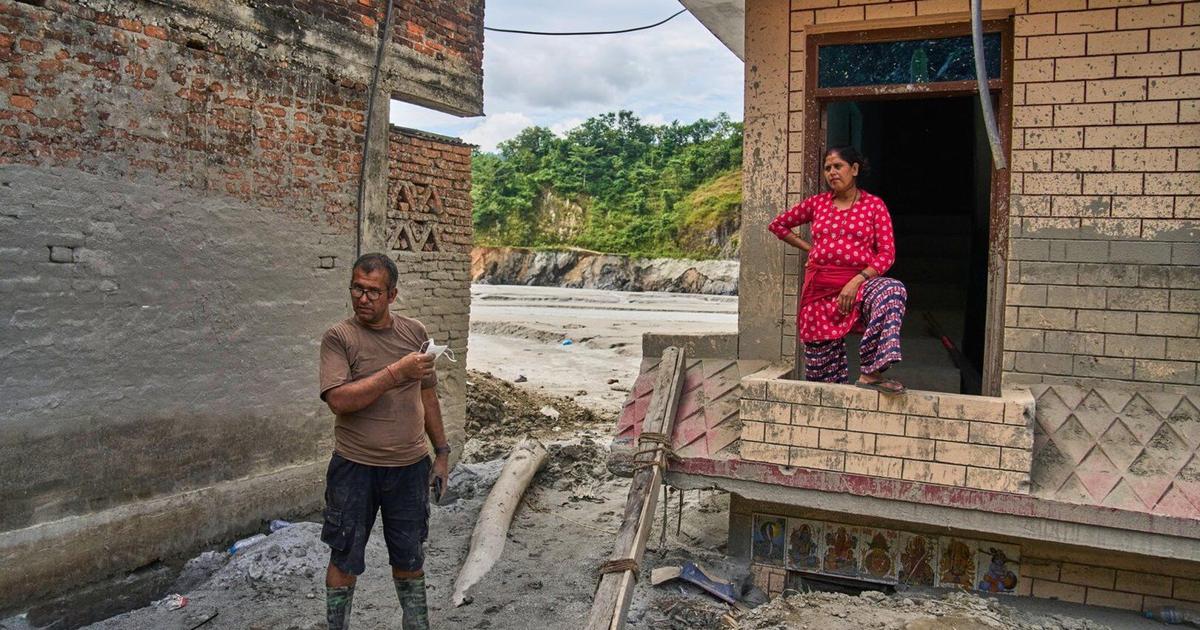
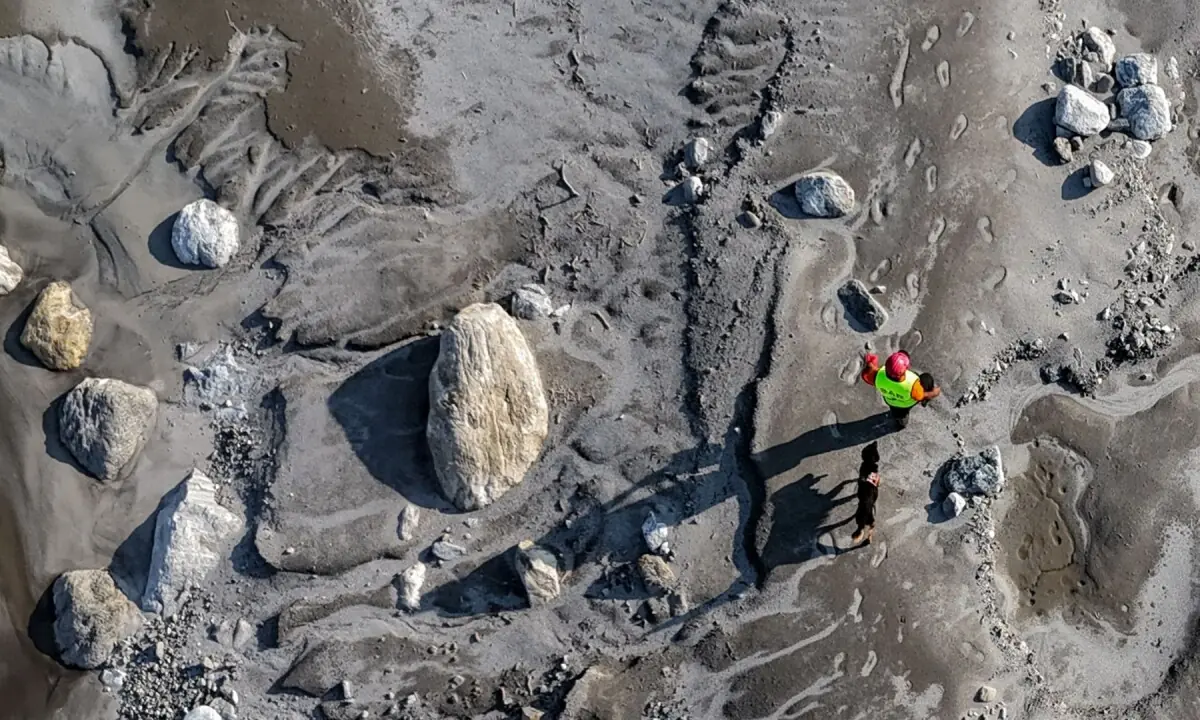
On August 26, floods hit Nepal’s Rasuwa, Nuwakot and Dhading districts, wiping away entire towns and communities.
asserted
floods → hit → towns
Roads and bridges were washed away, and telecommunications networks were down.
asserted
networks → wash → ?
The immediate focus was on rescuing people trapped under debris and providing relief to those affected.
asserted
focus → rescue → those
A month on, the focus has now shifted to rehabilitation, rebuilding and long-term recovery.
asserted
focus → shift → rehabilitation
The Hindu spoke to Dr. Nimesh Dhungana, Senior Lecturer in Disaster Studies and Global Health at the University of Manchester’s Humanitarian and Conflict Response Institute (HCRI), who studies disasters through the lens of governance, democracy and accountability, about recovery after the devastating flash floods.
asserted
who → speak → floods
Dr. Dhungana describes himself as an accidental disaster researcher who started studying disasters after the 2015 Nepal earthquake.
asserted
who → describe → earthquake
He also studied the Himalayan country’s response to the COVID pandemic.
asserted
He → study → pandemic
Is there a difference between the way the government responded to the 2015 earthquake, the COVID pandemic and the recent flash floods?
asserted
government → respond → earthquake
The government has a sense of moral responsibility [to save lives] when a disaster of this scale strikes.
asserted
disaster → have → scale
One common element is that the state acts decisively and with the speed required in the aftermath of such disasters.
asserted
state → act → disasters
It mobilises its emergency forces, led by the security forces.
asserted
It → mobilise → forces
However, we are increasingly seeing that the state’s response is not matched by a sustained commitment to long-term recovery and reconstruction.
asserted
response → see → recovery
That responsibility starts to fade, particularly when it comes to listening to affected communities and ensuring that their rights are protected during the long-term recovery and reconstruction process.
asserted
rights → start → process
It is about transparency, engagement with the affected population and ensuring that they have a say in the recovery and reconstruction process.
asserted
they → affect → process
Your work suggests that disasters expose government failures that have built up, or existed long before the disaster itself.
uncertain
that → suggest → disaster
What do you mean by this?
asserted
you → mean → this
I think there is a long-standing debate about what constitutes a disaster.
asserted
what → think → disaster
The recent floods have also forced us to revisit this basic question: what is a disaster in the first place?
asserted
what → force → place
One way of thinking about it is as an event that is often unpredictable and attracts considerable attention from national and international media, as the recent floods did.
asserted
floods → think → media
Another way of thinking about a disaster is as a process.
asserted
way → think → process
It is something that happens because of long-term vulnerabilities.
asserted
that → happen → vulnerabilities
Disasters are not caused by nature alone.
asserted
Disasters → cause → nature
I think there is a growing consensus that a disaster is more of a process than just an event.
asserted
disaster → think → event
Unfortunately, it is more comfortable to think of a disaster as an event, something beyond our control.
asserted
it → think → control
We saw that with the 2015 earthquake and the pandemic.
asserted
We → see → earthquake
This is not limited to Nepal; it is a wider issue.
asserted
it → limit → Nepal
I think this is a problematic way of looking at disasters.
asserted
this → think → disasters
It can absolve state actors of accountability.
asserted
It → absolve → accountability
We need deeper introspection into the choices we make, our governance structures and institutions.
asserted
we → need → choices
We should adopt a more rights-based approach to disaster response and rethink how we address longstanding inequalities and injustices.
asserted
we → adopt → inequalities
The state is often quick to respond to disasters, but its approach is usually centralised and top-down.
asserted
approach → respond → disasters
This undermines the roles and responsibilities of local bodies, which are the frontline responders.
asserted
which → undermine → bodies
How do you balance the role of the local bodies and the federal government, especially when a massive disaster strikes a region, leaving the local communities wiped out?
asserted
disaster → balance → communities
It depends on the scale of the disaster.
asserted
It → depend → disaster
Given the scale of the disaster, Nepal needs support from outside, not just nationally, but also internationally.
asserted
Nepal → give → outside
However, this is no excuse for not involving local representatives in the process.
asserted
this → involve → process
Ward officials, elected representatives, local NGOs and community-based organisations, which are often at the forefront of disaster response, have greater knowledge of the local context.
asserted
which → elect → context
In the Rasuwa floods, questions have been raised about their role being undermined by the centralised, top-down disaster response.
asserted
questions → raise → response
Mobilising military and security forces for disaster relief is a way of centralisation.
asserted
Mobilising → mobilise → centralisation
We need to think beyond security forces for the immediate response and recovery.
asserted
We → need → response
…and 48 more, not listed.
 The Aporia