How to Fake Climate Science and Fool the World

Read the original at The Free Press ↗
The Free Press · collected 2026-09-20 · by Roger Pielke Jr.

Quick Summary

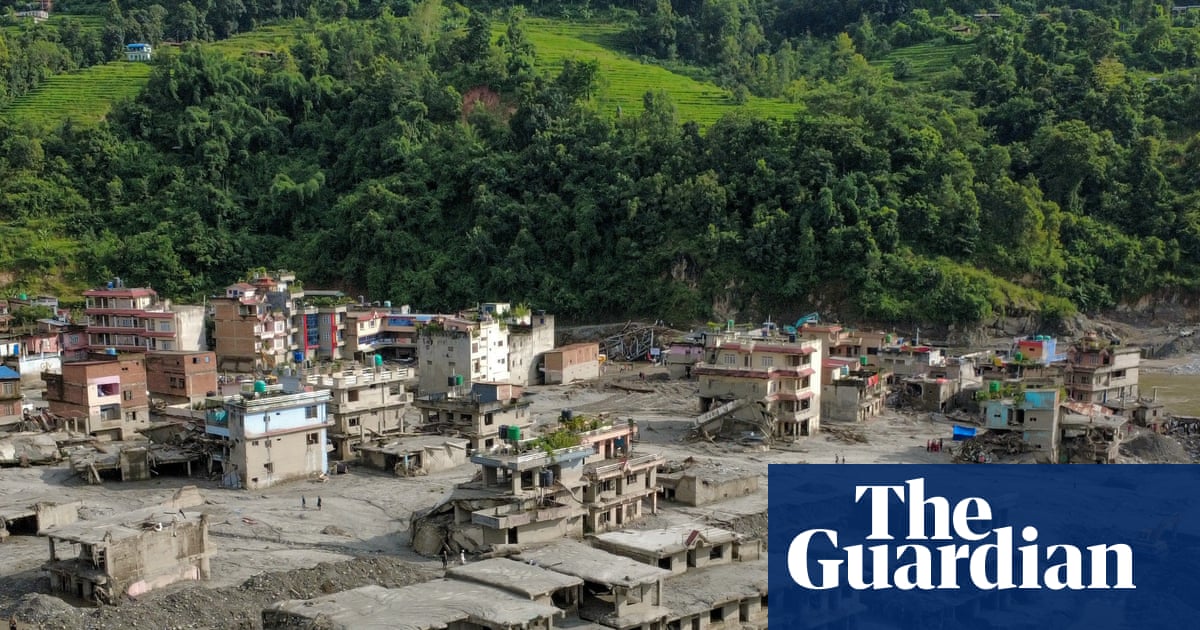
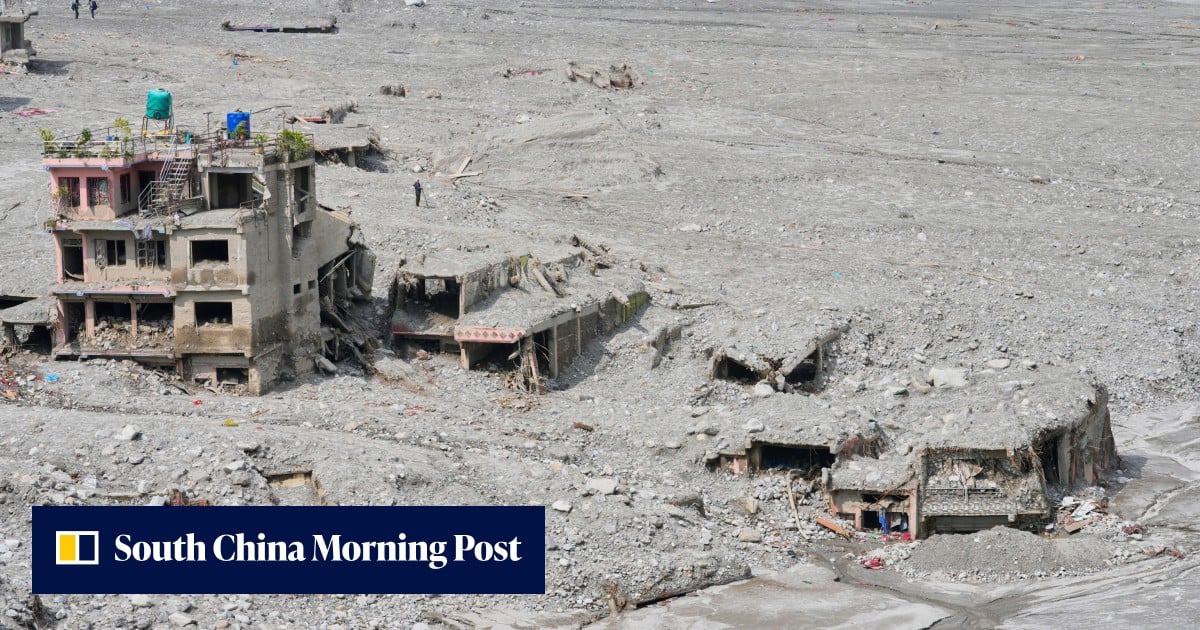
On August 26, a catastrophic flood and mudflow in Nepal and Tibet killed thousands after a rock and ice wall from Langtang Lirung collapsed. Less than a month later, World Weather Attribution (WWA) published a report linking this event to human-caused global warming and advocating for reduced fossil fuel use. WWA's claims were widely reported by major media outlets, influencing Nepal’s government to seek $20 million in compensation from the UN based on these findings. The article criticizes WWA's methodology of issuing press releases after significant weather events, claiming increased likelihood due to climate change, and notes that this pattern has occurred over 120 times since WWA was founded in 2014.
Written locally by qwen2.5:14b on 2026-09-21, using this article's own text rather than the other coverage of the same event (that is the story summary below).

AI analysis runs on qwen2.5:14b, locally

Story summary

Nepal's Prime Minister Balendra Shah, addressing the 81st session of the UN General Assembly on September 24, 2026, proposed establishing a Himalayan Climate Resilience Mechanism led by Nepal, India, and China. The initiative aims to enhance cooperation in sharing satellite data, monitoring glacial lakes, and strengthening early-warning systems to address climate-related disasters, particularly after the devastating flash floods that killed over 1,450 people and displaced thousands in August 2026.

Shah emphasized these measures as a response to environmental challenges affecting mountainous regions. The proposed mechanism would help mitigate risks from glacial lake outburst floods (GLOFs) and other climate-related threats impacting millions of people across the Himalayan region.

The floods, triggered by a glacial and rock collapse on the Nepal-China border, severely impacted tourism and local economies, with hotels and trekking companies experiencing significant cancellations. According to tour planner Pushpraj Rimal in Kathmandu, "It is still a lockdown kind of situation," reflecting ongoing challenges for recovery.

Additionally, there are pressing needs for humanitarian aid and long-term rebuilding efforts. Dr. Nimesh Dhungana from the University of Manchester's HCRI highlighted the importance of governance and accountability in disaster response and recovery processes. With around 5,285 people still missing and numerous displaced families struggling to find stable housing, initiatives like Shah’s proposal are crucial for sustainable development and resilience against future disasters. The mechanism aims not only at immediate relief but also at long-term planning to protect communities from similar catastrophic events in the future.

Written for “Nepal Floods Climate Impact” on 2026-10-05, grounded in this article and the 20 other(s) covering the same event.

Signals How these are calculated →

Claims extracted
8
claim-shaped sentences
Uncertain
25%
2 of 8 hedged
Leaning
Leans left
of the writing, not the subject · beta estimate
Correction & hedging signals
96.4
corrections and hedging in what we collected; not a measure of accuracy
Outlets on this story
21
Environment
Narrative spread
1
articles carrying this framing
Analyzed 2026-09-21 · how these are computed

Story

📰 Nepal Floods Climate Impact
Environment · 21 article(s) covering the same event. See how they differ ↓

How this is being covered How these are calculated →

Article leaning vs. publisher reliability
Source leaning vs. consistency

Compared with similar articles

This article reads leans left and hedges 25% of its claims. Each row says how that neighbour differs.
Dawn
⚖️ leaning not scored 🔴 0% hedged 0 of 36 📰 publisher trust 77
“Both articles describe the same catastrophic glacial flood and debris flow caused by a mountain ice and rock collapse near Nepal's Langtang Lirung on August 26, 2026.”
Toronto Star
⚖️ Leans left 🔴 14% hedged 5 of 37 📰 publisher trust 63
“Article A discusses a scientific analysis about the likelihood of climate change affecting the Aug 26 incident, while Article B critiques the media coverage and findings related to that analysis, but does not describe the same specific event itself.”
Daily Mail
⚖️ Leans left 🔴 20% hedged 5 of 25 📰 publisher trust 65
“While both articles discuss the same flood event and its potential connection to climate change, Article B focuses on criticizing how the link was reported and perceived, rather than just reporting the incident itself.”
The Guardian
⚖️ leaning not scored 🔴 13% hedged 3 of 23 📰 publisher trust 68
“Both articles discuss the same catastrophic flood caused by a glacier collapse in Nepal and Tibet, citing scientific studies and reports on the climate impact.”
Toronto Star
⚖️ Leans left 🔴 15% hedged 7 of 48 📰 publisher trust 63
“Both articles describe a massive flood and mudflow in Nepal that killed thousands of people, indicating they are reporting on the same specific incident.”
South China Morning Post
⚖️ leaning not scored 🔴 0% hedged 0 of 5 📰 publisher trust 67
“Article A discusses the scientific attribution of a flood disaster to human-caused global warming, while Article B focuses on Nepal's political push for international cooperation and data-sharing with India and China regarding climate resilience in the Himalayas.”
BBC News
⚖️ leaning not scored 🔴 33% hedged 6 of 18 📰 publisher trust 78
“Article A reports on a scientific study about climate change's role in the disaster, while Article B critiques how such studies are perceived and reported.”
Al Jazeera
⚖️ Leans strongly left further left than this 🔴 6% hedged 1 of 17 📰 publisher trust 60
“Article A describes a scientific report published after a devastating flood in Nepal and Tibet, while Article B covers Nepal's Prime Minister addressing the UN General Assembly about the same flood as a warning on climate change.”
Al Jazeera
⚖️ leaning not scored 🔴 15% hedged 16 of 107 📰 publisher trust 60
“Article A describes the initial flood and its immediate aftermath, while Article B focuses on a later report by an organization attributing the cause of the disaster to human-caused global warming.”

Publisher

The Free Press · 223 article(s) · 0 correction(s) detected
No corrections detected for this publisher. That may mean careful reporting, or simply that nothing has been checked.

Who wrote this

Roger Pielke Jr.
1 article(s) here · 0 carrying a prediction
The only article under this byline in the corpus.

Topics

Langtang Lirung Nepal Tibet WWA World Weather Attribution

Subjects

WWA ORG · 4× Nepal GPE · 2× Imperial College London ORG · 1× Langtang Lirung GPE · 1× Tibet GPE · 1× World Weather Attribution ORG · 1× the United Nations ORG · 1×

Narrative

Less than a month later, on September 17, an influential organization called World Weather Attribution (WWA), housed at Imperial College London, published a report on the catastrophe along with a press release touting its alarming findings.
framing: mixed · carried by 1 article(s) · first seen 2026-09-21
2026-09-21 · The Free Press
How to Fake Climate Science and Fool the World · mixed framing

Claims (8 extracted, 2 hedged)

On August 26, a wall of rock and ice broke away from Langtang Lirung in the Himalayas, resulting in a massive flood and mudflow that killed thousands of people along the border of Nepal and Tibet. asserted
that → break → Nepal
Less than a month later, on September 17, an influential organization called World Weather Attribution (WWA), housed at Imperial College London, published a report on the catastrophe along with a press release touting its alarming findings. asserted
organization → call → findings
Major media outlets ran with it, claiming that WWA’s scientists had concluded that the collapse was the result of human-caused global warming. asserted
collapse → run → warming
WWA also asserted that early warning systems were useless against an event of that scale, and called for a rapid exit from fossil fuels to reduce the risks of future such events. asserted
systems → assert → events
With this supposedly authoritative report in hand, Nepal’s government now plans to take a $20 million claim for compensation to the United Nations for loss and damage due to climate change. uncertain
government → plan → change
WWA scientists have now repeated this sequence more than 120 times since its founding in 2014: They issue a press release and technical report after a significant weather event, and link the event to climate change. asserted
They → repeat → change
The scientists then purport to explain how much climate change has tilted the odds for such events—three times more likely, 10 times more likely, impossible without climate change, etc. asserted
change → purport → change
The media around the world then publicize the claims, invariably without challenge. uncertain
media → publicize → challenge
💬Give feedback
🕘History 🎫Support