Toronto Star
· collected 2026-09-25 · by Huizhong Wu The Associated Press
Story summary
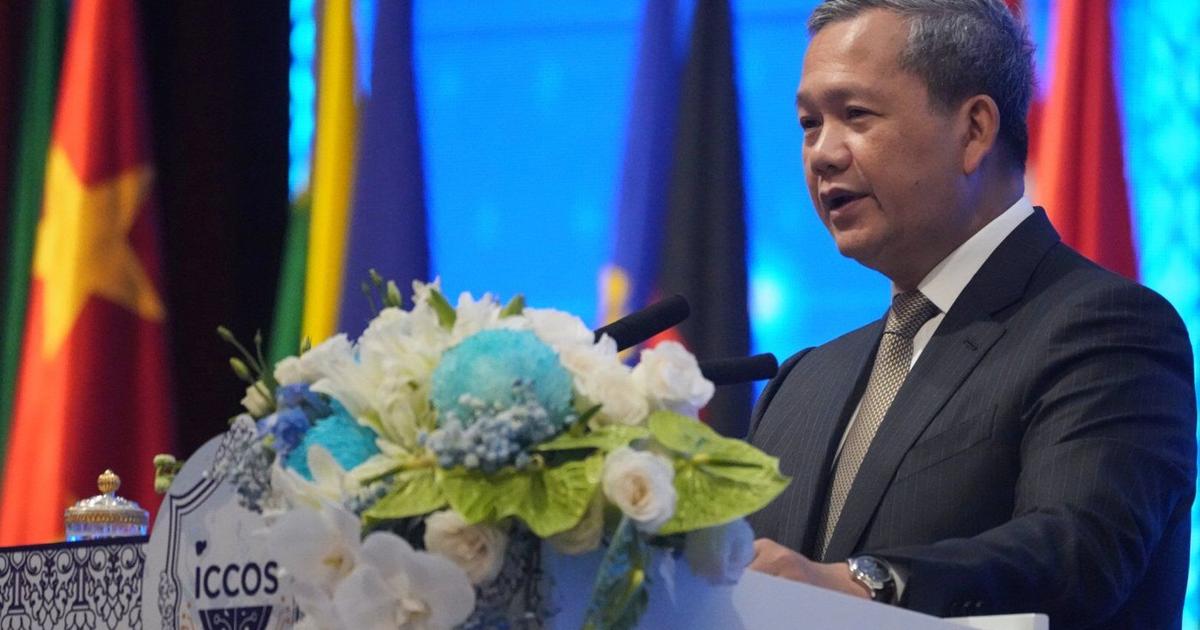
Nepal's Prime Minister Balendra Shah, addressing the 81st session of the UN General Assembly on September 24, 2026, proposed establishing a Himalayan Climate Resilience Mechanism led by Nepal, India, and China. The initiative aims to enhance cooperation in sharing satellite data, monitoring glacial lakes, and strengthening early-warning systems to address climate-related disasters, particularly after the devastating flash floods that killed over 1,450 people and displaced thousands in August 2026.
Shah emphasized these measures as a response to environmental challenges affecting mountainous regions. The proposed mechanism would help mitigate risks from glacial lake outburst floods (GLOFs) and other climate-related threats impacting millions of people across the Himalayan region.
The floods, triggered by a glacial and rock collapse on the Nepal-China border, severely impacted tourism and local economies, with hotels and trekking companies experiencing significant cancellations. According to tour planner Pushpraj Rimal in Kathmandu, "It is still a lockdown kind of situation," reflecting ongoing challenges for recovery.
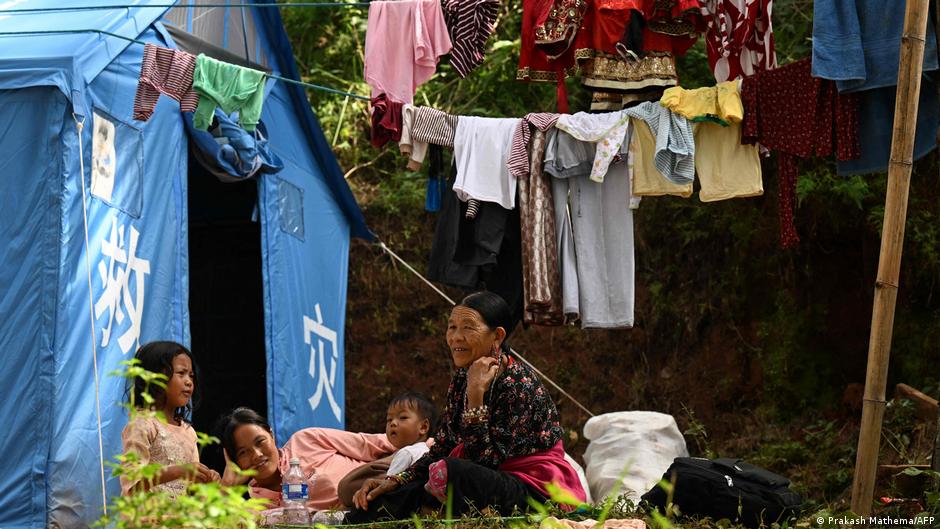
Additionally, there are pressing needs for humanitarian aid and long-term rebuilding efforts. Dr. Nimesh Dhungana from the University of Manchester's HCRI highlighted the importance of governance and accountability in disaster response and recovery processes. With around 5,285 people still missing and numerous displaced families struggling to find stable housing, initiatives like Shah’s proposal are crucial for sustainable development and resilience against future disasters. The mechanism aims not only at immediate relief but also at long-term planning to protect communities from similar catastrophic events in the future.
Written for “Nepal Floods Climate Impact” on 2026-10-05,
grounded in this article and the 20 other(s) covering the same event.
BANGKOK (AP) — Olena Kalynychenko was looking forward to sharing the chrysanthemum tea she had bought in China with her partner.
asserted
she → look → partner
“She said, ‘When I come back home, we will drink the tea made from Chinese flowers,’” said Oles Visich, Kalynychenko’s partner.
asserted
Visich → say → flowers
He has now been waiting for news about her for a month, after she and thousands of others disappeared in catastrophic flooding along the Nepal-China border.
asserted
she → wait → border
Her last known location was exiting China at a border post at 10:22 a.m. local time, 15 minutes before the flood.
asserted
location → know → flood
Kalynychenko, 36, was part of a group of 56 people, mostly Ukrainians, who had traveled to Mount Kailash in Tibet for a spiritual retreat.
asserted
who → travel → retreat
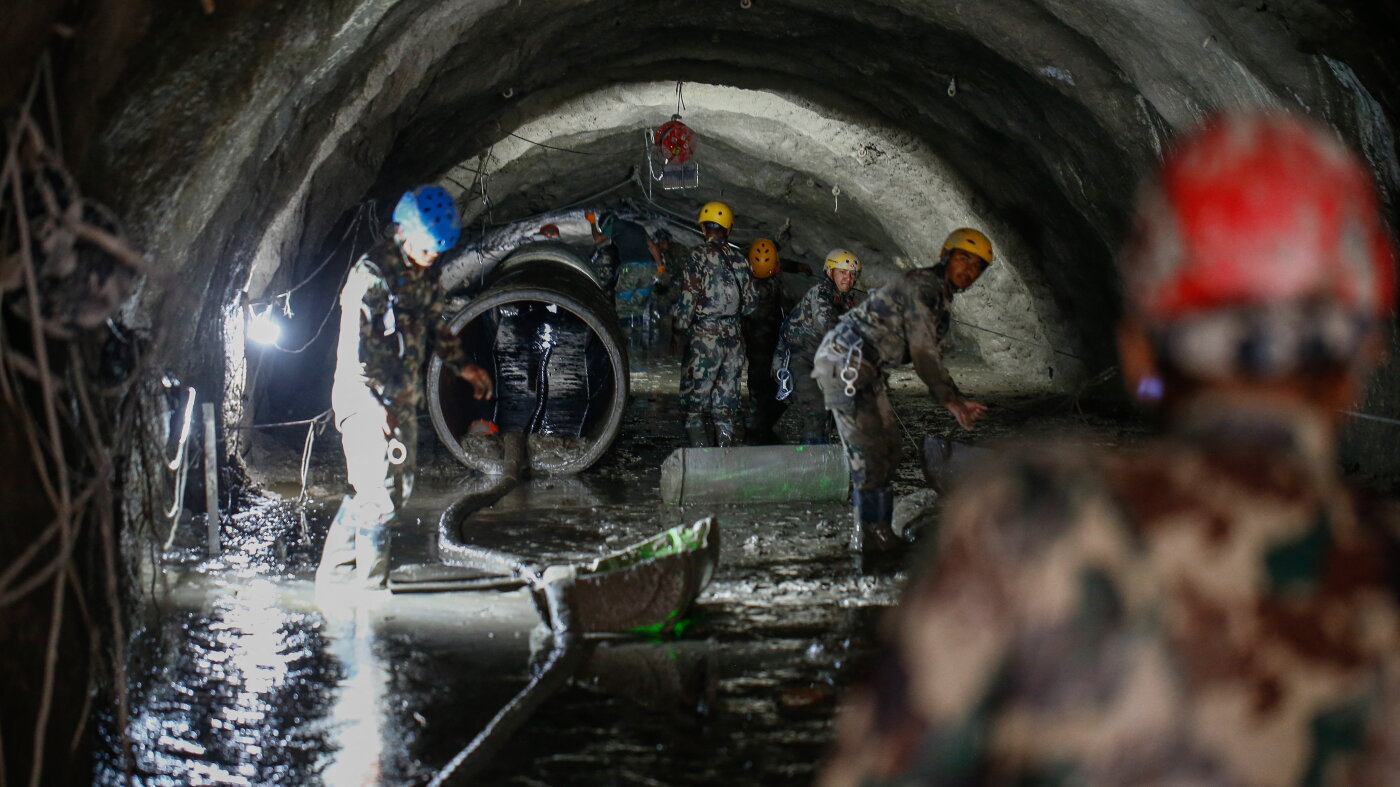
Their families’ situation is a sign of how complex and time-consuming the process is of rescuing, recovering and identifying victims lost to the disaster.
asserted
process → consume → disaster
Given the number of missing, the process will likely take months.
asserted
process → give → months
They disappeared while heading from China to Nepal on their way home.
asserted
They → disappear → way
Some relatives say they have received no information from authorities.
asserted
they → say → authorities
The Chinese government has told at least two families that their relatives left Chinese territory before the flood struck, but they haven’t been able to confirm whether they entered Nepal as Nepal’s immigration complex and its records were destroyed in the floods.
asserted
complex → tell → floods
Little information is reaching families
The floods killed more than 1,400 people and left more than 6,000 missing, most of them on the Nepali side of the border.
asserted
floods → reach → border
Nepal has said that 636 foreign nationals remain missing, including 54 Ukrainians.
asserted
nationals → say → Ukrainians
China has reported 261 foreign nationals among the missing on its side, including one Ukrainian.
asserted
China → report → Ukrainian
Families in Ukraine say most of them have not received any answers since realizing their relatives were among the missing.
asserted
relatives → say → missing
“We only have the statistics that are being posted online — how many people have been found, how many are alive, how many are dead, and how many are still missing,” said Stanislav Solohub, whose brother and sister-in-law went missing on Aug. 25.
asserted
brother → have → Aug.
Nepal says it has recovered 1,451 bodies, but only 112 have been handed over to families so far.
asserted
112 → say → families
The government said it has collected DNA samples from 2,035 relatives so far, but it has not disclosed how many victims have been identified.
asserted
victims → say → relatives
Last messages were sent minutes before the floods began
The group, led by Irina Blonskaya, a spiritual teacher who often organized retreats, was returning from its journey home in China when the flood struck Aug. 26.
asserted
flood → send → China
Their plan was to travel by bus from the Tibet region to Kathmandu, where its members would board flights to their respective countries.
asserted
members → travel → countries
The group’s last message was sent at 8:27 a.m. Nepal time, about 10 minutes before the mountain slope collapsed.
asserted
slope → send → time
Many had not checked in with their loved ones that morning, owing to the time difference.
asserted
Many → check → difference
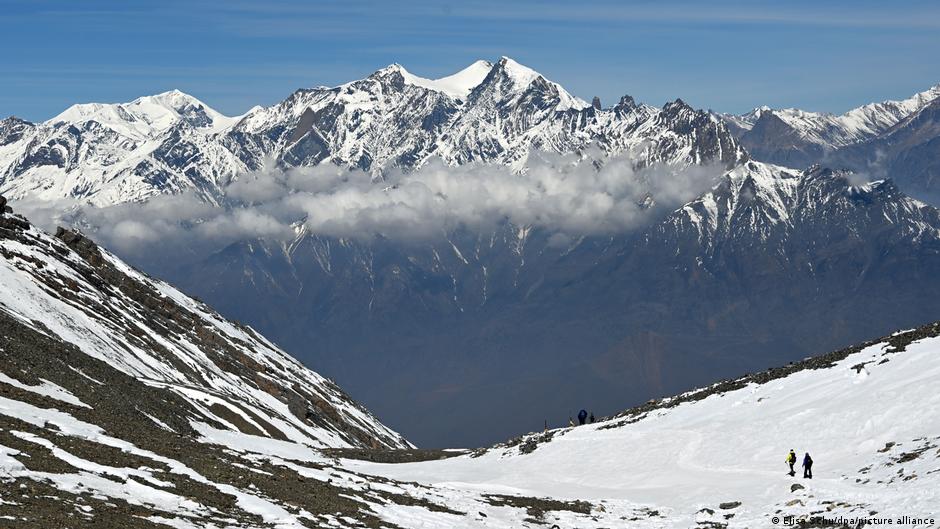
Authorities have said the were triggered when a section of ice and rock broke away from a Himalayan mountain slope, creating a fast-moving torrent of water, ice, mud and debris.
asserted
section → say → water
It destroyed communities and Gyirong Port, a border crossing used by some pilgrims traveling to or returning from Mount Kailash.
asserted
It → destroy → Kailash
‘Who is looking for them?’
asserted
Who → look → them
Vladsylava Horlova’s mother, Elena, was traveling in the group as well.
asserted
mother → travel → group
She initially found her mother’s name of the list of the missing from the Nepali government, but hasn’t received any further information from the Nepali side.
asserted
She → find → side
Later, the Chinese embassy confirmed her mother had left the country, and was not counted in China’s list of missing people.
asserted
mother → confirm → people
Horlova, a college student who is a refugee in Norway, worries her mother wasn’t in either country when the flood struck.
asserted
flood → worry → country
There’s a stretch of road between the Nepali immigration building and the Chinese one along the border, videos from travelers show.
asserted
videos → ’ → travelers
“You think about what if someone appeared to be in a no man’s land or that they left China, but not physically, who’s looking for them?” she asked.
asserted
she → think → them
Horlova has attempted to contact organizations ranging from the Ukrainian embassy in China, to Norwegian police, and even the Red Cross.
asserted
Horlova → attempt → police
She, like the others, have submitted their DNA samples to police to help the search.
asserted
She → submit → search
On the other side of the border, China has said that when the remains of foreigners are identified, it will notify their respective embassies, but the authorities have not given any details about how many identities have been confirmed so far.
asserted
identities → say → details
Though it has been a month since the original disaster, some families are still holding on to hope.
asserted
families → hold → hope
Just days before Kalynychenko left for her travels, she organized a retreat for women in Ukraine whose partners were fighting on the front lines of the war, some of whom had not heard from their partners for two years.
asserted
some → leave → years
Visich, her partner, sees the irony of his situation, but like others in the group, has chosen to stay positive.
asserted
Visich → see → group
Visich, also a psychologist, wrote a support guide for others like himself, offering tips on mental health.
asserted
Visich → write → health
“Because for my Olenka, for example, the most important thing in our connection, that each other … needs to be happy,” Visich said.
asserted
Visich → need → connection
AP writer Binaj Gurubacharya in Kathmandu, Nepal and senior video producer Volodymr Yurchuk in Kyiv, Ukraine contributed to this report.
asserted
Gurubacharya → contribute → report
 The Aporia