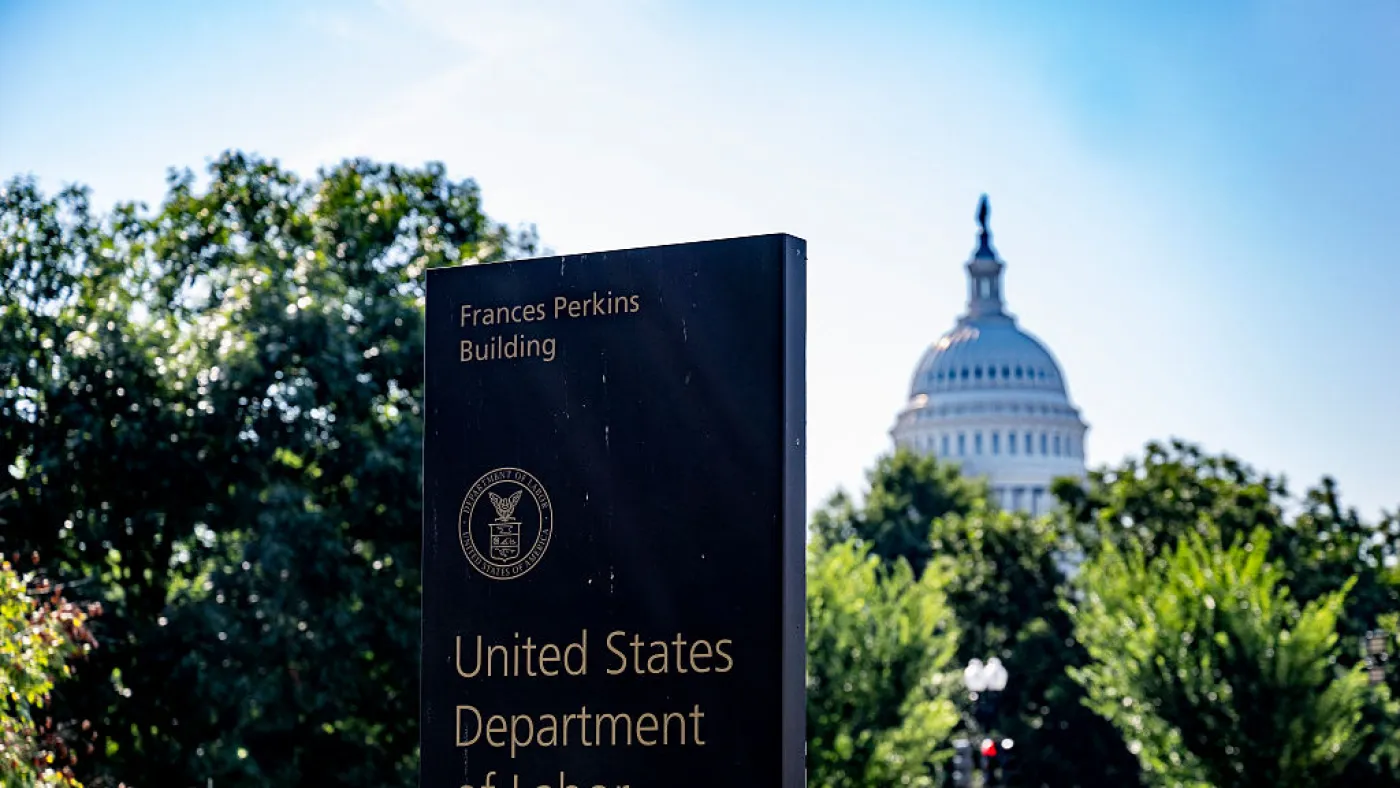
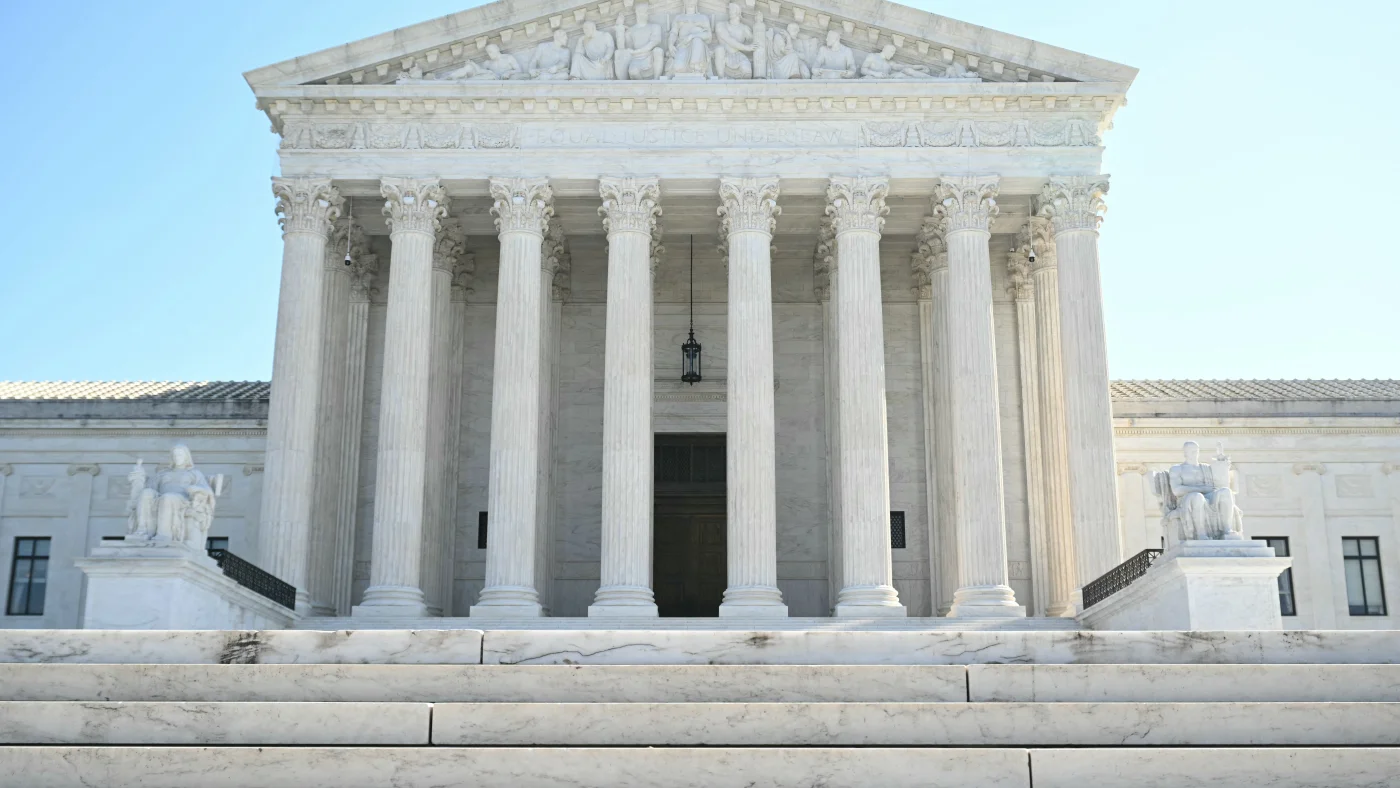
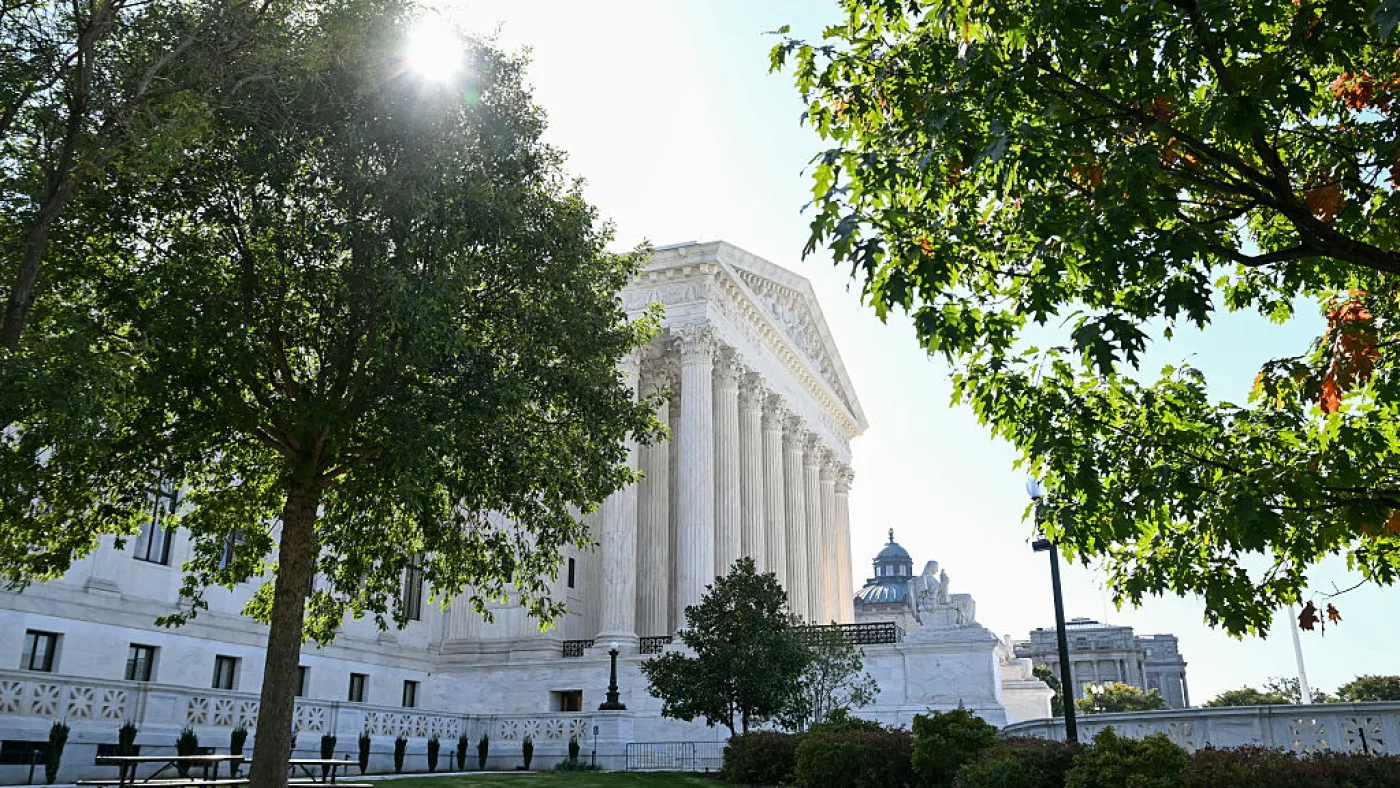
Photo via NPR

The Supreme Court faces another term jam-packed with controversy

Read the original at NPR ↗
Cite

Totenberg, N. (2026, October 3). The Supreme Court faces another term jam-packed with controversy. NPR. https://www.npr.org/2026/10/03/nx-s1-5986341/supreme-court-term-religion-guns-environment-immigration

Dated when The Aporia collected the article, usually within hours of publication. Check the original for its exact date and byline.

NPR · collected 2026-10-03 · by Nina Totenberg

Quick Summary

The U.S. Supreme Court begins its new term amidst a surge in controversial cases covering topics such as climate change, religion, gun control, immigration, and election laws. Georgetown University professor Stephen Vladeck notes an increase in emergency appeals since the Trump administration while the number of argued cases has decreased. The court's decision-making process on these emergency applications is criticized for lacking adequate explanation compared to its usual thorough deliberation on merit-based cases. The climate change case set for Monday’s argument concerns whether states and localities can sue energy companies for misleading information about fossil fuels' harmful effects, a challenge seen by many as unlikely to succeed.
Written by AI on 2026-10-03, from this article's own text only (the story summary below draws on all the coverage).
See how they differ ↓

AI analysis

Story summary

The Supreme Court opened its new term on Monday by hearing arguments in Suncor Energy v. Boulder County, a landmark case that could determine whether states and local governments can sue oil and gas companies for climate change damages. The case, which began in 2018 when Boulder County sued Exxon Mobil and Suncor Energy, accuses these companies of contributing to climate-related harms through their fossil fuel operations. The lawsuit aims to hold the companies financially responsible for local climate impacts using state tort laws.

If the Supreme Court allows such lawsuits, it could set a precedent for similar cases across the nation, potentially affecting industries that emit carbon and leading to increased costs for consumers due to higher legal liabilities. Conversely, if the court rules against Boulder County, it would limit states' ability to use their courts for addressing national policy issues like climate change through tort law, thereby protecting manufacturers from an expanding patchwork of lawsuits based on complex environmental problems.

Written for “Supreme Court Climate Case” on 2026-11-18, grounded in this article and the 35 other(s) covering the same event.

How they differ

12 outlets covered “Supreme Court Climate Case”.

What each outlet says

One AI summary per outlet of its latest article on this story, written from that article alone and checked against it. Open the article for the outlet's own words.

NPRThis outlet3 Oct

The U.S. Supreme Court begins its new term amidst a surge in controversial cases covering topics such as climate change, religion, gun control, immigration, and election laws. Georgetown University professor Stephen Vladeck notes an increase in emergency appeals since the Trump administration while the number of argued cases has decreased. The court's decision-making process on these emergency applications is…

The Supreme Court faces another term jam-packed with controversy (this article)3 articles from NPR on this story
Washington Examiner5 Oct

During a Supreme Court hearing on Suncor Energy v. County Commissioners of Boulder County, Justice Elena Kagan compared Boulder’s climate lawsuit against oil companies to the lawsuits filed against tobacco companies in the 1990s. The case focuses on whether Boulder’s lawsuit can proceed under state law or is preempted by federal regulations regarding air pollution and greenhouse gas emissions. Shanmugam…

Justice Kagan compares Boulder’s climate lawsuit to ‘big tobacco’ lawsuits →9 articles from Washington Examiner on this story
CBS News6 Oct

The U.S. Supreme Court heard oral arguments regarding an attempt by energy companies to prevent a lawsuit filed by Boulder County and the city of Boulder, Colorado. The plaintiffs aim to hold these companies responsible for damages caused by global climate change. Eight justices participated in the hearing.

U.S. Supreme Court wrestles with bid by energy companies to block major climate suit →7 articles from CBS News on this story
Fox News10 Oct

Energy policy experts warn that a Supreme Court decision in favor of climate change lawsuits against oil companies could lead to the bankruptcy of these firms and significant increases in gas prices. The case, Suncor v. Boulder, centers on whether federal law preempts state legal claims seeking damages from fossil fuel producers for alleged climate-related harms. During oral arguments, Justice Clarence Thomas…

Supreme Court climate case could bankrupt oil companies, send gas prices soaring, experts warn →5 articles from Fox News on this story
NBC News5 Oct

The Supreme Court's new term starts with a case where oil companies seek to dismiss lawsuits filed by cities like Boulder, Colorado, claiming the companies should pay damages for climate change impacts. The lawsuit against Exxon Mobil and Suncor Energy alleges these firms misled consumers about greenhouse gas effects, while the defendants deny wrongdoing and argue that federal jurisdiction, not states, is…

New Supreme Court term begins with a climate change case seeking to hold energy companies liable →3 articles from NBC News on this story
Reason5 Oct

The Supreme Court is set to hear oral arguments in the case of Suncor Energy v. Boulder County on October 9th, where fossil fuel companies are arguing that all state-law-based tort lawsuits regarding climate change damages should be preempted by federal law. This could have significant implications for environmental and climate policy in the United States. The author will discuss this case at two events: one at Penn…

Unpacking the Suncor Oral Argument →2 articles from Reason on this story
Show 6 more outlets
Los Angeles Times5 Oct

During a Supreme Court hearing, justices expressed skepticism about allowing state-based lawsuits against oil producers over climate change damages. Justices Brett Kavanaugh and Elena Kagan suggested that such claims might be preempted by federal law under the Clean Air Act. The case involves Colorado’s ruling that Boulder County can sue for damages in local court, which could impact similar pending litigation in…

Supreme Court sounds wary of state-based climate change suits against oil producers →2 articles from Los Angeles Times on this story
The Straits Times5 Oct

The US Supreme Court is set to hear arguments in Suncor v Boulder on October 5, where plaintiffs from Colorado are suing oil companies for damages related to climate change. The case involves claims that ExxonMobil and Suncor knowingly caused and concealed the dangers of fossil fuels, resulting in significant financial losses due to extreme weather events. At stake is whether federal law pre-empts these state-level…

US Supreme Court hears bid to shut the door on climate suits →
ABC News (US)5 Oct

The Supreme Court's new term starts with significant cases involving climate change, gun rights, and immigration policies. In the climate change case, energy companies Suncor and ExxonMobil seek to block lawsuits in Boulder, Colorado, where local officials claim these companies should contribute financially to damages caused by climate change. The court will also examine challenges to state laws banning certain…

Supreme Court term begins with cases on climate change, immigration and gun rights →
Toronto Star5 Oct

The Supreme Court's new term begins with significant cases addressing climate change, gun control, and immigration policies. Energy companies like Suncor and ExxonMobil are challenging lawsuits in Boulder, Colorado, which seek to hold them financially responsible for damages caused by climate change. Additionally, the court will consider challenges to state laws banning assault-style weapons and Trump's deportation…

A new Supreme Court term begins with cases on climate change, immigration and gun rights →
The Guardian5 Oct

The US Supreme Court will hear arguments on Monday concerning Suncor Energy’s and ExxonMobil’s bid to block climate damage lawsuits brought by Boulder County. Local officials argue that these oil companies should cover some of the costs associated with climate impacts, while the companies assert federal law prevents state courts from handling such cases. If the court rules in favor of the fossil fuel industry, it…

US supreme court to hear big oil’s bid to block climate damage lawsuits →
CBC6 Oct

The U.S. Supreme Court heard arguments on whether local governments can sue oil and gas companies for climate damages in state courts. Boulder, Colorado, is suing Suncor and ExxonMobil to recover costs from climate-related disasters like the Marshall Fire, which caused $2 billion in damage. Chief Justice John Roberts expressed concern about a potential flood of similar lawsuits across the country, while Justice…

What U.S. Supreme Court judges said at a hearing on climate damages from oil and gas →

Where they agree and split

Agreed

AI · cited, from two or more outlets

  • The case involves whether state courts can hear lawsuits against energy companies for damages related to climate change.13
Quoted from the coverage (2)

About a dozen states have banned semiautomatic rifles like AR-15s, which are often called assault weapons.

4 outlets

Justice Elena Kagan compared the climate change lawsuits to previous claims against tobacco and opioid companies brought by states on behalf of their citizens.

4 outlets

Disputed

Picked by our model, which is sometimes wrong

  • CBS News and The Guardian present different perspectives on the potential impact of the Supreme Court's decision, with CBS focusing on the procedural aspects while The Guardian emphasizes the broader implications for climate accountability.13

Framing

How the first headlines put it

  • CBS News and The Straits Times both frame the case as a bid to shut down climate change lawsuits, but CBS focuses more on the procedural aspects while The Straits Times highlights the broader implications.12
  • ABC News frames the Supreme Court's new term with multiple high-profile cases including climate change, immigration, and gun rights, whereas Fox News emphasizes the potential financial impact on oil companies if the court rules in favor of local governments.45
The full story: what happened, how it changed, and all 36 articles →

Compared with similar articles

This article reads leans left and hedges 16% of its claims. Each row says how that neighbour differs.
Washington Examiner
Hedges 3 of 26 claims Outlet record 67/100
“The articles discuss different aspects of the Supreme Court's activities - one focuses on the long conference before the term starts, while the other discusses the start and significance of a new term.”
ABC News (US)
Leans left Hedges 1 of 30 claims Outlet record 67/100
Toronto Star
Leans left Hedges 1 of 29 claims Outlet record 64/100
CBS News
Hedges 0 of 2 claims Outlet record 67/100
Fox News
Leans right further right than this Hedges 6 of 42 claims Outlet record 67/100
“Both articles discuss the Supreme Court starting a new term but cover different aspects of it without describing the same specific incident.”
Washington Examiner
Hedges 7 of 40 claims Outlet record 67/100
“While both articles discuss the Supreme Court starting a new term, they describe different aspects of the same broader event — Article A covers various controversial cases including climate change, while Article B focuses specifically on the climate case involving Boulder County.”
CBS News
Hedges 9 of 102 claims Outlet record 67/100
“The articles discuss the upcoming new term for the U.S. Supreme Court but do not describe the same specific occurrence or moment in time.”
NPR
Hedges 8 of 52 claims Outlet record 60/100
“While both articles discuss the start of a new Supreme Court term, they focus on different aspects and cases.”
CBS News
Hedges 0 of 3 claims Outlet record 67/100
“While both articles discuss the start of the Supreme Court's new term, they do not describe the same specific incident or occurrence.”
The Straits Times
Leans right further right than this Hedges 2 of 37 claims Outlet record 64/100
“While both articles discuss the opening of a new Supreme Court term and mention that the term will involve cases related to Trump's policies, they do not describe the exact same incident or occurrence.”

Story

Supreme Court Climate Case
Environment · 36 article(s) covering the same event. Compare every outlet's account →
How this article was measured signals, leaning charts, publisher record, byline, topics and claims

Signals How these are calculated →

Claims extracted
51
sentences that state something as happening or true
Uncertain
16%
8 of 51 hedged ("reportedly", "may", "according to")
Leaning
Leans left
of the writing, not the subject · beta estimate
Publisher signals
60/100
NPR's corrections and hedging, across everything collected from it. Not a measure of accuracy.
Outlets on this story
36
Environment
Same framing elsewhere
1
articles that frame the event the way this one does
Analyzed 2026-10-03 · how these are computed

How this is being covered How these are calculated →

Article leaning vs. publisher reliability
Source leaning vs. consistency

Publisher

NPR · 1333 article(s) · 4 correction(s) detected
Running correction rate · 4 correction(s)

Who wrote this

Nina Totenberg
4 article(s) here · 1 carrying a prediction
Supreme Court seems split over federal agencies' ability to fine for law violations At the Supreme Court, the justices seemed divided on Tuesday in a case that could undermine the ability of many federal regulatory agencies to fine businesses that violate federal laws.
"It's hard to imagine that Colorado couldn't have seen this coming," she opined.
At issue is whether religious schools may refuse to admit the children of gay and trans parents in violation of a state law that bars discrimination.
With that backdrop, here are the cases the court will be hearing in the coming weeks:
Also by Nina Totenberg
Nothing else under this byline is closely related to this article, so these are simply their most recent.

Topics

Georgetown University Harvard Law School Supreme Court The Supreme Court The U.S. Supreme Court

Subjects

The Supreme Court ORG · 3× Trump PERSON · 3× Deepak Gupta PERSON · 1× Georgetown University ORG · 1× Harvard Law School ORG · 1× Stephen Vladeck PERSON · 1× Supreme Court ORG · 1× The U.S. Supreme Court ORG · 1× Vladeck PERSON · 1× Washington GPE · 1×

Narrative

Indeed, as Georgetown University law professor Stephen Vladeck observes, the number of emergency appeals has ballooned during the Trump administration, while at the same time, fully briefed and argued cases have dropped precipitously over the years. "So now we have twice as many full court rulings on emergency applications as we have on the merits docket," Vladeck observes, adding, "That is a very new phenomenon." The difference is that decisions on the emergency docket are rendered quickly, with little briefing, no oral arguments, and ultimately little or no explanation of the ruling.
framing: assertive · carried by 1 article(s) · first seen 2026-10-03
With that backdrop, here are the cases the court will be hearing in the coming weeks:

Claims (51 extracted, 8 hedged)

The Supreme Court faces another term jam-packed with controversy asserted
Court → face → controversy
The U.S. Supreme Court formally opens a new term on Monday, with big test cases on religion, bans on semi-automatic weapons, climate change, immigration and — waiting in the wings — election law cases. asserted
Court → open → wings
It used to be that the first Monday in October marked the beginning of a new Supreme Court term. asserted
Monday → use → term
But for all practical purposes, the formerly quiet summer months after the court finishes its opinions in all argued cases no longer exists. asserted
court → finish → cases
Indeed, as Georgetown University law professor Stephen Vladeck observes, the number of emergency appeals has ballooned during the Trump administration, while at the same time, fully briefed and argued cases have dropped precipitously over the years. "So now we have twice as many full court rulings on emergency applications as we have on the merits docket," Vladeck observes, adding, "That is a very new phenomenon." The difference is that decisions on the emergency docket are rendered quickly, with little briefing, no oral arguments, and ultimately little or no explanation of the ruling. asserted
decisions → observe → ruling
In contrast, a decision on the merits is typically worked on for months after full briefing and lengthy oral arguments. asserted
decision → work → briefing
Of late, the court seems to be making an effort to offer some limited explanations of its emergency docket rulings, but lower court judges, both liberal and conservative, complain that isn't enough to provide them with adequate guidance. asserted
that → seem → guidance
And the Trump administration often takes what used to be the rare step of getting to the Supreme Court by leapfrogging over lower appellate courts that the administration views as hostile. asserted
administration → take → that
With that backdrop, here are the cases the court will be hearing in the coming weeks: asserted
court → hear → weeks
Climate change The opening case, to be argued Monday, tests whether state and local governments can sue energy companies for allegedly deceiving the public about the damaging effects of fossil fuels. uncertain
governments → open → fuels
"The theory is that the energy company defendants deceived the public for many years," says Deepak Gupta, who teaches at Harvard Law School and practices law in Washington, D.C. What the companies were telling the public for years, he says, is "the opposite of what the company's own scientists knew, and the local cost of that deception." asserted
scientists → deceive → deception
That said, however, most court observers see the case as an uphill battle for environmentalists. asserted
observers → say → environmentalists
Perhaps the biggest case of the term so far, in terms of ripple effects, involves religion, a subject on which the court's conservative super majority has dramatically changed its legal doctrine. asserted
majority → involve → doctrine
Indeed for the better part of a century, the Supreme Court emphasized the First Amendment's separation of church and state, with the free exercise of religion playing an important — but secondary — role. asserted
exercise → emphasize → role
Since President Trump's appointment of three new justices, however, things have changed. asserted
things → change → justices
"It's literally the opposite of what the law was not that long ago, and it's just a complete shift," observes Michigan State University law professor Frank Ravitch. asserted
Ravitch → observe → ?
The court may, in fact, be on the verge of requiring taxpayers to fund religious schools that refuse to admit LGBTQ students and parents. uncertain
that → require → students
Last term the justices deadlocked on the issue in a separate case after Justice Amy Coney Barrett recused herself because of a conflict. asserted
Barrett → deadlocke → conflict
The 4-4 tie vote automatically left in place an Oklahoma Supreme Court decision that barred overtly religious charter schools from from being funded by the taxpayers. asserted
that → leave → taxpayers
The case centers on a state law that provides universal preschool programs that are open to all students, regardless of race, ethnicity, religious affiliation, sexual orientation or gender identity. asserted
that → center → race
St. Mary Catholic Parish in Littleton, Colo., wants the state funding guaranteed in the state's universal pre-k law. asserted
Parish → want → law
But it doesn't want to admit LGBTQ students or students with gay or trans parents. asserted
it → want → parents
The parish maintains such admissions would violate church's right to the free exercise of religion. asserted
admissions → maintain → religion
The state counters that funding the church school would violate the state's anti-discrimination law. asserted
funding → counter → law
The court's conservative majority has, in multiple cases, ruled in favor of religious exemptions from generally applicable laws. asserted
majority → rule → laws
Until now, however, the court has never said that religious schools are entitled to full taxpayer funding. asserted
schools → say → funding
But given the current court's views, and with Justice Barrett participating in the Colorado case, taxpayers could well end up having to fund religious schools in Colorado and elsewhere. uncertain
taxpayers → give → Colorado
Bans on semi-automatic weapons In December the court will hear a case testing whether state and local governments violate the Second Amendment right to bear arms when they ban semi-automatic weapons, like the AR-15. asserted
they → hear → AR-15
Former Solicitor General Don Verrilli Jr., articulates two different ways to look at the question. asserted
Jr. → articulate → question
On the one hand the AR-15 "can deliver upwards of 100 bullets per minute" without any enhancements, and 500 bullets per minute with various enhancements. asserted
AR-15 → deliver → enhancements
On the other hand, he notes that millions of Americans own AR-15s, "and it would be quite disruptive to suggest all these Americans ... would be dispossessed of their weapons." asserted
Americans → note → weapons
Lawyer Erin Murphy, who has litigated lots of cases on behalf of gun owners, says the "single most important question is who gets to decide what guns you have," and he argues it makes no sense to say, "You've got this right against the government, but the government decides which arms you can get." asserted
you → litigate → arms
The Trump administration has repeatedly taken positions in immigration cases that no other administration has adopted. asserted
administration → take → that
Most recently, the court announced it would hear arguments and decide a case testing whether the Department of Homeland Security may deport migrants to so-called "third countries," when their countries of origin refuse to accept them. uncertain
countries → announce → them
Since Trump began his second term, his administration has deported thousands of people to third world countries where they have no connections, may not speak the language, have often been jailed and allegedly subject to torture. uncertain
they → begin → torture
The court has twice blocked lower court decisions that prevented the third country policy, and now the justices have said they will hear arguments about the policy in December. asserted
they → block → December
In a second immigration case, the issue is the Trump administration's policy of detaining undocumented immigrants without a bond hearing, regardless of how long they have been in the U.S. Possible cases: The 10 commandments and much more There are many more cases waiting in the wings that the justices may take up. uncertain
justices → detain → that
Among them is a case that seeks to reverse a nearly half-century-old Supreme Court precedent; it bars public schools from posting the Ten Commandments in public school classrooms. asserted
it → seek → classrooms
Now, however, Texas, Arkansas, Louisiana and Alabama have passed laws that conflict with the Supreme Court's 1980 ruling, and the lower courts are split on the question. asserted
courts → pass → question
That split all but guarantees the the Supreme Court will revisit the question. asserted
Court → guarantee → question
…and 11 more, not listed.
Give feedback · no sign-in needed

No sign-in needed for now. Your note is sent without a name, so it cannot be answered.

History Support