That is 0 articles you have read today.
The Aporia is free and carries no advertising, so readers are the only
thing paying for it. If you are getting this much out of it, a small
donation is what keeps it independent.
Daily limit reached
You have read 0 articles today.
That is more than the 15 a day The Aporia gives away,
and well past what it can carry on nothing. Your allowance resets at
midnight.
There is no advertising here and nothing about you is sold, so readers
are the only thing paying for it. If the site is worth this much of
your day, it is worth a few dollars.
Everything else stays open: the
maps, the
directory and
search do
not count against this, and neither does re-opening something you have
already read today.
Los Angeles Times
· collected 2026-10-05 · by David G. Savage
During a Supreme Court hearing, justices expressed skepticism about allowing state-based lawsuits against oil producers over climate change damages. Justices Brett Kavanaugh and Elena Kagan suggested that such claims might be preempted by federal law under the Clean Air Act. The case involves Colorado’s ruling that Boulder County can sue for damages in local court, which could impact similar pending litigation in California and elsewhere.
Written locally by qwen2.5:14b on 2026-10-05,
using this article's own text rather than the other coverage of the
same event (that is the story summary below).
Story summary
When the Supreme Court opens its new term on Monday, it will consider Suncor Energy v. Boulder County, a landmark case with significant implications for climate change litigation across the United States. In this case, Boulder County and the City of Boulder are suing Exxon Mobil and Suncor Energy, arguing that these companies should pay for local damages caused by global warming due to their fossil fuel production and marketing practices. The stakes are high as a ruling could set precedent allowing other states and municipalities to file similar lawsuits against energy companies, potentially leading to a patchwork of conflicting climate policies across the country. Manufacturers and industry groups fear this could result in increased litigation costs and higher consumer prices for energy products. Defenders of the lawsuit argue that it is necessary to hold fossil fuel producers accountable for environmental damage. The case will be closely watched by both sides as it may determine whether states can use their courts to address national issues like climate change, or if such matters should remain under federal jurisdiction.
Written for “Supreme Court Climate Case” on 2026-10-06,
grounded in this article and the 33 other(s) covering the same event.
Supreme Court sounds wary of state-based climate change suits against oil producers
-
Click here to listen to this article -
- Several justices suggested that local and state claims against oil companies may be blocked by the federal Clean Air Act.
-
uncertain
claims → sound → Act
California and nearly three dozen states and municipalities have filed such claims.
uncertain
California → file → claims
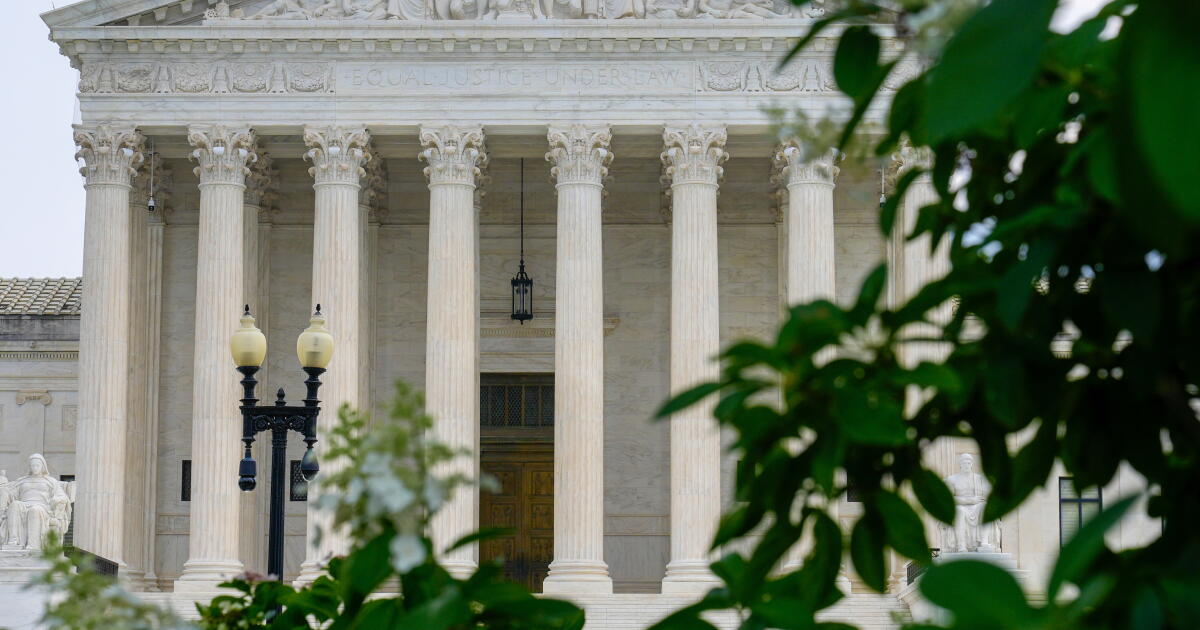
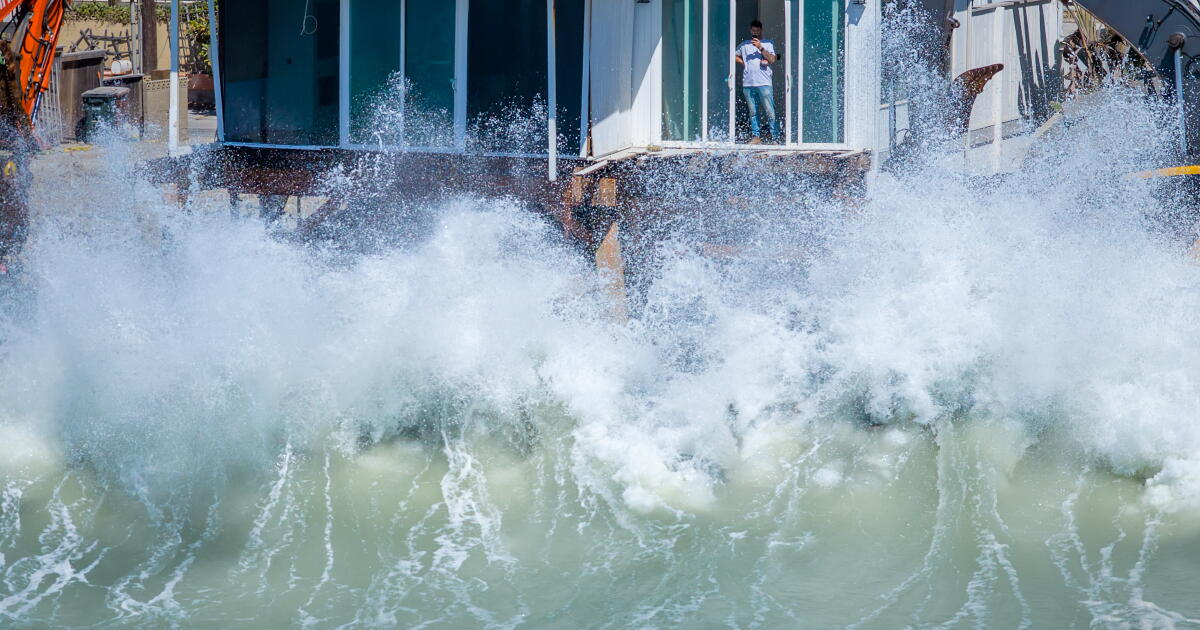
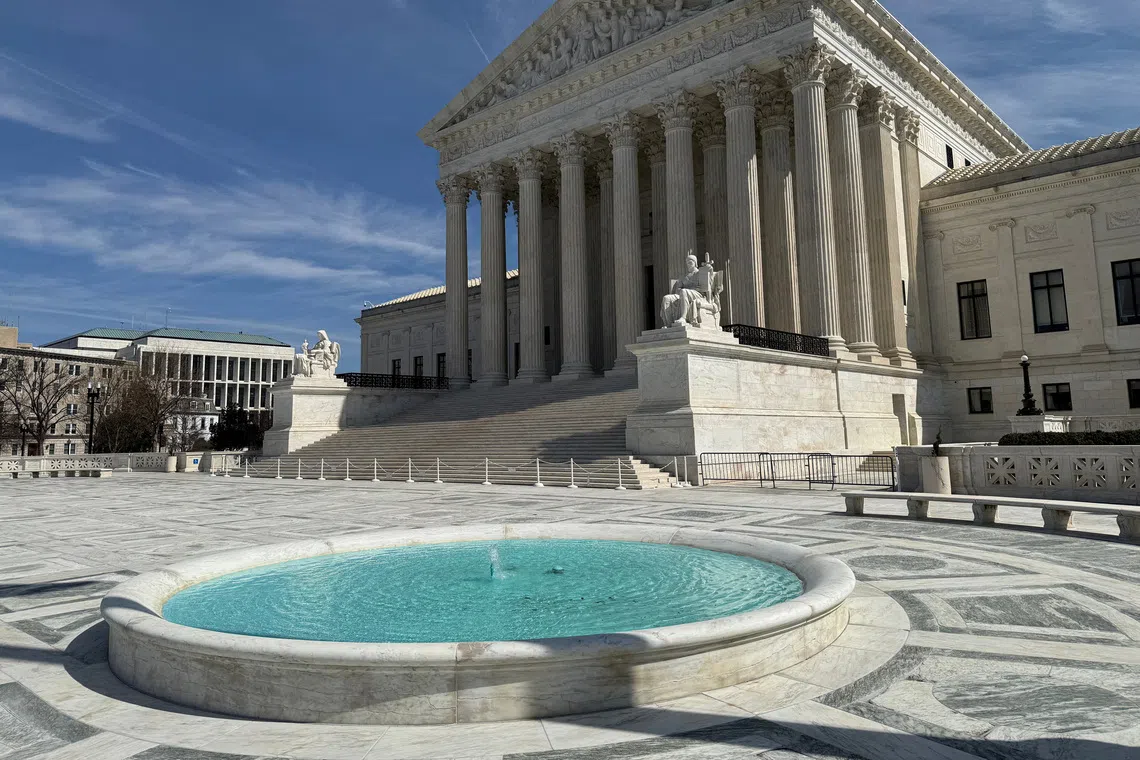
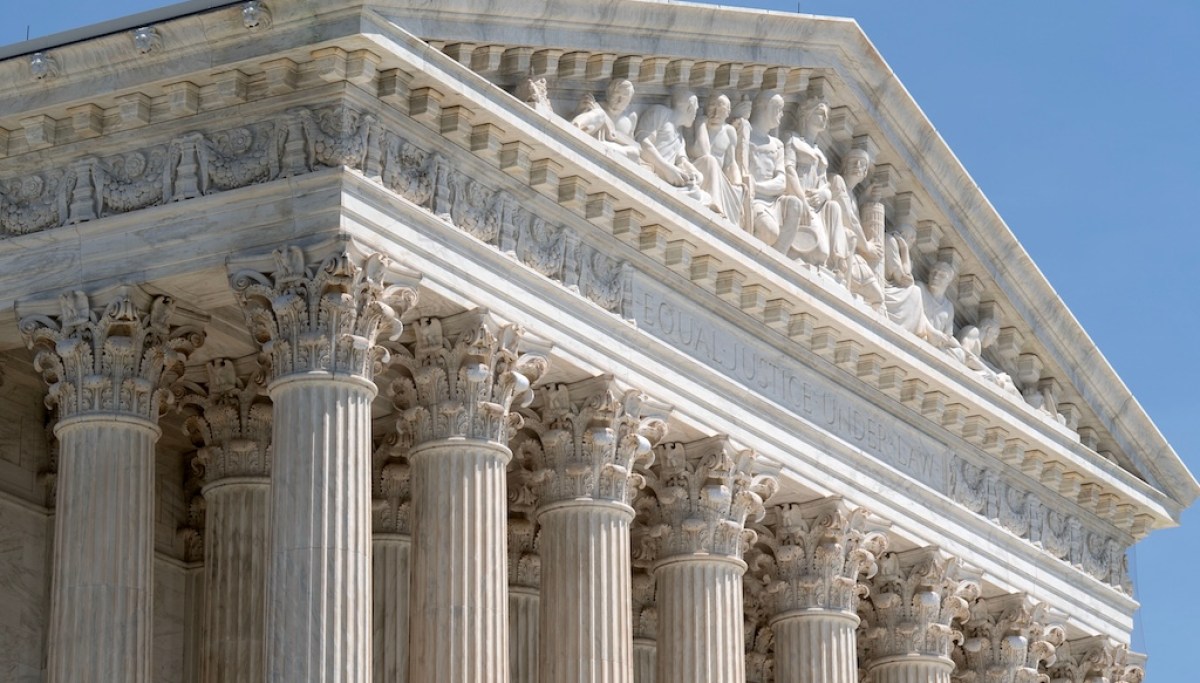
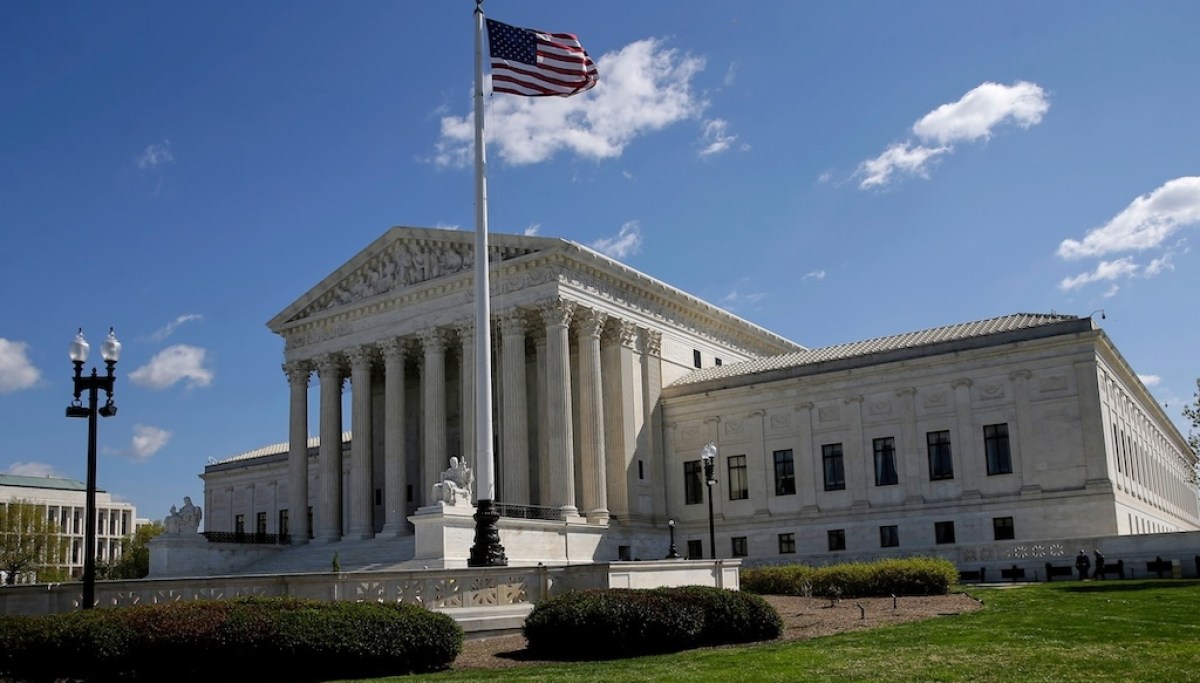
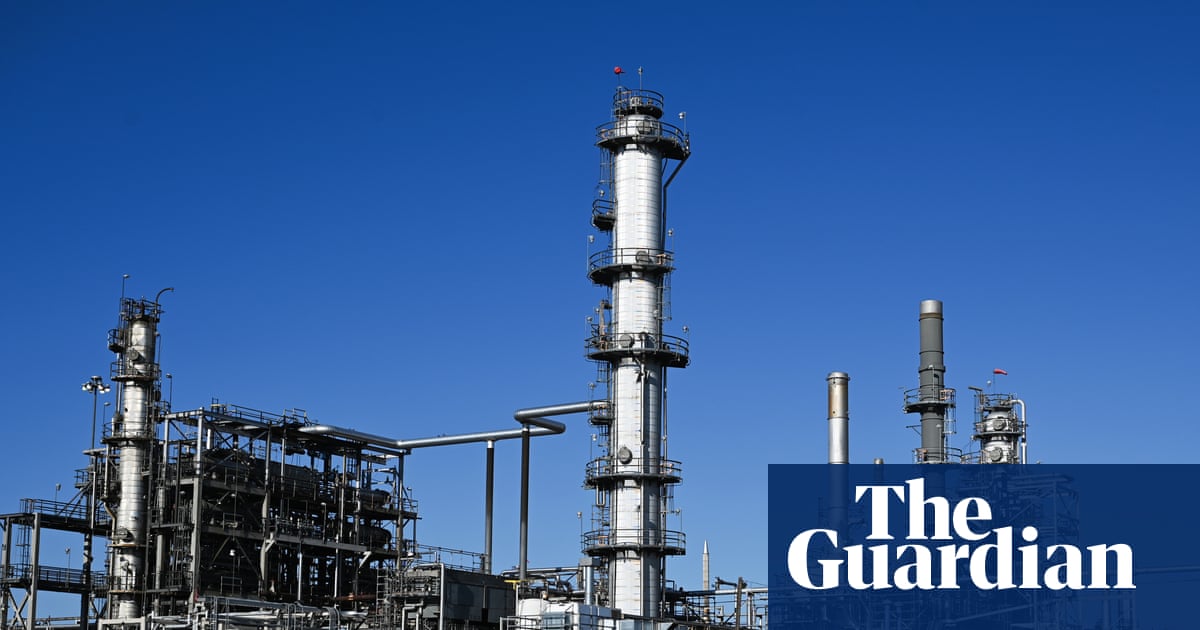
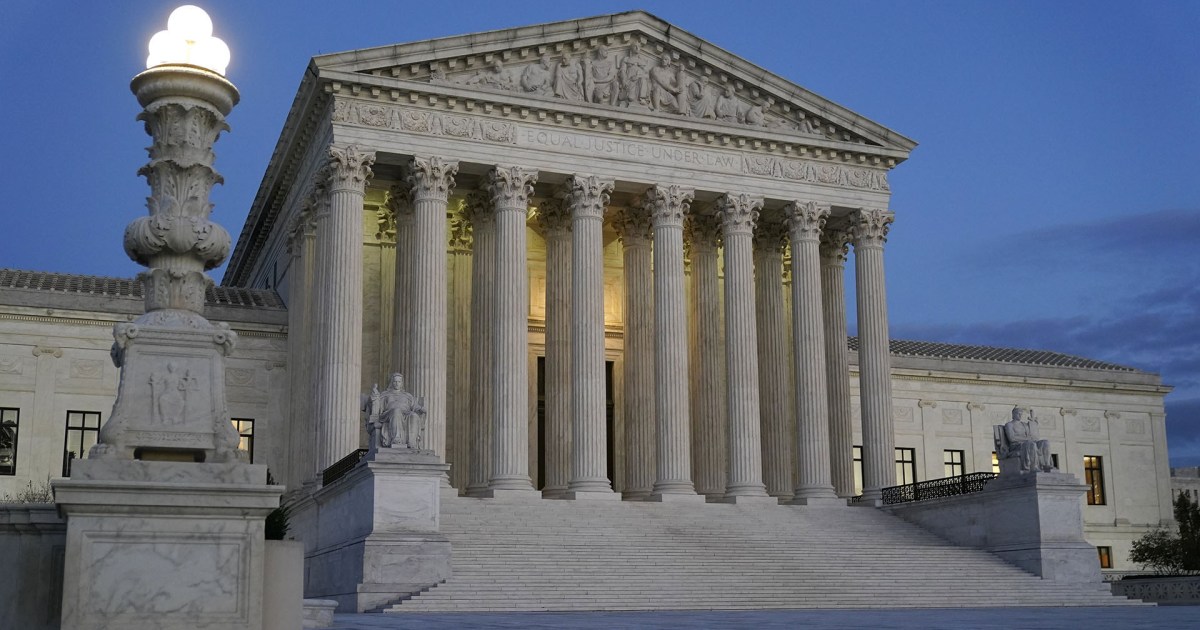
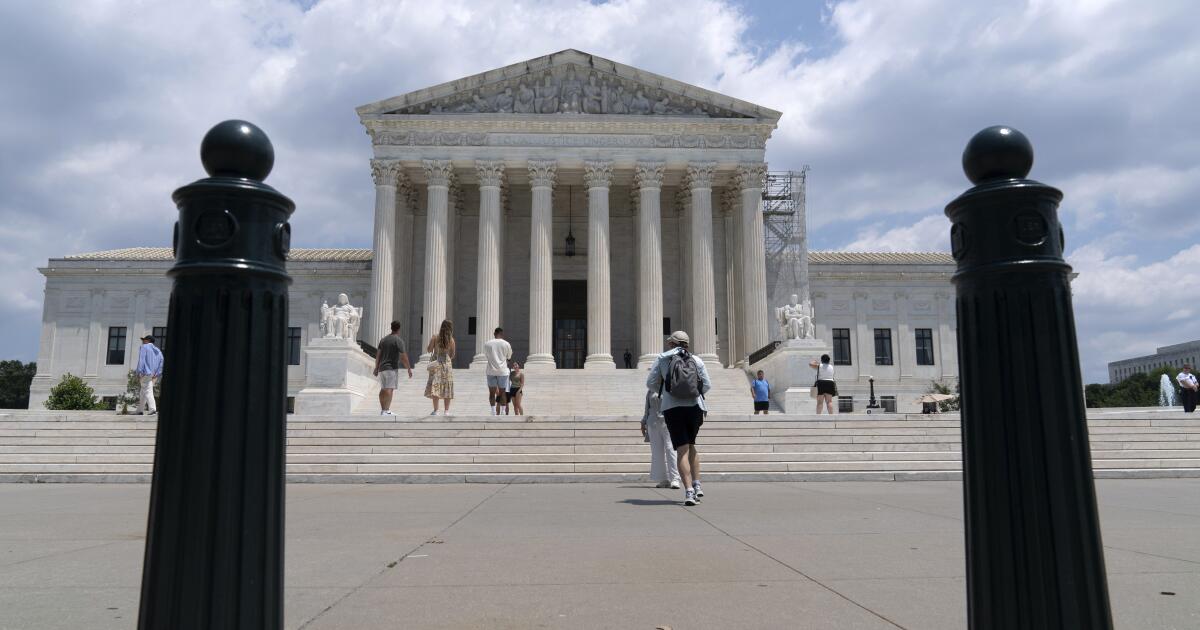
The Supreme Court justices sounded wary Monday of state-by-state lawsuits that could impose huge damage verdicts on energy producers for the impact of global climate change.
uncertain
that → sound → change
Instead, several of them suggested these local and state claims may be blocked by the federal Clean Air Act.
uncertain
claims → suggest → Act
“Interstate air and water pollution are matters for federal law,” said Justice Brett M. Kavanaugh.
asserted
Kavanaugh → say → law
“We don’t have to reinvent the wheel.
asserted
We → have → wheel
This kind of pollution is a federal matter unless Congress says otherwise.”
asserted
Congress → say → pollution
Justice Elena Kagan appeared to agree.
asserted
Kagan → appear → ?
State-by-state lawsuits “get in way of how Congress decided to regulate greenhouse gases,” she said.
asserted
she → get → gases
At issue before the court was the question of whether cities and states may sue oil and gas producers for the damages inflicted by climate change.
California and nearly three dozen states and municipalities have filed such claims, but none have gone to trial.
uncertain
none → sue → trial
The outcome of the Colorado case could affect California’s 2023 lawsuit against the five largest oil companies and other similar litigation.
uncertain
outcome → affect → companies
Last year, the Colorado Supreme Court ruled that Boulder County may sue for damages in a local court.
uncertain
County → rule → court
The Supreme Court agreed to hear an appeal from the oil industry backed by the Trump administration.
asserted
Court → agree → administration
Its lawyers argued that the Constitution and federal law do not allow for such claims to be resolved in local courts.
uncertain
claims → argue → courts
Chief Justice John G. Roberts sounded skeptical of opening the door to a wave of climate change lawsuits.
asserted
Roberts → sound → lawsuits
How would that work out?” he asked a lawyer representing Boulder.
asserted
he → work → Boulder
For much of the two-hour argument, the justices struggled over whether federal law imposes a limit on such lawsuits, or instead whether states and their judges are free to seek damages for the harm they have suffered.
asserted
they → struggle → harm
They did not signal a clear outcome but most of them sounded as though they leaned toward saying that federal law governs such far-reaching damage claims.
uncertain
law → signal → claims
The energy producers turned to the Supreme Court after losing in state court.
asserted
producers → turn → court
They hope the high court will shut down more than three dozen lawsuits seeking damages for the impact of climate change.
asserted
court → hope → change
So far, judges across the nation have been divided.
asserted
judges → divide → nation
Some have ruled that federal law preempts or blocks states and counties from suing under state law.
asserted
law → rule → law
But others, including the Colorado Supreme Court, ruled the lawsuits may proceed under state law.
uncertain
lawsuits → include → law
Justice Samuel A. Alito, a staunch conservative, said he is sitting out the case, presumably because he owns stock in oil companies that would be affected by a ruling.
asserted
that → say → ruling
If the court splits 4-4 and cannot rule, it would be major disappointment for the oil industry because it would allow all the climate-change suits to proceed, at least for now.
asserted
suits → split → industry
 The Aporia