Story summary
When the Supreme Court begins its new term on Monday, it will consider Suncor Energy v. Boulder County, a case with significant implications for climate change litigation. The lawsuit, filed by Boulder County, Colorado in 2018, targets oil companies like Suncor and Exxon Mobil over their alleged contributions to climate change-related damages. The county claims the energy firms' production, promotion, and sale of fossil fuels have caused local harm and seeks compensation under state tort laws.
Manufacturers and conservative legal experts argue that allowing such lawsuits could lead to a patchwork of inconsistent rulings across states, hindering national policy-making on complex issues like climate change. Conversely, environmental advocates see this case as an opportunity for localities to hold major polluters accountable through the courts if federal action fails.
The outcome could affect not just energy companies but also other industries potentially sued by municipalities or states in future climate-related cases. The decision is expected early next year and will likely shape how U.S. courts handle similar environmental disputes moving forward.
Written for “Supreme Court Climate Case” on 2026-10-05,
grounded in this article and the 20 other(s) covering the same event.
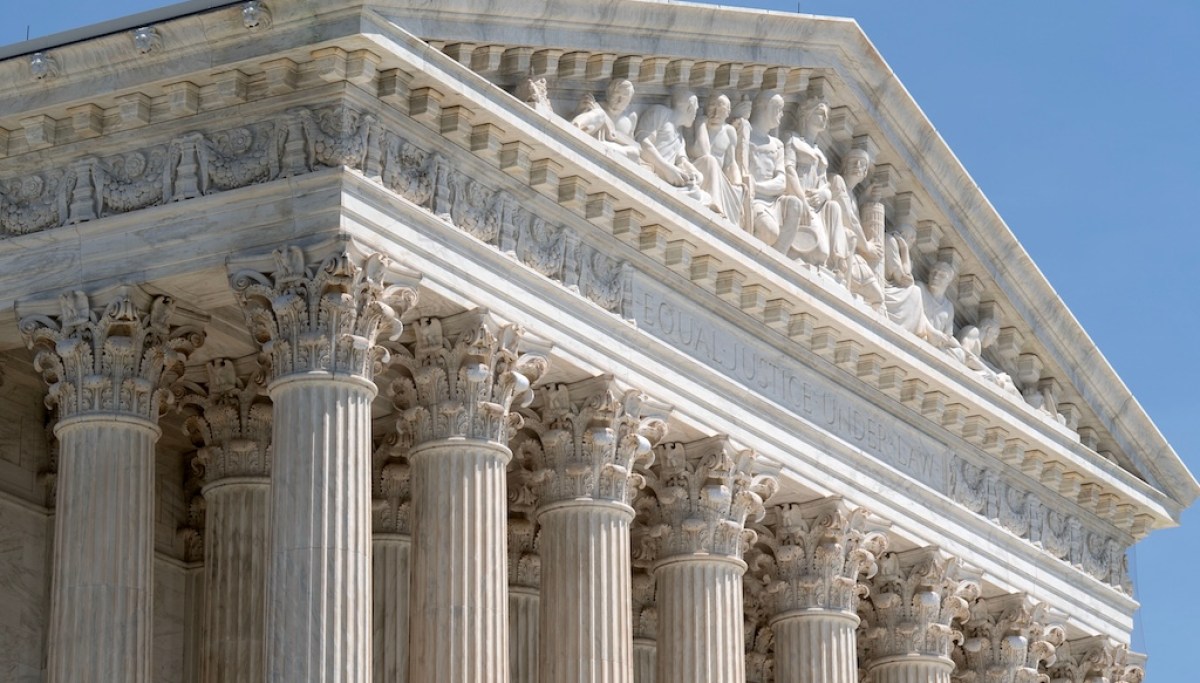
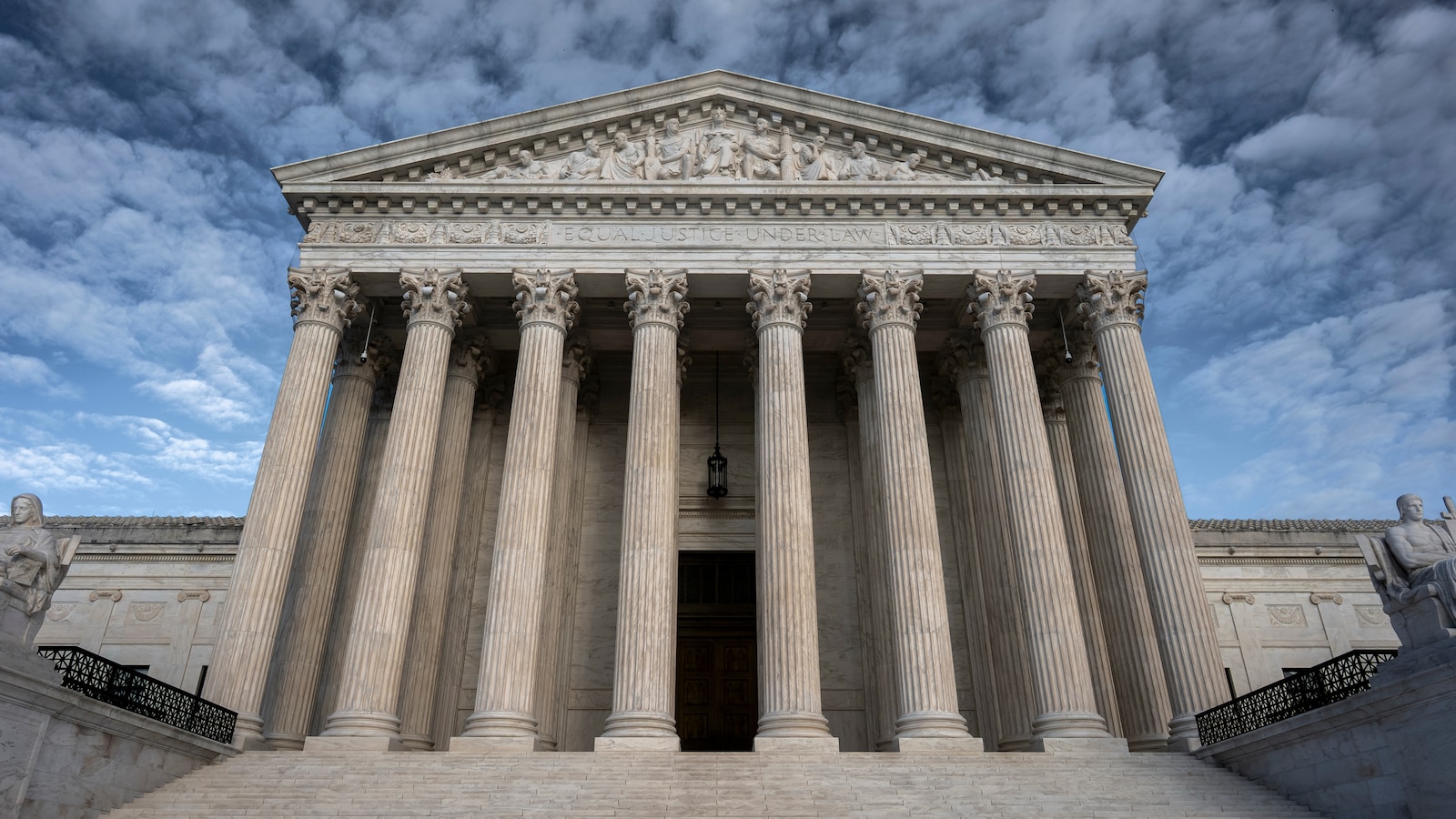
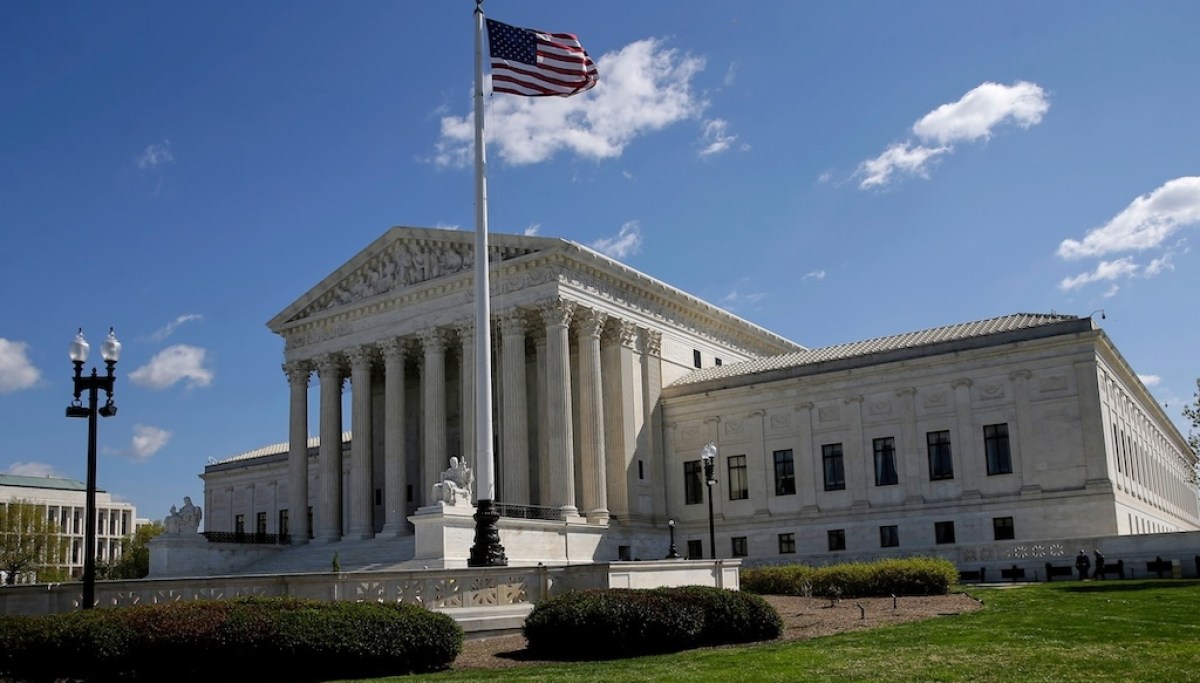
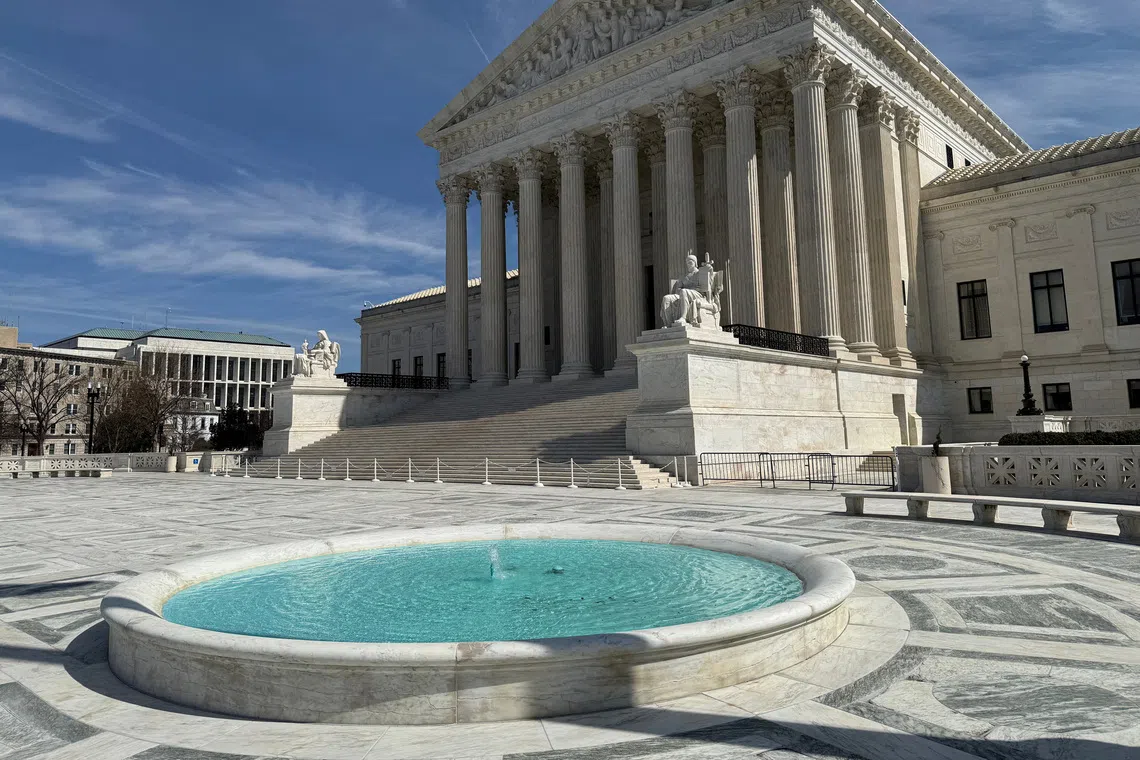
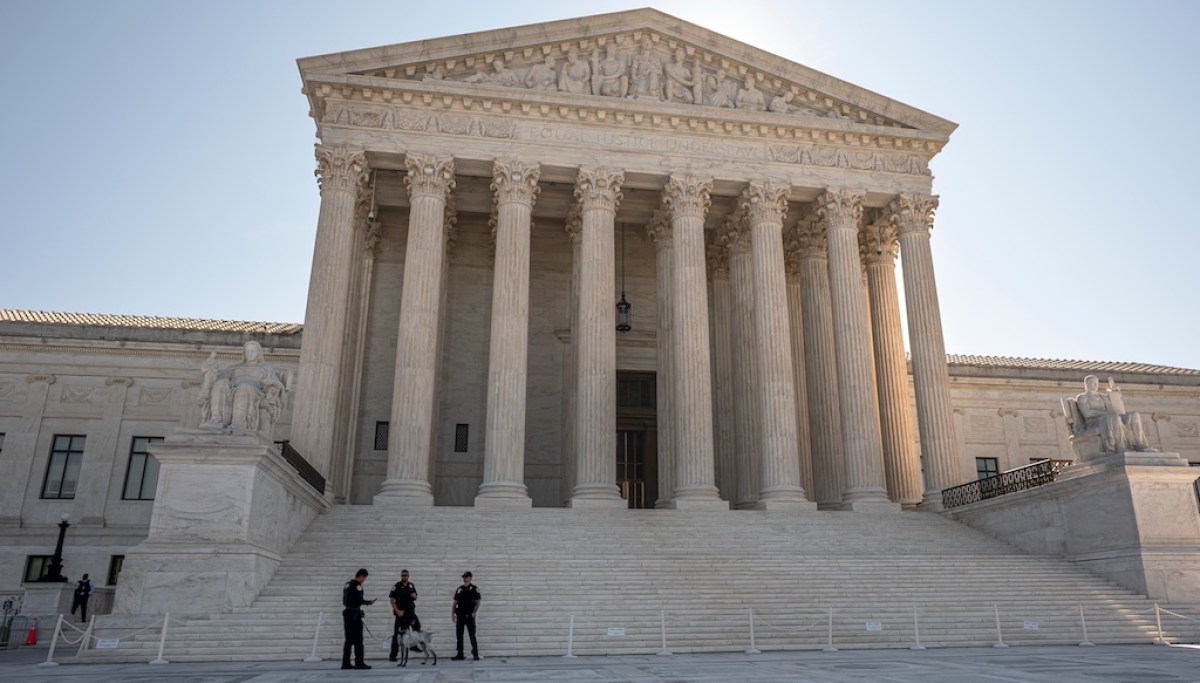
The US supreme court begins its new nine-month term hearing arguments Monday in a high-stakes case in whichbig oil companies are attempting to strike a fatal blow against lawsuits that seek to hold them accountable for the climate crisis.
asserted
them → begin → crisis
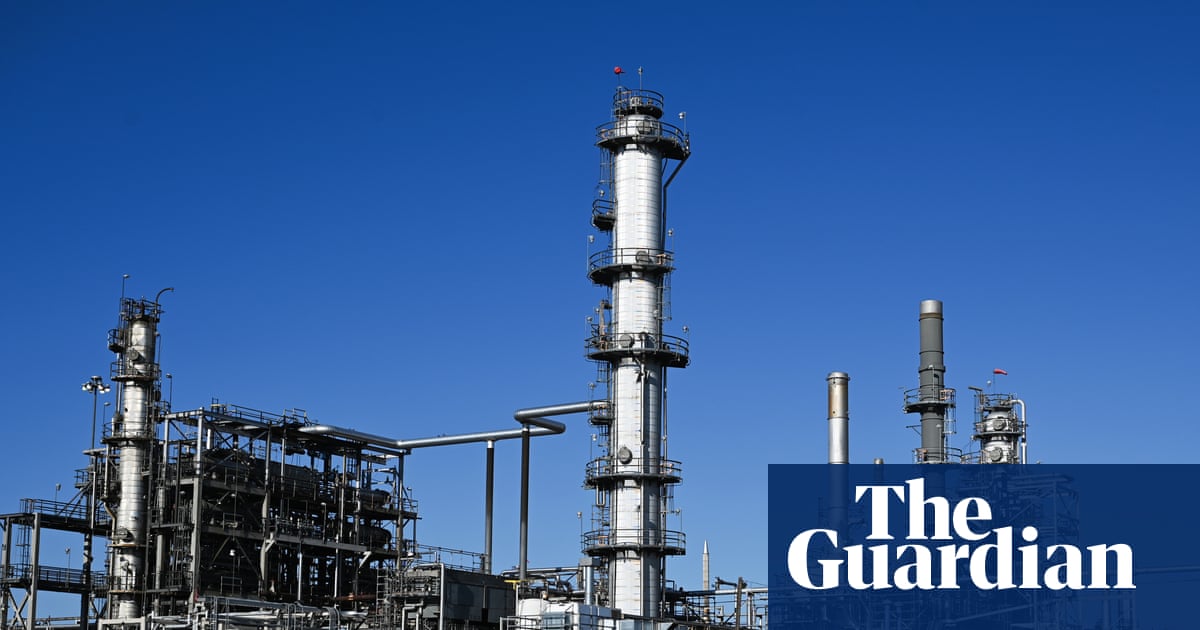
In Suncor Energy versus the County Commissioners of Boulder County, local officials in Boulder are suing Suncor Energy and ExxonMobil in state court to force the companies to share a portion of the costs that climate change has imposed on local taxpayers.
asserted
change → sue → taxpayers
However, Exxon and Canada-based Suncor are arguing that federal law prevents state courts from hearing Boulder’s climate change lawsuit.
asserted
law → base → lawsuit
If the supreme court justices side with Boulder or decide that the case is not in their jurisdiction, then it would continue in state court.
asserted
it → side → court
But if the fossil fuel industry convinces the justices, the decision could apply not only to the Boulder case, but also to dozens of other climate cases brought by state and local governments around the US.
uncertain
decision → convince → US
“The hope of the industry side is that this is going to be the death blow,” said Dennis Fan, the founder and director of the Appellate Litigation Clinic at Columbia Law School who wrote an amicus brief in the case.
asserted
who → go → case
“The industry is going for the home run, they’re going for the grand slam.
asserted
they → go → slam
They’re thinking, ‘if we win this argument, there will never, ever be climate change litigation again.’”
asserted
we → think → argument
Boulder officials filed a lawsuit in Colorado court in 2018 arguing that Exxon and Suncor concealed and misrepresented to the public what they knew about the damage that burning fossil fuels would do to the climate, and that they should pay for the resulting costs of disasters.
asserted
they → file → disasters
Initially, the firms sought to have the case moved to federal court.
asserted
case → seek → court
Then when the Colorado supreme court allowed Boulder’s case to make its way toward trial in state court, Exxon and Suncor appealed that ruling up to the supreme court arguing it should be dismissed on grounds of federal preemption..
asserted
it → allow → preemption
Typically, cases must be decided by lower courts before reaching the supreme court, but the justices agreed to hear this case while the state case is ongoing.
asserted
case → decide → case
“That’s an incredibly weird thing to have happen,” Fan said.
asserted
Fan → ’ → ?
The supreme court will consider whether it has proper jurisdiction to hear Boulder’s case right now, and whether federal law preempts Boulder’s case from being heard in state court.
asserted
law → consider → court
Congress has the power to pass federal laws that invalidate state laws, but the question is whether there are any federal laws that invalidate state climate cases.
asserted
that → have → cases
“They’ve had a little bit of difficulty identifying exactly what that source of federal law is,” Fan said.
asserted
Fan → have → law
For instance, the fossil fuel companies claim that the federal Clean Air Act pre-empts Boulder’s case from state court, even though the law specifies that “air pollution control at its source is the primary responsibility of states and local governments”.
uncertain
control → claim → states
So the fossil fuel companies in their brief claimed that supreme court decisions from a century ago suggested that federal courts have power to hear environmental cases, even without federal laws on the books, and that these decisions created a “federal common law” governing environmental lawsuits across state lines.
uncertain
decisions → claim → lines
They asserted that this federal common law is still in effect and exists in the “structure of the Constitution” even though the federal Clean Air Act has since declared states have primary jurisdiction over local air pollution.
asserted
states → assert → pollution
The supreme court has not historically agreed with the argument the oil companies are making, Fan said.
asserted
Fan → agree → argument
He pointed to the tobacco and opioid companies that previously faced state public nuisance cases.
asserted
that → point → cases
“For decades, the tobacco industry tried to get the supreme court and other courts to stop state court litigation from happening against the tobacco industry, and they failed every single time,” he said.
asserted
he → try → industry
As recently as April, the supreme court decided in Hencely v Fluor Corp that “there is no federal pre-emption [in isolation] without a constitutional text or a federal statute to assert it”.
asserted
court → decide → it
Climate advocates and wildfire survivors were planning a rally Monday morning outside the supreme court in Washington DC.
asserted
advocates → plan → DC
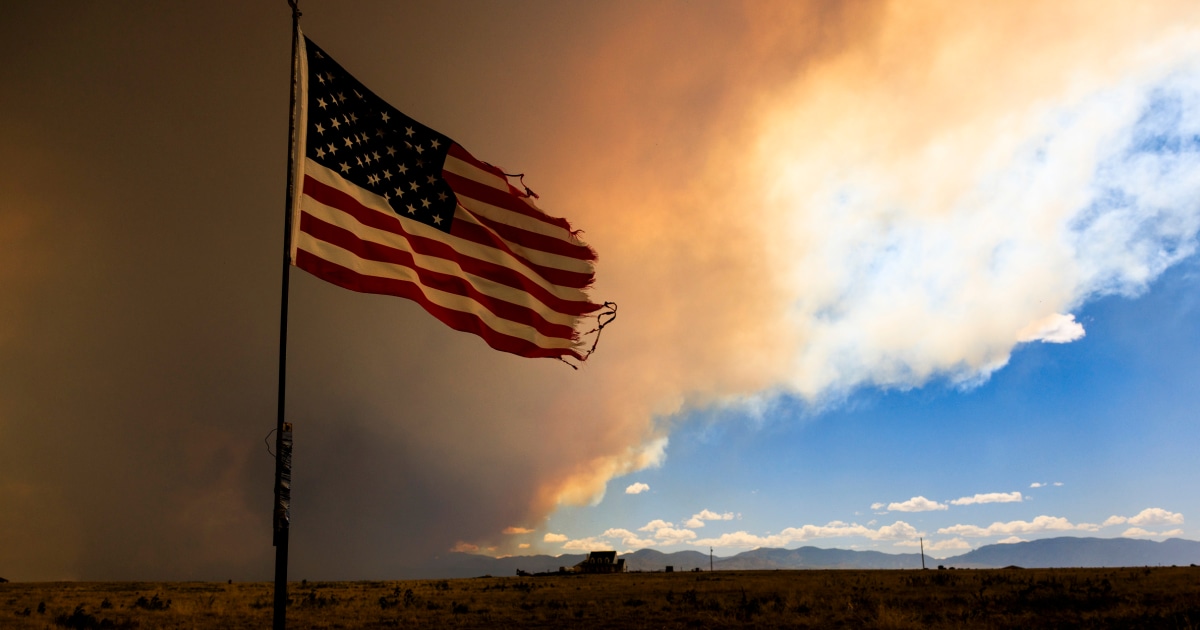
Daryl McCool, an artist who lost her home when the 2021 Marshall fire destroyed her neighborhood in Boulder county, Colorado, is not involved in the case but planned to attend the rally.
asserted
fire → lose → rally
The fire was fueled by record warmth and extreme drought that scientists found were intensified by climate change.
asserted
scientists → fuel → change
The fire caused damage estimated at more than $2bn, and a recent report estimated that climate change could cost Colorado up to $37bn by 2050.
uncertain
change → cause → 2050
“The case itself is meaningful because it affects every single human, every single creature, it affects everyone that is on this earth,” McCool said.
asserted
McCool → affect → earth
“At this point in time, we’re seeing [these companies] … they’re not willing to change, and so they need to be held accountable.”
asserted
they → see → companies
She hopes Boulder has its day in court so a wider audience can learn how the fossil fuel industry deceived the public.
asserted
industry → hop → public
“We’re not going to hear [a decision] for a while, but I do hope that the supreme court says that this case can move forward on the state level,” she said.
asserted
she → go → level
The supreme court has six conservative justices and three liberal justices, however one conservative justice, Samuel Alito, has recused himself from the case.
asserted
justice → have → case
Alito did not give a reason, but his decision came after calls for him to step aside due to stock holdings in fossil fuel companies.
asserted
him → give → companies
He doesn’t own stock in Suncor Energy or ExxonMobil, but does hold stock in ConocoPhillips and Phillips 66, which critics say could indirectly benefit if the court rules in favor of the fossil fuel industry.
uncertain
court → own → industry
The Trump administration has sided with the oil companies and asked for 10 minutes of argument time, which Fan said is typical for supreme court cases that involve federal amicus briefs.
asserted
that → side → briefs
A ruling is expected next summer.
asserted
ruling → expect → ?
 The Aporia