ABC News (US)
· collected 2026-10-05 · by LINDSAY WHITEHURST Associated Press
The Supreme Court's new term starts with significant cases involving climate change, gun rights, and immigration policies. In the climate change case, energy companies Suncor and ExxonMobil seek to block lawsuits in Boulder, Colorado, where local officials claim these companies should contribute financially to damages caused by climate change. The court will also examine challenges to state laws banning certain types of semiautomatic rifles, arguing they violate the Second Amendment. Additionally, it will consider cases related to President Trump’s immigration policies, including deportation practices and mandatory detention rules for immigrants living in the U.S. illegally.
Written locally by qwen2.5:14b on 2026-10-05,
using this article's own text rather than the other coverage of the
same event (that is the story summary below).
Story summary
When the U.S. Supreme Court opens its new term on October 5, it will consider Suncor Energy v. Boulder County, a case that could have significant implications for state and local governments' ability to sue oil companies over climate change-related damages. In this lawsuit, Boulder County and the City of Boulder accuse Exxon Mobil and Suncor Energy of contributing to climate change through their fossil fuel production, promotion, and sale, seeking compensation for related harms.
The case has drawn attention from across the country because if local governments can sue companies over broad national issues like climate change in state courts, it could lead to a patchwork of inconsistent regulations that might negatively impact businesses operating nationwide. Manufacturers and other industries fear this could open them up to a barrage of costly lawsuits whenever policymakers struggle with difficult policy challenges.
The court's decision on whether federal law precludes such lawsuits by states and localities will be closely watched by both environmental activists and industry groups, as it may influence how future disputes over climate change are handled in the judicial system.
Written for “Supreme Court Climate Change Cases” on 2026-10-05,
grounded in this article and the 10 other(s) covering the same event.
Supreme Court term begins with cases on climate change, immigration and gun rights
The Supreme Court begins a new term Monday with significant cases on climate change, religious rights, and immigration
WASHINGTON --
asserted
Court → begin → change
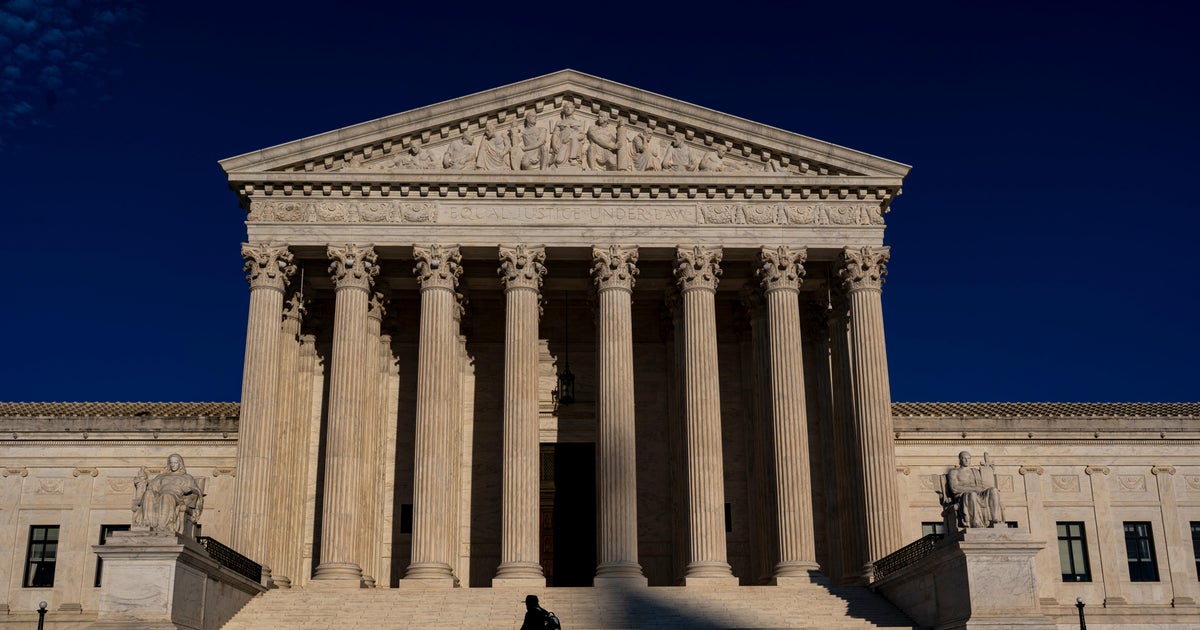
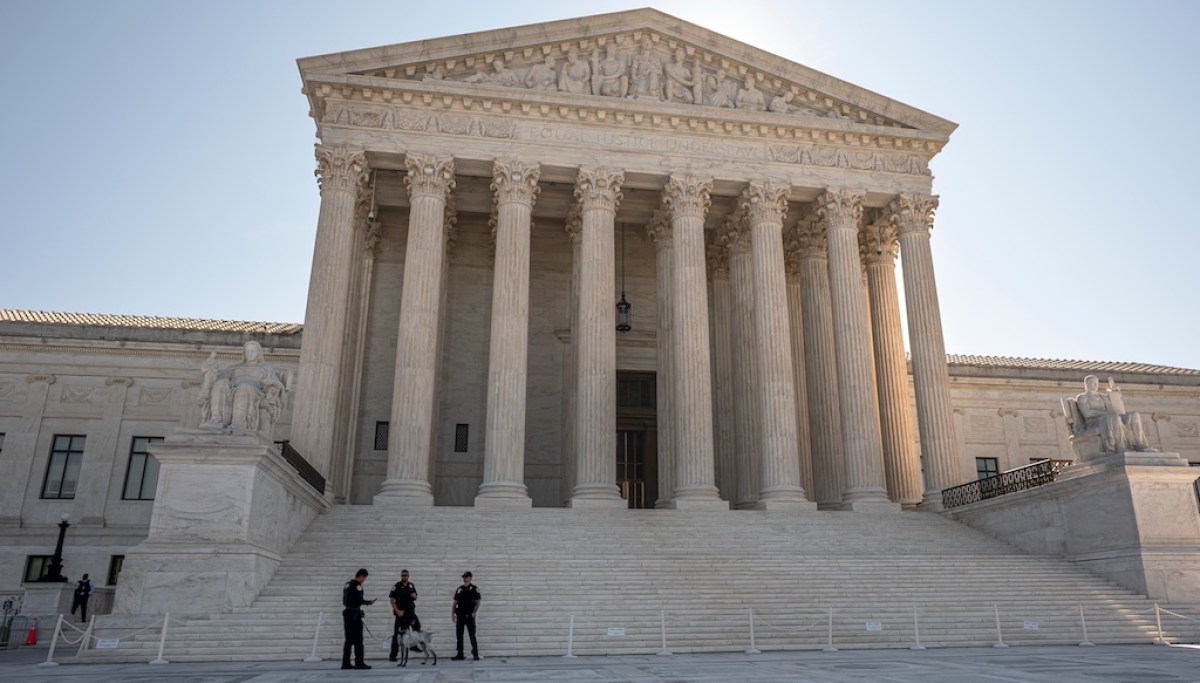
The Supreme Court's new term begins Monday with cases on climate change, religious rights and President Donald Trump’s crackdown on immigration high on the agenda.
asserted
term → begin → agenda
Here’s a look at what's in store:
asserted
what → ’ → store
The high court is starting its term with a major climate change case.
asserted
court → start → case
The justices will hear an appeal from energy companies trying to block dozens of lawsuits seeking to hold them liable in court for damage related to climate change.
asserted
them → hear → change
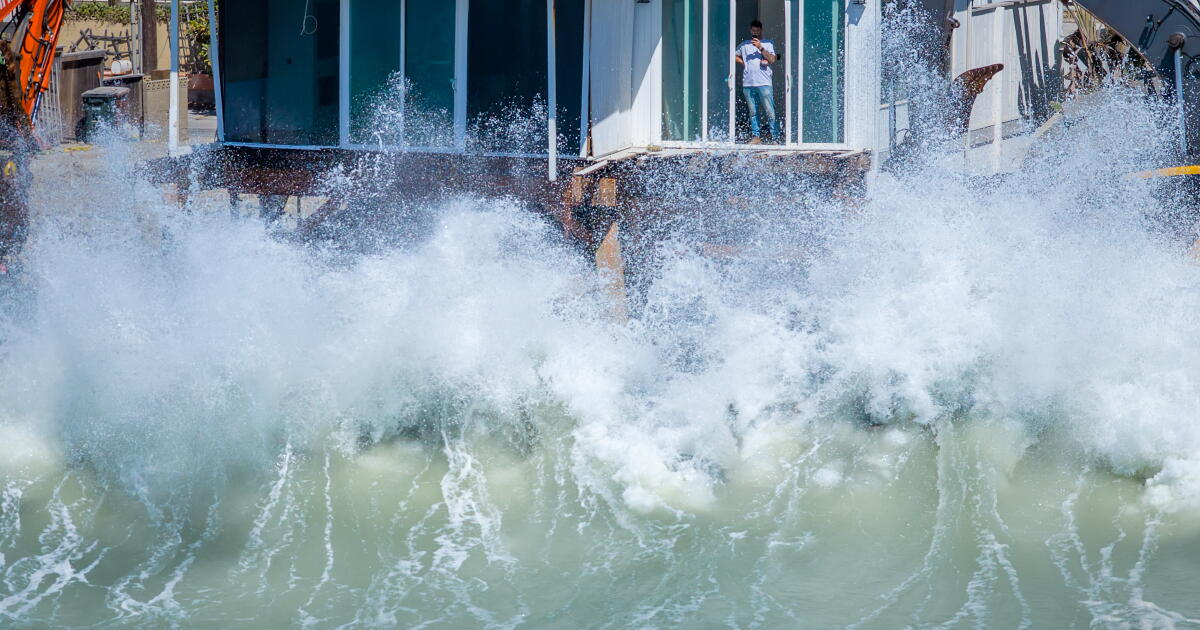
Billions of dollars are potentially at stake in a case out of Boulder, Colorado, where local officials say the industry should help shoulder the escalating costs of disasters linked to climate change.
asserted
industry → say → change
The companies, Suncor and ExxonMobil, say lawsuits aren't the way to deal with the global issue.
asserted
lawsuits → say → issue
They have the backing of the Trump administration, which argues the litigation is a power grab intended to impose regulations on emissions.
asserted
litigation → have → emissions
About a dozen states have banned semiautomatic rifles like AR-15s, which are often called assault weapons.
asserted
which → ban → AR-15s
They say the guns are disproportionately used in mass shootings, and banning them helps reduce gun violence.
asserted
banning → say → violence
Challengers say those laws violate the Second Amendment.
asserted
laws → say → Amendment
They argue that AR-15s and other similar weapons are among the most popular and commonly owned guns in the country.
asserted
AR-15s → argue → country
The conservative-majority court has expanded gun rights in recent years, and four justices had signaled that it was only a matter of time before the court took up the issue.
asserted
court → expand → issue
The case will be considered in December.
asserted
case → consider → December
The court will hear two significant immigration cases with potentially big implications for Trump's wide-reaching crackdown.
asserted
court → hear → crackdown
One is about deportations of migrants who can't be quickly sent back to their home countries.
asserted
who → send → countries
The Trump administration has been sending thousands to other countries where they have no ties, under a series of often-secret agreements.
asserted
they → send → agreements
The Supreme Court will consider overturning lower court orders allowing them a chance to object.
asserted
Court → consider → chance
The justices have allowed the flights to continue in the meantime.
asserted
flights → allow → meantime
The other case is over the administration's mandatory detention policy for immigrants who have been living in the U.S. illegally, even if they've been in the country for years.
asserted
they → live → years
The administration argues it can hold people without a bond hearing, but most appeals courts that have considered the issue disagree.
asserted
that → argue → issue
A Republican push to enforce strict Arizona voting laws will also come before the justices this term.
asserted
push → enforce → justices
One measure requires people to show proof of citizenship when registering to vote using a state form, and another calls for regular purges of the voter rolls to remove people if their citizenship could not be confirmed.
uncertain
citizenship → require → people
It comes as Trump has failed to get legislation requiring documentary proof of citizenship for registering to vote through Congress.
asserted
Trump → come → Congress
Arguments are set for December.
asserted
Arguments → set → December
Catholic preschools that can't take part in a taxpayer-funded program in Colorado will come before the court in November.
asserted
that → take → November
It's the justices' latest case involving religious rights.
asserted
It → involve → rights
St. Mary Catholic Parish says it's been left out of the state's universal preschool program over its faith-based admissions policies, which exclude kids from LGBTQ+ families.
asserted
which → say → families
Colorado says religious schools are welcome to participate but have to follow nondiscrimination laws.
asserted
schools → say → laws
The program was created by a 2020 ballot measure and provides public funding for preschool at schools selected by parents.
asserted
program → create → parents
 The Aporia