New Supreme Court term begins with a climate change case seeking to hold energy companies liable

Read the original at NBC News ↗
NBC News · collected 2026-10-05 · by Lawrence Hurley

Quick Summary

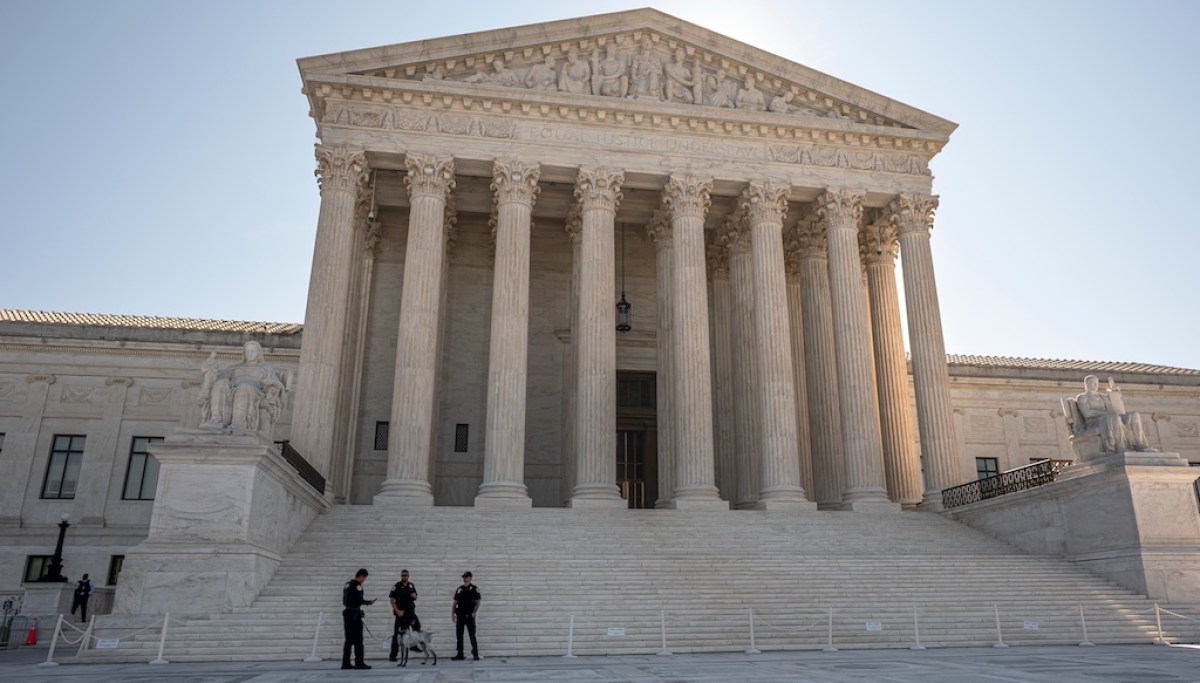
The Supreme Court's new term starts with a case where oil companies seek to dismiss lawsuits filed by cities like Boulder, Colorado, claiming the companies should pay damages for climate change impacts. The lawsuit against Exxon Mobil and Suncor Energy alleges these firms misled consumers about greenhouse gas effects, while the defendants deny wrongdoing and argue that federal jurisdiction, not states, is appropriate for addressing climate change issues. With Justice Alito recused due to potential conflicts of interest, there's uncertainty over how the court will rule, which could affect more than two dozen similar cases nationwide.
Written locally by qwen2.5:14b on 2026-10-05, using this article's own text rather than the other coverage of the same event (that is the story summary below).

AI analysis runs on qwen2.5:14b, locally

Story summary

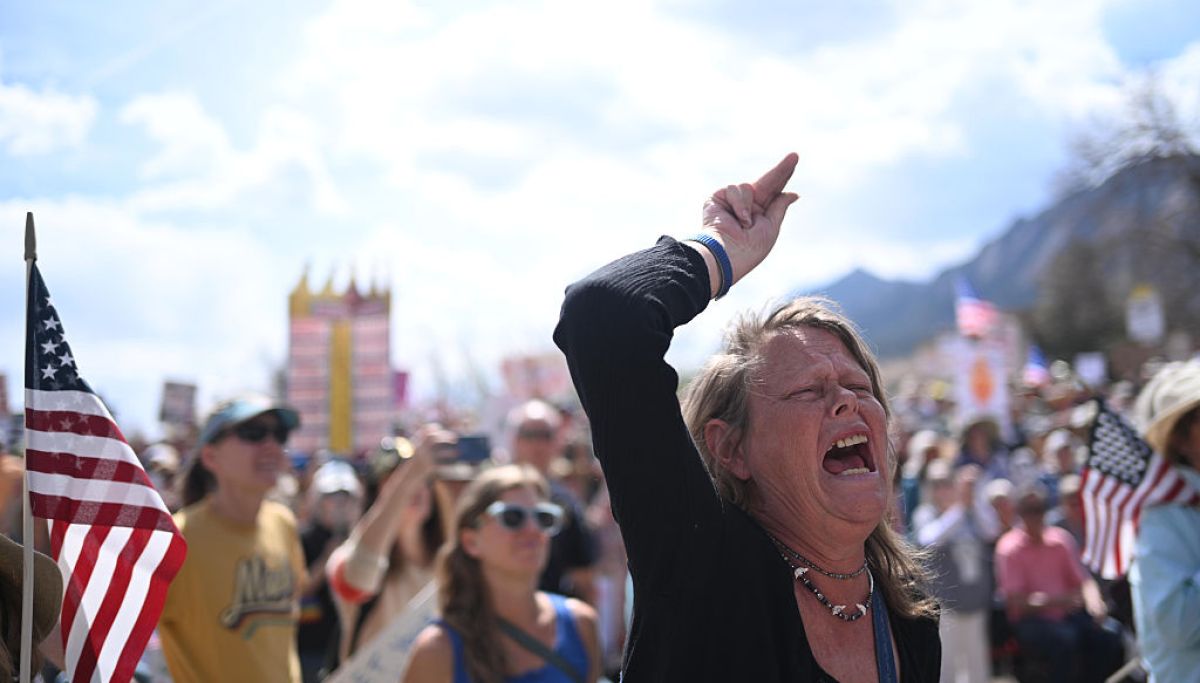
When the U.S. Supreme Court begins its new term on Monday, it will consider Suncor Energy v. Boulder County, which could determine if states can sue oil companies for damages related to climate change. In 2018, Boulder County and City of Boulder sued Exxon Mobil and Suncor Energy, alleging these companies caused local climate-related harms through their fossil fuel production, promotion, and sale. The case has drawn national attention as similar lawsuits could proliferate if the Court allows such claims to proceed in state courts, potentially leading to a patchwork of legal actions against energy firms across the country. Manufacturers are closely watching this case, fearing it might set a precedent for future lawsuits targeting various industries based on broad societal issues.

Written for “Supreme Court Climate Case” on 2026-10-05, grounded in this article and the 13 other(s) covering the same event.
Why this leaning score
The article's own words the score was based on. Each is quoted verbatim and was checked against the article text before being stored, so you can find it in the original.
Reading Leans left (beta estimate) Confidence medium
Leaning: leans left for article 57028 (medium confidence, 1 verified quote) · logged 2026-10-05

Signals How these are calculated →

Claims extracted
33
claim-shaped sentences
Uncertain
21%
7 of 33 hedged
Leaning
Leans left
of the writing, not the subject · beta estimate
Correction & hedging signals
95.1
corrections and hedging in what we collected; not a measure of accuracy
Outlets on this story
14
Environment
Narrative spread
1
articles carrying this framing
Analyzed 2026-10-05 · how these are computed

Story

📰 Supreme Court Climate Case
Environment · 14 article(s) covering the same event. See how they differ ↓

How this is being covered How these are calculated →

Article leaning vs. publisher reliability
Source leaning vs. consistency

Compared with similar articles

This article reads leans left and hedges 21% of its claims. Each row says how that neighbour differs.
NPR · 0.89 cosine similarity
⚖️ leaning not scored 🔴 15% hedged 8 of 52 📰 publisher trust 60
“Both articles describe the opening of the Supreme Court's new term on the same date with a climate change case involving Boulder, Colorado suing energy companies for damages related to fossil fuels.”
The Straits Times
⚖️ Leans left 🔴 32% hedged 6 of 19 📰 publisher trust 59
“Both articles describe the US Supreme Court hearing a case on October 5, 2026, involving Suncor v Boulder, where the city and county of Boulder are suing ExxonMobil and Suncor Energy for their role in climate change.”
ABC News (US)
⚖️ Leans left 🔴 3% hedged 1 of 30 📰 publisher trust 59
“Both articles describe the Supreme Court beginning its new term on the same date and specifically mention a major climate change case involving energy companies being held liable, indicating they are reporting on the same specific event.”
Toronto Star
⚖️ Leans left 🔴 3% hedged 1 of 29 📰 publisher trust 63
“Both articles describe the Supreme Court beginning its new term with a major climate change case involving energy companies and lawsuits from Boulder, Colorado.”
Washington Examiner
⚖️ Leans strongly right further right than this 🔴 6% hedged 2 of 34 📰 publisher trust 72
“Both articles describe the Supreme Court hearing oral arguments in Suncor Energy v. Boulder County on a specific date, involving the same parties and issues.”
CBS News · 0.87 cosine similarity
⚖️ Leans left 🔴 23% hedged 13 of 57 📰 publisher trust 66
“Both articles describe the Supreme Court starting its new term with a case involving fossil-fuel producers and climate-change lawsuits initiated by Boulder against Exxon Mobil and Suncor Energy.”
Washington Examiner
⚖️ Leans strongly right further right than this 🔴 29% hedged 9 of 31 📰 publisher trust 72
“Both articles discuss the Supreme Court case Suncor Energy (U.S.A.) Inc. v. Board of County Commissioners of Boulder County, which is a specific lawsuit brought by Boulder against energy companies regarding climate change impacts.”
Washington Examiner
⚖️ Leans left 🔴 21% hedged 12 of 56 📰 publisher trust 72
“Both articles refer to the Supreme Court hearing arguments on October 5th in Suncor Energy v. County Commissioners of Boulder County, which is a landmark case determining whether states can sue oil and gas companies for climate change damages.”
The Guardian
⚖️ Leans strongly left further left than this 🔴 5% hedged 1 of 21 📰 publisher trust 68
“Article A discusses a lawsuit filed by states and cities against the EPA for repealing emissions rules, while Article B covers a case before the Supreme Court involving energy companies being sued for climate change impacts. These are different legal actions at distinct stages.”
Los Angeles Times
⚖️ leaning not scored 🔴 33% hedged 19 of 57 📰 publisher trust 95
“Both articles describe the Supreme Court beginning its new term by hearing arguments on whether oil companies can be held liable for damages related to climate change impacts, indicating they are reporting on the same specific event.”

Publisher

NBC News · 966 article(s) · 0 correction(s) detected
No corrections detected for this publisher. That may mean careful reporting, or simply that nothing has been checked.

Who wrote this

Lawrence Hurley
5 article(s) here · 1 carrying a prediction
🔮 Although the case concerns a specific lawsuit the city and county of Boulder, Colorado, brought against Exxon Mobil and Suncor Energy, the ultimate decision could have broad ramifications for more than two dozen similar lawsuits around the country.
🔮 President Donald Trump’s harsh criticisms may still be ringing in the ears of Supreme Court justices when they return to the bench for a new nine-month term next week.
2026-10-02 · assertive framing · Trump clashes ahead as new Supreme Court term begins
🔮 The Supreme Court said Thursday it will consider whether immigrants subject to deportation can be held in detention indefinitely while their cases are adjudicated.
🔮 will vote before this order seeks to take effect.
🔮 “This Administration will continue to lawfully enact the agenda President Trump was elected on — which includes the safety and security of our elections,” White House spokesperson Lauren Bis said in a statement.
Also by Lawrence Hurley
Nothing else under this byline is closely related to this article, so these are simply their most recent.

Topics

Boulder Colorado Exxon Suncor WASHINGTON

Subjects

Boulder GPE · 4× Colorado GPE · 4× Alito PERSON · 2× Exxon ORG · 2× States GPE · 2× Suncor ORG · 2× Exxon Mobil ORG · 1× Suncor Energy ORG · 1× The Supreme Court ORG · 1× WASHINGTON GPE · 1×

Narrative

State courts have become a focus, in part, because of a lack of action at the federal level, with the Trump administration rolling back Obama- and Biden-era policies seeking to reduce carbon emissions and speed up the transition to cleaner energy.
framing: mixed · carried by 1 article(s) · first seen 2026-10-05
🔮 Although the case concerns a specific lawsuit the city and county of Boulder, Colorado, brought against Exxon Mobil and Suncor Energy, the ultimate decision could have broad ramifications for more than two dozen similar lawsuits around the country.

Claims (33 extracted, 7 hedged)

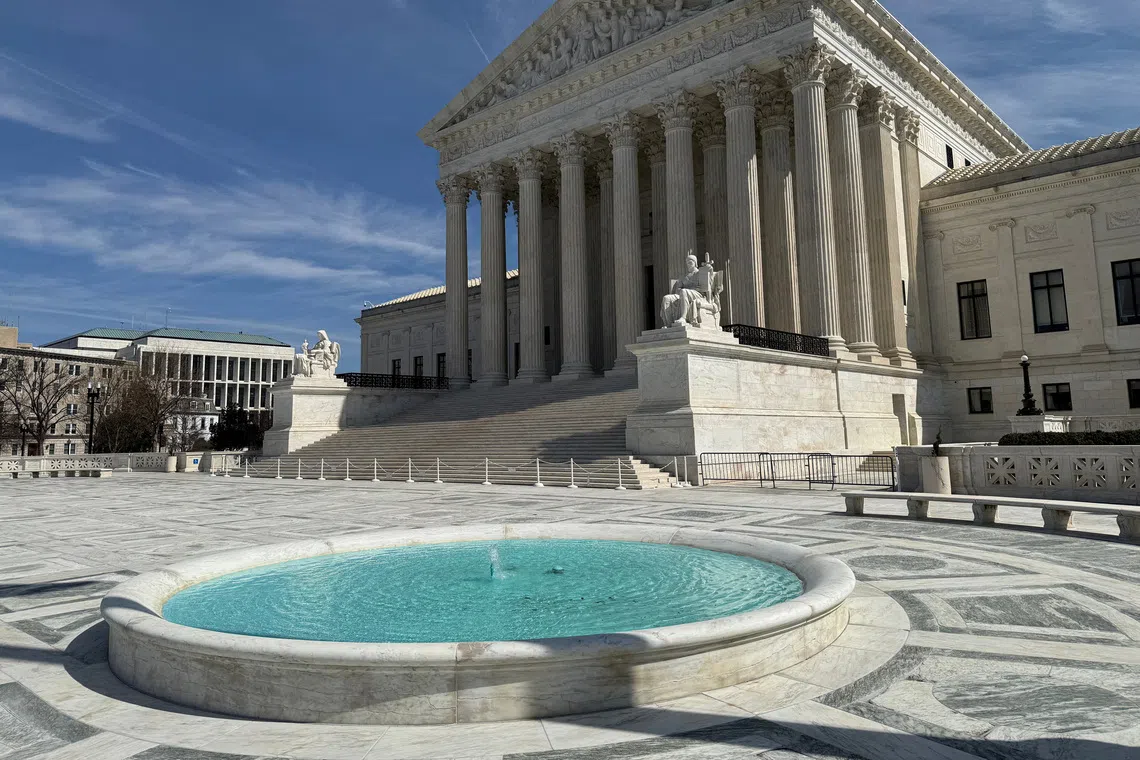
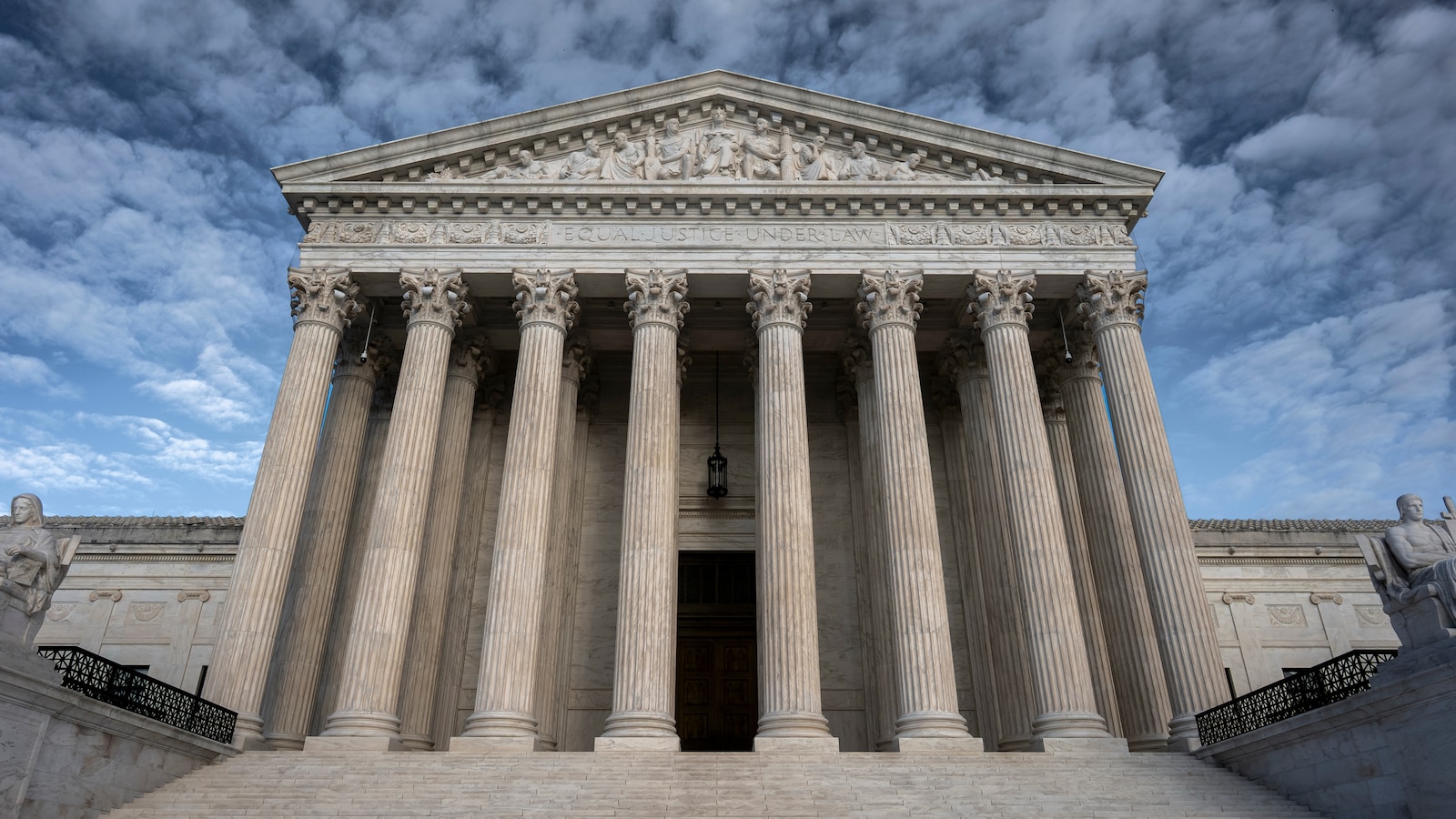
The Supreme Court kicks off a new term Monday, with the justices hearing an attempt by oil companies to throw out lawsuits brought by cities and counties alleging they should pay damages for the impacts of climate change. asserted
they → kick → change
Although the case concerns a specific lawsuit the city and county of Boulder, Colorado, brought against Exxon Mobil and Suncor Energy, the ultimate decision could have broad ramifications for more than two dozen similar lawsuits around the country. uncertain
decision → concern → country
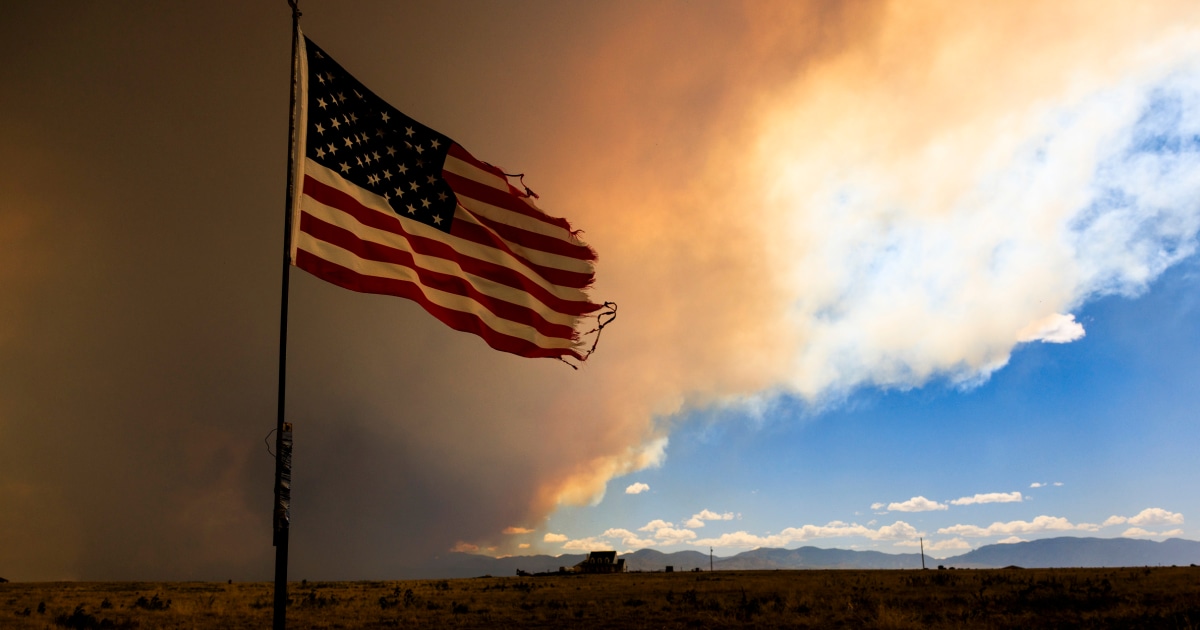
Boulder officials say they face increasing costs because of the impacts of climate change, including efforts to minimize risks from wildfires. asserted
they → say → wildfires
Just this summer, Colorado has experienced extreme heat, drought and multiple fires. asserted
Colorado → experience → heat
The lawsuit, bringing claims under state law, says Exxon and Suncor misled consumers about the impact greenhouse gases that their products produce would have on the climate. uncertain
products → bring → climate
The companies deny the allegations and warn that if the Boulder lawsuit and others like it are able to move forward to trial, they and other energy companies could face crippling damages in the billions of dollars. uncertain
they → deny → dollars
They also argue climate change is such an inherently national and international issue that it cannot be the subject of litigation in state courts. asserted
it → argue → courts
The case is the first to be argued in the courtroom as the new nine-month term begins after a summer break for the justices. asserted
term → argue → justices
Other major cases already on the docket involve a challenge to bans on AR-15 semiautomatic rifles and two about the Trump administration’s hard-line immigration policies. asserted
cases → involve → policies
The oral arguments will take place Monday with just eight justices, as conservative Justice Samuel Alito announced last week that he would step aside. asserted
he → take → justices
He did not say why; liberal groups have said for months that he should recuse himself because he owns stocks in other oil companies that could benefit from a ruling in favor of Exxon and Suncor. uncertain
that → say → Exxon
Alito’s decision was a surprise, as the court had told NBC News in May there was no need for him to step aside. uncertain
him → tell → May
The absence of one member of the court’s conservative majority is viewed as a blow to the oil companies, as his vote might have been crucial. uncertain
vote → view → companies
It also raises the possibility of a 4-4 split that would leave the big legal issues unresolved and allow the Colorado lawsuit to move forward. asserted
lawsuit → raise → issues
“Obviously that wasn’t welcome news from our perspective,” Michael Williams, West Virginia’s solicitor general, said of Alito’s recusal at a briefing last week. asserted
Williams → say → briefing
His state joined a brief backing the oil companies. asserted
state → join → companies
The companies have two main arguments. asserted
companies → have → arguments
The broader argument is that under the Constitution, states simply do not have the authority to do anything related to greenhouse gas emissions because they would effectively be regulating outside their own borders. asserted
they → have → borders
Only the federal government can set policy in inherently nationwide issues that also have foreign policy implications, the lawyers said in court papers. asserted
lawyers → set → papers
“Because air and water are shared natural resources that flow without concern for political borders, the States each have their own potentially conflicting interests. asserted
States → share → interests
By joining the Union, the States surrendered their right to resolve those conflicts by resorting to their own law in lieu of a neutral, uniform federal law,” the lawyers wrote. asserted
lawyers → join → law
Second, the companies say such lawsuits are trumped by the federal Clean Air Act, which regulates air pollution. asserted
which → say → pollution
Boulder’s lawyers countered in court papers that state courts have long handled cases on issues that have nationwide impacts, such as product liability. asserted
that → counter → liability
They also pointed out that the lawsuit does not seek to cap any emissions in Colorado and that it is focused solely on the allegation of consumer deception, the type of issue state courts routinely address. asserted
courts → point → issue
“That exercise of traditional state power has never been thought unconstitutional,” they wrote. asserted
they → think → power
The litigation is playing out amid a broader battle between oil companies and their allies on one side and groups advocating for action on climate change on the other. asserted
litigation → play → other
State courts have become a focus, in part, because of a lack of action at the federal level, with the Trump administration rolling back Obama- and Biden-era policies seeking to reduce carbon emissions and speed up the transition to cleaner energy. asserted
administration → become → energy
The administration, which filed a brief backing Exxon and Suncor, has also sought to block renewable energy projects, with President Donald Trump calling climate change a “hoax.” asserted
Trump → file → change
In a ruling in 2011, the Supreme Court shut the door to making certain claims against energy companies over climate change in federal court, saying they were displaced by the Clean Air Act. uncertain
they → shut → Act
The proxy war over the issue has also focused attention on a chapter about climate science in a reference manual for federal judges. asserted
war → focus → judges
It was abruptly withdrawn this year after conservatives alleged the authors had a conflict of interest. asserted
authors → withdraw → interest
Some also called for liberal Justice Elena Kagan to recuse herself in Monday’s case because she wrote a foreword to the manual. asserted
she → call → manual
She later said she did not even read the climate chapter and gave no indication she would step aside. asserted
she → say → indication

💬Give feedback
🕘History 🎫Support