That is 0 articles you have read today.
The Aporia is free and carries no advertising, so readers are the only
thing paying for it. If you are getting this much out of it, a small
donation is what keeps it independent.
Daily limit reached
You have read 0 articles today.
That is more than the 15 a day The Aporia gives away,
and well past what it can carry on nothing. Your allowance resets at
midnight.
There is no advertising here and nothing about you is sold, so readers
are the only thing paying for it. If the site is worth this much of
your day, it is worth a few dollars.
Everything else stays open: the
maps, the
directory and
search do
not count against this, and neither does re-opening something you have
already read today.
The US Supreme Court is set to hear arguments in Suncor v Boulder on October 5, where plaintiffs from Colorado are suing oil companies for damages related to climate change. The case involves claims that ExxonMobil and Suncor knowingly caused and concealed the dangers of fossil fuels, resulting in significant financial losses due to extreme weather events. At stake is whether federal law pre-empts these state-level lawsuits and if such cases can proceed before a trial has taken place, potentially impacting similar climate litigation across the country.
Written locally by qwen2.5:14b on 2026-10-05,
using this article's own text rather than the other coverage of the
same event (that is the story summary below).
Story summary
When the U.S. Supreme Court begins its new term on Monday, it will consider Suncor Energy v. Boulder County, which could determine if states can sue oil companies for damages related to climate change. In 2018, Boulder County and City of Boulder sued Exxon Mobil and Suncor Energy, alleging these companies caused local climate-related harms through their fossil fuel production, promotion, and sale. The case has drawn national attention as similar lawsuits could proliferate if the Court allows such claims to proceed in state courts, potentially leading to a patchwork of legal actions against energy firms across the country. Manufacturers are closely watching this case, fearing it might set a precedent for future lawsuits targeting various industries based on broad societal issues.
Written for “Supreme Court Climate Case” on 2026-10-05,
grounded in this article and the 13 other(s) covering the same event.
Why this leaning score
The article's own words the score was based on. Each is quoted
verbatim and was checked against the article text before being
stored, so you can find it in the original.
-
Dozens of climate lawsuits could live or die by a US Supreme Court case to be heard on Oct 5 seeking damages from oil companies for their role in global warming and for concealing the dangers of fossil fuels.
left frames the lawsuit as a legitimate attempt to hold companies accountable
-
The plaintiffs say they have suffered hundreds of millions of dollars in losses from wildfires, flooding and other weather extremes stemming from climate change linked to the burning of fossil fuels.
left emphasizes the harm caused by fossil fuel companies
-
The companies contend such suits aim to impose an enormous “carbon tax” that could bankrupt the energy industry – that they are an illegitimate attempt to regulate greenhouse gas emissions, and are essentially asking the court to make them all go away.
right frames the lawsuits as an illegitimate regulatory overreach
Leaning: leans left for article 56755 (medium confidence, 3 verified quotes) · logged 2026-10-05
US Supreme Court hears bid to shut the door on climate suits
AI generated
WASHINGTON -
asserted
Court → hear → suits
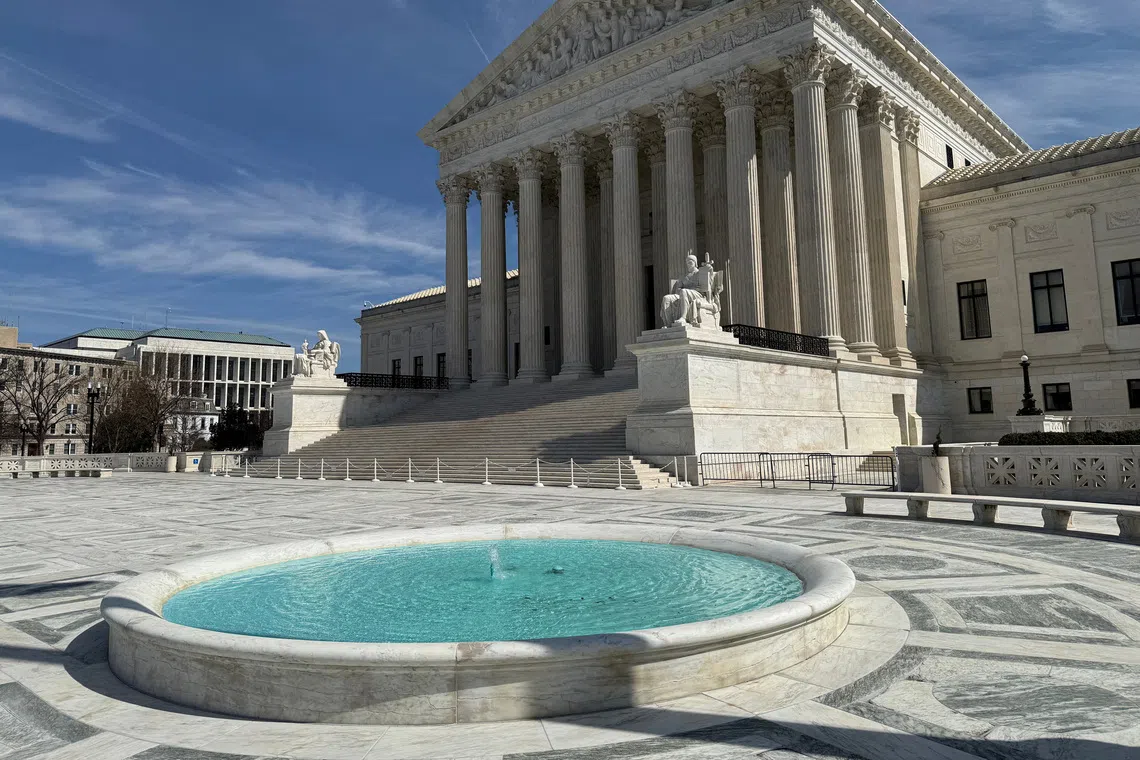
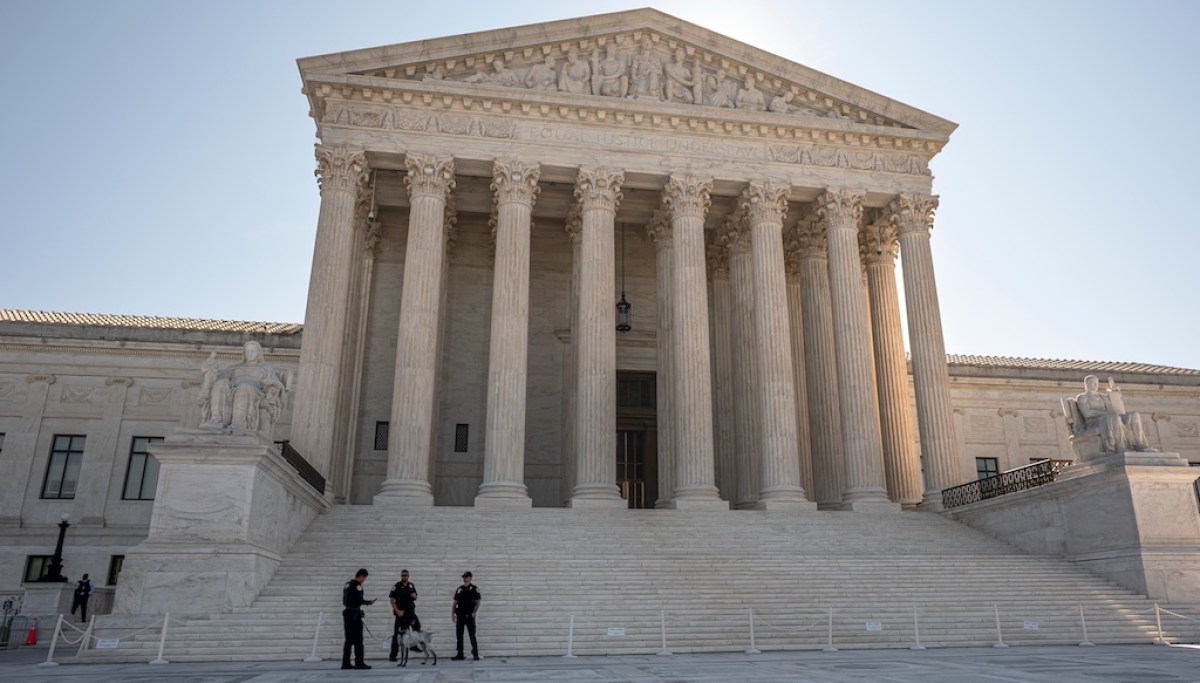
Dozens of climate lawsuits could live or die by a US Supreme Court case to be heard on Oct 5 seeking damages from oil companies for their role in global warming and for concealing the dangers of fossil fuels.
uncertain
Dozens → live → fuels
Known as Suncor v Boulder, the dispute began in 2018 when the city and county of Boulder, Colorado, sued ExxonMobil and Suncor Energy, claiming they “knowingly caused and contributed to the alteration of the climate” while “concealing and/or misrepresenting the dangers” of their products.
asserted
they → know → products
Suncor operates a refinery in Colorado, while ExxonMobil has deep ties to the Rocky Mountain State.
asserted
ExxonMobil → operate → State
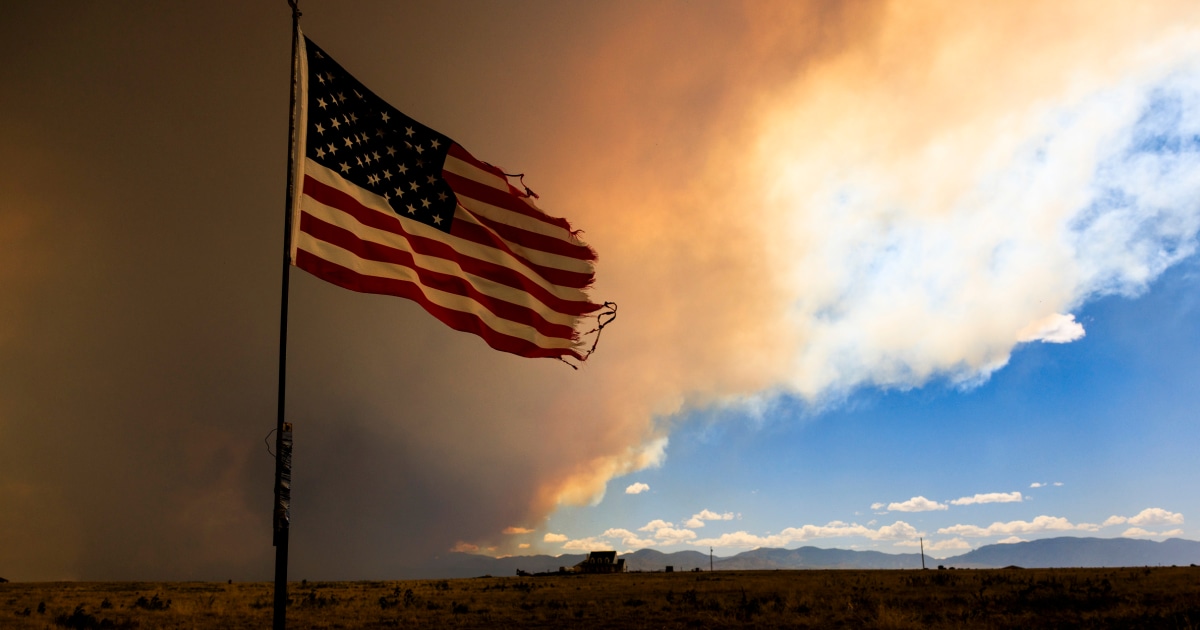
The plaintiffs say they have suffered hundreds of millions of dollars in losses from wildfires, flooding and other weather extremes stemming from climate change linked to the burning of fossil fuels.
asserted
they → say → fuels
It is one of around 40 similar suits brought by cities, states, tribes and other local jurisdictions, modelled on successful litigation against tobacco and opioid producers.
asserted
It → bring → producers
The companies contend such suits aim to impose an enormous “carbon tax” that could bankrupt the energy industry – that they are an illegitimate attempt to regulate greenhouse gas emissions, and are essentially asking the court to make them all go away.
uncertain
them → contend → court
After failing to move the case to federal court, the companies lost bids to have it dismissed in state court and at Colorado’s Supreme Court.
asserted
it → fail → Court
US President Donald Trump’s administration filed a brief urging the US Supreme Court to take up the case, and the justices agreed.
asserted
justices → file → case
The court will consider whether federal law – specifically the Clean Air Act – pre-empts Boulder’s claims, whether the Constitution itself bars such suits, and whether it can review the case before a trial has taken place.
uncertain
trial → consider → place
If the justices focus on the last question, “that essentially just kicks the can down the road” since the wider questions would likely be raised later, Katrina Kuh, a professor of environmental law at Pace University, told AFP.
asserted
Kuh → focus → AFP
A ruling on the federal law questions, however, would matter for many pending suits.
asserted
ruling → pende → suits
“It could extinguish them entirely,” said Kuh.
uncertain
Kuh → extinguish → them
Or the justices could narrow them – allowing Colorado, for example, to apply its state law only to emissions within the state.
uncertain
Colorado → narrow → state
The questions also bear on so-called “climate superfunds” – laws in New York and Vermont that would make polluters pay for climate resilience projects.
asserted
polluters → bear → projects
New York’s was struck down by a federal judge in September, and an adverse Supreme Court ruling could shut the door to it being revived on appeal.
uncertain
it → strike → appeal
Conservative legal scholar Jonathan Adler, a William & Mary law professor who filed a brief supporting Boulder, told AFP he disagreed with the oil companies’ legal theories and believed such cases are “viable” – without offering a view on the underlying merits.
asserted
cases → file → merits
He added that Justices Amy Coney Barrett, Neil Gorsuch and Clarence Thomas bear the most watching because “all three of them have shown some scepticism towards broad preemption arguments”, though he said they are also likely to be sceptical of suits of this nature.
Ahead of the hearing, ultra-conservative Justice Samuel Alito recused himself after critics called on him to step aside over his oil and gas stock holdings.
asserted
critics → add → holdings
Conservatives still hold a 5-3 majority without Alito, but a 4-4 split is now possible – which would leave the Colorado ruling in place and let the case proceed to trial.
asserted
case → hold → trial
 The Aporia