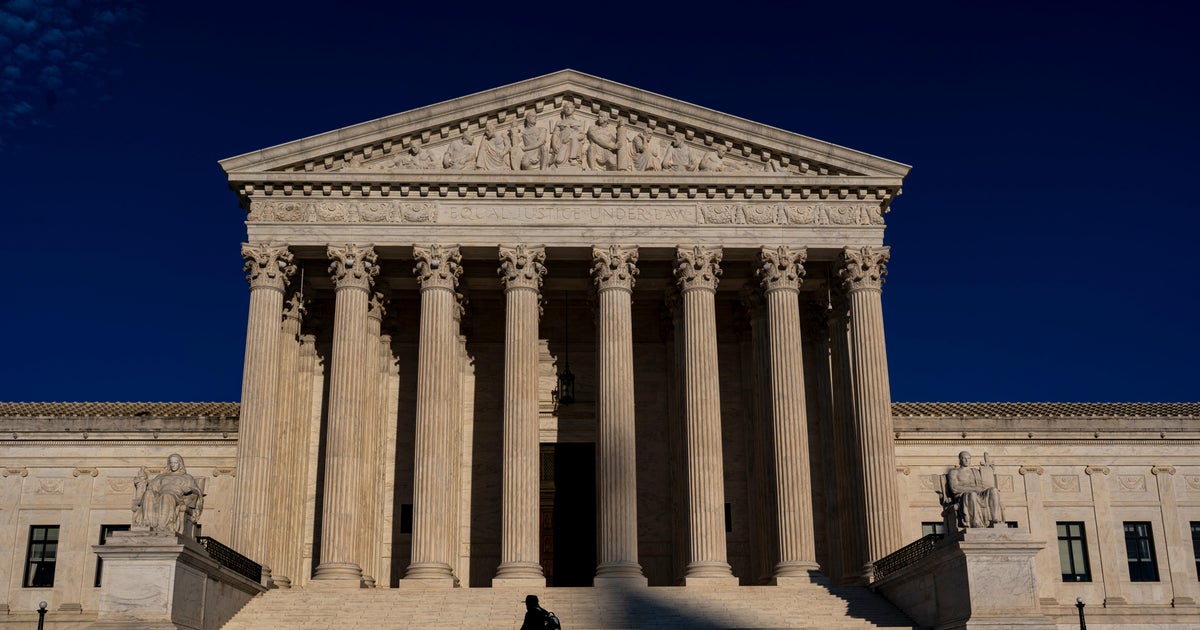
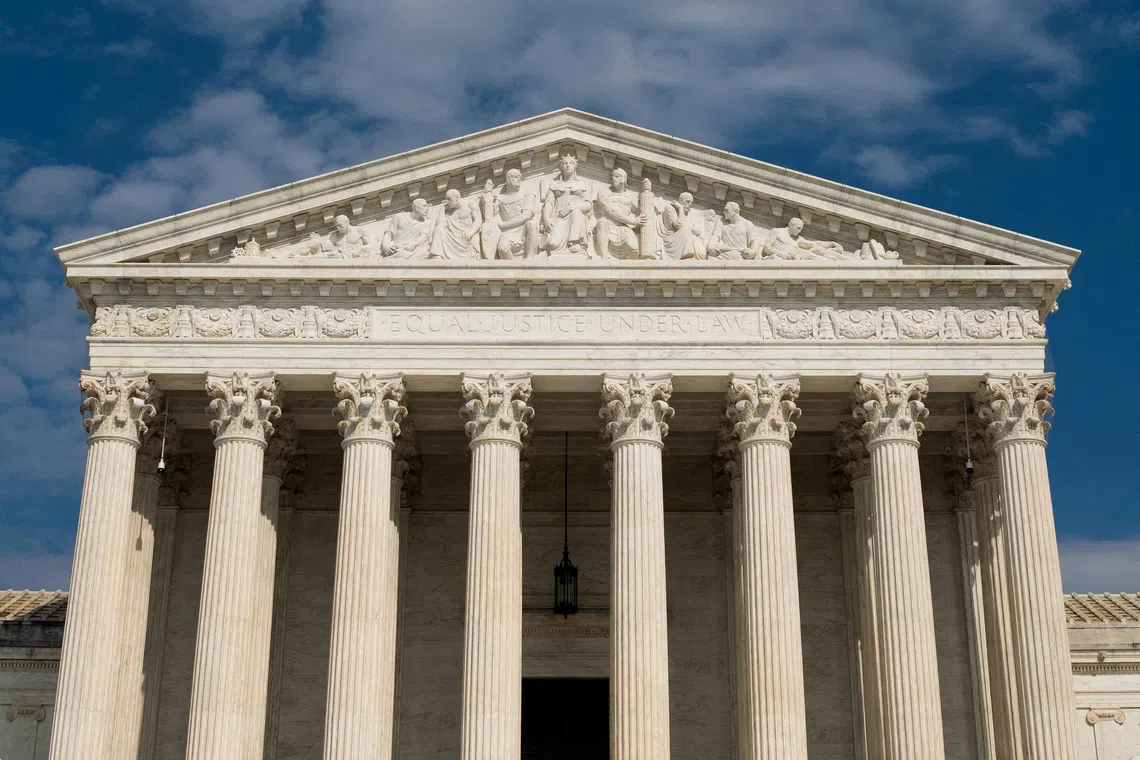
Supreme Court gears up for new term with major cases on climate change, guns

Read the original at CBS News ↗
CBS News · collected 2026-10-04 · by Melissa Quinn

Quick Summary

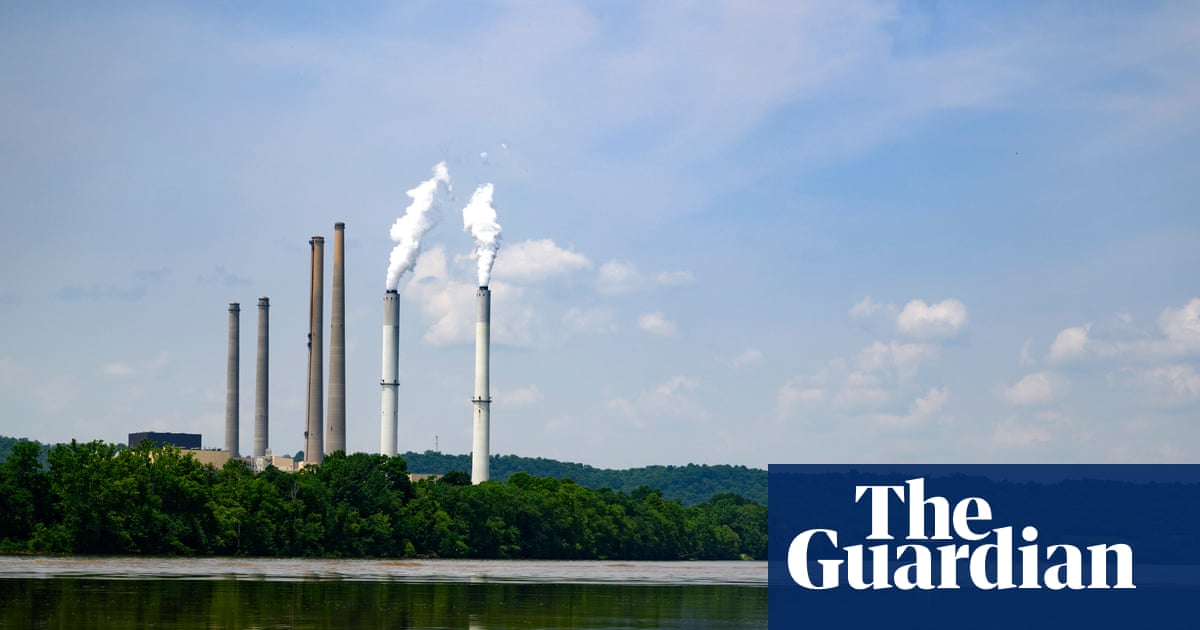
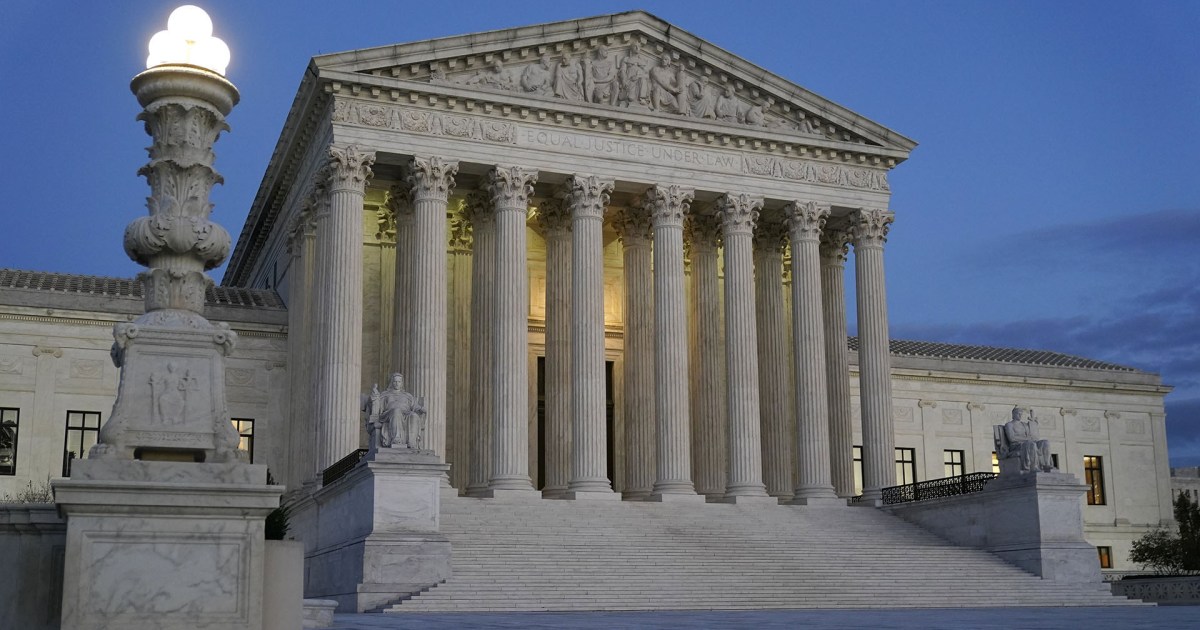
The Supreme Court's new term begins on October 5th and will include significant cases related to climate change and gun laws. One major case involves Suncor Energy v. County Commissioners of Boulder County, where the court will determine if federal law prevents local governments from suing fossil fuel companies over climate impacts in state courts. This decision could affect similar lawsuits across the country and has implications for how responsibility for climate change is assigned to specific industries versus broader national policies.
Written locally by qwen2.5:14b on 2026-10-04, using this article's own text rather than the other coverage of the same event (that is the story summary below).

AI analysis runs on qwen2.5:14b, locally

Story summary

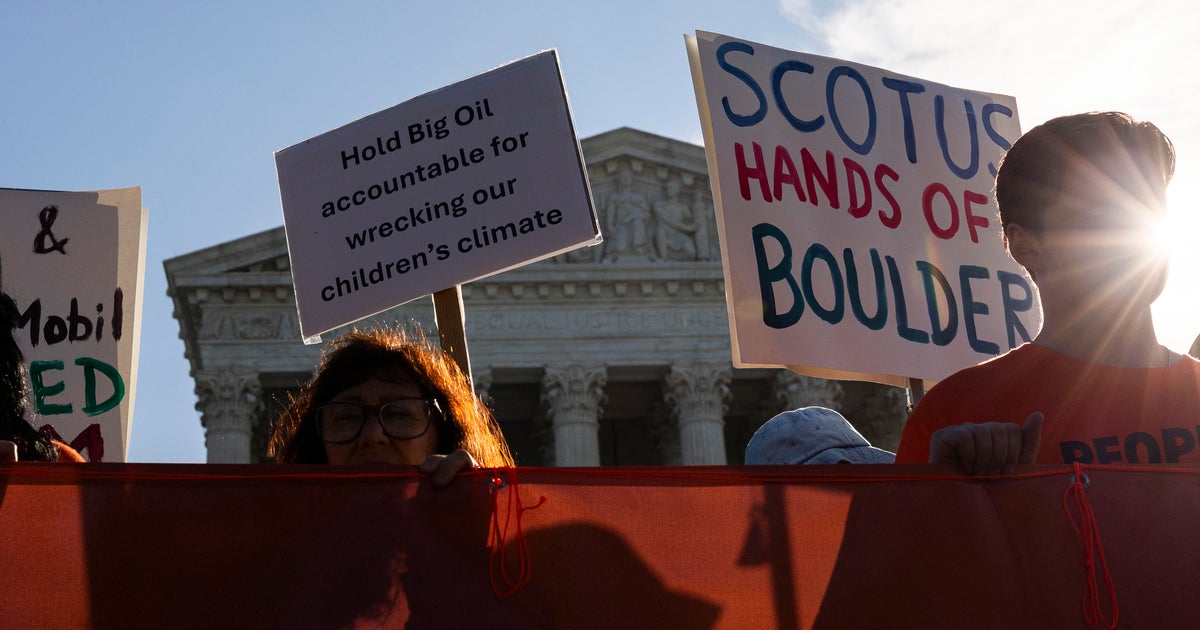
On Monday, the Supreme Court begins its new term with a landmark case, Suncor Energy v. Boulder County, which could determine whether states can sue oil companies for climate change damages. In 2018, Boulder County in Colorado sued Exxon Mobil and Suncor Energy, alleging these companies contributed to local climate-related harms through their production of fossil fuels. The lawsuit, one of many across the country, seeks compensation under state tort laws. If the Supreme Court allows such suits to proceed, it could lead to a patchwork of lawsuits targeting industries involved in national or global issues beyond individual states' jurisdiction, potentially affecting job growth and business investment nationwide. Industry groups argue this would create costly and unpredictable legal environments for companies.

Written for “Supreme Court Climate Change Case” on 2026-10-05, grounded in this article and the 28 other(s) covering the same event.

Signals How these are calculated →

Claims extracted
102
claim-shaped sentences
Uncertain
9%
9 of 102 hedged
Leaning
withheld
no quote in the article backed the model's score
Correction & hedging signals
65.6
corrections and hedging in what we collected; not a measure of accuracy
Outlets on this story
29
Politics
Narrative spread
1
articles carrying this framing
Analyzed 2026-10-04 · how these are computed

Story

📰 Supreme Court Climate Change Case
Politics · 29 article(s) covering the same event. See how they differ ↓

How this is being covered How these are calculated →

Article leaning vs. publisher reliability
Source leaning vs. consistency

Compared with similar articles

This article reads unscored and hedges 9% of its claims. Each row says how that neighbour differs.
Reason
⚖️ Leans left 🔴 14% hedged 4 of 28 📰 publisher trust 66
“Both articles discuss the upcoming Supreme Court term but mention different cases and issues, indicating they are describing related topics rather than the exact same event.”
Reason
⚖️ leaning not scored 🔴 21% hedged 18 of 87 📰 publisher trust 66
“Article A discusses Prof. Adler's amicus brief in Suncor Energy v. Boulder County, while Article B is about the broader start of the Supreme Court's new term and mentions a lawsuit on Monday but does not specify it as being related to Suncor.”
The Guardian
⚖️ Leans strongly left 🔴 5% hedged 1 of 21 📰 publisher trust 68
“Article A describes states and cities suing over EPA's repeal of emissions rules, while Article B discusses the Supreme Court's upcoming term with various high-profile cases including climate change disputes.”
The Straits Times
⚖️ Leans right 🔴 5% hedged 2 of 37 📰 publisher trust 59
“The articles discuss different aspects and timelines related to the start of the Supreme Court's new term, covering various cases but not focusing on the exact same incident or occurrence.”
NBC News
⚖️ leaning not scored 🔴 10% hedged 4 of 42 📰 publisher trust 95
“The articles refer to different aspects of the Supreme Court's upcoming new term: Article A focuses on President Trump's criticisms and previous rulings, while Article B discusses major cases involving climate change, guns, and immigration policies.”
Fox News
⚖️ leaning not scored 🔴 5% hedged 3 of 56 📰 publisher trust 69
“Both articles describe the start of the Supreme Court's new term on October 4, 2026, mentioning high-profile cases including climate change and religious liberty.”
NPR
⚖️ leaning not scored 🔴 16% hedged 8 of 51 📰 publisher trust 60
“Article A discusses the upcoming Supreme Court term, while Article B mentions SCOTUS hearing a major climate change case but also includes unrelated international news about Brazil's presidential race and an incident involving a flydubai flight.”
Unpacking the Suncor Oral Argument different event · 95%
Reason
⚖️ leaning not scored 🔴 20% hedged 2 of 10 📰 publisher trust 66
“Article A discusses general cases for the new Supreme Court term, while Article B focuses specifically on the upcoming Suncor Energy v. Boulder County case involving climate change tort suits.”
CBS News
⚖️ leaning not scored 🔴 7% hedged 6 of 88 📰 publisher trust 66
“The articles discuss different aspects of the Supreme Court without describing the same specific incident.”
NBC News
⚖️ leaning not scored 🔴 no claims extracted 📰 publisher trust 95
“Article A discusses the Supreme Court gearing up for its new term, while Article B reports on arguments being heard in a climate change lawsuit during the new term.”

Publisher

CBS News · 2033 article(s) · 6 correction(s) detected
Running correction rate · 6 correction(s)
2026-10-03
Tennessee prison system head to resign after failed Christa Pike execution
2026-10-02
Christa Pike unconscious, on ventilator after botched execution: Lawyers
2026-10-01
Rick Ross arrested on domestic violence charges in Miami Beach
2026-09-17
After nitrogen execution blocked, Alabama inmate to die by lethal injection
2026-09-14
The AI bubble is leaking air, some economists say. Should investors worry?
2026-08-24
Sean Grayson, convicted in killing of Sonya Massey, dies in prison, attorney says

Who wrote this

Melissa Quinn
16 article(s) here · 1 carrying a prediction
🔮 That outcome would mean the decision of the Colorado Supreme Court would stand, allowing Boulder's case to proceed.
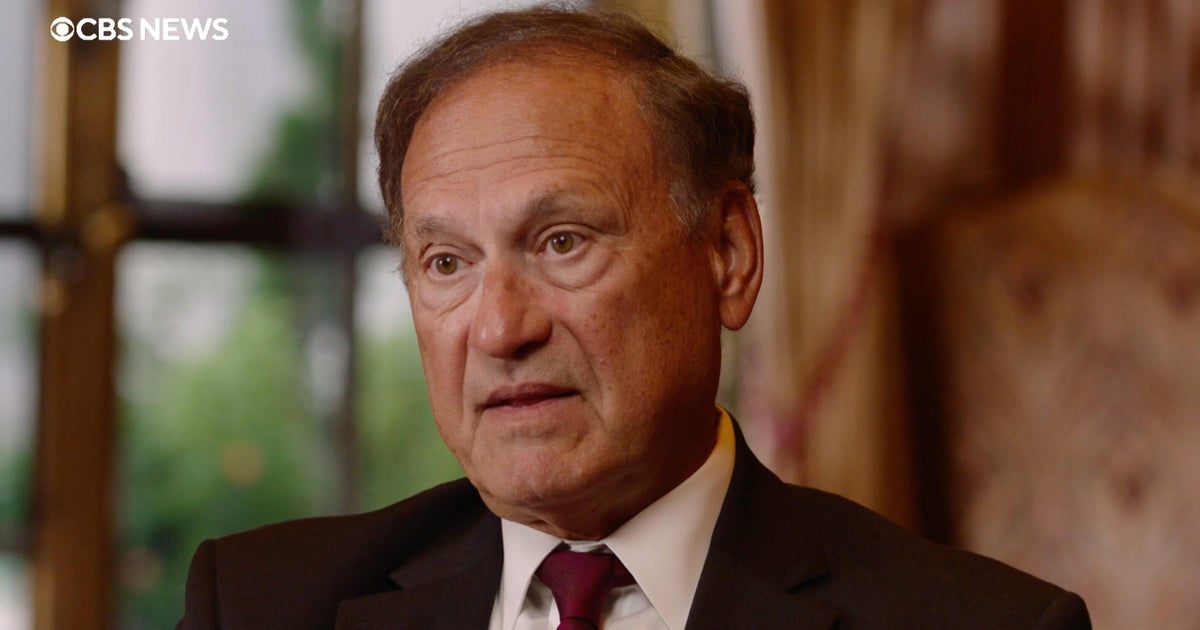
🔮 The rare interview came ahead of the release of Alito's first book, "So Ordered: An Originalist's View of the Constitution, the Court and Our Country," a collection of speeches that will be released Tuesday.
2026-10-05 · assertive framing · Takeaways from Alito's CBS News interview
🔮 The start of the Supreme Court's new term is quickly approaching, with cases involving climate change, President Trump's immigration policies and the Second Amendment among the most high-profile disputes the justices will hear in the coming months.
🔮 When the Supreme Court returns to the bench Monday for the first time since late June, it will kick off its new term with a , to hold fossil-fuel producers accountable for the impacts of global climate change.
🔮 "We have a right, just like every litigant in court, to have a judge that will be fair and impartial," Blanche said.
🔮 Justices Sonia Sotomayor, Elena Kagan and Ketanji Brown Jackson said they would have denied the government's request for emergency relief.
🔮 - Former special counsel Jack Smith will testify before the Senate Judiciary Committee as part of its investigation into his probes of President Trump.
🔮 In an unsigned opinion with no noted dissents, the Supreme Court said "the election is not merely upcoming; it has already started," and added that "at this late date, ordering reversion to the 2025 map in the midst of an ongoing election would usher in electoral chaos." The lower courts, the Supreme Court said, "should not enjoin or otherwise prohibit the use of the 2022 map in the 2026 congressional election in Missouri.
🔮 The high court said that the district court's decision blocking use of the expanded database "inhibits the Federal Government's efforts to assist state and local agencies in the proper administration of the midterm elections." Justices Sonia Sotomayor, Elena Kagan and Ketanji Brown Jackson dissented. The system is part of President Trump's government-wide push to find evidence of widespread voting by noncitizens in federal elections, which has largely been debunked and shown to be very rare.
🔮 "I don't know how a letter that they got after the pass was revoked could provide them with the kind of standards that they would have to conform their conduct to.
Also by Melissa Quinn
Nothing else under this byline is closely related to this article, so these are simply their most recent.
All 16 articles by Melissa Quinn →

Topics

Boulder Boulder County Exxon Suncor Energy the Supreme Court

Subjects

the Supreme Court ORG · 9× Boulder GPE · 4× Boulder County GPE · 3× Exxon ORG · 3× Suncor ORG · 3× Colorado GPE · 2× Suncor Energy ORG · 2× Trump PERSON · 2× Washington ORG · 1× the Supreme Court's ORG · 1×

Narrative

In its decision, the 2nd Circuit panel of judges said accepting the administration's interpretation of immigration law would "send a seismic shock through our immigration detention system and society, straining our already overcrowded detention infrastructure, incarcerating millions, separating families, and disrupting communities."
framing: assertive · carried by 1 article(s) · first seen 2026-10-04
🔮 The start of the Supreme Court's new term is quickly approaching, with cases involving climate change, President Trump's immigration policies and the Second Amendment among the most high-profile disputes the justices will hear in the coming months.

Claims (102 extracted, 9 hedged)

The start of the Supreme Court's new term is quickly approaching, with cases involving climate change, President Trump's immigration policies and the Second Amendment among the most high-profile disputes the justices will hear in the coming months. asserted
justices → approach → months
But waiting in the wings at the Supreme Court are several legal battles involving Mr. Trump's second-term agenda, which will be discussed by the justices in forthcoming closed-door conferences and, if taken up by the court, decided by the summer of 2027. asserted
which → wait → 2027
The Supreme Court kicks off its term Monday with arguments involving a lawsuit filed in state court by the city and county of Boulder, Colorado, that seeks to hold energy companies accountable for the effects of global climate change. asserted
companies → kick → change
Here are the big cases that the Supreme Court is poised to decide so far in its upcoming term, which begins Oct. 5: asserted
which → poise → term
Climate change: Suncor Energy v. County Commissioners of Boulder County On the first day of the new term, the Supreme Court will hear arguments in a dispute between Boulder and two energy companies, Suncor Energy and Exxon Mobil. asserted
Court → hear → Boulder
The question before the Supreme Court is a technical one: Whether federal law prevents Boulder County from suing energy companies in state court and claiming that the sale and allegedly deceptive marketing of fossil fuels violates state law. uncertain
sale → prevent → law
The outcome of the case could have significant ramifications for dozens of similar lawsuits brought by states and localities that seek to hold fossil-fuel producers accountable for the effects of climate change. uncertain
producers → have → change
A decision in favor of the energy companies would block Boulder's lawsuit, which is still in its early stages and seeks money damages. asserted
which → block → damages
Lawyers for Exxon and Suncor warn that if the Supreme Court allows these suits to move forward and they are ultimately successful, they would effectively impose a carbon tax on fossil-fuel producers and "bankrupt" the industry. asserted
they → warn → industry
In filings with the Supreme Court, they called climate change "one of the most complex public-policy challenges of our time," resulting from the buildup of greenhouse gases that are emitted by every state and every country. asserted
that → call → state
Those emissions, Suncor and Exxon lawyers said, "cannot be unmixed and traced to their individual sources." asserted
lawyers → say → sources
The case landed at the Supreme Court on appeal from the Colorado Supreme Court, which allowed Boulder's lawsuit to proceed. asserted
lawsuit → land → Court
The high court will also consider whether it has jurisdiction to review that decision. asserted
it → consider → decision
The energy companies warned that if that ruling is upheld and adopted on a nationwide scale, it would give the green light to all 50 states and their municipalities "to ask local courts to establish countless, conflicting climate policies for the Nation." asserted
it → warn → Nation
Lawyers for Boulder County argued that the Constitution allows states to address the harms that arise within their own borders. asserted
that → argue → borders
Whether those harms should be better addressed at the federal level is a decision that rests with Congress, they said. asserted
they → address → Congress
The county officials said the energy companies rushed to the Supreme Court and instead should wait until the state court has issued its final decision in the case before seeking review. asserted
court → say → review
"That climate change is a global problem does not disempower states from redressing its local harms either," they wrote. asserted
they → disempower → harms
"This litigation is not an attempt to solve climate change; it merely asks that petitioners bear their fair share of local costs incurred in part because of their tortious conduct." asserted
petitioners → solve → conduct
Justice Samuel Alito in the case, according to a letter sent to lawyers for the parties Monday. uncertain
Alito → accord → parties
The letter did not include a reason for his recusal. asserted
letter → include → recusal
In his financial disclosure for 2025, Alito reported owning stocks in two energy companies, ConocoPhillips and Phillips 66, but did not list individual holdings in Exxon or Suncor. asserted
Alito → report → Exxon
On Nov. 3, the justices will convene for arguments in a case involving a Catholic preschool in Colorado that from the state's universal preschool program. asserted
justices → convene → program
The dispute is the latest in which the Supreme Court will consider participation by religious entities in state-funded programs. asserted
Court → consider → programs
Colorado's program provides state funding for families to send their 4-year-olds to the preschool of their choosing. asserted
families → provide → choosing
The program allows all children in the state to receive up to 15 hours of free preschool each week before they enter kindergarten. asserted
they → allow → kindergarten
Families can send their children to public or private preschools, or to faith-based or in-home providers. asserted
Families → send → providers
The law creating the program includes a nondiscrimination provision, which requires all schools to ensure children have the equal opportunity to attend regardless of their or their parents' religious affiliation, race, ethnicity, sexual orientation, gender identity, lack of housing or income level. asserted
children → create → housing
In 2023, the Archdiocese of Denver, which oversees more than 30 Catholic preschools, requested an exemption from the universal preschool program's nondiscrimination rule so it could admit only participating families who adhere to the Catholic Church's teachings, including on gender identity and sexual orientation. uncertain
who → oversee → identity
But the Colorado Department of Early Childhood declined to provide the accommodation. asserted
Department → decline → accommodation
In response, the Archdiocese, two parishes and a family with children who attend parish schools sued and argued they were entitled to an exemption under the First Amendment's Free Exercise Clause. asserted
they → attend → Clause
The plaintiffs said because the universal preschool program created exemptions to the nondiscrimination requirement, it was not neutral and generally applicable. asserted
it → say → requirement
The Supreme Court said in a 1990 decision called Employment Division v. Smith that laws burdening the free exercise of religion generally do not violate the First Amendment as long as they're neutral and generally applicable. asserted
they → say → Amendment
A federal district court sided with the state in June 2024, and the U.S. Court of Appeals for the 10th Circuit upheld that decision, finding that the program's nondiscrimination rule "exists in harmony with the First Amendment" and doesn't violate the plaintiffs' free exercise rights. asserted
rule → side → rights
Gun rights: Viramontes v. Cook County and Grant v. Higgins This latest Second Amendment dispute to arise following the Supreme Court's landmark 2022 decision expanding gun rights involves and similar semiautomatic weapons. asserted
dispute → arise → weapons
The two cases, which will be argued Dec. 2, involve a Connecticut law and an ordinance in Cook County, Illinois. asserted
which → argue → County
Cook County's prohibition was put in place nearly 20 years ago, while Connecticut tightened its rules for semiautomatic firearms after the 2012 mass shooting at Sandy Hook Elementary School. asserted
Connecticut → put → School
More than 10 states and the District of Columbia prohibit AR-15-style semiautomatic weapons. asserted
states → prohibit → weapons
In both of the cases from Illinois and Connecticut, lower courts upheld the bans. asserted
courts → uphold → bans
The appeals courts each applied the new standard for determining the constitutionality of gun restrictions that the Supreme Court laid out in 2022, which requires the government to show that a law is consistent with the nation's historical tradition of firearms regulation. asserted
law → apply → regulation
…and 62 more, not listed.

💬Give feedback
🕘History 🎫Support