On September 20, 2026, the far-right Alternative for Germany (AfD) won a major mandate in yet another State election in Germany, this time in the coastal province of Mecklenburg-Western Pomerania, also a former East German region.
asserted
Alternative → win → Mecklenburg
It won 38.2% of the vote.
asserted
It → win → vote
This is the second major victory for the AfD after winning the State elections in Saxony-Anhalt earlier this month.
asserted
This → win → Anhalt
However, the mandate in both States is not enough for the AfD to form a government on its own.
asserted
AfD → form → own
The strategy of ‘Brandmauer ’, or a firewall against the AfD, adopted by major political parties to keep the far-right party out of power, makes the question of a coalition government very tentative.
asserted
question → adopt → government
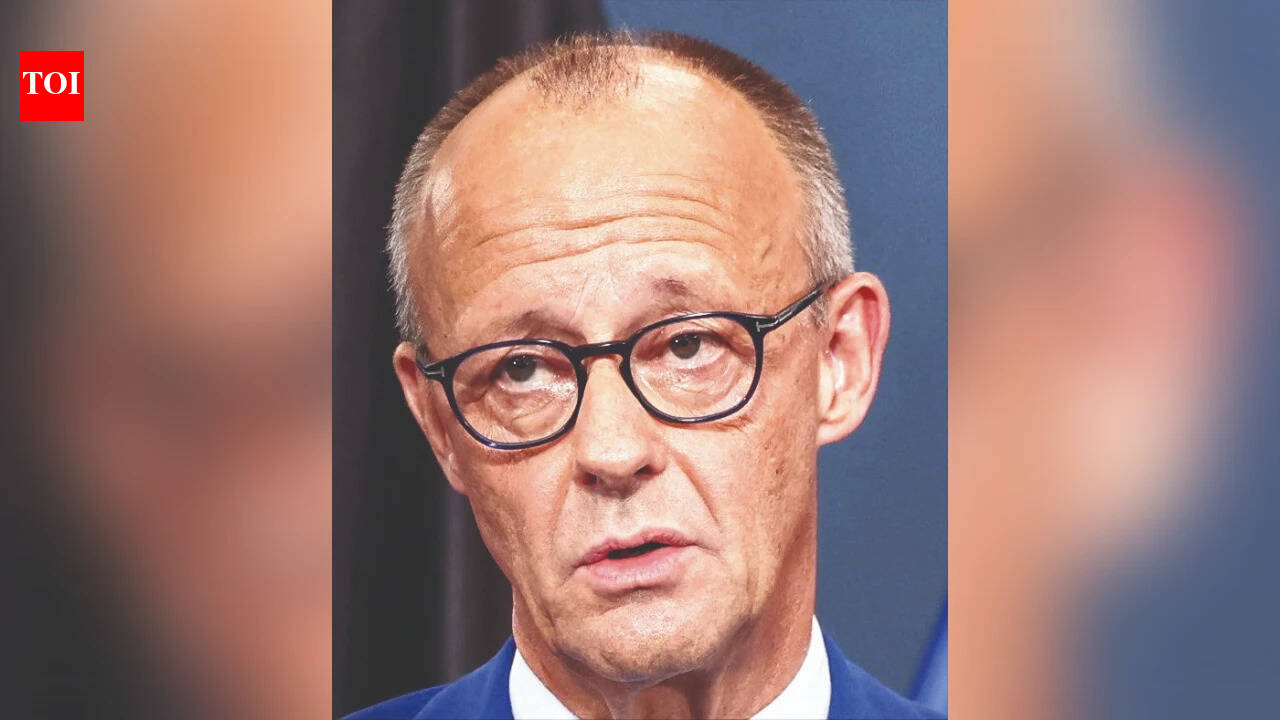
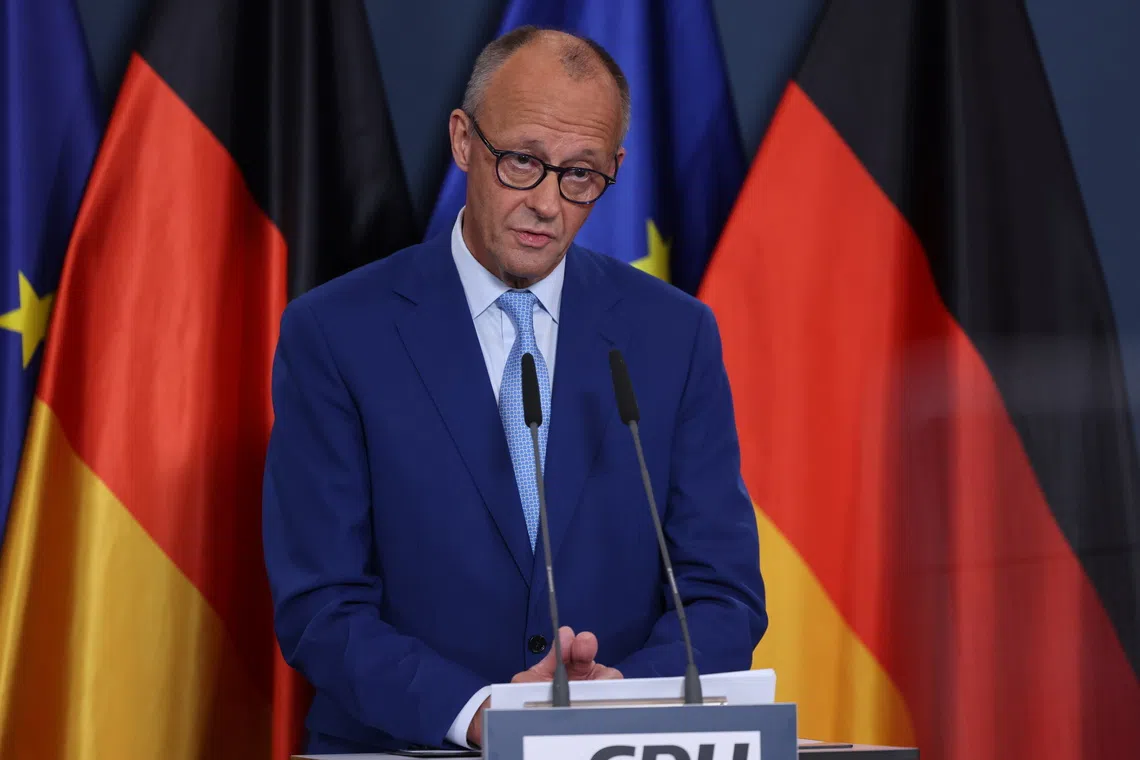
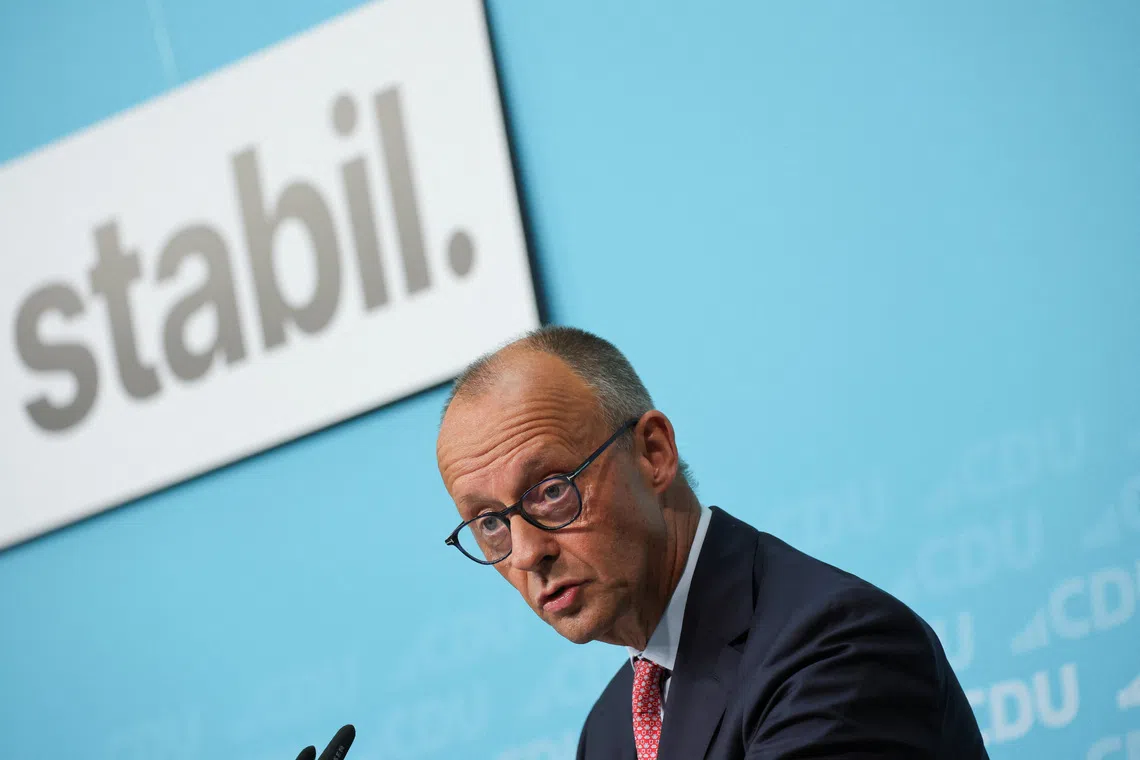
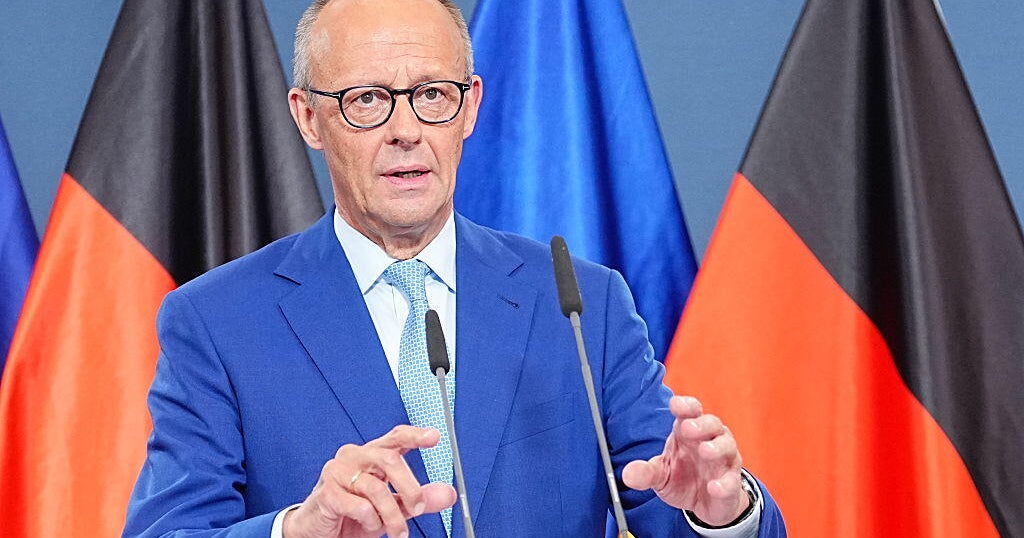
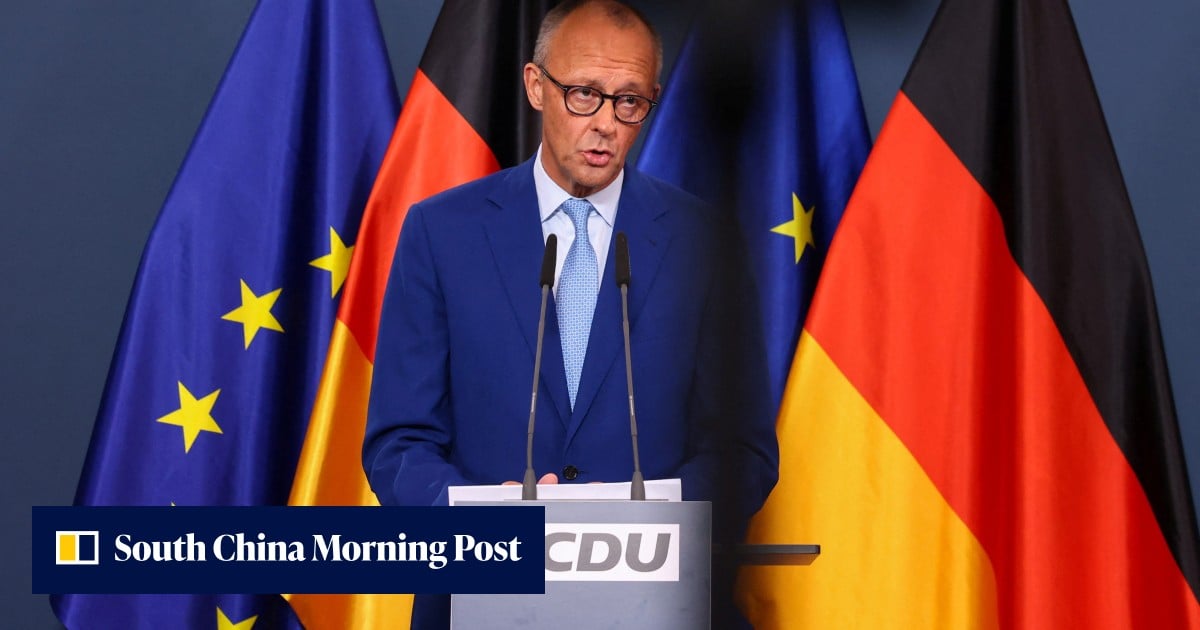
The biggest upset, however, was the crash of Chancellor Friedrich Merz’s Christian Democratic Union (CDU), which failed to win the threshold 5% of vote share, which makes it ineligible to be a part of the representative body of the Mecklenburg-Western Pomerania province.
asserted
it → fail → province
It will not even have one seat in the regional Parliament — the first such instance in more than 70 years of modern German history.
asserted
It → have → history
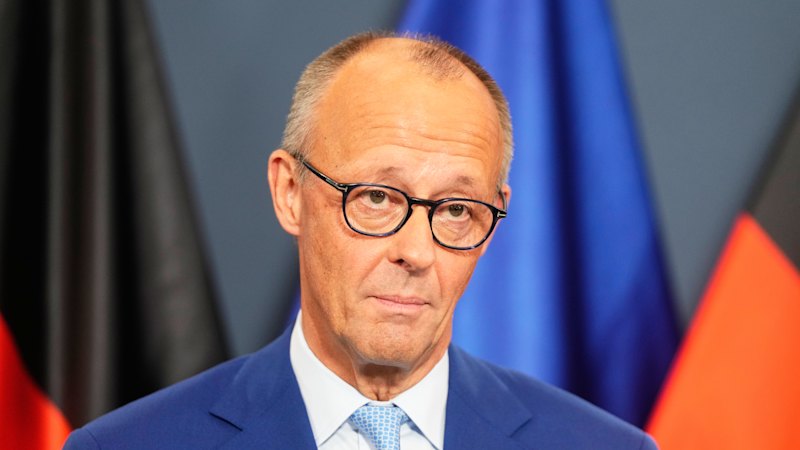
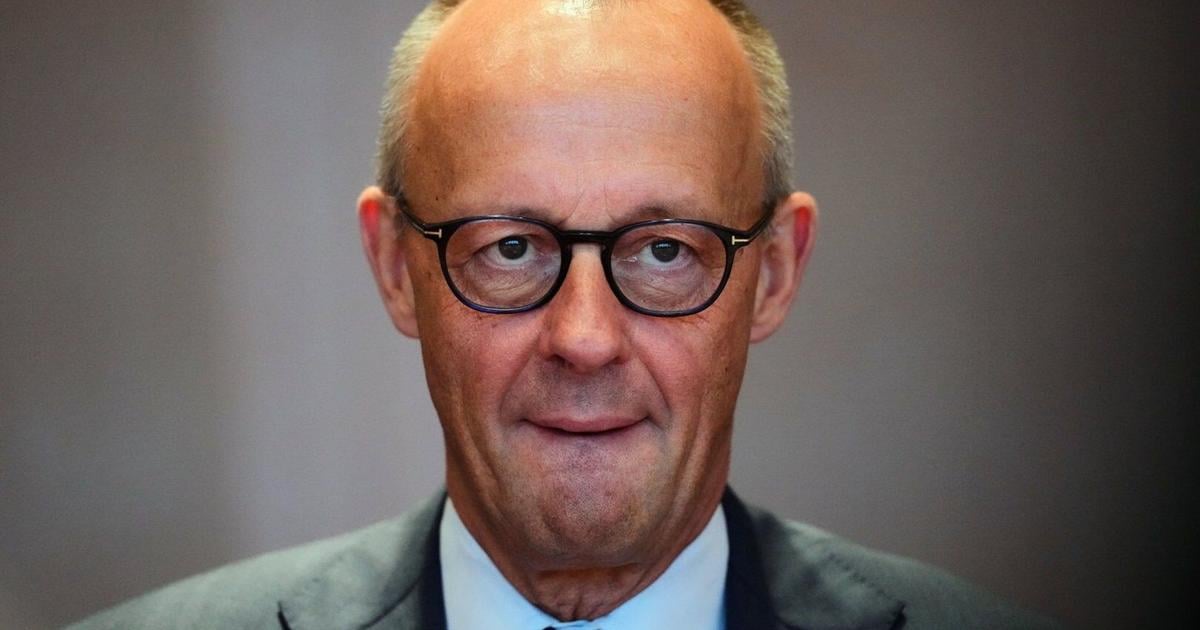
Such a mandate has come as a big blow to Chancellor Merz, who was already “deeply shocked” at the results in Saxony-Anhalt.
asserted
who → come → Anhalt
He described his party’s loss in Mecklenburg-Western Pomerania a “disaster”.
asserted
He → describe → Pomerania
A jubilant AfD, which had warned Mr. Merz that “his time was running out” in the Bundestag (Parliament’s lower house) earlier this month, did not mince words in attacking the premier.
asserted
time → warn → premier
Party co-leader Tino Chrupalla said that he expected Mr. Merz to resign now.
asserted
Merz → say → ?
“That would truly be a relief for this country,” he said.
asserted
he → say → country
The CDU also faced a setback in the election in Berlin, with the leftist Die Linke emerging as the largest party in the capital with 25.7% of the vote share, followed by the CDU at 18.8%.
asserted
Linke → face → %
When Mr. Merz first took up the reins of government last year following the federal elections, his win was overshadowed by the staggering rise of the AfD, which stood in second place after the CDU and its Bavarian sister-party, the Christian Social Union (CSU), with almost 20% of the vote share.
asserted
which → take → share
At the time, Mr. Merz had remarked that the AfD was “a real alarm bell for political parties”.
asserted
AfD → remark → parties
He had promised to counter the rise of the far-right party and alleviate concerns regarding high energy bills, rising inflation, and immigration.
asserted
He → promise → bills
However, the German public is of the opinion that Mr. Merz has failed to make good on his promises.
asserted
Merz → fail → promises
Prior to the elections, Mr. Merz had said that he wouldn’t increase national borrowing by breaking Germany’s debt brake rule.
asserted
he → say → rule
Implemented after the 2008 global economic crisis, the debt brake places strict limits on how much federal and State governments can borrow; the federal government is required to limit annual borrowing to 0.35% of GDP.
asserted
government → implement → GDP
However, considering the shrinking of the German economy for two consecutive years in a row, in 2023 and 2024, the government felt the need to end years of economic slowdown.
asserted
government → consider → slowdown
In March 2025, the government of Chancellor Merz introduced a major debt package, wherein, via a Constitutional amendment, Mr. Merz pushed through an exemption to allow unlimited borrowing for defence and security purposes exceeding 1% of GDP.
asserted
Merz → introduce → GDP
Its suspension of energy deals with Russia and the policy of gradually phasing out energy dependence on Moscow have hit the economy hard, especially low-income households, as energy bills have mounted, particularly during winters.
asserted
bills → phase → winters
Along with easing the debt brake, a special fund of 500 billion euros for infrastructure spending was also approved.
asserted
fund → ease → spending
Further, over the course of his term, the Merz-led government has gone on to lower some of the energy costs and has introduced tax and health reforms.
asserted
government → lead → reforms
Basic allowance, child allowance and child benefits have also been increased.
asserted
allowance → increase → ?
The government also announced that it will set up a house-building association to support social house-building and large-scale, industrialised constructions.
asserted
it → announce → building
However, these policies, while largely welcomed, take time to show up within the economy.
asserted
policies → welcome → economy
Moreover, major structural reforms within the collapsing pension scheme have led to pushback against the government among the public as well as allies.
asserted
reforms → collapse → public
The government aims to raise the retirement age to 70 in line with higher life expectancy; Germany is one of the countries that has a rapidly ageing population with higher life expectancy.
asserted
that → aim → expectancy
Moreover, a popular provision within the pension system, which allows people who have regularly paid pension contributions for 45 years to retire early without any financial liability, is potentially being scrapped.
asserted
who → allow → liability
These reforms are deeply unpopular and have led to criticism, especially from its coalition partner, the Social Democratic Party (SPD), revealing internal fissures within an already precarious coalition.
asserted
reforms → lead → coalition
However, Mr. Merz insisted that Germany has long faced the problem that “fewer and fewer contributors have to finance pensions for more and more retirees,” adding that “doing nothing is not an option.”
asserted
doing → insist → nothing
Mr. Merz has also adopted a harder-line position when it comes to rules and controls around immigration and asylum.
asserted
it → adopt → immigration
Even before assuming power, he had announced a ‘de facto entry ban’ — a strict rejection of entry to all undocumented migrants and asylum seekers.
asserted
he → assume → migrants
Moreover, in July 2025, he suspended family reunification for beneficiaries of subsidiary protection for an initial period of two years.
asserted
he → suspend → years
Last year, the federal government also rescinded the fast-track citizenship programme, which let “well-integrated” migrants gain citizenship in three years instead of five.
asserted
migrants → rescind → years
These moves are seen as the government’s strategy to appease voters who are swayed by the AfD’s anti-immigrant rhetoric.
asserted
who → see → rhetoric
In the September 2026 ARD-Deutschlandtrend survey, Mr. Merz’s approval rating came down to an all-time low of just 13%, and calls for his resignation have started gaining ground.
asserted
calls → come → ground
However, Mr. Merz has insisted that the election result cannot be linked to merely his popularity.
asserted
result → insist → popularity
He has stated that he will keep his ruling coalition together for the sake of his country’s “democratic future”.
asserted
he → state → future
 The Aporia