That is 0 articles you have read today.
The Aporia is free and carries no advertising, so readers are the only
thing paying for it. If you are getting this much out of it, a small
donation is what keeps it independent.
Daily limit reached
You have read 0 articles today.
That is more than the 15 a day The Aporia gives away,
and well past what it can carry on nothing. Your allowance resets at
midnight.
There is no advertising here and nothing about you is sold, so readers
are the only thing paying for it. If the site is worth this much of
your day, it is worth a few dollars.
Everything else stays open: the
maps, the
directory and
search do
not count against this, and neither does re-opening something you have
already read today.
Voters in Mecklenburg-Western Pomerania and Berlin cast their ballots on Sunday in state elections where the far-right AfD party is expected to make significant gains. Chancellor Friedrich Merz faces challenges from these results, which could affect his ability to push reforms in Germany’s economy. The AfD's success might lead to its forming a regional government for the first time since World War II in Mecklenburg-Western Pomerania, whereas it narrowly missed doing so in Saxony-Anhalt recently. Merz’s popularity has declined due to his party’s defeat by the AfD and economic performance that has not met expectations.
Written locally by qwen2.5:14b on 2026-09-20,
using this article's own text rather than the other coverage of the
same event (that is the story summary below).
Story summary
Chancellor Friedrich Merz faces significant pressure as voters in Berlin and Mecklenburg-Western Pomerania go to the polls on Sunday, following the far-right AfD's major victory in Saxony-Anhalt just two weeks prior where it won nearly 44% of the vote compared to the CDU’s 17%. With about 3.8 million voters eligible across both states, the AfD is expected to make substantial gains at Merz’s expense, potentially undermining his ability to push through promised economic reforms. Polls indicate that Merz's approval ratings have fallen to around 14%, and his CDU party risks losing its status as the largest party in Berlin and falling below the threshold for representation in Mecklenburg-Western Pomerania. These outcomes could further jeopardize Merz’s leadership, especially given the CDU’s recent struggles with unpopular reforms and low public approval.
Written for “German State Elections And Chancellor…” on 2026-10-05,
grounded in this article and the 40 other(s) covering the same event.
Claims extracted
12
claim-shaped sentences
Uncertain
25%
3 of 12 hedged
Leaning
Leans left
of the writing, not the subject · beta estimate
Correction & hedging signals
64.4
corrections and hedging in what we collected;
not a measure of accuracy
Outlets on this story
41
Politics
Narrative spread
1
articles carrying this framing
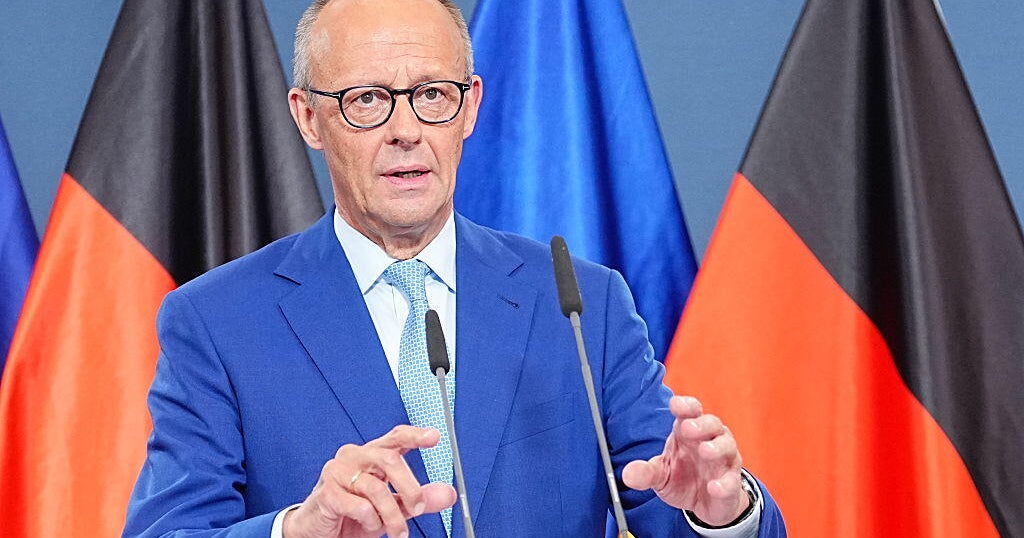
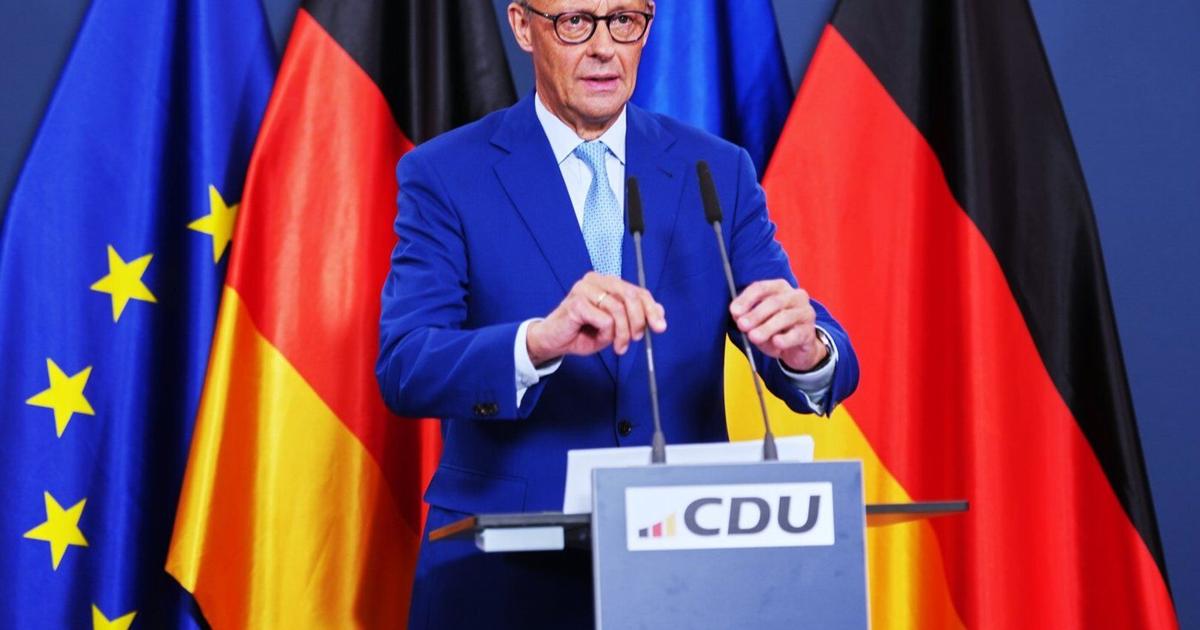
Polling stations opened on Sunday in two German state elections in which the far-right AfD party is expected to make further gains that could determine whether Chancellor Friedrich Merz can hold on to power and push ahead with reforms in Europe’s biggest economy.
uncertain
Merz → open → economy
The state elections are taking place in Mecklenburg-Western Pomerania, a largely rural region in the formerly communist and less prosperous east, and in the capital, Berlin.
asserted
elections → take → capital
The vote comes two weeks after the anti-migration, Russia-friendly Alternative for Germany, or AfD, finished just short of a majority in the small eastern state of Saxony-Anhalt, and has its best chance yet of forming the country’s first far-right regional government since World War II.
asserted
Alternative → come → II
Merz’s authority was severely damaged by his party’s stinging defeat in the Sept. 6 election by AfD — a result that shocked many Germans who had believed their country had developed an immunity to nationalism and assertions of racial superiority after confronting the horrors of its Nazi past through education and laws to outlaw persecution.
asserted
country → damage → persecution
The AfD is expected to make significant gains in Sunday’s elections as well, but has no realistic path to power in Berlin and faces a much stronger challenge from Mecklenburg-Western Pomerania’s center-left governor than it did from Merz’s party in Saxony-Anhalt.
asserted
it → expect → Anhalt
It could lose the mayor’s office in Berlin.
uncertain
It → lose → Berlin
If things go very badly, it could fail for the first time to win seats in a state legislature anywhere by falling below 5% of the vote in Mecklenburg-Western Pomerania, where it was already weak.
uncertain
it → go → Pomerania
Merz, 70, became Germany’s leader 16 months ago with promises to turn around an economy that has barely grown in years, but has failed to lift a sullen national mood and has himself become deeply unpopular.
asserted
that → become → mood
The strong showing of AfD in the Saxony-Anhalt election has further weakened the chancellor’s standing on the national level as well, and in the past two weeks there have been calls even from within his own party to replace him as chancellor.
asserted
showing → weaken → chancellor
No top-level allies have called publicly for his departure, and many have warned against “personnel debates.”
asserted
many → call → debates
Apparently anticipating a tough postelection period, Merz abandoned a planned trip to New York next week to attend the UN General Assembly.
asserted
Merz → anticipate → Assembly
Despite the strong headwinds, he has repeatedly said that he’s determined to stay on and finish his term as chancellor.
asserted
he → say → chancellor
 The Aporia