Germany is electing far-right and socialist parties.
asserted
Germany → elect → parties
What does it mean for the country's floundering centre?
asserted
it → mean → centre
Growing polarization marks unstable future for centre parties and Germany's chancellor
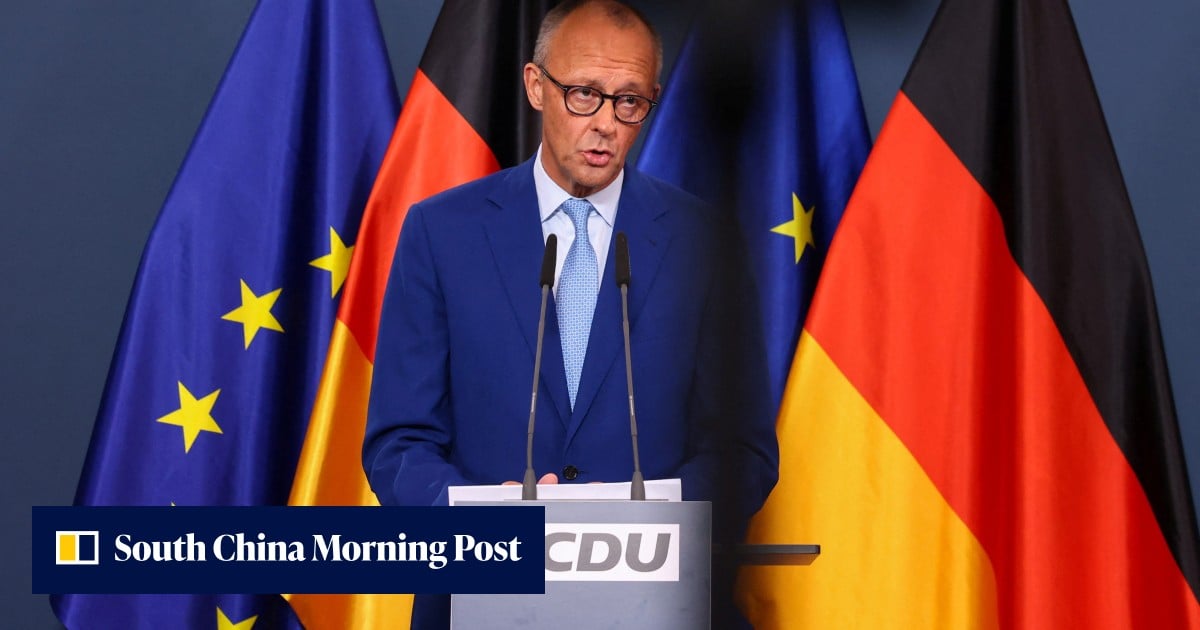
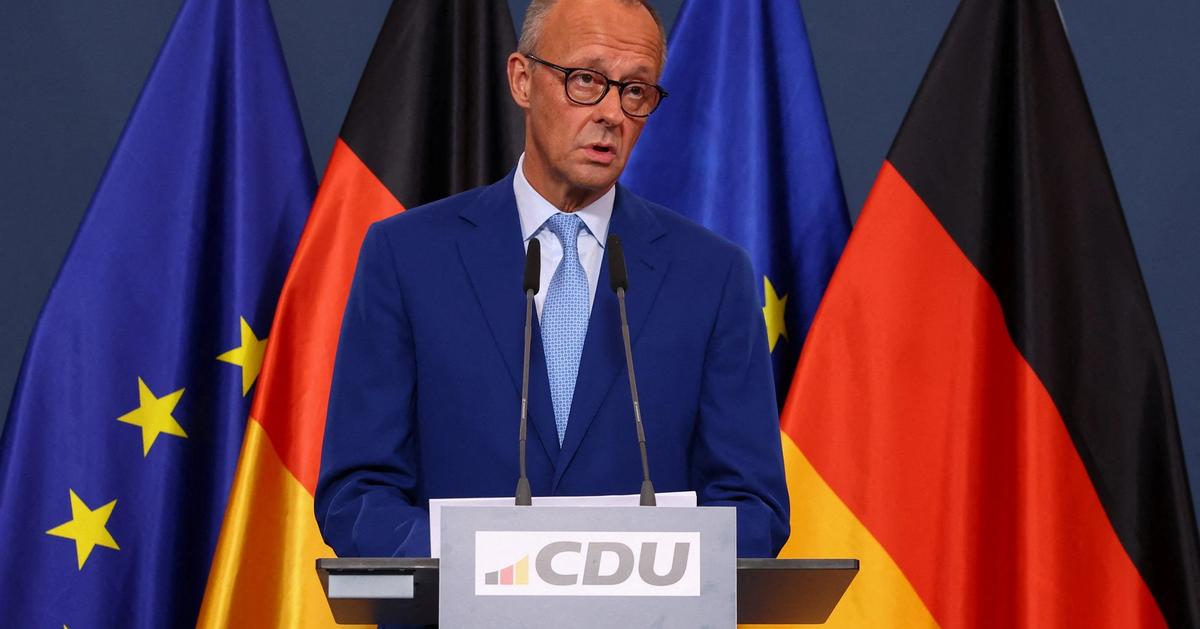
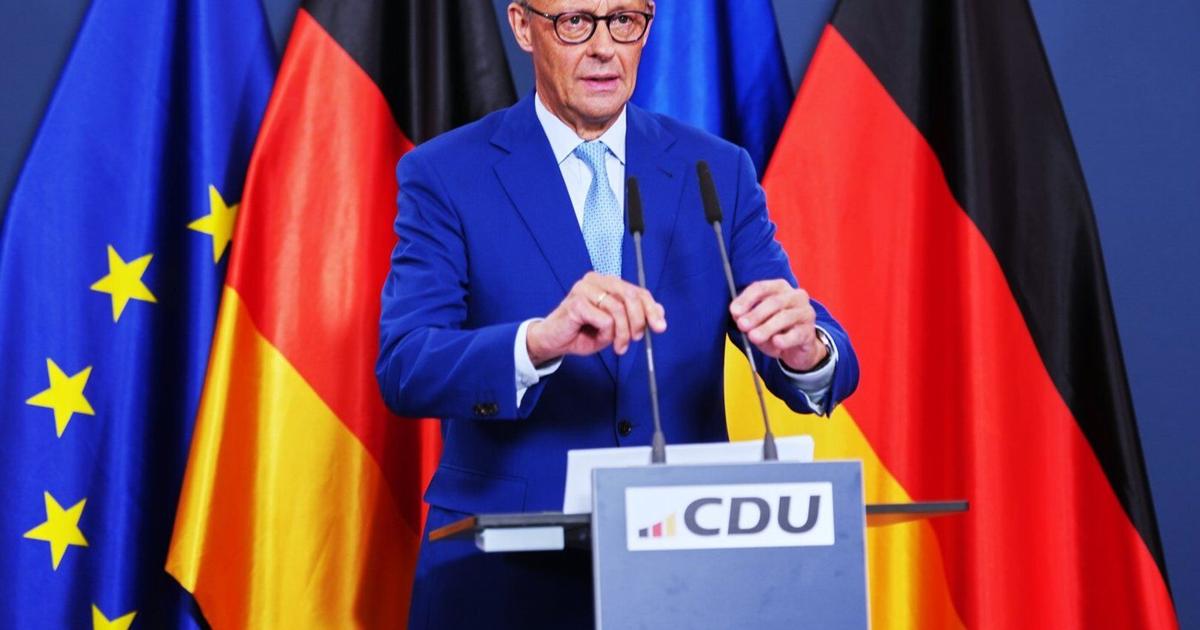
Right after the election results came in Sunday night, Germany’s chancellor stood in front of journalists and described it bluntly: "Es ist ein disaster."
asserted
Es → grow → it
Friedrich Merz’s centre-right party, the Christian Democratic Union (CDU), has suffered catastrophic losses in a number of recent regional elections.
asserted
party → suffer → elections
Over the weekend in the state of Mecklenburg-Western Pomerania, the CDU had its worst performance in history, failing to win enough votes to even keep a seat in the legislature.
asserted
CDU → have → legislature
The far-right Alternative für Deutschland (AfD) came in first place — for the second time in just a few weeks.
asserted
Alternative → come → weeks
In the city state of Berlin, the CDU was unseated from the other side of the political spectrum, by the democratic socialist Die Linke ("The Left").
asserted
CDU → unseat → socialist
The fact that more Germans now say in surveys that they'd rather vote for a far-right party is a seismic shift.
asserted
they → say → party
And for a political system that is designed for stability, the rise of both the far-right and hard-left signals a crisis for the country's mainstream politics.
asserted
rise → design → politics
"People are getting polarized more and more these days," said Leonie Siwter, a Die Linke supporter who was celebrating at the Berlin watch party on Sunday night.
asserted
who → polarize → night
"In the last few years, our Chancellor Merz has managed with every single announcement to make himself less and less popular," she said.
asserted
she → manage → announcement
"They’ve lost a lot of trust."
asserted
They → lose → trust
On Sunday, Merz vowed to stay in his role but will do so on increasingly shaky ground, with his approval rating sitting at 13 per cent — a record low.
asserted
rating → vow → cent
Elections in Germany's 16 states don't directly impact Merz's job.
asserted
Elections → impact → job
But his party's poor regional results challenge his viability as the country's national leader.
asserted
results → challenge → leader
Disillusion with the mainstream
Like other democracies, Germany is seeing the rise of a far-right, nationalist movement — and in many ways, a radical left in response.
asserted
Germany → see → response
"The biggest part why people are voting for the Left Party now is because they’re afraid of the right parties and fascism growing in Germany," Die Linke supporter Michael Berger told CBC News.
asserted
Berger → vote → News
The CDU, meanwhile, has been criticized for failing to properly tackle the rise of the AfD and seriously address the issues radical parties are politically capitalizing on, like immigration and housing.
asserted
parties → criticize → immigration
Although Germany has one of the world’s largest economies, like other Western countries, it faces slowing growth, high fuel prices and an increased cost of living.
asserted
it → have → living
The war in Ukraine along with manufacturing competition from China have also strained the country.
asserted
war → strain → country
"In Germany, the economics are going down.
asserted
economics → go → Germany
It could not be worse," AfD supporter Daniel Specht told CBC News at a rally in August in the state of Saxony-Anhalt, where the party nearly formed a majority.
uncertain
party → tell → majority
"If you elect the old parties, it will not get better."
asserted
it → elect → parties
Voters are no longer forming long-term relationships with established parties, according to Anna-Sophie Heinze, an expert in democracy and Europe’s far-right at the University of Lüneburg.
uncertain
Voters → form → Lüneburg
“Everything is getting more fragmented in society, and this is reflected in the political system,” she said.
asserted
she → get → system
Heinze said an increasing number of German voters, especially young ones, are looking for radical change.
asserted
number → say → change
At the same time, more extreme views are being normalized.
asserted
views → normalize → time
A postwar system set up for stability
Following Nazi rule, Germany’s political system was set up to make it hard for fringe parties to gain power.
asserted
parties → set → power
In order to have any seats in the federal and most state legislatures, a party must win at least five per cent of the overall vote.
asserted
party → win → vote
Unlike other democracies such as Canada, where one party can easily win a majority, Germany’s system is designed to make it difficult.
asserted
it → win → majority
The proportional voting system usually requires parties to form coalitions and govern together.
asserted
system → require → coalitions
It’s a natural way to encourage compromise and moderate views.
asserted
It → ’ → views
But building agreement across a widening spectrum of viewpoints may become more difficult.
uncertain
building → build → viewpoints
Despite holding the most seats in the federal legislature after the CDU, the AfD’s power has been limited because the other parties refuse to work with a party they say has extreme views.
asserted
they → hold → views
It wants to severely restrict immigration, set up hundreds of deportation centres and encourage citizens of what it calls "German origin" to have more traditional families with many children.
asserted
it → want → children
At a news conference Monday, the AfD’s co-leader Alice Weidel said her party had replaced the CDU as Germany’s Volkspartei, or "party for all people.
asserted
party → say → people
"
If the AfD garners more voter support, it will become harder for the mainstream parties to block them from power.
asserted
parties → garner → power
“We see a weakening of democracy in Germany like we see in many other Western countries," said Marcel Fratzscher, president of the German Institute for Economic Research.
asserted
Fratzscher → see → Research
"The political middle of the spectrum has been losing out," he said.
asserted
he → lose → spectrum
"It cannot continue its old ways of moving very slowly."
asserted
It → continue → ways
…and 10 more, not listed.
 The Aporia