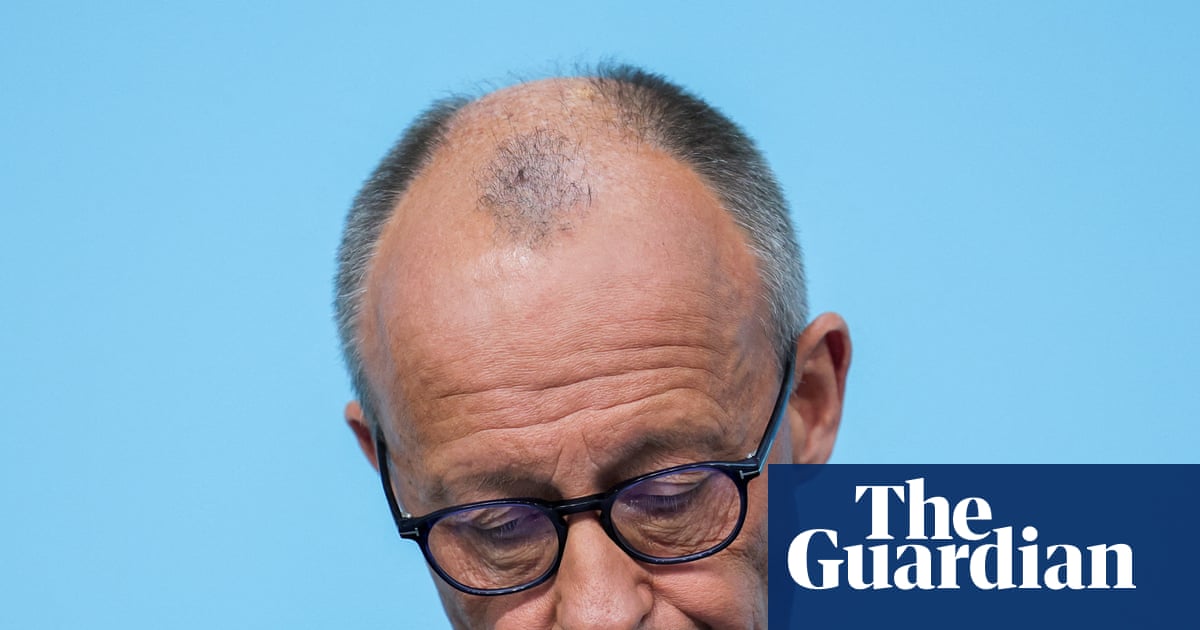
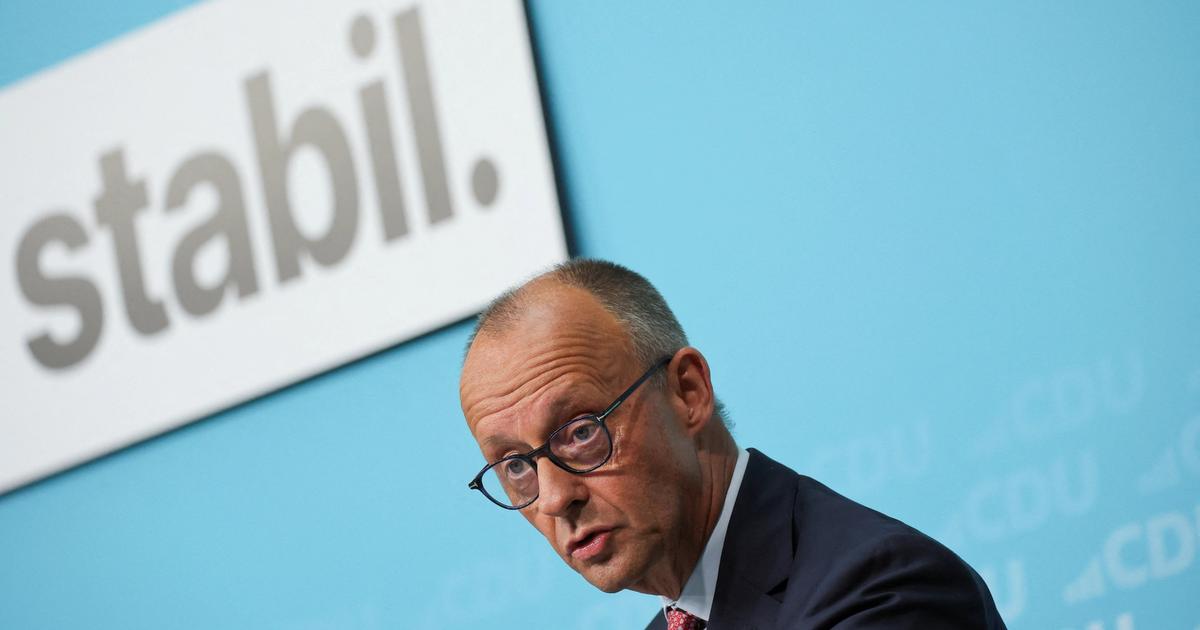
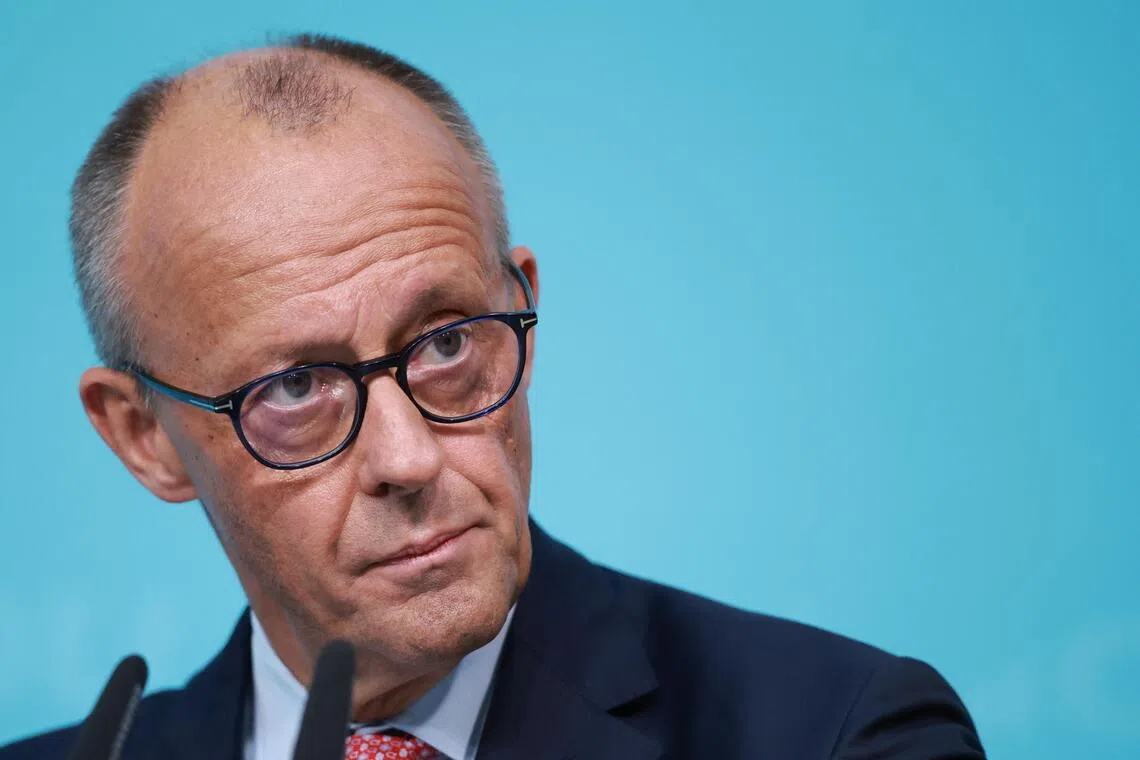
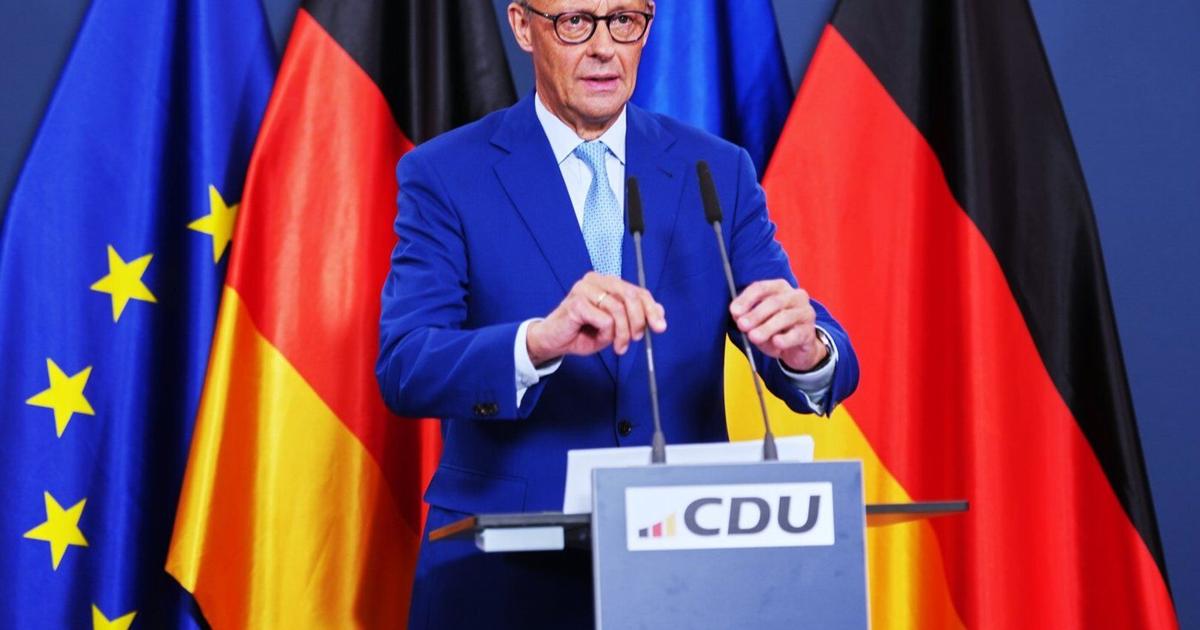
German chancellor meets CDU leaders to shore up support after more defeats

Read the original at The Guardian ↗
The Guardian · collected 2026-09-21 · by Kate Connolly in Berlin

Quick Summary

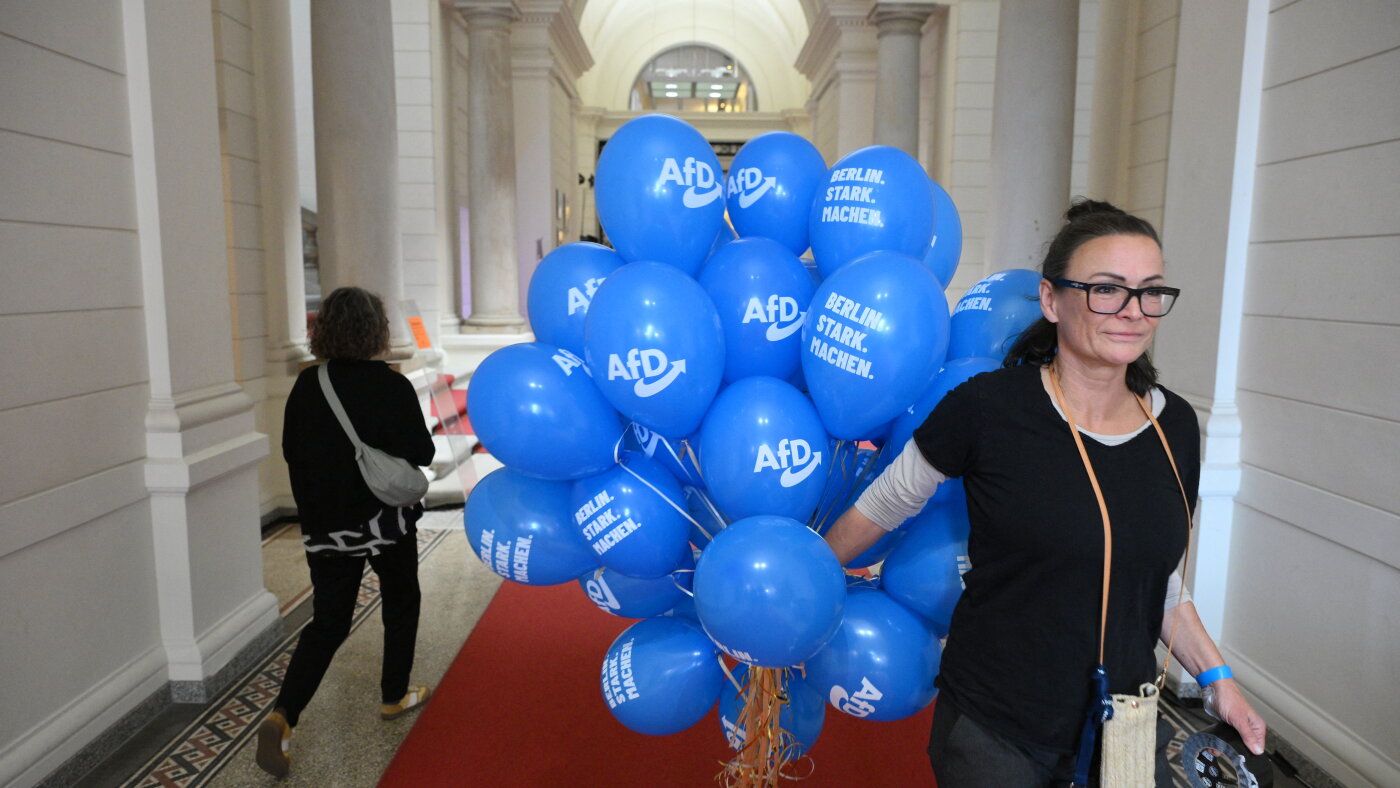
German Chancellor Friedrich Merz met with senior members of his Christian Democratic Union (CDU) party in Berlin following significant election defeats in two states. The meetings come after the CDU lost control of Mecklenburg-Western Pomerania for the first time and saw a strong showing from far-right and far-left parties, particularly the Alternative für Deutschland (AfD), which won 38% in Mecklenburg. These losses are seen as weakening Merz's position, with AfD leaders predicting his resignation within months before the next federal election in 2029.
Written locally by qwen2.5:14b on 2026-09-21, using this article's own text rather than the other coverage of the same event (that is the story summary below).

AI analysis runs on qwen2.5:14b, locally

Story summary

Chancellor Friedrich Merz faces significant pressure as voters in Berlin and Mecklenburg-Western Pomerania go to the polls on Sunday, following the far-right AfD's major victory in Saxony-Anhalt just two weeks prior where it won nearly 44% of the vote compared to the CDU’s 17%. With about 3.8 million voters eligible across both states, the AfD is expected to make substantial gains at Merz’s expense, potentially undermining his ability to push through promised economic reforms. Polls indicate that Merz's approval ratings have fallen to around 14%, and his CDU party risks losing its status as the largest party in Berlin and falling below the threshold for representation in Mecklenburg-Western Pomerania. These outcomes could further jeopardize Merz’s leadership, especially given the CDU’s recent struggles with unpopular reforms and low public approval.

Written for “German State Elections And Chancellor…” on 2026-10-06, grounded in this article and the 40 other(s) covering the same event.

Signals How these are calculated →

Claims extracted
27
claim-shaped sentences
Uncertain
4%
1 of 27 hedged
Leaning
Leans left
of the writing, not the subject · beta estimate
Correction & hedging signals
68.4
corrections and hedging in what we collected; not a measure of accuracy
Outlets on this story
41
Politics
Narrative spread
1
articles carrying this framing
Analyzed 2026-09-21 · how these are computed

Story

📰 German State Elections And Chancellor…
Politics · 41 article(s) covering the same event. See how they differ ↓

How this is being covered How these are calculated →

Article leaning vs. publisher reliability
Source leaning vs. consistency

Compared with similar articles

This article reads leans left and hedges 4% of its claims. Each row says how that neighbour differs.
Semafor · 0.86 cosine similarity
⚖️ Leans left 🔴 0% hedged 0 of 5 📰 publisher trust 95
“The articles describe different stages of an ongoing situation — Article A discusses pressure on Merz before state elections, while Article B reports on Merz meeting CDU leaders after election defeats.”
The Straits Times
⚖️ leaning not scored 🔴 21% hedged 3 of 14 📰 publisher trust 59
“The articles describe different events: one is about Merz's comments on US-Europe relations, and the other is about him meeting CDU leaders to shore up support after election defeats.”
BBC News
⚖️ Leans left 🔴 15% hedged 5 of 33 📰 publisher trust 72
“Article A describes local elections taking place on Sunday, while Article B reports Chancellor Merz's reaction to those election results in a meeting held on Monday.”
NPR
⚖️ leaning not scored 🔴 8% hedged 1 of 13 📰 publisher trust 60
“The articles describe different meetings and actions by Chancellor Merz on separate days following election defeats.”
Toronto Star
⚖️ Leans right further right than this 🔴 10% hedged 2 of 21 📰 publisher trust 63
“Both articles describe Chancellor Friedrich Merz's response to his party's defeats in regional elections, with one focusing on his struggle to stabilize and push through reforms, while the other details a meeting with CDU leaders to shore up support.”
NPR
⚖️ leaning not scored 🔴 4% hedged 1 of 23 📰 publisher trust 60
“Both articles describe Chancellor Friedrich Merz responding to the loss of his party in two state elections on the same day, September 21, 2026.”
The Guardian
⚖️ Leans left 🔴 0% hedged 0 of 15 📰 publisher trust 68
“Both articles describe Merz meeting with CDU leaders and addressing the aftermath of recent electoral losses on the same day.”
Daily Mail · 0.88 cosine similarity
⚖️ Leans left 🔴 15% hedged 4 of 27 📰 publisher trust 65
“Article A describes Merz scheduling a crisis meeting before election results are known, while Article B reports on an actual meeting after election defeats.”
Times of India · 0.85 cosine similarity
⚖️ Leans right further right than this 🔴 14% hedged 2 of 14 📰 publisher trust 59
“While both articles discuss recent electoral setbacks for Chancellor Merz and his party, they describe different events: one is about the election results themselves, while the other is about a subsequent meeting to address those results.”
BBC News
⚖️ leaning not scored 🔴 32% hedged 6 of 19 📰 publisher trust 72
“Article A discusses support from eight German state premiers, while Article B covers an internal meeting with CDU leadership to address recent electoral defeats.”

Publisher

The Guardian · 1373 article(s) · 4 correction(s) detected
Running correction rate · 4 correction(s)
2026-10-03
Tennessee’s top prison official resigning after botched execution of Christa Pike
2026-10-01
Tennessee governor suspends all executions after Christa Pike’s lethal injections fail
2026-09-28
Extra 1,000 prison beds announced in NSW as union warns against arresting ‘our way out of domestic violence’
2026-09-05
Australia’s housing prices are trending down. See which suburbs have had the biggest falls

Who wrote this

Kate Connolly in Berlin
6 article(s) here · 1 carrying a prediction
🔮 Five politicians from the BSW, a small leftwing party that echoes the AfD’s stances on Russia and immigration, had already said they would vote for Rausch.
🔮 “The world could learn a thing or two from a sports changing room …
🔮 Elif Eralp launched her election bid last autumn with the blunt statement: “People like me are actually not supposed to become mayor in this country.”
🔮 Merz, who has vowed his fractious coalition government will plough ahead with an unpopular reform agenda, held an early meeting in Berlin with the Christian Democratic Union (CDU)’s leadership on Monday.
🔮 Siegmund, 35, said it would not engage in “games” such as a minority government.
🔮 Polls have opened in the east German state of Saxony-Anhalt, where the populist, far-right, anti-immigration Alternative für Deutschland (AfD) is predicted to emerge on top in an election that could have a groundbreaking effect on Germany’s political landscape.
Also by Kate Connolly in Berlin
Nothing else under this byline is closely related to this article, so these are simply their most recent.
All 6 articles by Kate Connolly in Berlin →

Topics

AfD Berlin CDU Germany Mecklenburg

Subjects

CDU ORG · 9× Merz PERSON · 8× AfD ORG · 6× Mecklenburg PERSON · 5× Berlin GPE · 4× Germany GPE · 3× SPD ORG · 2× Alternative für Deutschland ORG · 1× Friedrich Merz PERSON · 1× the Christian Democratic Union ( ORG · 1×

Narrative

Labour minister Bärbel Bas, also of the SPD, said the plans needed a “reality check”, but said “nothing would be more lethal than letting this coalition break apart over some technicality”. Rubbing salt into Merz’s wounds, the Kremlin on Monday waded into the election analysis, calling the AfD’s win in Mecklenburg a response to Berlin’s refusal to buy cheap Russian gas, which has jolted the economy and caused prices to soar, contributing to voter dissatisfaction.
framing: assertive · carried by 1 article(s) · first seen 2026-09-21
🔮 Merz, who has vowed his fractious coalition government will plough ahead with an unpopular reform agenda, held an early meeting in Berlin with the Christian Democratic Union (CDU)’s leadership on Monday.
2026-09-21 · The Guardian
German chancellor meets CDU leaders to shore up support after more defeats · assertive framing

Claims (27 extracted, 1 hedged)

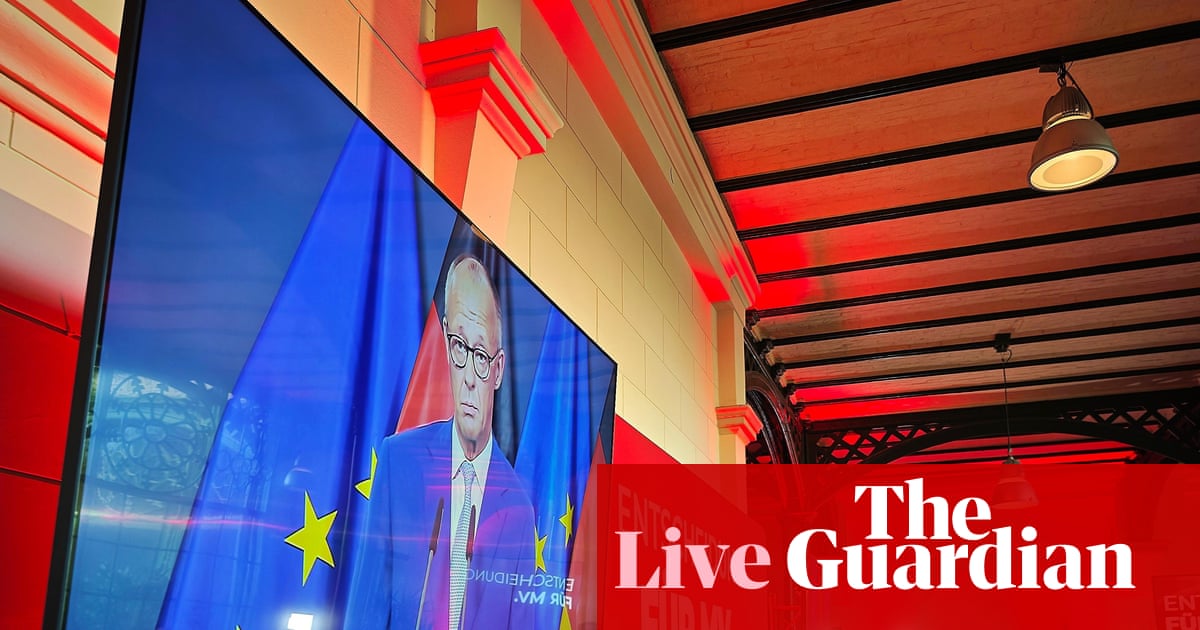
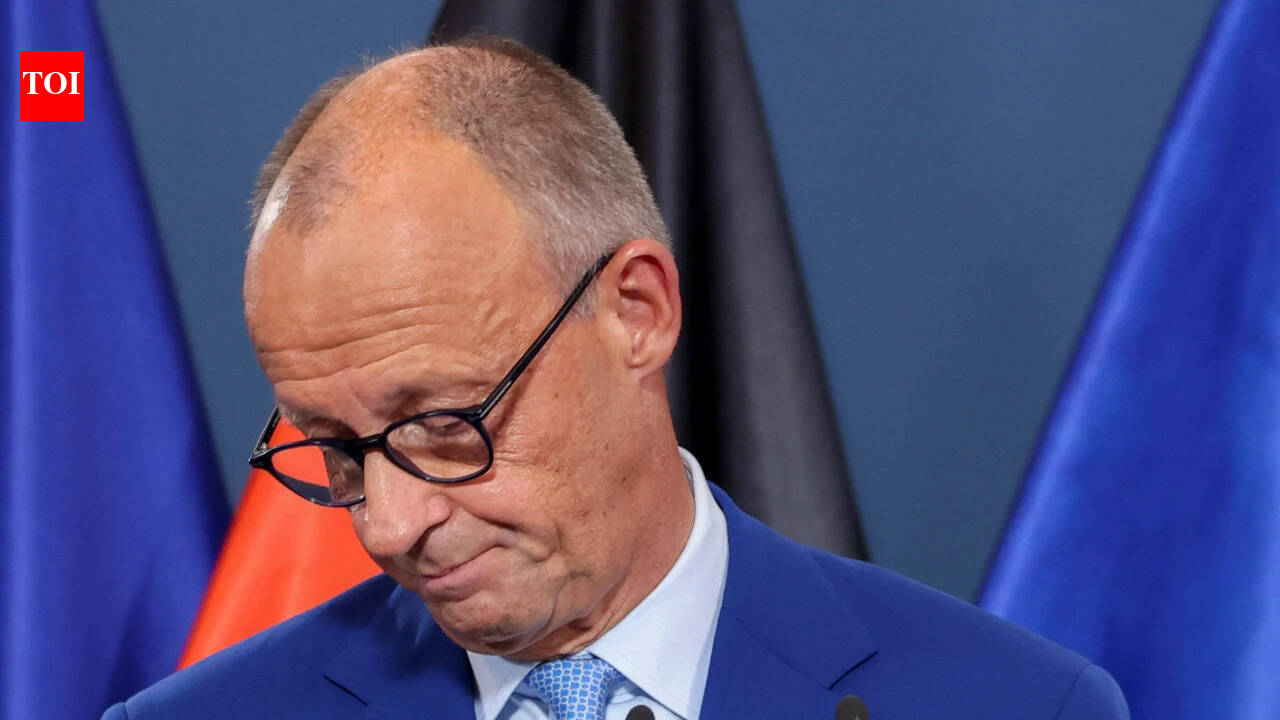
Germany’s beleaguered leader, Friedrich Merz, has sought to shore up support for his flagging chancellorship among senior members of his conservative party after its drubbing at the polls in two state elections. asserted
leader → seek → elections
Merz, who has vowed his fractious coalition government will plough ahead with an unpopular reform agenda, held an early meeting in Berlin with the Christian Democratic Union (CDU)’s leadership on Monday. asserted
government → vow → Monday
Germany faces political uncertainty as Merz, 70, clings to power in the aftermath of three hefty defeats this month, which saw the CDU ousted from a state parliament for the first time ever and the far-right and far-left making strong gains at its expense. asserted
right → face → expense
The embattled Merz vowed to keep on fighting on Sunday, election day in Berlin and the coastal northern state of Mecklenburg-Western Pomerania. asserted
Merz → vow → Pomerania
But after the far-right Alternative für Deutschland (AfD) emerged victorious in Mecklenburg for the third time in a German state, securing 38%, his position looked increasingly fragile. asserted
position → emerge → %
The anti-immigration, pro-Russia AfD’s leaders on Monday predicted that Merz would be out of office in months, as they set their sights on securing victory at the next federal election in 2029. asserted
they → predict → 2029
“The chancellor certainly won’t make it to the end of the year,” Leif-Erik Holm, the AfD’s top candidate in Mecklenburg, said. asserted
Holm → make → Mecklenburg
“I think the twilight of the chancellor’s era has begun.” asserted
twilight → think → era
Merz described the results as a “disaster”, in particular the CDU’s ejection from the state parliament of Mecklenburg-Western Pomerania where it failed to reach the 5% barrier needed, after losing more than half of its voters to the far-right AfD and centre-left Social Democrats. asserted
it → describe → AfD
In Berlin, the CDU fell to second place behind the far-left Linke party, which is on track to lead the next government in the city-state and could give Berlin its first Turkish-born mayor in its lead candidate, Elif Eralp. uncertain
which → fall → candidate
In Mecklenburg, the SPD under its existing state leader, Manuela Schwesig, is expected to lead a three-party coalition government. asserted
SPD → exist → government
Her campaign had focused almost wholly on presenting herself as a buttress against the AfD, as well as distancing herself from the federal government’s reform agenda. asserted
campaign → focus → agenda
Although the CDU’s poor performance had been predicted, Sunday’s outcomes only added to the extreme pressure on Merz already after the CDU’s crushing defeat to the AfD in the state of Saxony-Anhalt two weeks ago, which triggered the first serious speculation over his future as leader. asserted
which → predict → leader
Last week, the CDU’s powerful regional leaders governing in eight states gave their backing to Merz, but questions remain as to how sustained their support will be. asserted
support → govern → Merz
At the same time there appear to be few candidates willing to step up to the post, which is increasingly being viewed as a poisoned chalice. asserted
which → appear → chalice
Karin Prien, education minister and deputy CDU leader, accepted accusations that the government was failing to take voters’ fears seriously enough. asserted
government → accept → fears
But she said the government had no choice other than to continue trying to reform Germany from within, at a time of chronic economic weakness and global instability. asserted
government → say → weakness
“Without support and steadfastness we will not be able to achieve the necessary reforms, which are by no means a given. asserted
which → achieve → means
Nevertheless, not everything can remain as it is,” she told broadcaster Deutschlandfunk. asserted
she → remain → Deutschlandfunk
“The chancellor knows he will have to change, at least in how he addresses the people … asserted
he → know → people
We are a strong country, we have every chance of mastering this challenge together, but I believe that cooperating with each other will be crucial for this, and for the party it means we must broaden our appeal.” asserted
we → have → appeal
Doubts over the efficacy and fairness of the government’s reform agenda – which includes an overhaul of the pension system, a reduction in overbearing bureaucracy and cuts to income tax for the less well-off – played heavily into both election campaigns. asserted
which → include → campaigns
On Monday, SPD leaders said they remained confident in their coalition with the CDU, but said that changes to the agenda were necessary. asserted
changes → say → agenda
Lars Klingbeil, deputy chancellor and finance minister, said: “Saying we will ignore what the voters said to us in three state polls won’t work.” asserted
voters → say → polls
While the country needed reforms, he said, they ”must be fair and they need support in the population.” asserted
they → need → population
Labour minister Bärbel Bas, also of the SPD, said the plans needed a “reality check”, but said “nothing would be more lethal than letting this coalition break apart over some technicality”. Rubbing salt into Merz’s wounds, the Kremlin on Monday waded into the election analysis, calling the AfD’s win in Mecklenburg a response to Berlin’s refusal to buy cheap Russian gas, which has jolted the economy and caused prices to soar, contributing to voter dissatisfaction. asserted
prices → say → dissatisfaction
Kremlin spokesperson Dmitry Peskov said: “Naturally, Germans, or at least some of them, are looking for an alternative to the current authorities in order to improve their situation. asserted
Germans → say → situation

💬Give feedback
🕘History 🎫Support