That is 0 articles you have read today.
The Aporia is free and carries no advertising, so readers are the only
thing paying for it. If you are getting this much out of it, a small
donation is what keeps it independent.
Daily limit reached
You have read 0 articles today.
That is more than the 15 a day The Aporia gives away,
and well past what it can carry on nothing. Your allowance resets at
midnight.
There is no advertising here and nothing about you is sold, so readers
are the only thing paying for it. If the site is worth this much of
your day, it is worth a few dollars.
Everything else stays open: the
maps, the
directory and
search do
not count against this, and neither does re-opening something you have
already read today.
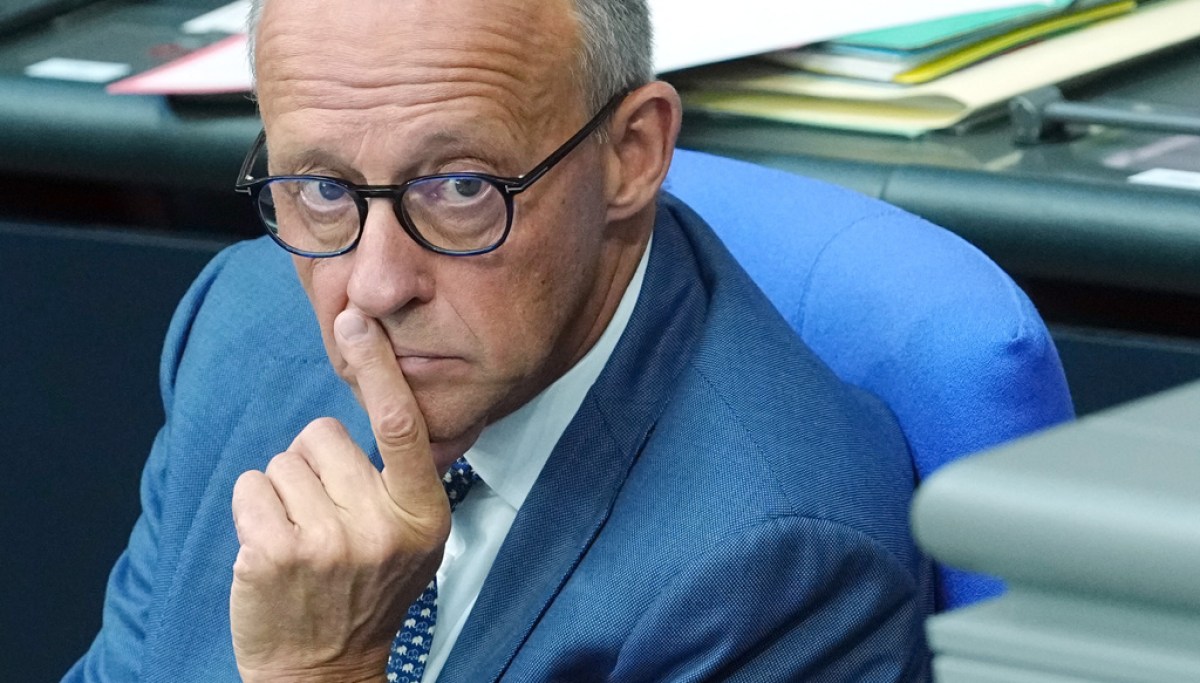
German Chancellor Friedrich Merz stated his commitment to maintaining the coalition between his Christian Democratic Unionist (CDU) party and the Social Democratic Party (SPD) despite recent electoral setbacks. Following two state elections where the far-right Alternative for Germany (AfD) made significant gains, Merz described these results as a "profound turning point" but denied that his personal unpopularity was solely responsible. He faces increasing pressure to step down due to declining approval ratings and rumours of potential replacement mid-term.
Written locally by qwen2.5:14b on 2026-09-21,
using this article's own text rather than the other coverage of the
same event (that is the story summary below).
Story summary
Chancellor Friedrich Merz faces significant pressure as voters in Berlin and Mecklenburg-Western Pomerania go to the polls on Sunday, following the far-right AfD's major victory in Saxony-Anhalt just two weeks prior where it won nearly 44% of the vote compared to the CDU’s 17%. With about 3.8 million voters eligible across both states, the AfD is expected to make substantial gains at Merz’s expense, potentially undermining his ability to push through promised economic reforms. Polls indicate that Merz's approval ratings have fallen to around 14%, and his CDU party risks losing its status as the largest party in Berlin and falling below the threshold for representation in Mecklenburg-Western Pomerania. These outcomes could further jeopardize Merz’s leadership, especially given the CDU’s recent struggles with unpopular reforms and low public approval.
Written for “German State Elections And Chancellor…” on 2026-10-05,
grounded in this article and the 40 other(s) covering the same event.
- Published
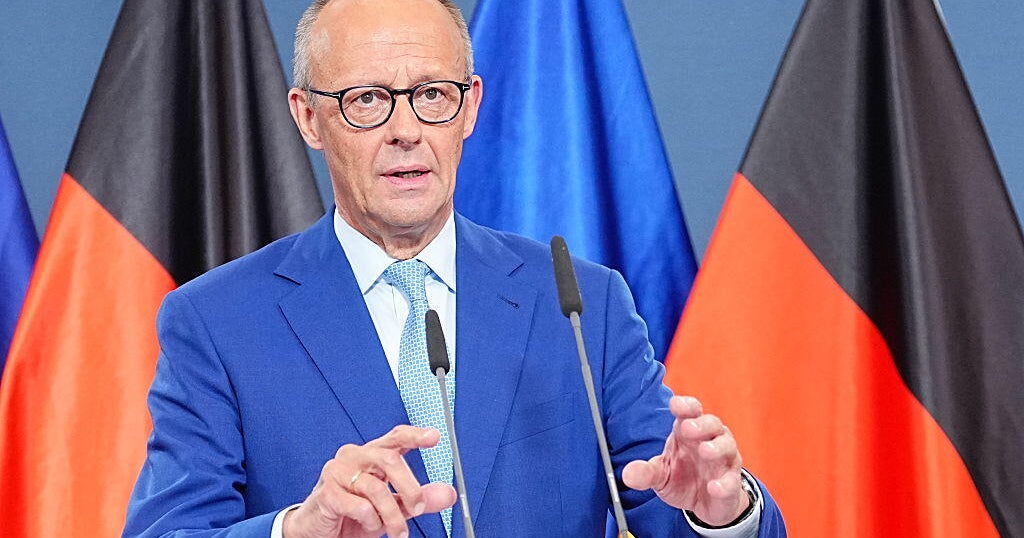
German Chancellor Friedrich Merz says he will keep his ruling coalition together for the sake of his country's "democratic future", following resounding defeats for his party in two state elections.
asserted
he → publish → elections
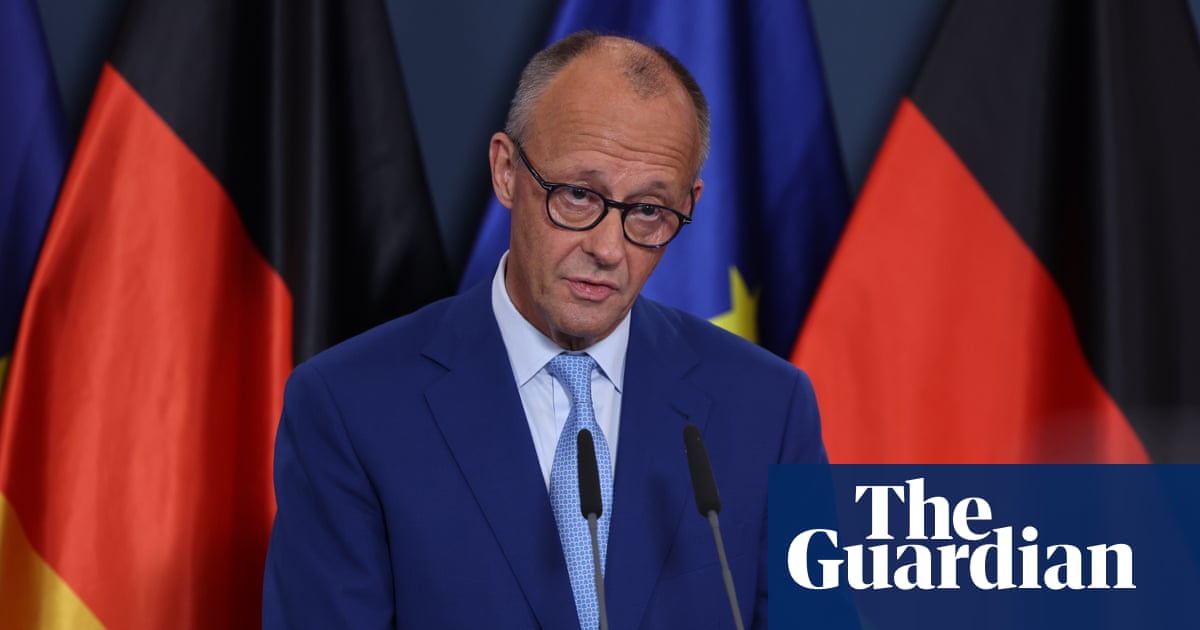
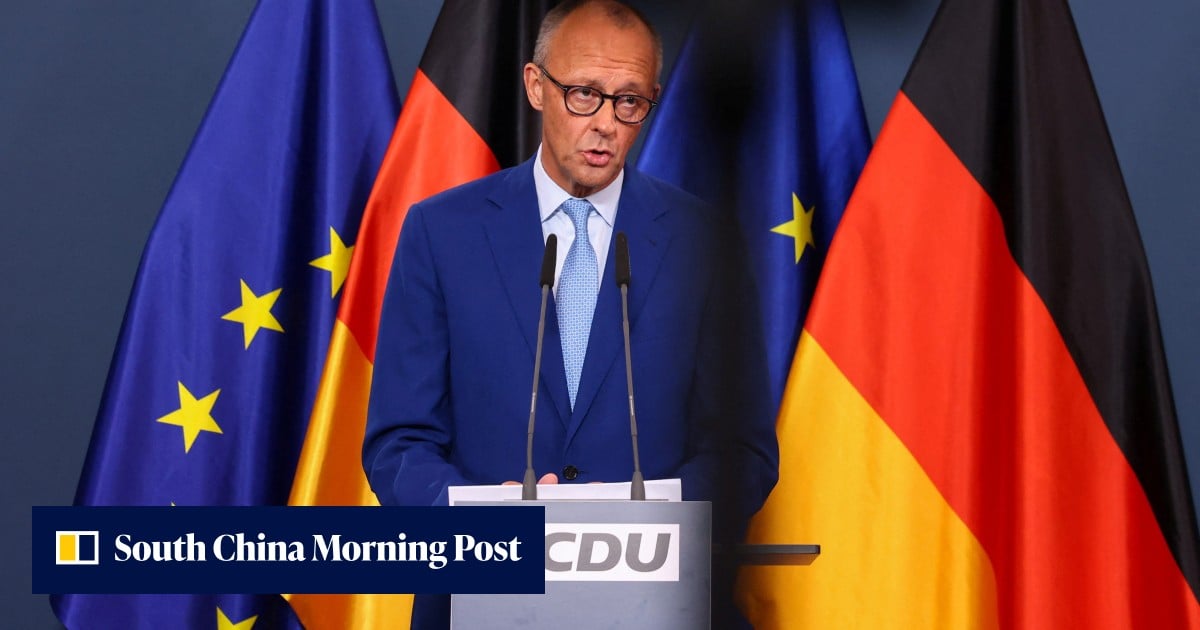
"We are determined to live up to the historic challenges our country is facing," Merz said, referring to the coalition between his Christian Democratic Unionist (CDU) party and the Social Democratic Party (SPD).
asserted
Merz → determine → party
Merz's position has come under mounting pressure after Sunday's election results.
asserted
position → come → results
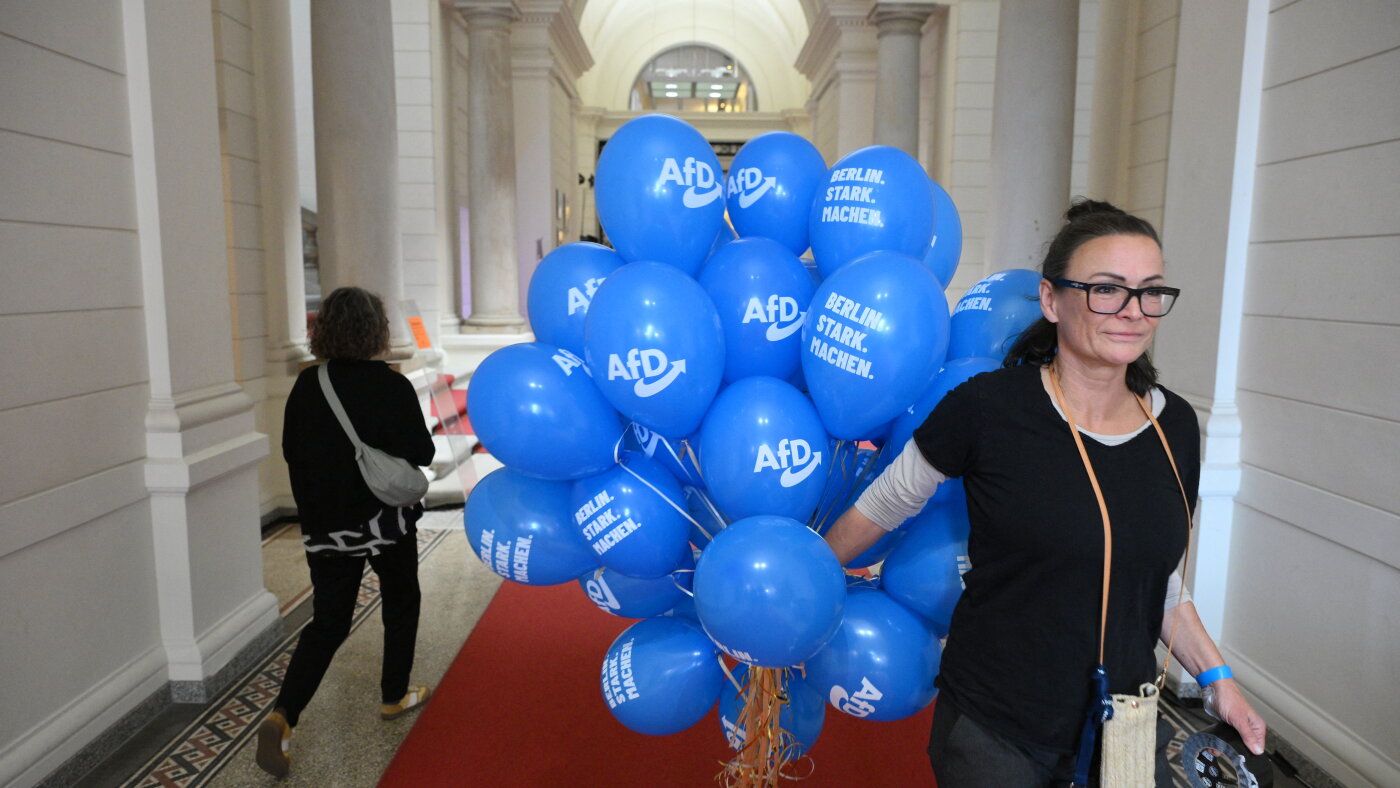
In the north-eastern Mecklenburg-Vorpommern, the far-right Alternative for Germany (AfD) party won the most votes, with the CDU failing to reach the threshold to even enter the state parliament.
asserted
CDU → win → parliament
Meanwhile in Berlin, the CDU came second to the hard-left Die Linke party, with the AfD also making significant gains.
asserted
AfD → come → gains
Speaking at the news conference on Monday, Merz described the result in Mecklenburg-Vorpommern as "a heavy blow".
"This election is a profound turning point.
asserted
election → speak → blow
It is a dramatic, unprecedented result for the CDU in Germany," he said.
asserted
he → say → Germany
He however pushed back against the idea that his low popularity ratings were behind the election defeats.
asserted
ratings → push → defeats
"The reasons for these election results go far beyond my own person," he insisted.
asserted
he → go → person
Merz is under mounting pressure after months of poor approval ratings, and there have been rumours he could be replaced mid-term in a so-called chancellor swap.
uncertain
he → mount → swap
Asked earlier on Monday how long Merz has left in office, the AfD's co-leader Alice Weidel told the BBC: "Pretty soon, he's going to leave."
asserted
he → ask → BBC
The two local elections took place on Sunday, a fortnight after the CDU saw its vote halved in the state of Saxony-Anhalt, where the AfD won a major victory.
asserted
AfD → take → victory
 The Aporia