That is 0 articles you have read today.
The Aporia is free and carries no advertising, so readers are the only
thing paying for it. If you are getting this much out of it, a small
donation is what keeps it independent.
Daily limit reached
You have read 0 articles today.
That is more than the 15 a day The Aporia gives away,
and well past what it can carry on nothing. Your allowance resets at
midnight.
There is no advertising here and nothing about you is sold, so readers
are the only thing paying for it. If the site is worth this much of
your day, it is worth a few dollars.
Everything else stays open: the
maps, the
directory and
search do
not count against this, and neither does re-opening something you have
already read today.
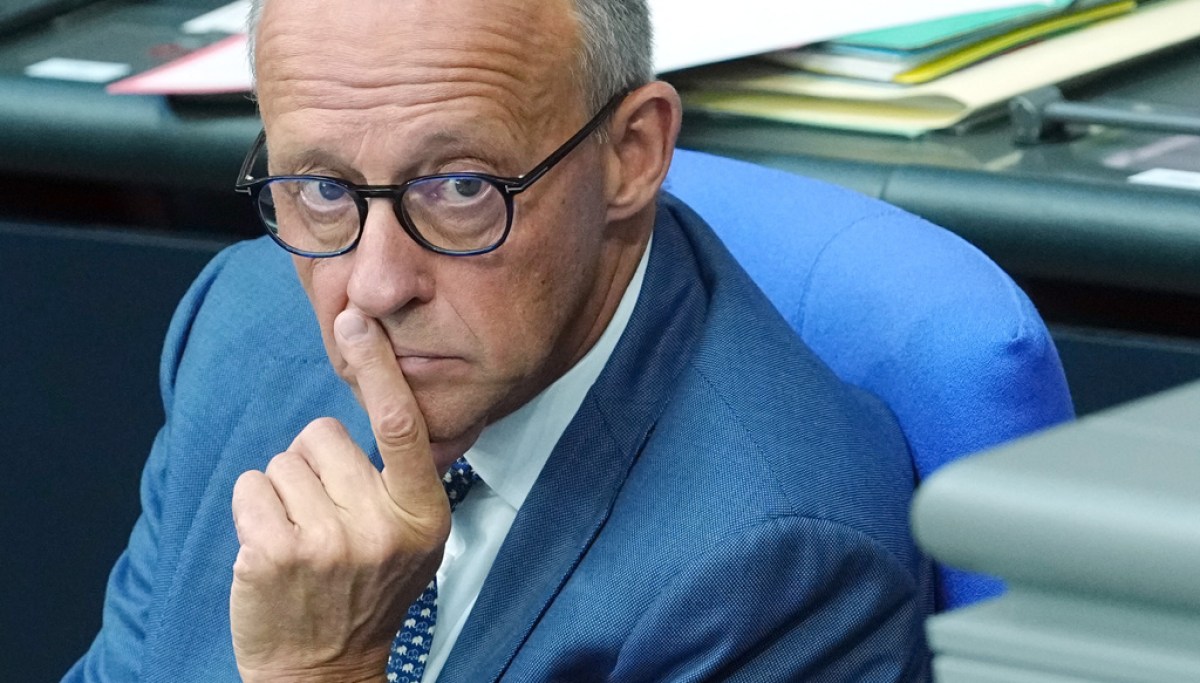
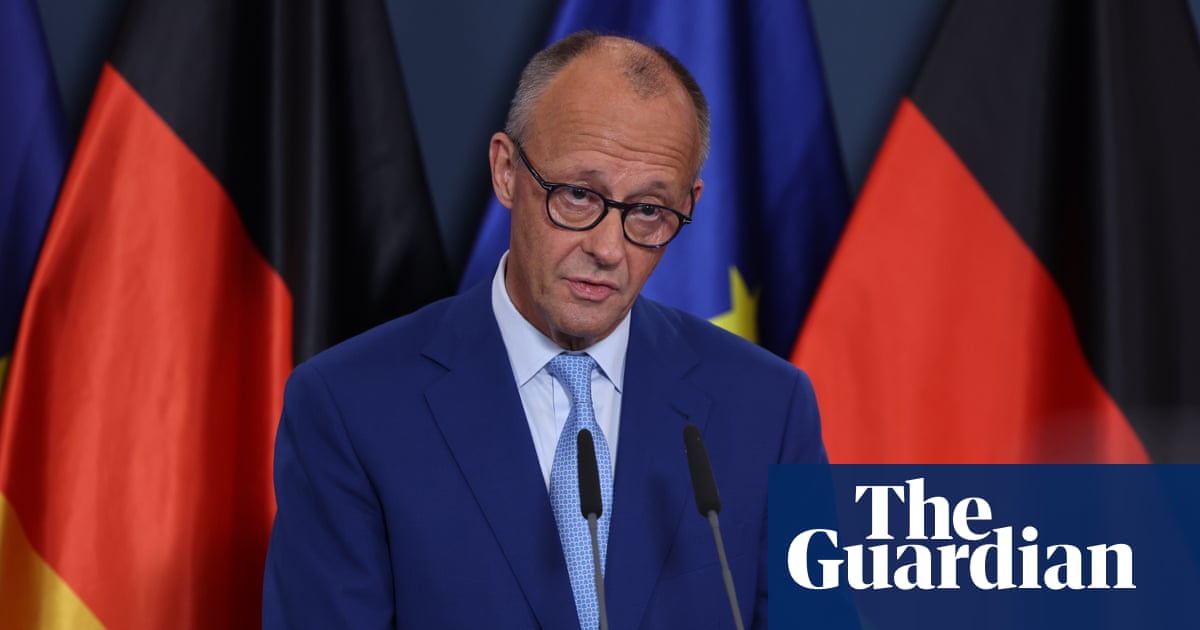
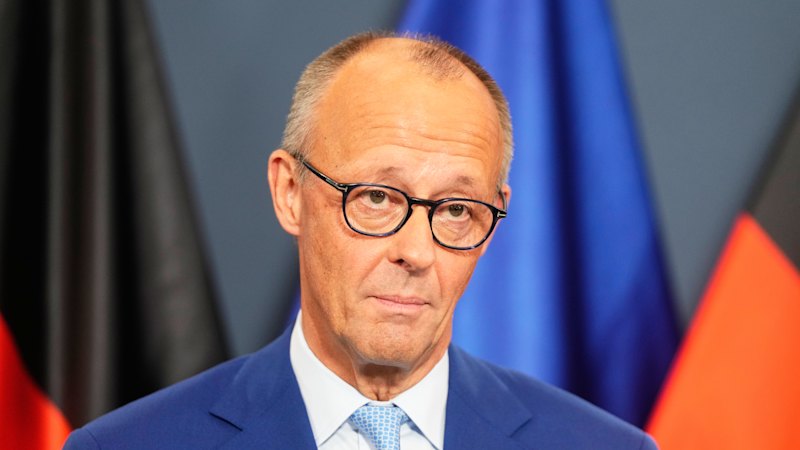
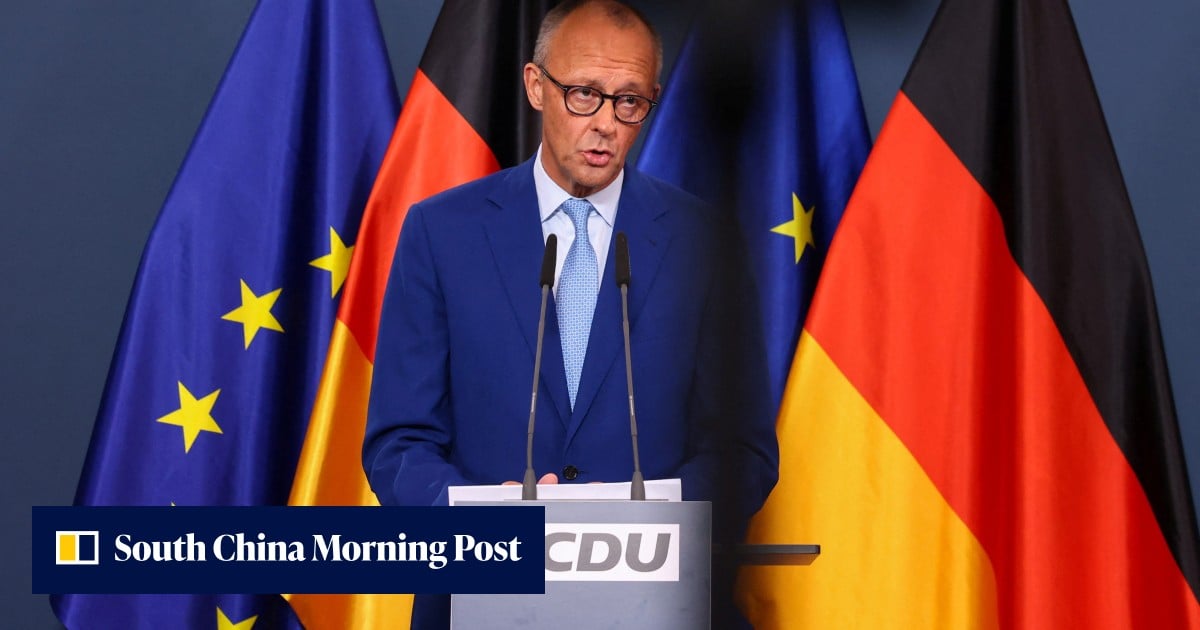
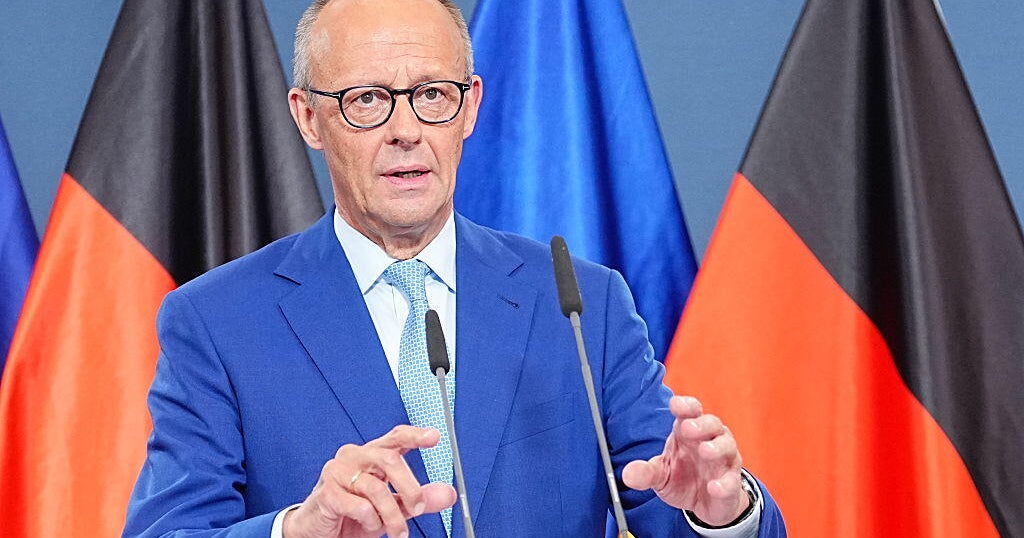
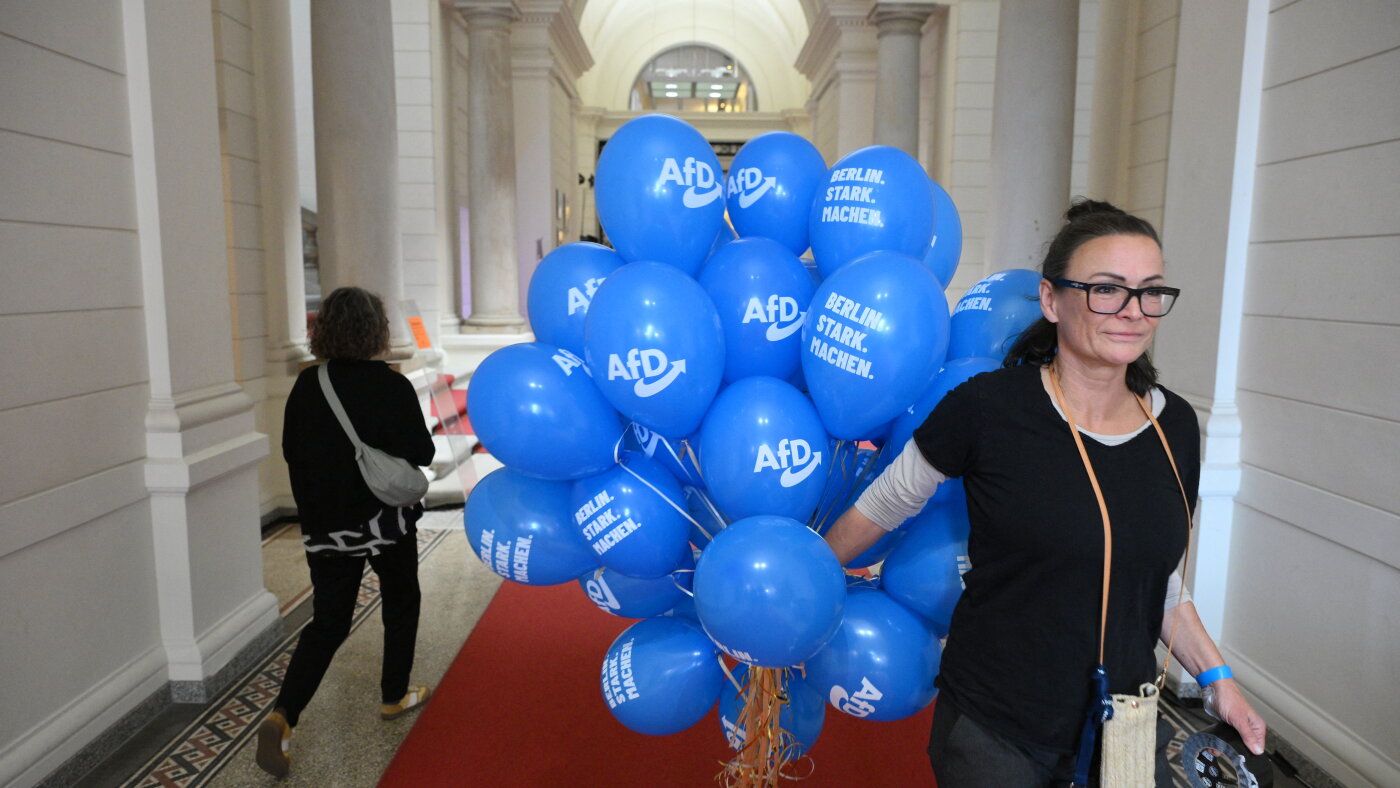
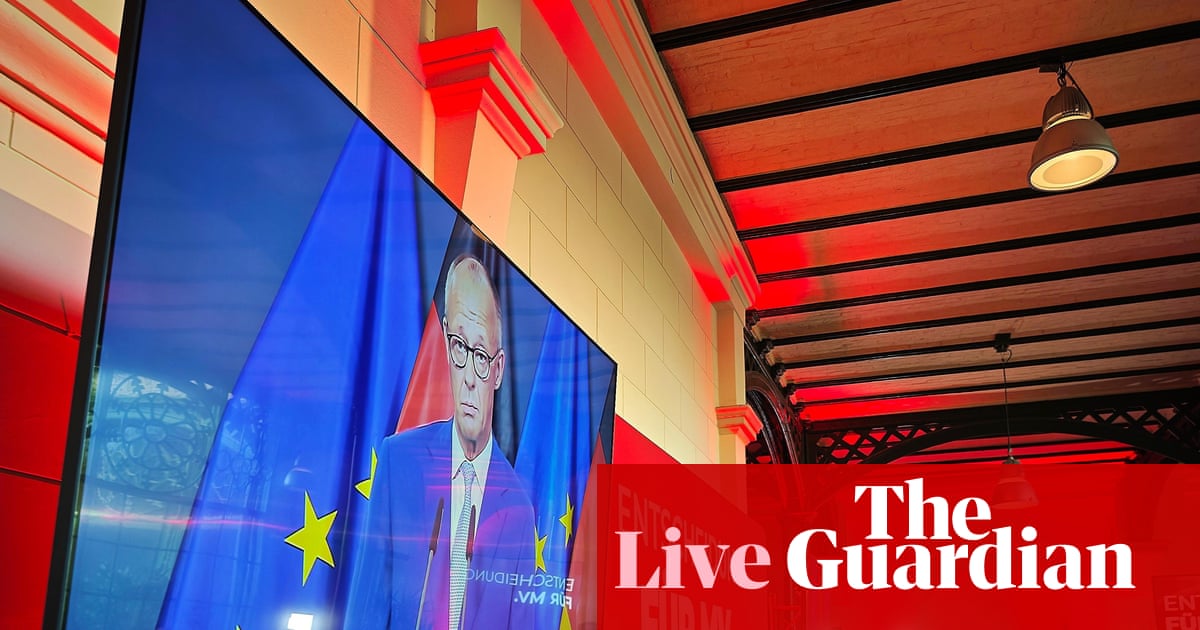
In Sunday's regional election, Alternative for Germany (AfD) won 38% of the vote in Mecklenburg-Western Pomerania, significantly ahead of Chancellor Friedrich Merz’s Christian Democratic Union, which received only 4.9%. This follows a previous AfD victory in Saxony-Anhalt earlier this year, further undermining Merz's position despite his assertion that he will remain steadfast as chancellor. Merz described the latest results as a "disaster," while AfD leader Alice Weidel called it "catastrophic" for Merz’s CDU.
Written locally by qwen2.5:14b on 2026-09-21,
using this article's own text rather than the other coverage of the
same event (that is the story summary below).
Story summary
Chancellor Friedrich Merz faces significant pressure as voters in Berlin and Mecklenburg-Western Pomerania go to the polls on Sunday, following the far-right AfD's major victory in Saxony-Anhalt just two weeks prior where it won nearly 44% of the vote compared to the CDU’s 17%. With about 3.8 million voters eligible across both states, the AfD is expected to make substantial gains at Merz’s expense, potentially undermining his ability to push through promised economic reforms. Polls indicate that Merz's approval ratings have fallen to around 14%, and his CDU party risks losing its status as the largest party in Berlin and falling below the threshold for representation in Mecklenburg-Western Pomerania. These outcomes could further jeopardize Merz’s leadership, especially given the CDU’s recent struggles with unpopular reforms and low public approval.
Written for “German State Elections And Chancellor…” on 2026-10-05,
grounded in this article and the 40 other(s) covering the same event.
Claims extracted
19
claim-shaped sentences
Uncertain
11%
2 of 19 hedged
Leaning
Leans left
of the writing, not the subject · beta estimate
Correction & hedging signals
72.3
corrections and hedging in what we collected;
not a measure of accuracy
Outlets on this story
41
Politics
Narrative spread
1
articles carrying this framing
Germany’s right-wing Alternative for Germany party won its second regional election in a major victory on Sunday, dealing another blow to the country’s embattled, center-right Chancellor Friedrich Merz.
asserted
party → win → Chancellor
AfD won in Mecklenburg-Western Pomerania’s elections on Sunday with 38% of the total vote.
asserted
AfD → win → vote
The Social Democratic Party on the Left came in second with 35% of the vote, while Merz’s Christian Democratic Union received just 4.9%.
asserted
Union → come → %
“We can’t sugarcoat the results in Mecklenburg-Western Pomerania,” Merz said.
asserted
Merz → sugarcoat → Pomerania
“It’s a disaster.”
asserted
It → ’ → ?
The electoral result in the northeastern German state comes as the second win for AfD and second blowout loss for Merz’s center-right party in this year’s elections.
asserted
result → come → elections
Earlier in September, the AfD won in Saxony-Anhalt with 43.8% of the vote, compared to Merz’s 17.2% and the Social Democrats’ 9.3%.
asserted
AfD → win → %
Despite his losses, Merz is maintaining a positive outlook on the work he is doing leading Germany, and he vowed to remain “steadfast” in his agenda.
asserted
he → maintain → agenda
“These reforms are the antidote to the poison of authoritarianism,” Merz said on Sunday.
asserted
Merz → say → Sunday
“What needs to be done now requires backbone, steadfastness, and patience.”
asserted
needs → need → backbone
“I will demonstrate these qualities as chairman of the CDU and, above all, as chancellor of our country,” Merz continued, noting his decision to remain in office.
asserted
Merz → demonstrate → office
German intelligence considers the AfD an extremist group in some regions of the country, according to the Associated Press.
uncertain
AfD → consider → Press
Merz slammed the party in the wake of the Saxony-Anhalt results, claiming the AfD is promoting “ethnic cleansing” in its staunch policy campaign against illegal immigrants.
asserted
AfD → slam → immigrants
Merz told the AfD in a parliamentary debate that its hailed “remigration” policy is “nothing other than ethnic cleansing by skin color and origin.”
asserted
policy → tell → color
The AfD won 20.8% of the vote in the February 2025 elections, making it the largest opposition party in the German parliament and giving it the most parliamentary seats of any right-wing party in Germany since the Nazis, according to the American Jewish Committee.
uncertain
it → win → Committee
While Merz is holding on to his leadership role and bashing the results as a “disaster,” AfD leaders are calling the results “catastrophic” for Merz’s CDU.
AfD leader Alice Weidel said the CDU party will “have to think very carefully about whether it can continue with this firewall” around the right wing and the AfD.
asserted
it → hold → AfD.
President Donald Trump had praised the AfD on Truth Social after its win in early September, saying the party is “ON THE RISE”
“Wow!
asserted
party → praise → RISE
The Populist Party in Germany just had a really big night.
asserted
Party → have → night
They finally got tired of the absolutely horrible Immigration rules and regulations which have hurt Germany so badly,” Trump said following the party’s initial win in Saxony-Anhalt.
asserted
Trump → get → Anhalt
 The Aporia