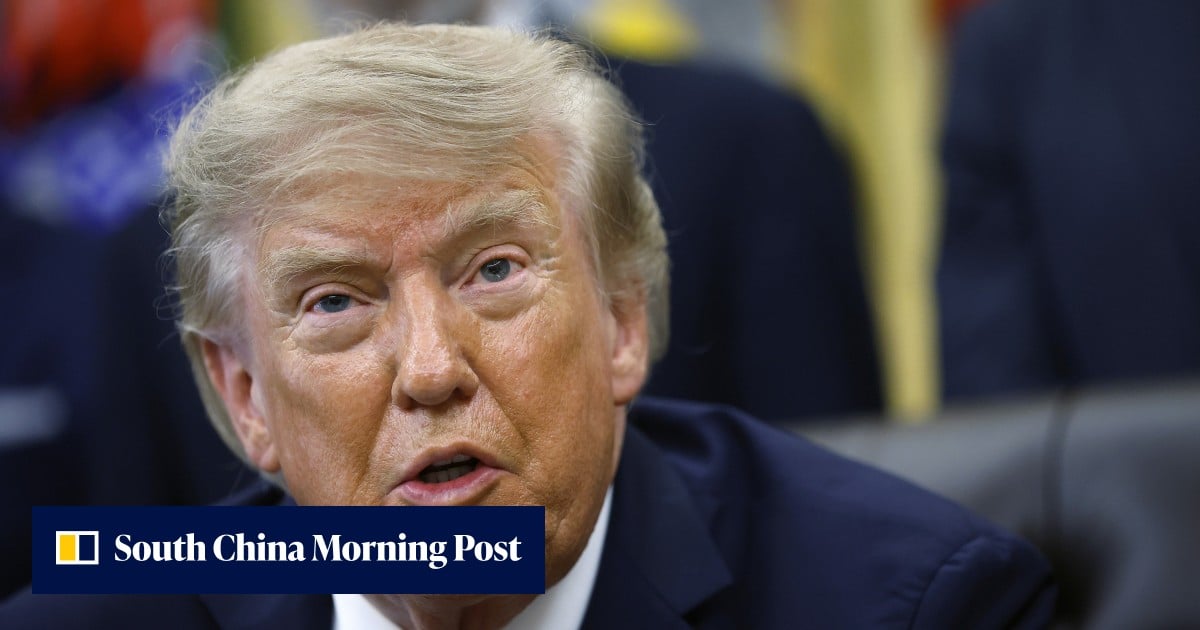
Why US chip controls took a back seat at the Xi-Trump summit

Read the original at South China Morning Post ↗
South China Morning Post · collected 2026-09-26 · by Vincent Chow

Quick Summary

During Chinese President Xi Jinping's state visit to Washington, US semiconductor chip export controls did not emerge as a major issue despite their ongoing impact on Sino-US relations. The article notes that although top American tech executives were present at high-level meetings, no concrete progress was reported regarding easing these restrictions. Official statements from both countries have omitted any mention of the export control measures as key topics in their discussions.
Written locally by qwen2.5:14b on 2026-09-26, using this article's own text rather than the other coverage of the same event (that is the story summary below).

AI analysis runs on qwen2.5:14b, locally

Story summary

Before the Xi-Trump summit last week, analysts expected soybeans to be included in tariff-reduced arrangements between China and the U.S., but China excluded them from a tariff-reduction list released on September 28, 2026, despite cutting tariffs on other agricultural goods like corn, wheat, meat, and dairy. This decision disappointed American farmers, such as John Bartman, an Illinois-based soybean farmer who called it "a missed opportunity." U.S. soybeans still face an additional tariff of 10%, which traders say is too high for private crushers to absorb, even as Chinese state buyers have stepped up purchases. Despite this exclusion, both sides agreed to form a trade council to discuss reciprocal tariff cuts on $30 billion worth of products and stabilize economic ties.
Written for “US-China Tariff Cuts Deal” on 2026-10-05, grounded in this article and the 283 other(s) covering the same event.

Signals How these are calculated →

Claims extracted
5
claim-shaped sentences
Uncertain
40%
2 of 5 hedged
Leaning
Leans left
of the writing, not the subject · beta estimate
Correction & hedging signals
66.6
corrections and hedging in what we collected; not a measure of accuracy
Outlets on this story
284
Economy/Business
Narrative spread
1
articles carrying this framing
Analyzed 2026-09-26 · how these are computed

Story

📰 US-China Tariff Cuts Deal
Economy/Business · 284 article(s) covering the same event. See how they differ ↓

How this is being covered How these are calculated →

Article leaning vs. publisher reliability
Source leaning vs. consistency

Compared with similar articles

This article reads leans left and hedges 40% of its claims. Each row says how that neighbour differs.
South China Morning Post
⚖️ Leans right further right than this 🔴 0% hedged 0 of 4 📰 publisher trust 67
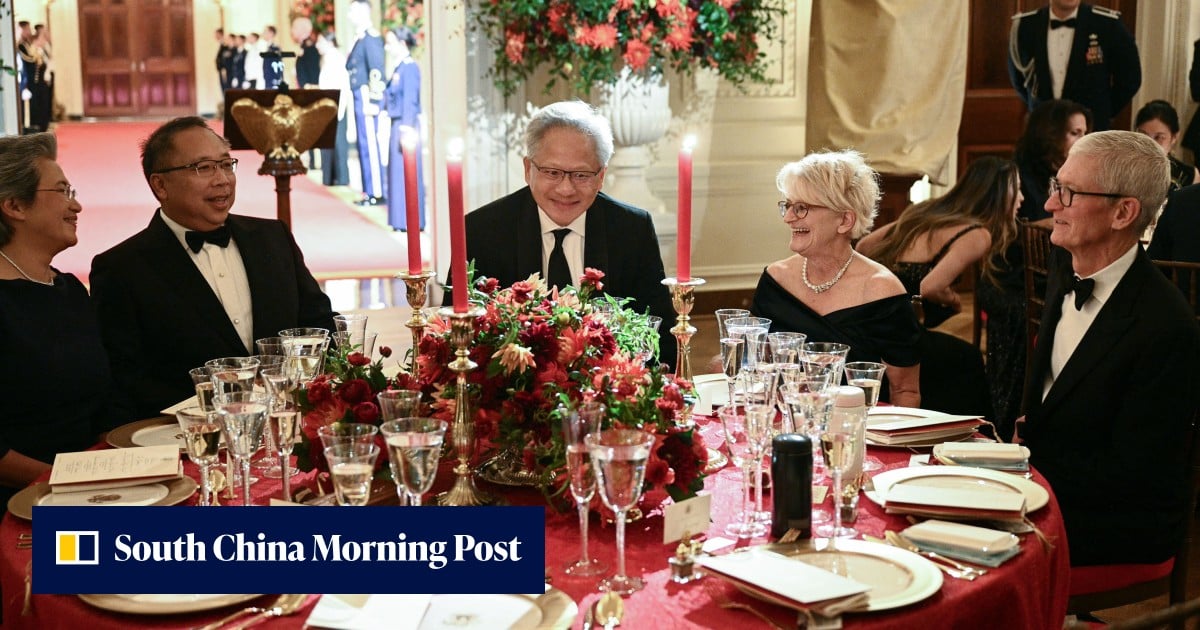
“Both articles describe the Xi-Trump dinner at the White House on the same date, mentioning the presence and seating arrangement of US tech executives.”
ABC News (AU)
⚖️ Leans left 🔴 20% hedged 7 of 35 📰 publisher trust 61
“Both articles describe the White House state dinner where Xi Jinping, Donald Trump, and key technology leaders were present.”
Toronto Star
⚖️ leaning not scored 🔴 18% hedged 8 of 44 📰 publisher trust 63
“Both articles discuss the meeting between Trump and Xi Jinping at the White House, indicating it is the same specific summit.”
The Straits Times
⚖️ leaning not scored 🔴 11% hedged 4 of 35 📰 publisher trust 59
“Both articles describe President Trump's summit with Xi Jinping in Washington, occurring around the same time and focusing on similar key issues like trade and technology.”
Toronto Star
⚖️ Leans right further right than this 🔴 10% hedged 5 of 49 📰 publisher trust 63
“Both articles discuss the Trump-Xi summit in Washington, covering the same meeting and its outcomes.”
The Sydney Morning Herald
⚖️ leaning not scored 🔴 8% hedged 4 of 49 📰 publisher trust 61
“Both articles discuss the same Xi-Trump summit and White House state dinner, mentioning similar attendees such as American business leaders.”
Toronto Star
⚖️ Leans right further right than this 🔴 15% hedged 6 of 41 📰 publisher trust 63
“While both articles discuss a meeting between Trump and Xi, Article A describes the general context and expectations for their meetings during the state visit, while Article B focuses specifically on semiconductor chip controls at the summit, suggesting different focal points or later developments.”
The Guardian
⚖️ Leans left 🔴 35% hedged 14 of 40 📰 publisher trust 60
“While both articles discuss a meeting or summit between Xi Jinping and Donald Trump, Article A provides an overview of potential topics to be discussed during the summit, while Article B focuses on a specific aspect (US chip controls) that did not take center stage at the event. The articles do not describe the exact same incident.”
Al Jazeera
⚖️ leaning not scored 🔴 13% hedged 4 of 30 📰 publisher trust 60
“While both articles discuss a summit between Trump and Xi, Article A focuses on the general nature and expectations of the summit regarding trust and trade war issues, whereas Article B specifically mentions US chip controls and their absence at the summit, highlighting different aspects of the event.”
Semafor
⚖️ leaning not scored 🔴 0% hedged 0 of 6 📰 publisher trust 95
“While both articles discuss a summit between Xi Jinping and Donald Trump, Article A focuses on the broader theme of competition and cooperation in AI, while Article B specifically addresses semiconductor chip controls. They describe different aspects of the same larger event.”

Publisher

South China Morning Post · 1617 article(s) · 4 correction(s) detected
Running correction rate · 4 correction(s)
2026-10-04
Flight to Okinawa diverts back to Hong Kong after suspected landing gear fault
2026-10-04
Tennessee prisons chief resigning after botched execution of Christa Pike
2026-09-29
Indonesian prison chief suspended over secret VIP compound for inmates
2026-09-28
Trump ‘arms offer’ to China jolts Washington into moves to contain the fallout

Who wrote this

Vincent Chow
5 article(s) here · 1 carrying a prediction
🔮 Trump rejects calls to work with China on AI safety despite Xi summit progress US president won’t collaborate with Beijing to govern AI as it would make it harder for American companies to get ahead in global tech race “Whoever wins superintelligence wins.
🔮 A foreign ministry spokesperson did not say if China would adopt Trump’s preferred term for artificial intelligence but respects the choice of the term US President Donald Trump is pushing for a rebrand of artificial intelligence (AI) — and looking to get the world’s other AI superpower, China, on board.
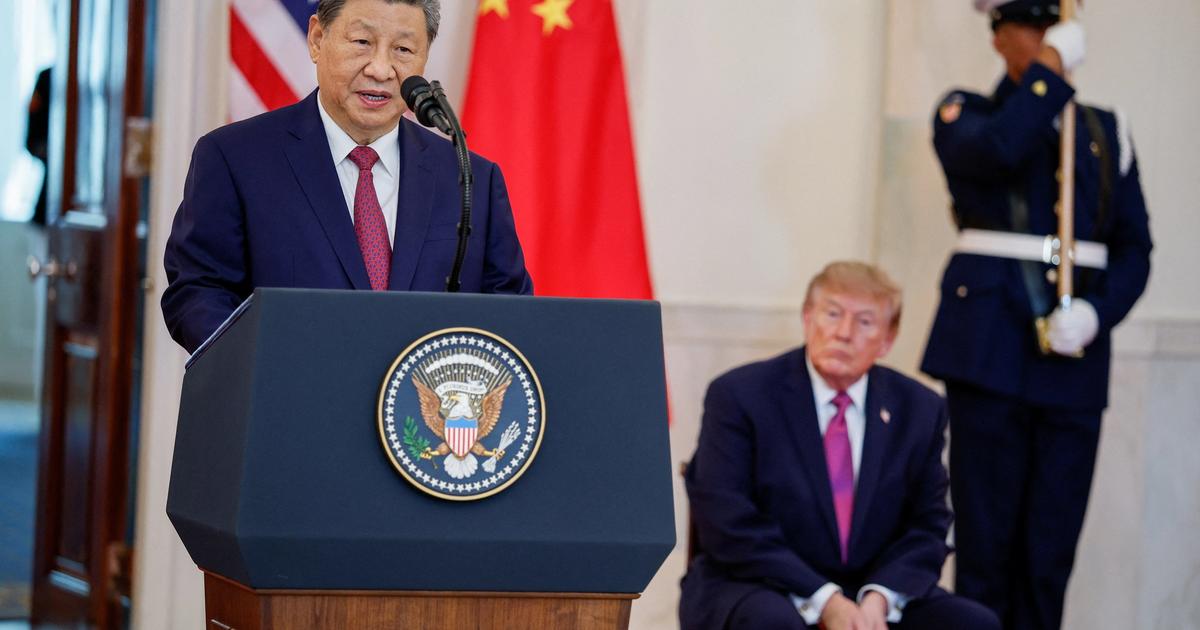
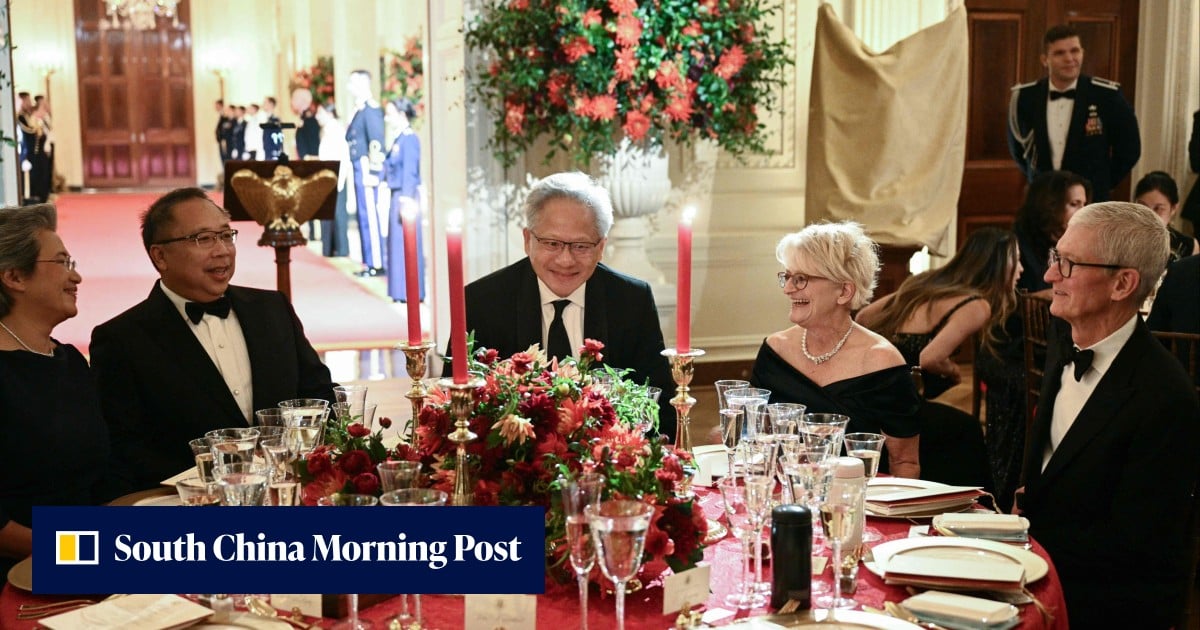
🔮 China’s growing semiconductor self-reliance may explain the relative calm, but looming US measures could put it to the test There is little question that Jensen Huang and Lisa Su, the heads of US semiconductor chip giants Nvidia and Advanced Micro Devices (AMD), had secured two of the best seats in the house at the White House state dinner on Thursday evening: at the head table alongside the two presidents and their wives.
🔮 More than 80 questions sought to uncover potential biases in the landmark criminal case against the Chinese tech giant Known as voir dire, the process allows the presiding judge and two legal teams to question prospective jurors before the trial begins to identify possible bias and conflicts that could impede their ability to adjudicate the case in a “fair and impartial” way.
Also by Vincent Chow
Nothing else under this byline is closely related to this article, so these are simply their most recent.

Topics

Advanced Micro Devices China Chinese Nvidia Washington

Subjects

China GPE · 2× Chinese NORP · 2× Washington GPE · 2× AMD ORG · 1× Advanced Micro Devices ORG · 1× Jensen Huang PERSON · 1× Lisa Su PERSON · 1× Nvidia ORG · 1× White House ORG · 1× Xi Jinping PERSON · 1×

Narrative

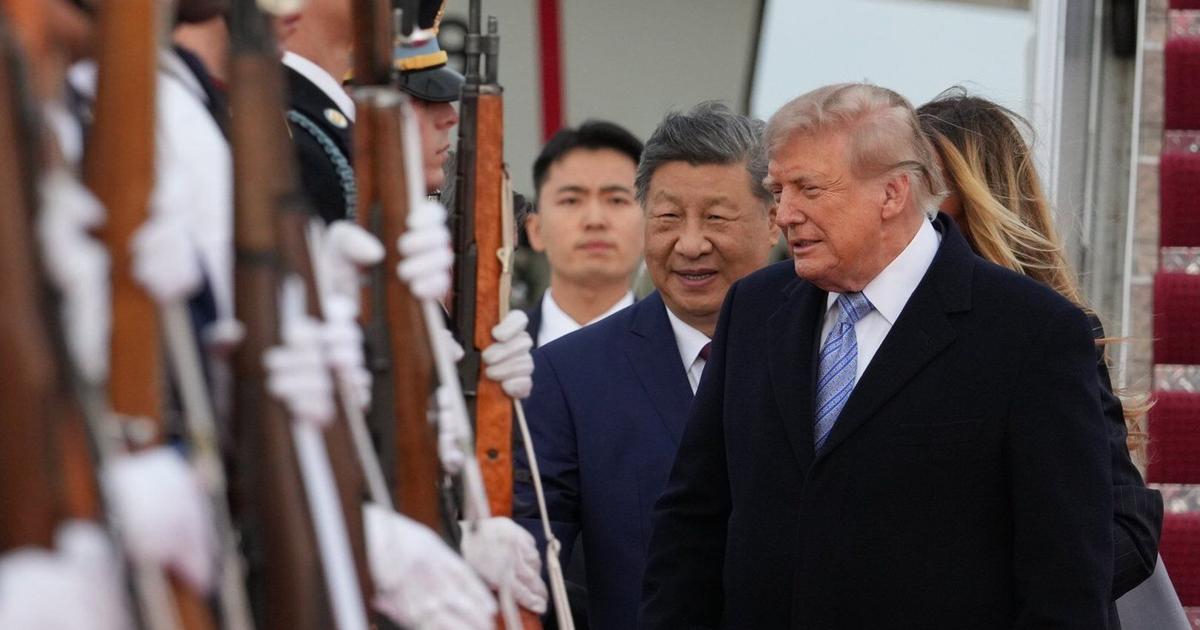
Early indications suggest that export controls were not a significant topic of debate during the talks, with no direct mention of them in the readouts so far from both Beijing and Washington summarising the achievements of the Xi–Trump summit.
framing: mixed · carried by 1 article(s) · first seen 2026-09-26
🔮 China’s growing semiconductor self-reliance may explain the relative calm, but looming US measures could put it to the test There is little question that Jensen Huang and Lisa Su, the heads of US semiconductor chip giants Nvidia and Advanced Micro Devices (AMD), had secured two of the best seats in the house at the White House state dinner on Thursday evening: at the head table alongside the two presidents and their wives.
2026-09-26 · South China Morning Post
Why US chip controls took a back seat at the Xi-Trump summit · mixed framing

Claims (5 extracted, 2 hedged)

Why US chip controls took a back seat at the Xi-Trump summit asserted
controls → take → summit
China’s growing semiconductor self-reliance may explain the relative calm, but looming US measures could put it to the test There is little question that Jensen Huang and Lisa Su, the heads of US semiconductor chip giants Nvidia and Advanced Micro Devices (AMD), had secured two of the best seats in the house at the White House state dinner on Thursday evening: at the head table alongside the two presidents and their wives. uncertain
Huang → grow → presidents
But what remains unclear is how much progress they were able to make on their primary goal of restoring access to the Chinese market, amid entrenched opposition to that happening in both China and the US. uncertain
that → remain → China
That is because US semiconductor chip export controls do not seem to have been a major sticking point during Chinese President Xi Jinping’s historic state visit to Washington this week, despite most of the restrictions still being in place. asserted
most → seem → place
Early indications suggest that export controls were not a significant topic of debate during the talks, with no direct mention of them in the readouts so far from both Beijing and Washington summarising the achievements of the Xi–Trump summit. asserted
controls → suggest → summit
💬Give feedback
🕘History 🎫Support