Photo via Toronto Star

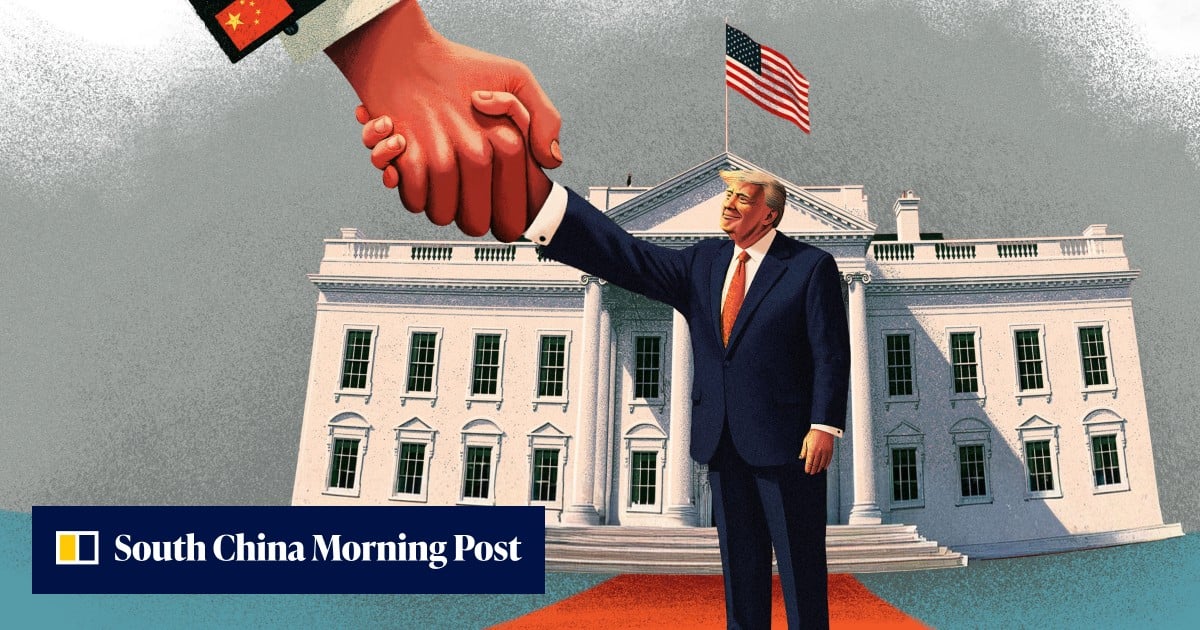
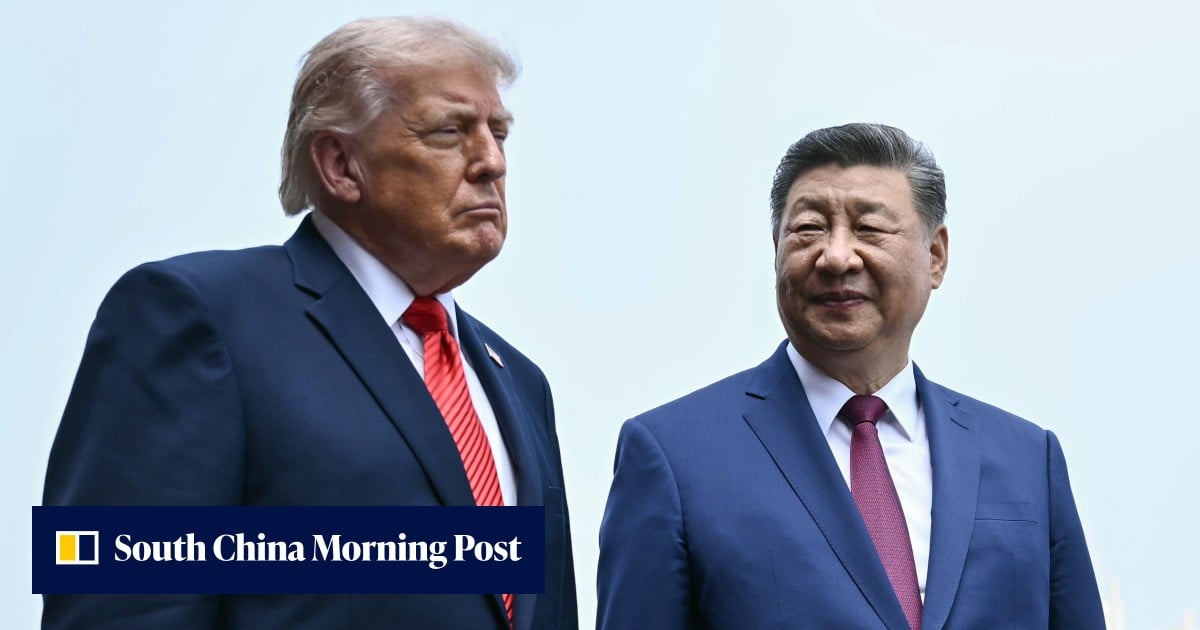
Trump and Xi see tensions flare over AI, trade and Iran but still seek stability

Read the original at Toronto Star ↗
Cite

Tang, D., & Castillo, E. E. (2026, September 22). Trump and Xi see tensions flare over AI, trade and Iran but still seek stability. Toronto Star. https://www.thestar.com/news/world/united-states/trump-and-xi-see-tensions-flare-over-ai-trade-and-iran-but-still-seek-stability/article_b2b77376-6f8c-5c23-b77a-d2a2eb4004b5.html

Dated when The Aporia collected the article, usually within hours of publication. Check the original for its exact date and byline.

Toronto Star · collected 2026-09-22 · by Didi Tang, E. Eduardo Castillo

Quick Summary

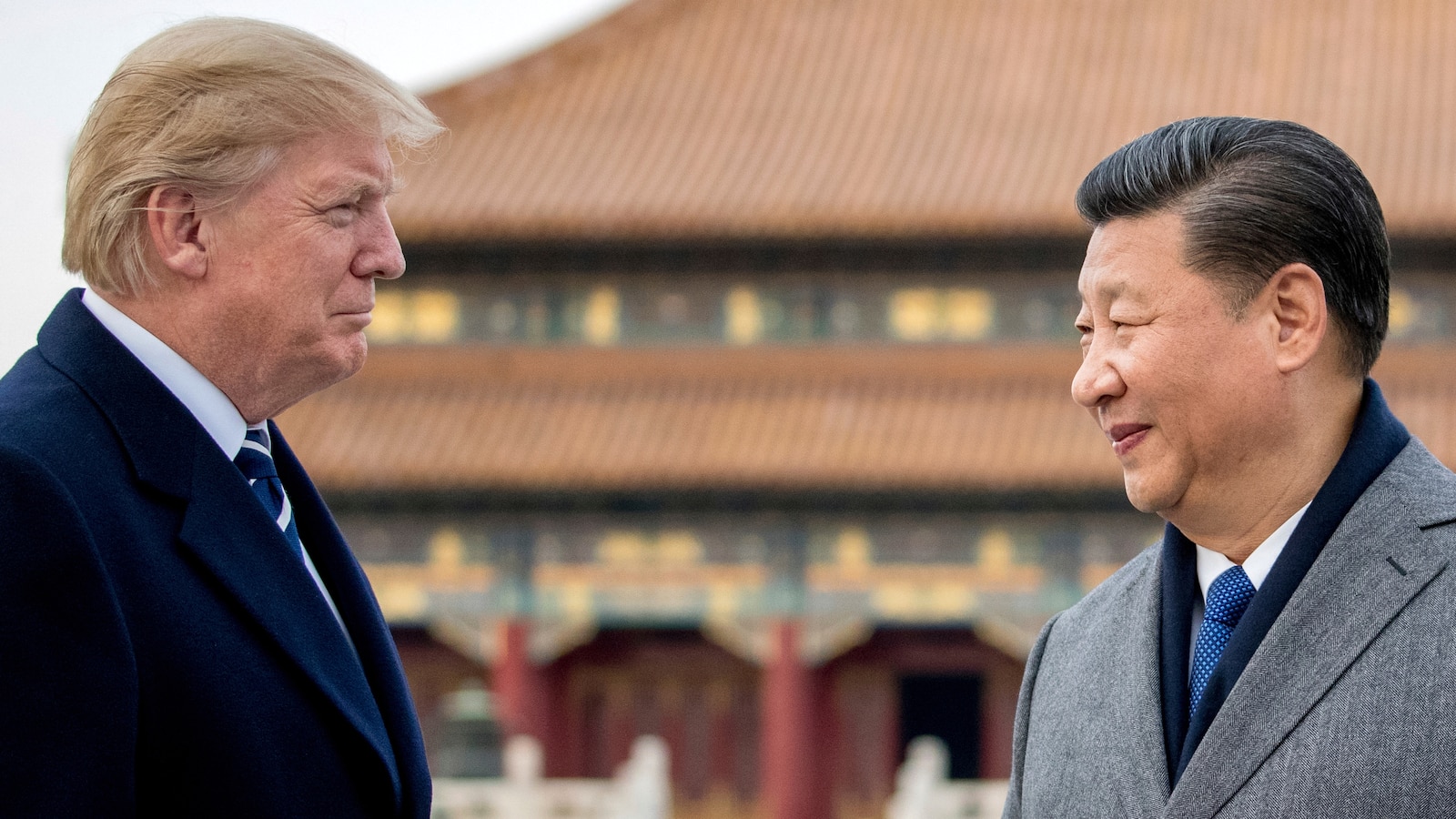
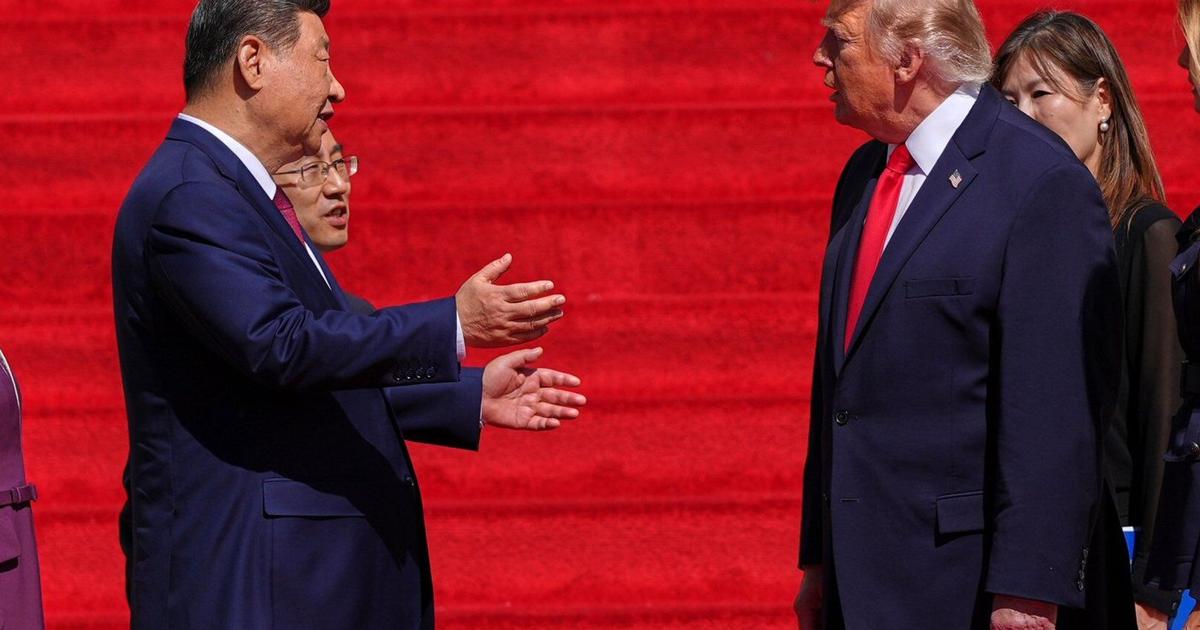
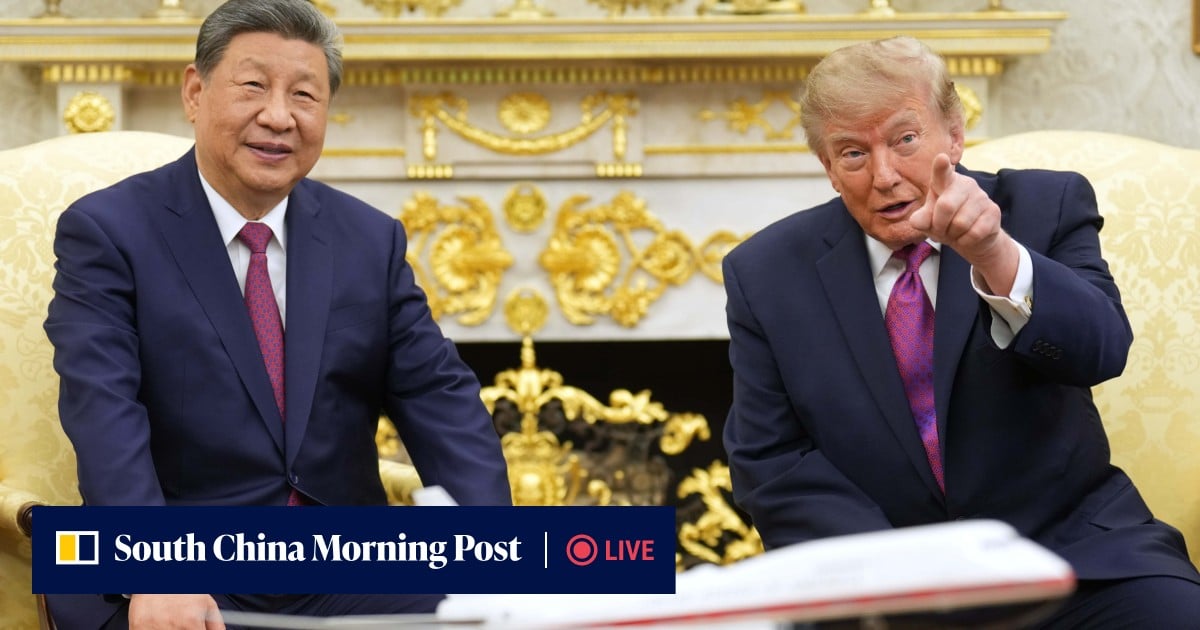
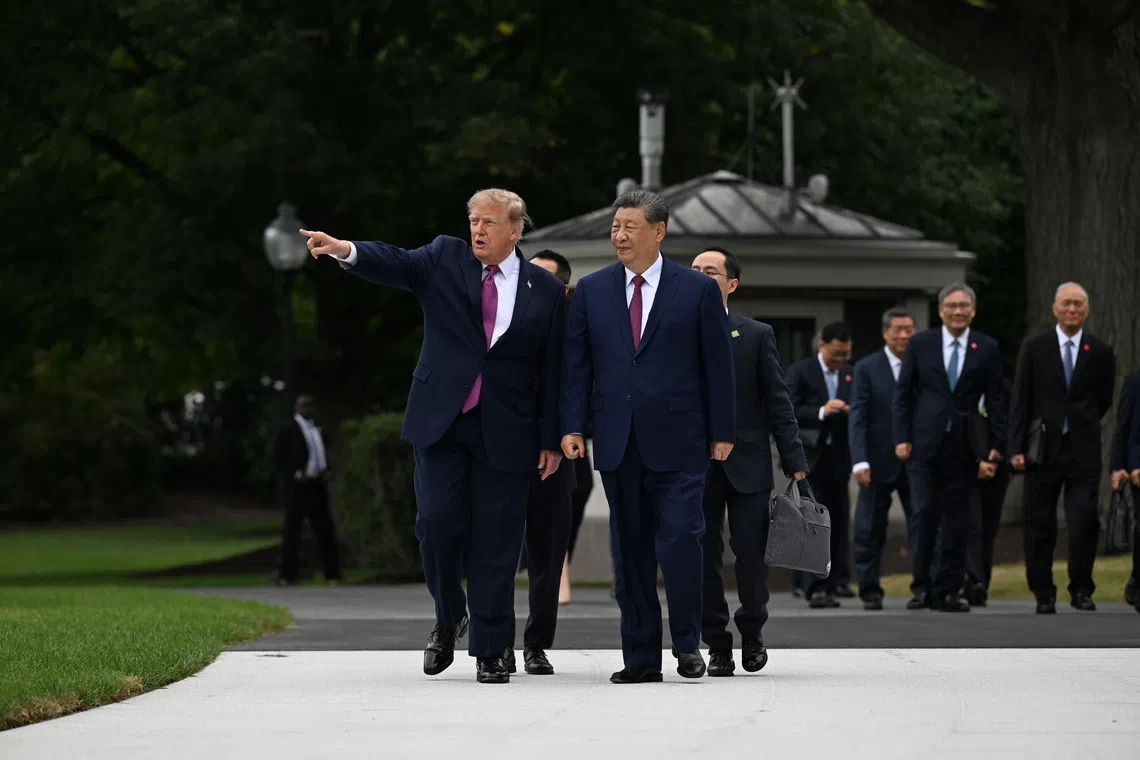
President Donald Trump hosts Chinese leader Xi Jinping in Washington, aiming to maintain diplomatic stability amid escalating economic and technological competition between the world's two largest economies. The visit comes as both nations are engaged in an intense artificial intelligence race while also navigating tensions over trade and geopolitical issues like Iran and Taiwan. Despite previous trade disputes that included high tariffs and restrictions on critical mineral supplies, Trump and Xi plan to pursue cooperation during their meeting to manage ongoing competition and maintain overall stability in their relationship.
Written by AI on 2026-09-22, from this article's own text only (the story summary below draws on all the coverage).
See how they differ ↓

AI analysis

Story summary

The summit between US President Donald Trump and Chinese President Xi Jinping on September 24 focused largely on AI regulation amid escalating tensions over advancements in artificial intelligence technology. The meeting aimed to address mutual concerns about the risks associated with rapid AI development but ended with both sides maintaining their positions, despite attempts by China's Foreign Minister Wang Yi to emphasize "equality" and "reciprocity." Chinese state media highlighted the high-level reception Xi received at the White House as a sign of equality between the two nations, while US officials viewed reciprocity more transactionally. This divergence in interpretation has led to skepticism about whether genuine progress was made regarding AI guardrails or broader diplomatic cooperation.

Written for “Xi-Trump Summit Out comes” on 2026-11-18, grounded in this article and the 282 other(s) covering the same event.

How they differ

29 outlets covered “Xi-Trump Summit Out comes”.

What each outlet says

One AI summary per outlet of its latest article on this story, written from that article alone and checked against it. Open the article for the outlet's own words.

Toronto StarThis outlet22 Sep

President Donald Trump hosts Chinese leader Xi Jinping in Washington, aiming to maintain diplomatic stability amid escalating economic and technological competition between the world's two largest economies. The visit comes as both nations are engaged in an intense artificial intelligence race while also navigating tensions over trade and geopolitical issues like Iran and Taiwan. Despite previous trade disputes that…

Trump and Xi see tensions flare over AI, trade and Iran but still seek stability (this article)12 articles from Toronto Star on this story
South China Morning Post8 Oct

The article discusses how the perception of China as an equal partner to the United States following the Xi-Trump summit is creating unease among other nations like India. While the White House presents a picture of mutual respect and equality between the two countries, there are differing interpretations of what "reciprocity" means for each side. For the US, it involves transactional exchanges where concessions…

The ‘G2’ illusion? After Xi-Trump summit, China wants equality while the US seeks deals →54 articles from South China Morning Post on this story
The Straits Times30 Sep

On September 30, President Donald Trump stated that he discussed the release of political prisoners with Chinese President Xi Jinping during their recent meeting. When asked about specific cases like those of Myanmar scholar and US citizen Min Zin and Hong Kong media tycoon Jimmy Lai, Trump confirmed he brought up these issues and believed they had important discussions. The White House had previously indicated…

Trump says he discussed release of political prisoners with Xi →24 articles from The Straits Times on this story
CBS News26 Sep

During their summit in Washington, President Xi Jinping and President Trump agreed to set up a communication mechanism focused on AI safety issues, with an initial dialogue planned for November. They also continued talks on military crisis communications and trade issues, including extending a tariff truce and committing to reduce some reciprocal tariffs on about $30 billion worth of goods. Despite the lack of major…

Trump and Xi to set up AI safety channel as military, trade talks continue →19 articles from CBS News on this story
Fox News29 Sep

President Trump welcomed Chinese President Xi Jinping with a state visit last week, marking a shift in tone towards warmer relations despite ongoing tensions between the two countries. The meeting produced some concessions from China, such as lowering tariffs on $60 billion worth of goods and increased purchases of specific items like agricultural products and coal. However, experts argue that these benefits are…

Real winner of Xi summit revealed as Trump looks to usher in new era with China →16 articles from Fox News on this story
Show 23 more outlets
Washington Examiner3 Oct

The article discusses how China has used strategic interpretation rather than outright lies to gain an advantage in information warfare against the U.S. and Japan. During a meeting between President Trump and Chinese President Xi Jinping on September 24, both sides agreed to build a relationship based on "reciprocity." However, China translated this term as “对等” (duideng), emphasizing equality rather than mutual…

China twisted Trump’s words — and proved you don’t need lies to win an information war →11 articles from Washington Examiner on this story
Semafor26 Sep

President Trump greeted Chinese leader Xi Jinping at Joint Base Andrews in an unprecedentedly formal manner, marking a shift in the balance of power between the two nations. This change was precipitated by China’s aggressive stance last year when it threatened to restrict rare earth exports to the US after tariffs were imposed. Experts like Rush Doshi and Orville Schell argue that this new dynamic reflects a…

The US-China tectonic plates have shifted →10 articles from Semafor on this story
Times of India27 Sep

President Donald Trump downplayed tensions over Taiwan during his meeting with Chinese President Xi Jinping at the White House, stating that they did not extensively discuss the sensitive issue. Despite this, an arms package worth $14 billion for Taiwan remains unresolved, pending Washington’s approval and in limbo since Trump's earlier meeting with Xi in Beijing. The delay reflects the challenge Trump faces in…

'Xi understands how I feel': Trump says Taiwan not a major point of friction →10 articles from Times of India on this story
The Independent29 Sep

The United States and China have agreed to reduce tariffs on reciprocal lists of non-sensitive products worth approximately $30 billion each following a meeting between Presidents Trump and Xi in Washington. The agreement includes American agricultural commodities and personal care items entering China, as well as Chinese goods such as toys and tableware entering the U.S., with most tariff rates aligning with World…

The $60 billion products receiving tariff cuts after Trump-Xi meeting →10 articles from The Independent on this story
BBC28 Sep

China released details about the recent summit between President Xi Jinping and President Donald Trump, revealing limited concrete outcomes despite warm appearances. The meeting produced agreements on establishing an AI dialogue channel and extending a trade truce until January 10th, but significant issues like rare earth mineral exports and semiconductor restrictions remained unresolved. Beijing emphasized the…

Trump-Xi summit: What wasn't said might matter the most →9 articles from BBC on this story
Daily Mail3 Oct

During President Xi Jinping's visit to Washington, Donald Trump accommodated numerous unusual requests from Xi due to health concerns, including arranging a private rest room in the West Wing for him to use between events. Xi’s physical limitations impacted the schedule significantly; a working lunch with Trump was canceled because of this, leaving an unexpected five-hour gap during his two-day stay. The article…

Xi Jinping's 'unusual' demands of Trump during his US visit are revealed including 'secret' West Wing room for him and his wife... as telling concerns from aides offer rare glimpse of Chinese leader's problems →9 articles from Daily Mail on this story
The Hindu2 Oct

U.S. President Donald Trump and Chinese President Xi Jinping met for a summit aimed at easing tensions between their two nations, resulting in agreements on trade and rare earth minerals but failing to resolve differences over Taiwan and technology. The meeting featured warm public messaging from both sides despite persistent strategic rivalry. Podcast host Sharmada Venkatasubramanian discusses the implications of…

U.S.-China: A new superpower détente? | In Focus podcast →8 articles from The Hindu on this story
Al Jazeera28 Sep

The United States and China have released lists of goods recommended for reduced tariffs following the recent summit between Presidents Donald Trump and Xi Jinping. The agreement covers approximately $30 billion in imports from each country, listing over 1,600 US products and 77 Chinese items to be considered for lower tariffs. Specific products include Chinese electronics, fishing equipment, and decorative goods…

US, China list goods recommended for tariff cuts following Trump-Xi summit →8 articles from Al Jazeera on this story
ABC News (AU)29 Sep

China and the United States have agreed to reduce tariffs on $60 billion worth of goods each, following President Donald Trump's meeting with Chinese President Xi Jinping. The deal includes items like agricultural products, live animals such as emus and whales for breeding purposes, surgical robots, and toys including soccer balls. While both countries claim this will boost trade cooperation, experts note that the…

Emus, robots, whales and balls to have lower tariffs under US-China deal →7 articles from ABC News (AU) on this story
Sydney Morning Herald25 Sep

The White House state dinner for President Xi Jinping lacked the presence of Chinese business executives that marked Xi’s previous visit to Washington in 2015. The summit yielded minimal concrete outcomes beyond extending the trade truce until January and renewing AI dialogue, with promises of more announcements yet to materialize. Noted expert Evan Feigenbaum described the event as "long on performance, short on…

The ‘striking’ difference in how Trump and Xi used their invisible summit →5 articles from Sydney Morning Herald on this story
Deutsche Welle27 Sep

During a high-profile meeting between President Donald Trump and Chinese leader Xi Jinping at the White House, neither official mentioned Taiwan publicly, despite longstanding tensions over the island's status. This omission contrasts with past statements where Xi had previously called on the United States to respect the "one China" policy, which asserts that there is only one China whose government is in Beijing…

No public mentions of Taiwan at official Xi and Trump meeting →5 articles from Deutsche Welle on this story
Dawn28 Sep

China plans to reduce tariffs on a variety of US agricultural products including corn, wheat, meat, and dairy but will maintain existing tariffs on soybeans. The tariff reductions are part of a $60 billion package agreed upon during the recent Washington summit between Chinese President Xi Jinping and former US President Donald Trump. However, despite excluding soybeans from the tariff cuts, state-owned companies in…

China to cut tariffs on US farm goods, but list excludes soya beans →5 articles from Dawn on this story
NPR26 Sep

President Trump welcomed Chinese leader Xi Jinping with cordial events including visits to the National Archives and a state dinner during his stay in Washington. The article discusses the outcomes of their interactions through the perspectives of two former NPR China correspondents, focusing on both achievements and shortcomings of the visit.

Trump gave Xi Jinping a warm welcome. What did the talks accomplish? →4 articles from NPR on this story
The Guardian25 Sep

Donald Trump and Chinese President Xi Jinping concluded their three-day summit in Washington without achieving significant progress on regulating artificial intelligence (AI). Despite the presence of major tech executives at a state dinner, no substantial agreements were made regarding AI development, despite warnings about its potential threats. The visit was marked by ceremonial events rather than concrete policy…

Trump and Chinese president Xi end summit without major agreement on AI →4 articles from The Guardian on this story
CBC26 Sep

During President Xi Jinping’s three-day visit to Washington, China and the United States agreed to reduce tariffs on $30 billion worth of goods in each direction and established a dialogue on artificial intelligence (AI). The tariff reductions apply to various products including agricultural goods, wood, cosmetics, small appliances, toys, and decorations. Both countries also pledged to uphold stability in their…

China, U.S. agree to AI dialogue, tariff cuts on $30 billion in goods during Xi visit →4 articles from CBC on this story
Euronews25 Sep

President Xi Jinping concluded his state visit to Washington on a note of diplomatic harmony, marked by ceremonial events like a tour of the National Archives and a black-tie state dinner attended by major tech industry leaders. During their closed-door meeting lasting 90 minutes, Trump and Xi discussed issues including the Middle East, Ukraine, and North Korea, but neither side has released specifics about trade or…

Trump and Xi declare harmony, no confrontation, as US state visit ends →4 articles from Euronews on this story
Los Angeles Times25 Sep

President Trump's meeting with Chinese President Xi Jinping lacked substantial progress despite grand displays at the White House. Calls for meaningful negotiations on artificial intelligence and trade were unaddressed, while a brief two-month trade truce was agreed upon. The summit highlighted the superficial nature of diplomatic relations between the U.S. and China, where personal interactions take precedence over…

A grand display for Xi reveals the limits of Trump's summitry →3 articles from Los Angeles Times on this story
Global News28 Sep

The United States and China have agreed to reduce tariffs on approximately $30 billion worth of each other's goods following a meeting between President Donald Trump and President Xi Jinping in Washington. The deal includes the reduction or elimination of tariffs on products ranging from American hair care items and medical equipment to Chinese toys, tableware, and glass ornaments. This agreement aims to ease trade…

U.S., China to slash tariffs on goods worth US$30B after Trump-Xi meeting →3 articles from Global News on this story
ABC News (US)29 Sep

The article discusses whether recent talks between former President Donald Trump and Chinese President Xi Jinping have made progress on mitigating risks associated with artificial intelligence (AI). Despite shared concerns about potential catastrophic outcomes from uncontrolled AI advancements, both countries view AI as critical for economic and military competition. Analysts like Sarah Kreps of Cornell University's…

Is the world safer from AI risk after the Trump-Xi summit? →3 articles from ABC News (US) on this story
National Post26 Sep

During President Donald Trump's state visit with Chinese leader Xi Jinping, the two leaders engaged in ceremonial activities and discussions but did not achieve significant policy breakthroughs. The visit included a tour of the National Archives where they viewed historical documents like the Declaration of Independence and the Constitution. Despite no major announcements on contentious issues such as trade or…

Trump, Xi end state visit that was long on pomp, but short on progress →3 articles from National Post on this story
NBC News25 Sep

President Trump offered unprecedented hospitality to visiting Chinese leader Xi Jinping during their summit at the White House, despite Trump's previous criticism of China. The event included multiple red carpet welcomes, a state dinner featuring traditional American-Chinese dishes, and personal gifts like an eagle statue from Trump to Xi. This lavish treatment contrasts with Trump’s earlier rhetoric accusing China…

Trump rolls out red carpets for Xi, though he has portrayed China as a global menace →2 articles from NBC News on this story
The Bulwark24 Sep

Tim Miller interviews Sam Stein about President Xi's visit and discusses issues like the White House’s propaganda machine and midterm election polls. Miller also conducts an interview with Mary Peltola, where she emphasizes her focus on "fish, family, and freedom" for Alaskans and criticizes Dan Sullivan for not protecting them from corporate greed in Washington. The article is presented as a first-person account by…

Sam Stein and Mary Peltola: Cozying Up to Commies and Corporate Elites →
The Globe and Mail25 Sep

This analysis piece explores the state visit of Chinese President Xi Jinping to the United States, where President Donald Trump used significant pomp and ceremony to emphasize a "truly great friendship." While both leaders expressed a desire for the world's two largest economies to work together to avoid friction, the author argues that these positive sentiments cannot mask the underlying fragility of the current…

Morning Update: Trump rolls out the red carpet for Xi →

Compared with similar articles

This article reads leans right and hedges 15% of its claims. Each row says how that neighbour differs.
ABC News (US)
Leans right Hedges 6 of 38 claims Outlet record 67/100
Al Jazeera
Leans right Hedges 5 of 50 claims Outlet record 60/100
Toronto Star
Leans right Hedges 5 of 49 claims Outlet record 64/100
The Guardian
Hedges 11 of 59 claims Outlet record 64/100
South China Morning Post
Hedges 0 of 9 claims Outlet record 62/100
The Straits Times
Hedges 4 of 35 claims Outlet record 64/100
South China Morning Post
Leans left further left than this Hedges 2 of 4 claims Outlet record 62/100
The Hindu
Hedges 1 of 12 claims Outlet record 60/100
Semafor
Leans right Hedges 1 of 5 claims Outlet record 65/100
South China Morning Post
Leans left further left than this Hedges 1 of 3 claims Outlet record 62/100

Story

Xi-Trump Summit Out comes
Politics · 283 article(s) covering the same event. See how they differ ↑
How this article was measured signals, leaning charts, publisher record, byline, topics and claims

Signals How these are calculated →

Claims extracted
41
sentences that state something as happening or true
Uncertain
15%
6 of 41 hedged ("reportedly", "may", "according to")
Leaning
Leans right
of the writing, not the subject · beta estimate
Publisher signals
64/100
Toronto Star's corrections and hedging, across everything collected from it. Not a measure of accuracy.
Outlets on this story
283
Politics
Same framing elsewhere
1
articles that frame the event the way this one does
Analyzed 2026-09-22 · how these are computed

How this is being covered How these are calculated →

Article leaning vs. publisher reliability
Source leaning vs. consistency

Publisher

Toronto Star · 15734 article(s) · 31 correction(s) detected
Running correction rate · 31 correction(s)
2026-11-17
Correction
2026-10-26
Correction
2026-10-24
Correction
2026-10-07
Correction
2026-09-24
Correction

Who wrote this

Didi Tang
12 article(s) here · 1 carrying a prediction
Nothing is set, but the three-leader gathering would take place this month on the sidelines of a regional summit in the southern Chinese city of Shenzhen.
Starting Thursday, U.S. Customs and Border Protection will bar goods by BGI Group, a major biotech company known for its genetic sequencing technologies, as well as BGI Genomics and MGI Tech.
As the rivalry intensifies, experts say the window for countries to be able to choose freely between the two AI superpowers may be narrowing, forcing them to at one point pick between the U.S.-led Pax Silica and the China-inspired World AI Cooperation Organization.
The U.S. government has been working for years to deny China and other adversaries investments that could help them boost their military power.
Taiwanese authorities have said the new Phoenix office — their 14th in the United States — will promote collaboration in technology, especially in semiconductor manufacturing, and better serve a growing number of Taiwanese migrants in the city.
Legislation to permanently ban the sale of Chinese vehicles in the United States stalled out on Wednesday as senators struggled to seal an agreement, virtually guaranteeing that the bill will have to wait until after the November elections. The bipartisan bill, sponsored by Republican Sen. Bernie Moreno of Ohio and Democratic Sen. Elissa Slotkin of Michigan, aims to prevent China’s auto industry from gaining a foothold in the U.S. market.
The biggest policy announcement of the visit was modest: an agreement to extend by two months a trade truce that had been set to expire in November.
Ahead of a high-stakes summit between the U.S. and Chinese leaders, the wife of a detained Chinese American seismologist expressed hope that an intervention by President Donald Trump could bring home her husband, Youlin Chen, nearly two years after he was detained in China.
Neither expects any grand bargain, but the leaders are expected to play nice in their third meeting since Trump returned to the White House to try to steady fragile ties.
The U.S. and China have made uneven progress in fulfilling the trade commitments announced after their two leaders met in Beijing in May.
Also by Didi Tang
Nothing else under this byline is closely related to this article, so these are simply their most recent.
All 12 articles by Didi Tang →
E. Eduardo Castillo
6 article(s) here · 1 carrying a prediction
The city will draw more attention as it hosts this year’s Asia-Pacific Economic Cooperation summit.
The decisions could set the stage for personnel changes in key leadership bodies next year, when Xi is expected to secure a fourth term as party leader.
China's Ministry of Foreign Affairs spokesperson Guo Jiakun said in response to a question about the controversy that "words and actions that hurt the feelings of the Chinese people will naturally be met with joint opposition from all sectors of Chinese society." Social media platform RedNote joined the criticism, saying in a separate statement that the company had a content partnership with Mbappe that ended on Dec. 31, 2024, and that it would "remove related promotional materials."
Neither expects any grand bargain, but the leaders are expected to play nice in their third meeting since Trump returned to the White House to try to steady fragile ties.
The current debate takes on greater importance ahead of Chinese President Xi Jinping’s expected visit to Washington this month to meet U.S. President Donald Trump, and as experts say the future of AI will depend significantly on what China and the U.S. do and don’t do.
Also by E. Eduardo Castillo
Nothing else under this byline is closely related to this article, so these are simply their most recent.
All 6 articles by E. Eduardo Castillo →

Topics

Beijing China Chinese U.S. WASHINGTON

Subjects

China GPE · 9× U.S. GPE · 9× Trump PERSON · 5× Beijing GPE · 4× Chinese NORP · 3× WASHINGTON GPE · 3× American NORP · 2× Donald Trump PERSON · 1× Iran GPE · 1× Xi Jinping PERSON · 1×

Narrative

But Washington also is losing leverage because China — Iran’s biggest oil buyer and its largest trading partner — has been building up a way to make payments outside the U.S.-led financial system, said Alicia Garcia Herrero, an Asia-Pacific economist at the French investment bank Natixis.
framing: assertive · carried by 1 article(s) · first seen 2026-09-22
Neither expects any grand bargain, but the leaders are expected to play nice in their third meeting since Trump returned to the White House to try to steady fragile ties.

Claims (41 extracted, 6 hedged)

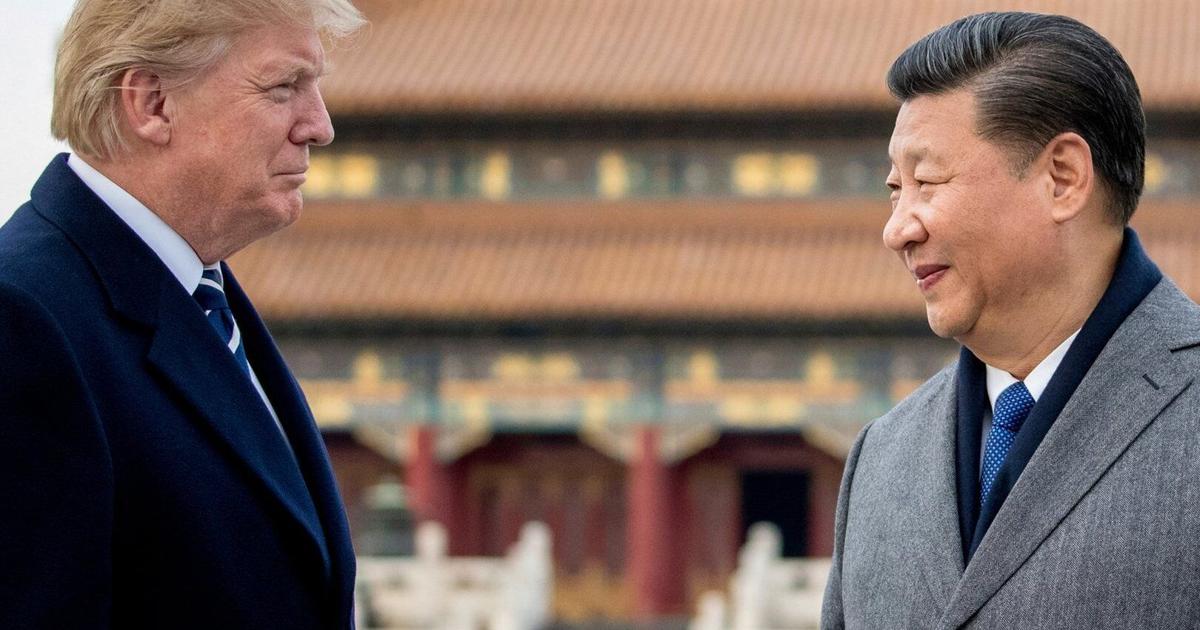
WASHINGTON (AP) — State visits usually occur when two countries are on warm terms, but U.S. President Donald Trump is hosting Chinese leader Xi Jinping in Washington this week as their economic and tech competition is only escalating, especially through an artificial intelligence race. asserted
competition → occur → race
Neither expects any grand bargain, but the leaders are expected to play nice in their third meeting since Trump returned to the White House to try to steady fragile ties. asserted
Trump → expect → ties
That is despite the world’s two largest economies seeking the upper hand on AI developments and trade, while pushing for leverage in persistent hot spots like Iran and Taiwan. asserted
economies → seek → Iran
“The fact that they are meeting, and there’s dialogue occurring and building that relationship, is probably as important as outcomes from the meeting,” said Sen. Steve Daines, a Montana Republican who advises Trump on China and recently traveled there to lay groundwork for the summit. asserted
who → meet → summit
Cui Tiankai, a former Chinese ambassador to the U.S., said at a recent forum in Beijing that there are “always problems, sometimes very big problems” between the two countries, but “we’ll make our best efforts to maintain overall stability.” asserted
we → say → stability
Trump and Xi shifted away from sky-high tariffs, but the competition is still intense asserted
competition → shift → tariffs
Xi’s visit to Washington, which begins Wednesday, is his first in 10 years. asserted
which → begin → years
He and Trump are meeting after their countries climbed down from last year’s intense trade war, where they traded tit-for-tat sky-high tariffs that threatened the global economy. asserted
that → meet → economy
China also choked off its world-leading supplies of critical minerals needed in products from electric cars to fighter jets. asserted
China → choke → jets
The U.S. is not only trying to balance trade but also maintain its tech dominance to protect national security and global leadership. asserted
U.S. → try → security
China, which has amassed tremendous economic, technological and military power over the past several years to close gaps with the U.S., is seeking to solidify its place in the global order. asserted
which → amass → order
The stability both sides are seeking is “for deeply competitive reasons,” said Evan Medeiros, a senior adviser at The Asia Group consultancy. asserted
Medeiros → seek → consultancy
“This is basically two geopolitical strongmen circling each other on the playground, trying to determine what their next move may be. uncertain
move → circle → playground
The countries appeared to be entering a “new normal” of “overall stability” despite blacklisting each other’s companies and restricting the flow of high-tech products, said Da Wei, director of the Center for International Security and Strategy at Tsinghua University in Beijing. asserted
Wei → appear → Beijing
The leaders now should produce deals that their governments can carry out, he said, noting that “we need to move fast.” asserted
we → produce → that
The AI race could strain any cooperation on the technology’s advance Developing AI technology has emerged as a key battleground, with both sides showing little interest in slowing down despite warnings from tech CEOs about threats that rogue AI could pose to humanity. uncertain
AI → strain → humanity
“Whoever wins AI wins,” Trump has repeatedly said. asserted
Trump → win → AI
He claimed on social media Monday that the U.S. is leading over China and that he was “not going to stifle Growth, of something that will be bigger than the Industrial Revolution, or the Internet, itself.” asserted
that → claim → Revolution
China cannot afford to lose either. asserted
China → afford → ?
In a rare, blunt essay, Chen Yixin, head of China’s Ministry of State Security, warned that AI poses a direct threat to Communist Party rule if foreign and hostile forces achieve superior capabilities. asserted
forces → warn → capabilities
The U.S. is already restricting exports of the most powerful AI chips to China and has accused Chinese developers of tapping into American AI models at an industrial scale to extract their capabilities. asserted
U.S. → restrict → capabilities
Beijing says the practice, known as distillation, is widely used, including by American companies, and has criticized the U.S. for trying to monopolize the industry. asserted
practice → say → industry
Beijing also is upset about U.S. efforts to build an alliance that excludes China, so it is seeking to craft new global AI guardrails by appealing to developing nations. asserted
it → upset → nations
However, the U.S. and China are taking a small step to cooperate on AI. asserted
U.S. → take → AI
Treasury Secretary Scott Bessent said Sunday after meeting with Chinese Vice Premier He Lifeng in New York that the U.S. has proposed a new “notification mechanism” for AI incidents that could affect national security. “We think that just like any cross-border activity, that moving from opaque to more transparency between the No. 1 and the No. 2 AI powers in the world is very important,” Bessent said. uncertain
Bessent → say → world
US and China have turned to targeted ways to compete instead of high tariffs While the U.S. and China have refrained from taking broad, punitive actions that would break their trade truce, they still are blacklisting individual companies and banning specific products. asserted
they → turn → products
“What we’ve seen is kind of testing and probing by both sides to understand what can be done competitively, while still keeping that leader-level rapprochement on track,” said Mira Rapp-Hooper, a visiting fellow at the Brookings Institution’s Center for Asia Policy Studies. asserted
Hooper → see → Studies
The U.S. has recently targeted Chinese telecommunications and surveillance equipment, companies accused of using forced labor in the ethnic region of Xinjiang, as well as China’s advanced robots and drones. asserted
U.S. → target → Xinjiang
The Pentagon also has barred Alibaba, BYD, Baidu and other major Chinese businesses from receiving U.S. defense contracts. asserted
Pentagon → bar → contracts
Beijing responded with export controls on drones and related technologies as well as blacklisting six U.S. companies over their support for the punitive measures tied to Xinjiang. asserted
Beijing → respond → Xinjiang
Iran, Taiwan and tariffs are persistent issues After the Supreme Court struck down Trump’s tariffs on trade partners this year, the administration has been trying to impose them in other ways. asserted
administration → strike → ways
The White House in July rolled out a 12.5% tariff on imports from 60 trading partners, including China, ostensibly for failing to do enough to prevent the import of goods produced by forced labor. asserted
House → roll → labor
The U.S. is planning an additional 7.5% tariff on China, accusing it of producing far more goods than it can reasonably consume. asserted
it → plan → goods
Analysts say the tariff levels are now acceptable to both sides, but any significant uptick could rekindle tensions. uncertain
uptick → say → tensions
The Trump administration, however, has launched a campaign to isolate Iran from its remaining economic partners, but Beijing has insisted on its right to trade with Tehran. asserted
Beijing → launch → Tehran
So far, the Trump administration has done little to punish China, partly to avoid jeopardizing the leaders summit. asserted
administration → do → summit
But Washington also is losing leverage because China — Iran’s biggest oil buyer and its largest trading partner — has been building up a way to make payments outside the U.S.-led financial system, said Alicia Garcia Herrero, an Asia-Pacific economist at the French investment bank Natixis. asserted
Herrero → lose → bank
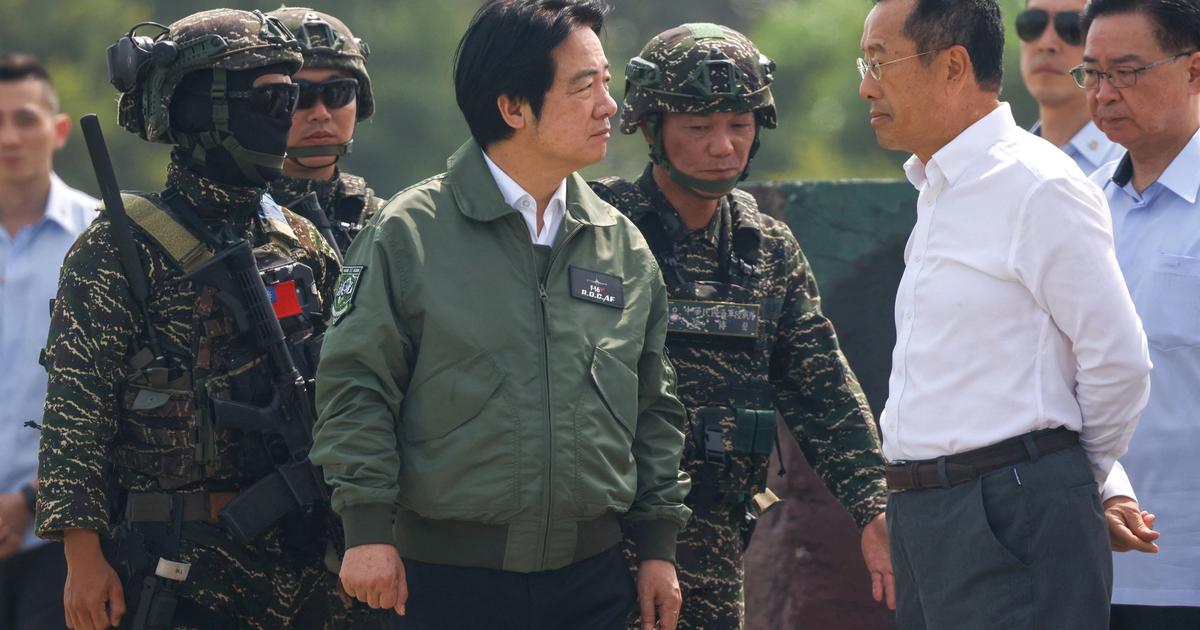
Taiwan, a self-governing island that Beijing claims as its own territory, also remains one of the thorniest issues in U.S.-China relations. uncertain
Beijing → govern → relations
Trump paused a large weapons package to Taiwan following his May trip to Beijing, but the U.S. is obligated by a domestic law to provide it with sufficient hardware and technology for self-defense. uncertain
U.S. → pause → defense
Analysts say Xi will most likely press Trump to further delay arms sales to sow doubts in Taiwan about Washington’s commitment. asserted
Xi → say → commitment
…and 1 more, not listed.
Give feedback · no sign-in needed

No sign-in needed for now. Your note is sent without a name, so it cannot be answered.

History Support