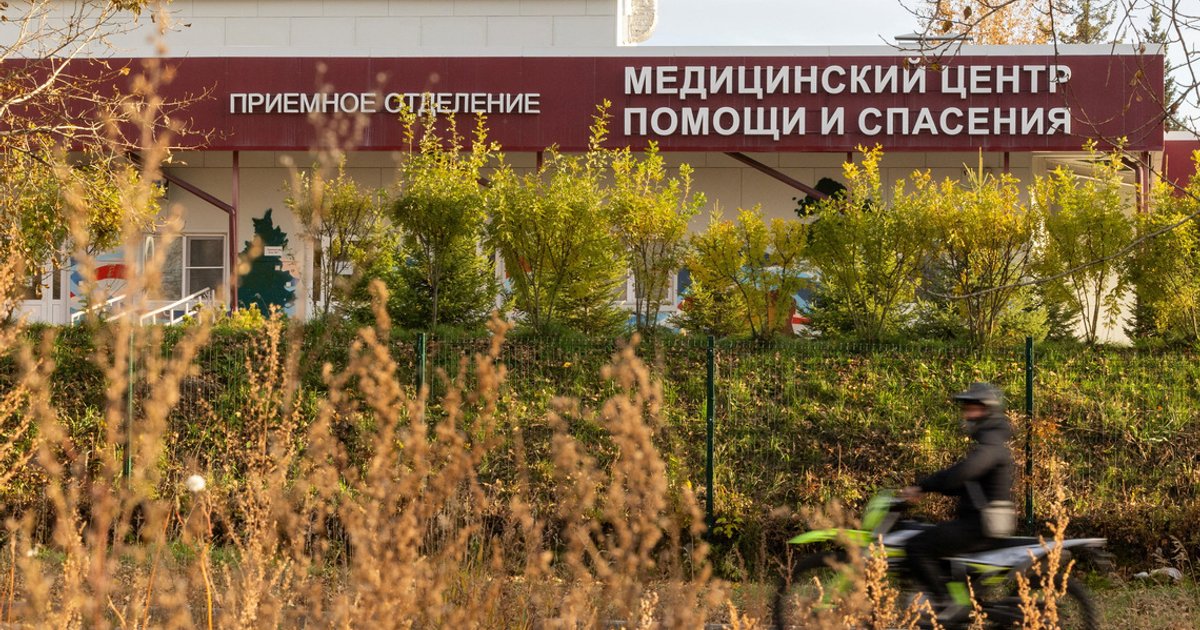
WHO wants more answers from Russia about lab worker's death, as pneumonic plague concerns linger
UN health agency also checking unconfirmed reports of 2nd case linked to lab
uncertain
agency → want → lab
A top official with the UN's health agency doesn't know how a lab worker in Siberia died amid concerns about plague, and she's urging Russia to provide more information.
asserted
she → know → information
There have been questions and concerns about the death of the 28-year-old woman, identified in Russian media as Darya Shipilova, amid speculation she died of pneumonic plague and that her death may be connected pathogens she worked with at the Irkutsk Anti-Plague Research Institute of Siberia and the Far East.
uncertain
she → identify → Siberia
Maria Van Kerkhove, director of epidemic and pandemic management at the World Health Agency (WHO), said the agency doesn't know the cause of the woman's Oct. 2 death, and "this is why we need more information."
"We don't understand how she was infected," Van Kerkhove said during a news briefing in Geneva.
asserted
Kerkhove → say → Geneva
The WHO is also seeking more information about unconfirmed media reports of a second case of pneumonia of "undetermined cause" connected to the Irkutsk lab, in southeastern Siberia.
uncertain
WHO → seek → Siberia
WHO director general Dr. Tedros Adhanom Ghebreyesus said the agency could not verify the credibility of the reports but is seeking clarification from the relevant officials in Russia.
uncertain
agency → say → Russia
In a tersely worded statement, Russia's official public health and consumer watchdog, Rospotrebnadzor, does not link the first case to pneumonic plague, saying only that "extensive" testing found no evidence the lab worker's illness was caused by any of the pathogens she worked with.
asserted
she → word → pathogens
Russia has said she died of pneumonia — a "typical" acute respiratory viral infection — and its health authorities have found no cases of plague recently, the WHO has said, acknowledging that pneumonia is commonplace and that cases of COVID-19 and rhinovirus were present among the some 200 people monitored since that death.
asserted
cases → say → death
Pneumonic plague is a less common but severe form of plague that can spread from person to person.
asserted
that → spread → person
Plague is an infectious disease caused by a bacterium known as Yersinia pestis, or Y. pestis, that is carried by small mammals and generally spread by the fleas that feed off them.
asserted
that → cause → them
It can be treated with antibiotics but can be deadly if left untreated.
asserted
It → treat → antibiotics
Plague is endemic to Siberia, which was recently confirmed as the location of the first known prehistoric human outbreak of the disease.
asserted
which → confirm → disease
Russia insists no plague cases
Moscow previously informed the WHO that no case of plague has been registered in the Irkutsk region.
asserted
case → insist → region
Russian health authorities reported a full range of preventive measures had been carried out —including tracing the dead woman's contacts, medical monitoring and lab tests, the WHO said.
asserted
WHO → report → contacts
The Russian note relayed to The Associated Press by the WHO said the test showed "no presence of dangerous infectious disease pathogens in any of the contacts."
asserted
test → relay → contacts
The organization said it has requested further information to clarify the cause of the severe pneumonia, the pathogen that prompted the public health measures, and media reports of the second case.
asserted
that → say → case
Kremlin spokesman Dmitry Peskov referred all questions to Rospotrebnadzor, which does not mention suspected plague in its reports.
asserted
which → refer → reports
In its latest statement Tuesday, the agency said "the sanitary and epidemiological situation in the Irkutsk region … is calm."
Authorities were completing a "complex of prophylactic measures and medical observation over contacts," it said, adding that so far they have found two cases of COVID-19 and two of rhinovirus.
asserted
they → say → rhinovirus
Mother not notified
asserted
Mother → notify → ?
The news outlet Lyudi Baikala identified Shipilova as the deceased lab worker and said she first was hospitalized with cold symptoms Sept. 29, in the nearby town of Shelekhov, and died three days later.
asserted
she → identify → Shelekhov
It quoted colleagues as saying she was a highly qualified and diligent researcher, and emphasized that security rules at the facility are extremely strict.
asserted
rules → quote → facility
The report quoted Shipilova's neighbours as saying a team of disinfection experts did several cleanups of her apartment, leaving a strong antiseptic smell.
asserted
team → quote → smell
Researchers work in the institute's lab in this undated photo released in 2019.
asserted
Researchers → work → 2019
Shipilova's mother, who worked as a doctor in the past, described her daughter as hard-working and dedicated, according to independent Russian news outlet Glubina, adding that she had not received official documents describing the cause of death.
uncertain
she → work → death
Irkutsk Gov. Igor Kobzev said she died of a "particularly dangerous infection" and everyone who came into contact with her has remained under medical supervision.
asserted
who → say → supervision
The hospital where she died was placed under quarantine, no longer admitting or discharging patients, although its outpatient clinic has continued operating, according to Mayor Maxim Modin.
WHO urges transparency
Russian authorities have, however kept a tight lid on information and the speculation she died of pneumonic plague.
While the case has grabbed international attention, Russian state TV and other national state-controlled media have steered clear of the subject.
uncertain
TV → die → subject
Some state-sponsored news outlets withdrew earlier reports about the case.
asserted
outlets → sponsor → case
Russian officials say no cases of plague in city where lab technician died
At 'crucial' moment for pandemic preparedness, experts say world isn't ready
asserted
world → say → preparedness
Vasily Vlassov, professor at the department of health-care administration and economics at Russia's Higher School of Economics, says it's not clear whether more transparency was possible if those dealing with the situation didn't have enough certainty, and "maybe, they still don't."
asserted
they → say → certainty
Deceiving the public "always turns out to be harmful," he said, and distrust of Russia's official narrative is "natural" and "almost inevitable."
asserted
distrust → deceive → narrative
Judy Twigg, professor of political science at Virginia Commonwealth University, notes that Russia criminalized "false information" about threats to public safety in 2020 amid the COVID-19 pandemic, "so silence is the one safe move for everyone below the top.
asserted
silence → note → top
"Personalist regimes without electoral accountability tend to treat bad news as a loyalty problem rather than focusing on the actual problem to be addressed," she said.
asserted
she → tend → problem
 The Aporia