That is 0 articles you have read today.
The Aporia is free and carries no advertising, so readers are the only
thing paying for it. If you are getting this much out of it, a small
donation is what keeps it independent.
Daily limit reached
You have read 0 articles today.
That is more than the 15 a day The Aporia gives away,
and well past what it can carry on nothing. Your allowance resets at
midnight.
There is no advertising here and nothing about you is sold, so readers
are the only thing paying for it. If the site is worth this much of
your day, it is worth a few dollars.
Everything else stays open: the
maps, the
directory and
search do
not count against this, and neither does re-opening something you have
already read today.
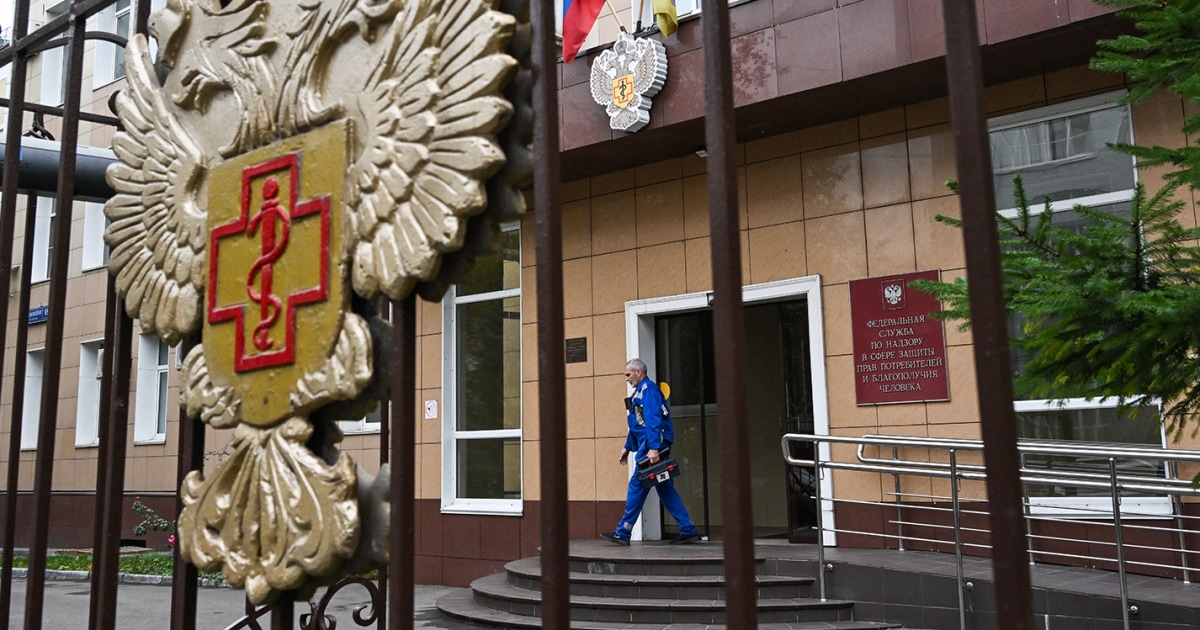
On October 7, the World Health Organization (WHO) stated it could not conduct a full risk assessment regarding suspected plague reports from Russia due to incomplete information. The WHO is awaiting further details from Moscow about the death of a 28-year-old laboratory technician who died after being hospitalized with severe pneumonia in Irkutsk, Siberia. Tedros Adhanom Ghebreyesus, the head of WHO, emphasized the need for transparent and complete information to assess potential public health risks accurately.
Written locally by qwen2.5:14b on 2026-10-07,
using this article's own text rather than the other coverage of the
same event (that is the story summary below).
Story summary
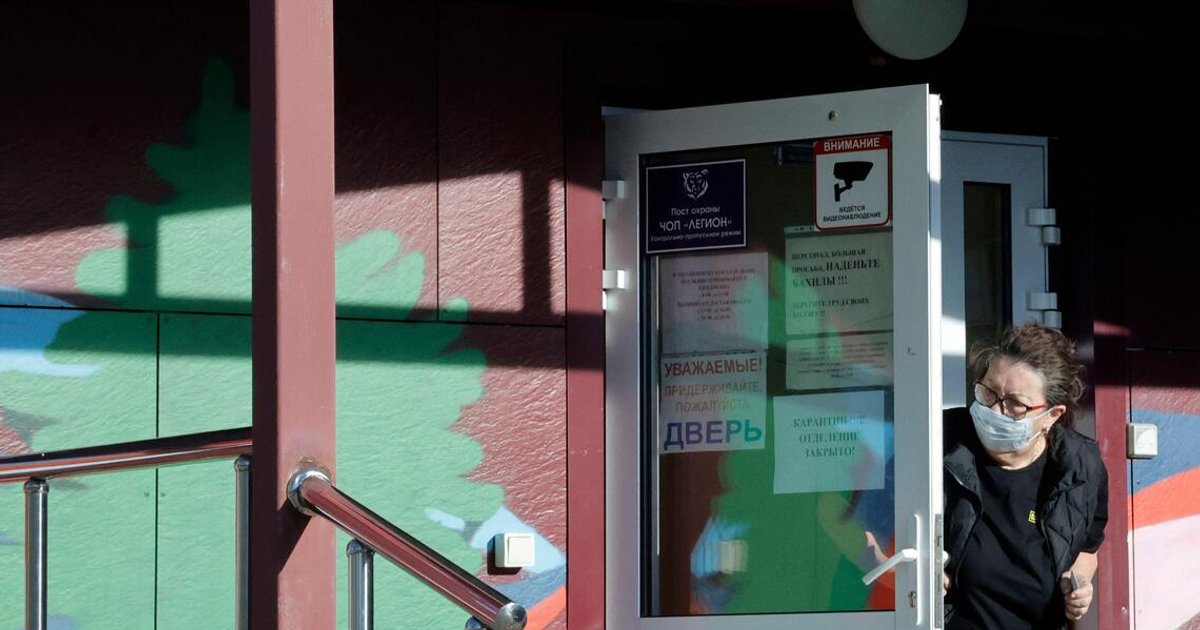
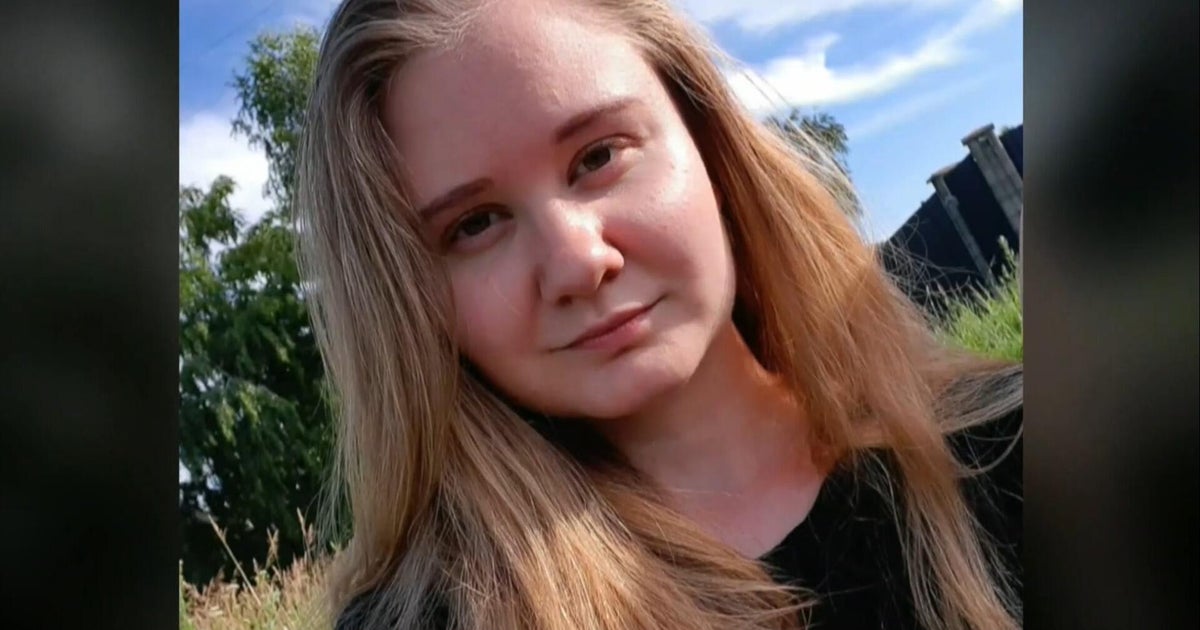
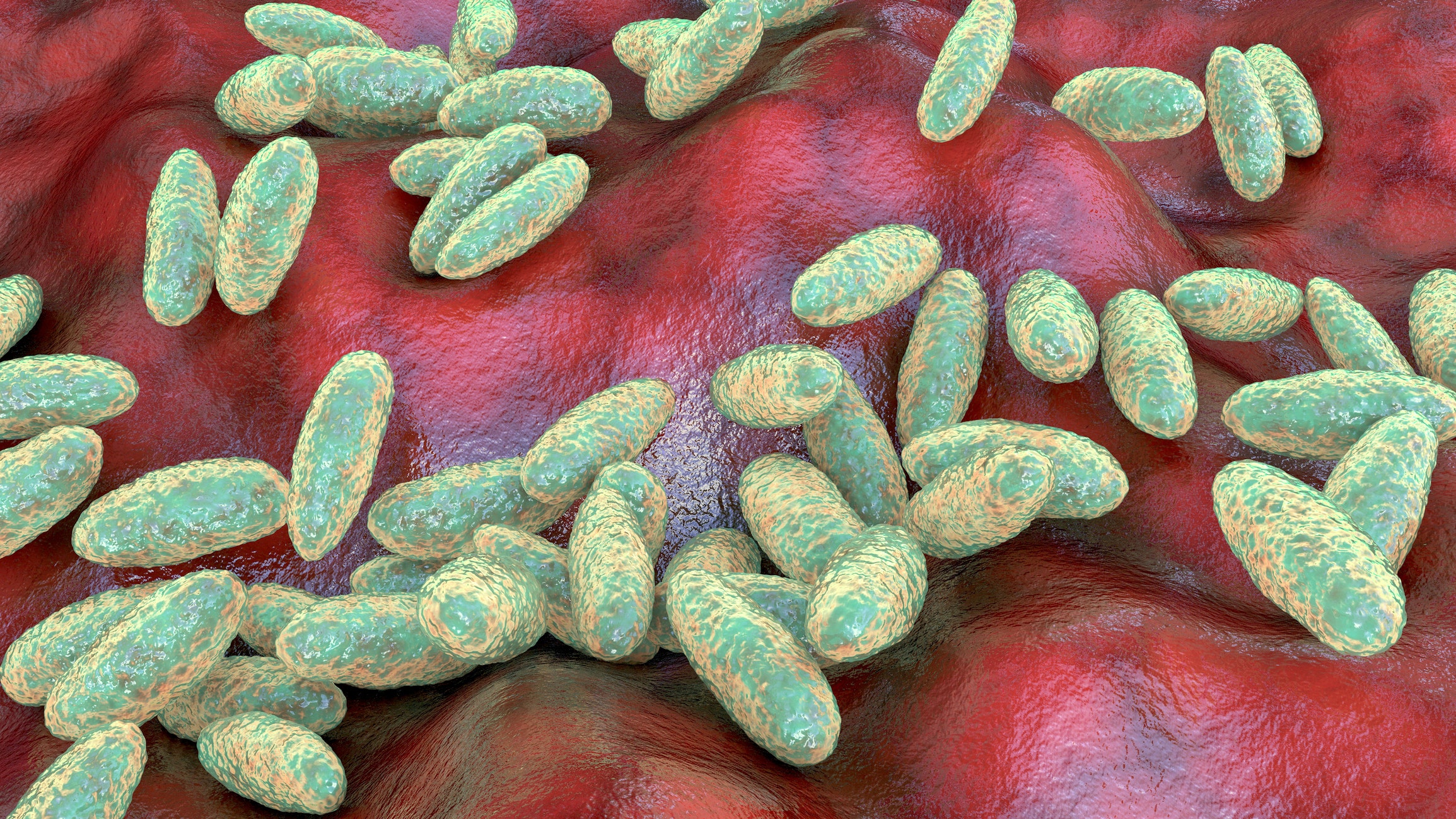
A 28-year-old lab technician named Darya Shipilova died of pneumonic plague in Siberia after breaking a test tube containing live bacteria at the Irkutsk Anti-Plague Institute on September 29, leading to her hospitalization and subsequent death two days later. Around 200 people who had contact with Shipilova were placed under quarantine, and three hospitals in the region implemented strict security measures. Governor Igor Kobzev declared a mask mandate and quarantined several facilities, including local hospitals and an aluminum plant. Russia's Chief State Sanitary Doctor Anna Popova rushed to the area to oversee the situation. The incident has raised international concern, with U.S. officials monitoring developments closely alongside the CDC and other federal agencies. Despite fears of a broader outbreak, Russian authorities maintain that the situation remains stable. Former Rospotrebnadzor head Gennady Onishchenko suggested widespread transmission is unlikely due to seasonal conditions. The incident has drawn comparisons to the initial stages of the COVID-19 pandemic in Wuhan, China, sparking concerns over transparency and information sharing.
Written for “Plague Outbreak in Siberia” on 2026-10-07,
grounded in this article and the 78 other(s) covering the same event.
WHO says cannot conduct full risk assessment on Russia plague reports
AI generated
asserted
WHO → say → reports
The World Health Organisation said on Oct 7 it could not produce a full risk assessment as it did not yet have the whole picture from Russia on the suspected plague death of a laboratory technician.
uncertain
it → say → technician
The WHO, the United States and the European Union have urged Moscow to provide more information following the death of the 28-year-old woman in Irkutsk in Siberia.
asserted
WHO → urge → Siberia
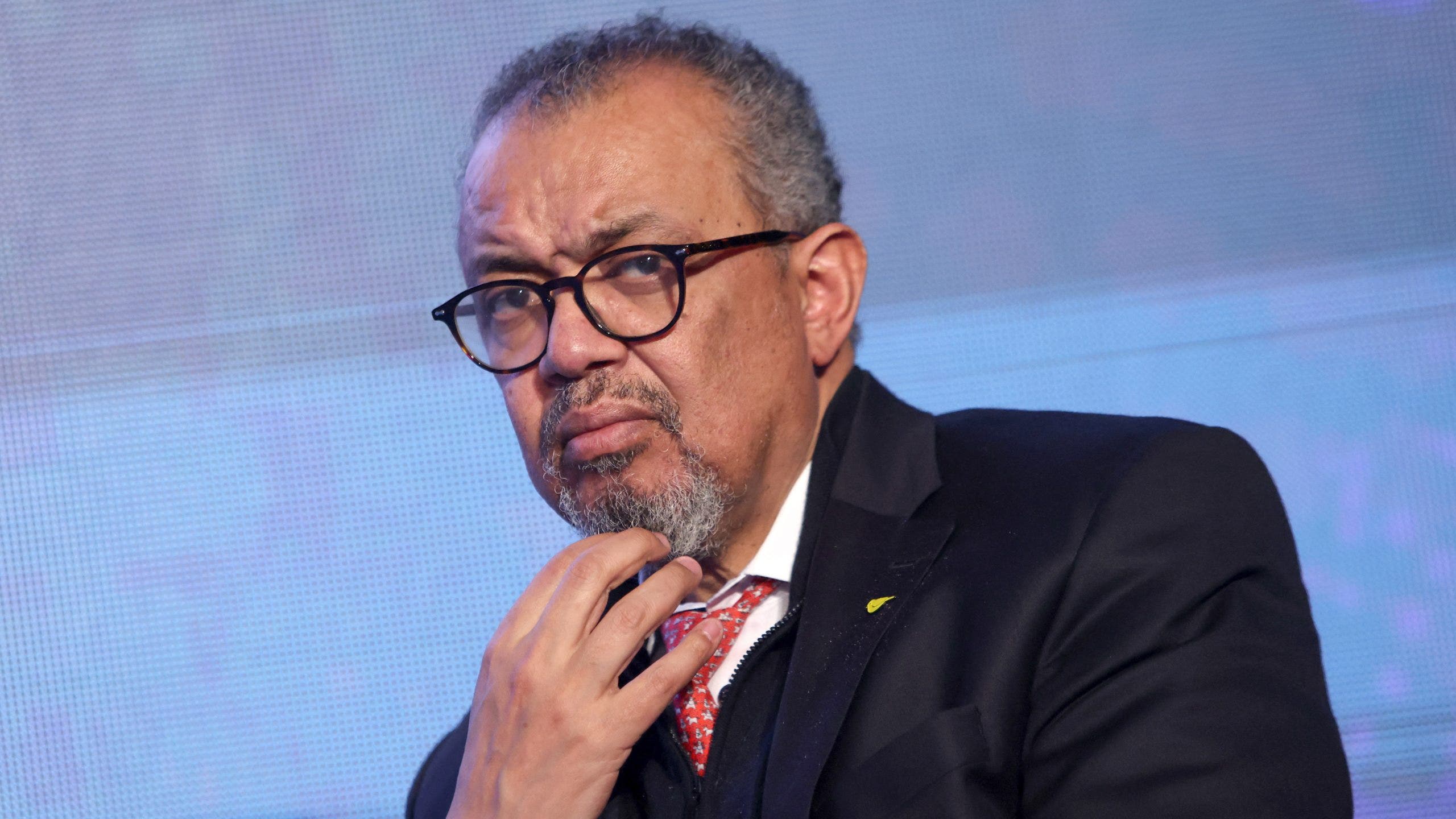
“We don’t yet have the full picture of this event and we’re not able to conduct a full risk assessment,” WHO chief Tedros Adhanom Ghebreyesus told a press conference.
asserted
Ghebreyesus → have → conference
“Timely, complete and transparent information sharing under the international regulations is essential to clarify conflicting reports and enable an accurate assessment of potential public and risks.”
asserted
sharing → clarify → public
Tedros said the anti-plague laboratory worker died after being hospitalised with severe pneumonia, with initial media reports suggesting pneumonia plague following an accidental lab exposure.
asserted
reports → say → exposure
“WHO is aware that the Russian government held a meeting on Oct 2 because they suspected a resident of the Irkutsk oblast had contracted a dangerous infection,” he added.
asserted
he → hold → infection
Maria Van Kerkhove, the WHO’s director of epidemic and pandemic management, added: “We don’t understand how she was infected.”
asserted
she → add → management
The UN health agency wanted to know “what she was infected with, number one; and secondly, once we know that, how she was infected?”
If pneumonic plague “is ruled out, what did she actually die from?” she said.
asserted
she → want → what
Tedros said he also wanted more clarification from Moscow following media reports of “a second employee with pneumonia of undetermined cause”.
asserted
he → say → cause
“We assess any reporting from the community,” he told reporters.
asserted
he → assess → reporters
“We have actually received this information from two media outlets.
asserted
We → receive → outlets
“We asked Russia to respond to that...
asserted
We → ask → that
we’re waiting for an answer, because any reporting that comes, we cannot ignore it,” he said, adding “I hope we will get an answer to that, formally.”
asserted
we → wait → that
 The Aporia