The State Department sent a demarche to Moscow requesting additional information regarding a purported plague outbreak in the Siberian oblast of Irkutsk.
asserted
Department → send → Irkutsk
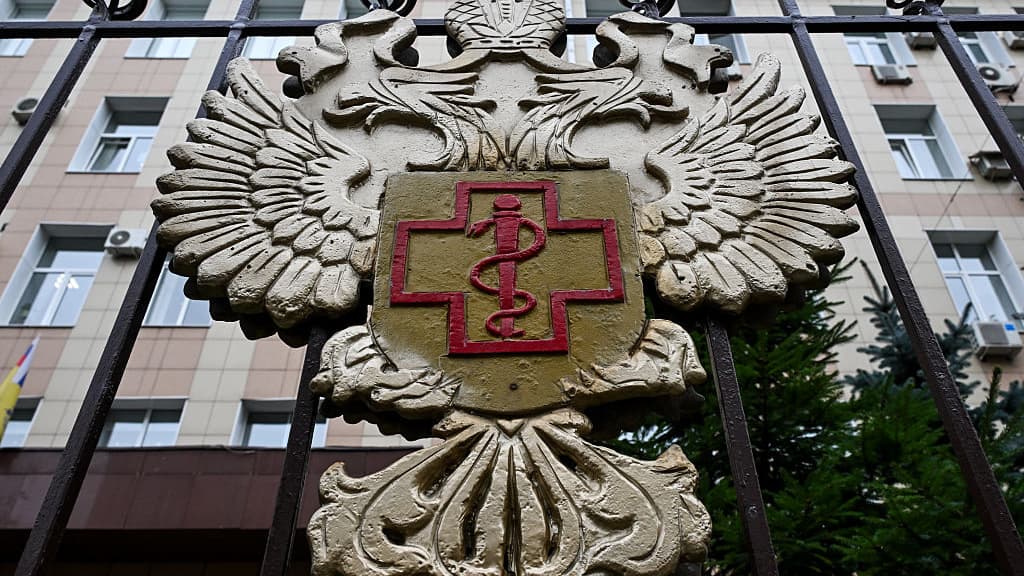
Last week, 28-year-old Russian lab technician Daria Shipilova died two days after being hospitalized, with what has now been identified by Rospotrebnadzor, Russia’s public health and consumer protection agency, as “pneumonia of unknown etiology.”
asserted
what → die → etiology
She worked in Russia’s Anti-Plague Institute, leading to initial fears that her death was connected to a lab leak.
asserted
death → work → leak
Over 200 of her close contacts were quarantined, but they have nearly all since been released after daily tests found no others were infected.
asserted
others → quarantine → contacts
Despite this, skepticism has abounded across the world, fearing another COVID-19-like pandemic.
asserted
skepticism → abound → pandemic
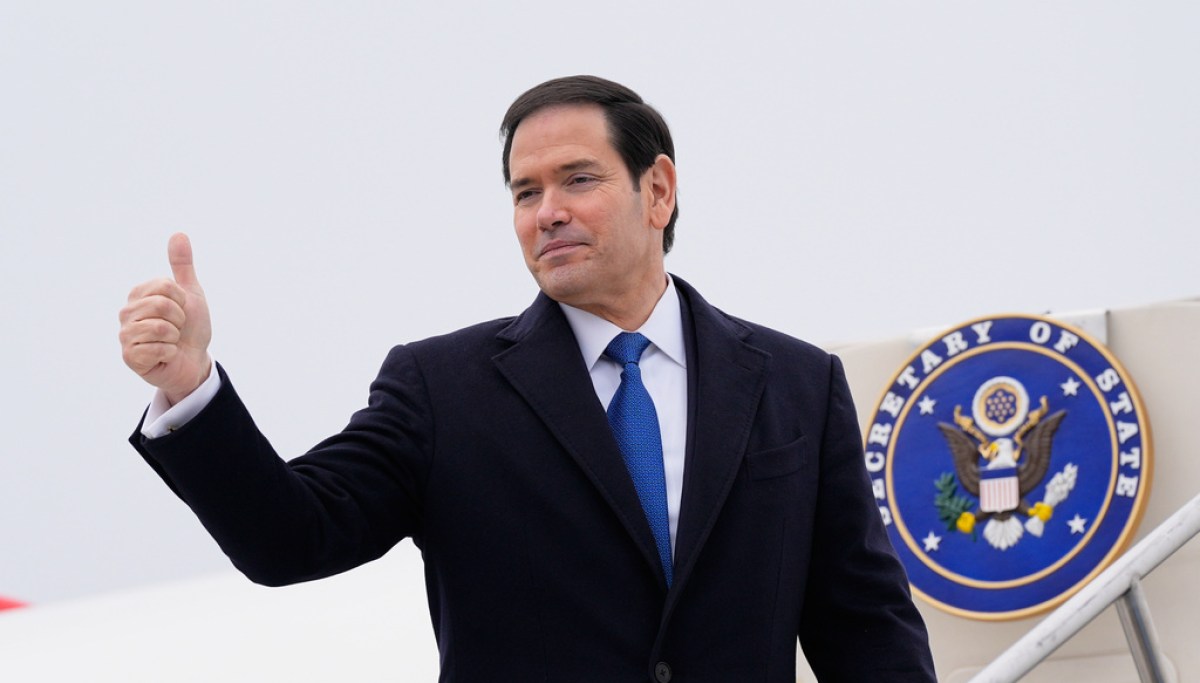
On Wednesday, the State Department confirmed it was pursuing further information from the Russian government.
asserted
it → confirm → government
“We have officially requested additional information from the Russian government.
asserted
We → request → government
We are also in official communication with other countries around the world to share information,” a State Department spokesperson told the Washington Examiner in a statement.
asserted
spokesperson → share → statement
A U.S. official told ABC News that the demarche primarily reminded Moscow of its requirements to comply with international health regulations.
asserted
demarche → tell → regulations
Russia’s position on the health scare has remained largely unchanged since Monday, with local officials calling the situation “stable” and maintaining Shipilova’s death wasn’t due to the plague and was unrelated to her work.
asserted
death → remain → work
Nevertheless, the U.S. government isn’t the only foreign body demanding more answers from Moscow.
asserted
government → demand → Moscow
The most notable call came from World Health Organization head Tedros Ghebreyesus, who asked for clarification on “media reports of a second employee with pneumonia of undetermined cause.”
asserted
who → come → cause
Rospotrebnadzor said its daily testing found only two cases of COVID-19 and two cases of rhinovirus.
asserted
testing → say → rhinovirus
No major Russian outlets have reported on a second pneumonia case.
asserted
outlets → report → case
A handful of Western and Ukrainian outlets went so far as to report a second death, citing local media, though they didn’t clarify which outlets.
asserted
they → go → media
No local media reports claiming a second infection or death were readily available, though the Western and Ukrainian reports may have stemmed from confusion over initial Russian media reports.
uncertain
reports → claim → reports
The first Russian media reports about Shipilova’s death used the masculine form of “patient,” as her gender wasn’t yet known.
asserted
gender → use → patient
Some outlets even outright declared the patient a man.
asserted
patient → declare → ?
The dates of the patient referred to in masculine terms and Shipilova — hospitalized on Sept. 29 and dead on Oct. 1 —
asserted
dates → refer → Oct.
match up, indicating they’re likely referring to the same person but were confused by outside outlets.
asserted
they → match → outlets
Ghebreyesus relayed what Russian officials told the WHO, including that it “reported that no high-threat pathogens had been detected among the contacts and that medical observation of all identified contacts had been completed.”
asserted
observation → relay → contacts
Despite the official calm over the scare, neighboring countries, including Kazakhstan, Kyrgyzstan, and Uzbekistan, have increased border controls out of an abundance of caution.
asserted
countries → include → caution
President Donald Trump and Secretary of State Marco Rubio have both downplayed the concerns around the health scare.
asserted
Trump → downplay → scare
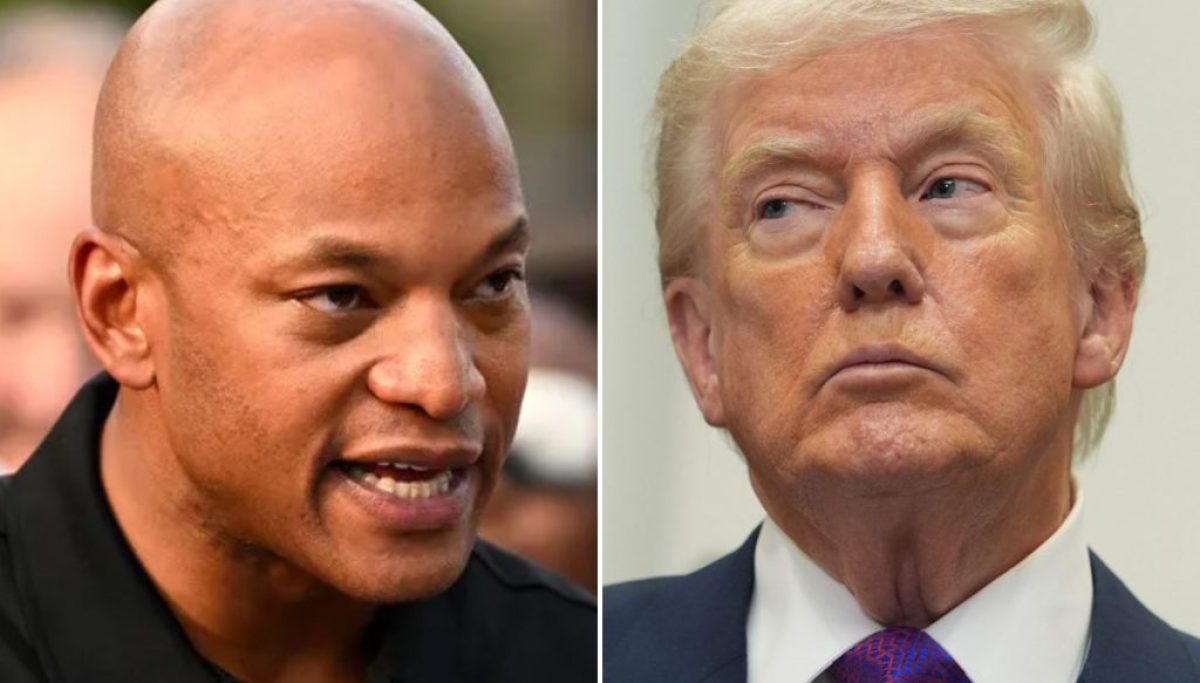
On Tuesday, Trump said the U.S. and Russia were in “very deep discussions” on the matter, and that he’d be “able to report about it probably tomorrow.”
asserted
he → say → it
He said he’d call Russian President Vladimir Putin about the matter “very soon,” before expressing broader concerns about modern diseases.
asserted
he → say → diseases
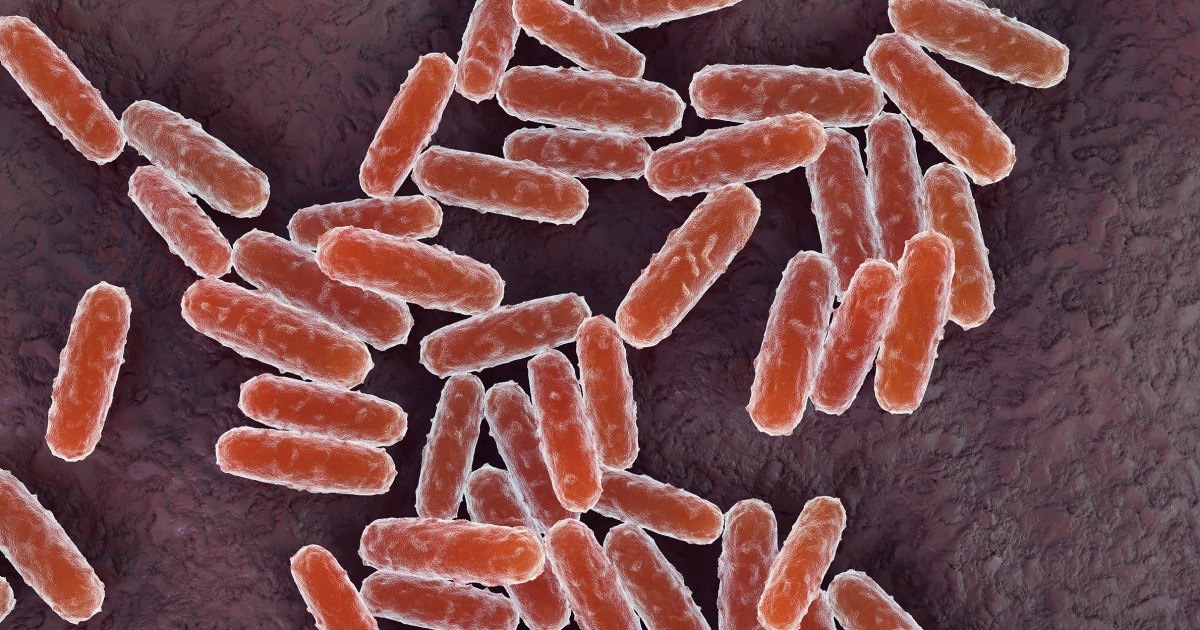
“That’s a disease we used to be able to control, but somehow those microbes got stronger and smarter than like an army,” he said of the pneumonic plague, adding that “we’ll help anybody that has that kind of a problem.”
asserted
that → ’ → problem
The Centers for Disease Control and Prevention said on Tuesday that there was “no indication of a broader threat,” but that it was monitoring the situation in Russia.
asserted
it → say → Russia
 The Aporia