That is 0 articles you have read today.
The Aporia is free and carries no advertising, so readers are the only
thing paying for it. If you are getting this much out of it, a small
donation is what keeps it independent.
Daily limit reached
You have read 0 articles today.
That is more than the 15 a day The Aporia gives away,
and well past what it can carry on nothing. Your allowance resets at
midnight.
There is no advertising here and nothing about you is sold, so readers
are the only thing paying for it. If the site is worth this much of
your day, it is worth a few dollars.
Everything else stays open: the
maps, the
directory and
search do
not count against this, and neither does re-opening something you have
already read today.
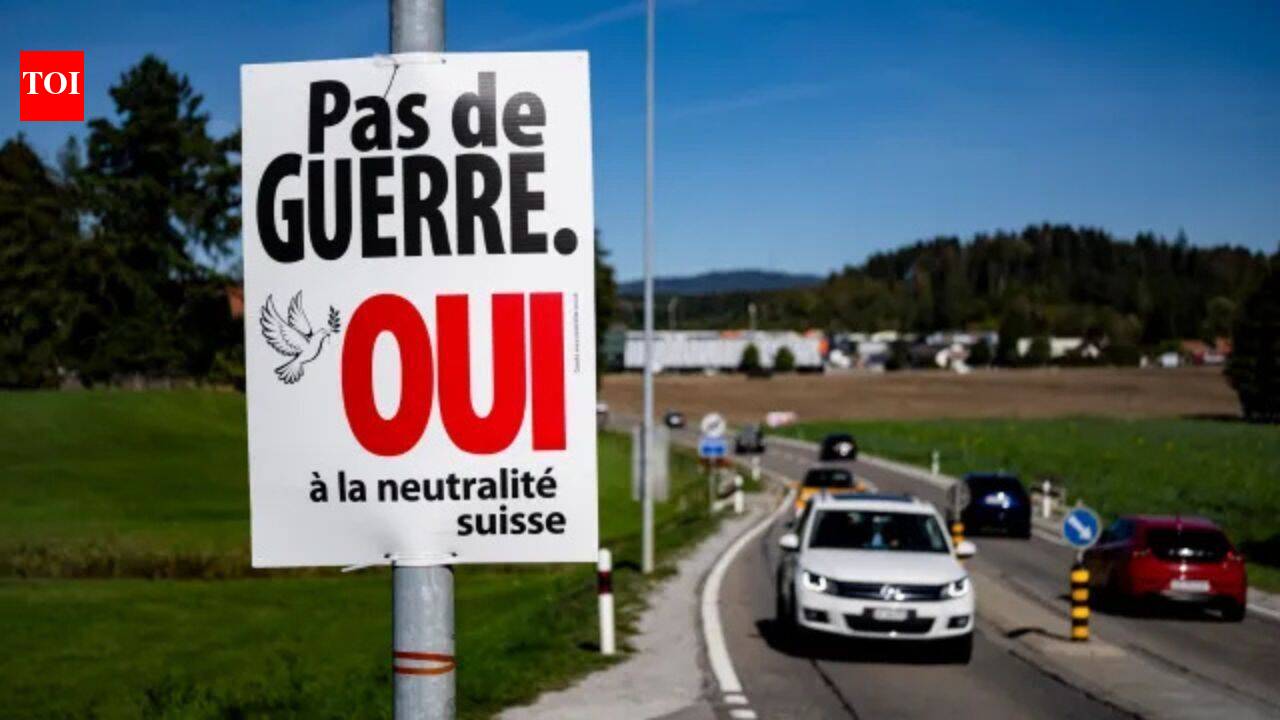
Swiss voters rejected a proposal by the Swiss People’s Party aimed at reinforcing the country's neutrality, with 70% voting against it. The initiative would have restricted Switzerland's ability to enforce international sanctions unless authorized by the UN, citing concerns about the country's recent alignment with NATO and EU policies regarding Russia. Despite some voter support for stricter neutrality, security concerns prevailed among many voters who felt existing cooperation with NATO was necessary for protection.
Written locally by qwen2.5:14b on 2026-09-28,
using this article's own text rather than the other coverage of the
same event (that is the story summary below).
Story summary
On September 27, Swiss voters rejected a right-wing party's proposal to tighten the country’s neutrality laws, with over 70% voting against stricter rules. The initiative, championed by the Swiss People’s Party (SVP), aimed to prevent Switzerland from joining or cooperating with military alliances like NATO and imposing economic sanctions unless mandated by the United Nations. This move was seen as a response to perceived shifts in Swiss policy towards closer alignment with the EU and NATO, particularly due to the country's imposition of sanctions on Russia after its invasion of Ukraine. Despite support from Moscow, the proposal failed across all 26 cantons, reinforcing existing policies that allow for flexibility in applying neutrality principles amidst geopolitical changes.
Written for “Swiss Neutrality Vote Rejecting Tight…” on 2026-10-05,
grounded in this article and the 10 other(s) covering the same event.
Claims extracted
16
claim-shaped sentences
Uncertain
0%
0 of 16 hedged
Leaning
Leans left
of the writing, not the subject · beta estimate
Correction & hedging signals
58.8
corrections and hedging in what we collected;
not a measure of accuracy
Outlets on this story
11
Politics
Narrative spread
1
articles carrying this framing
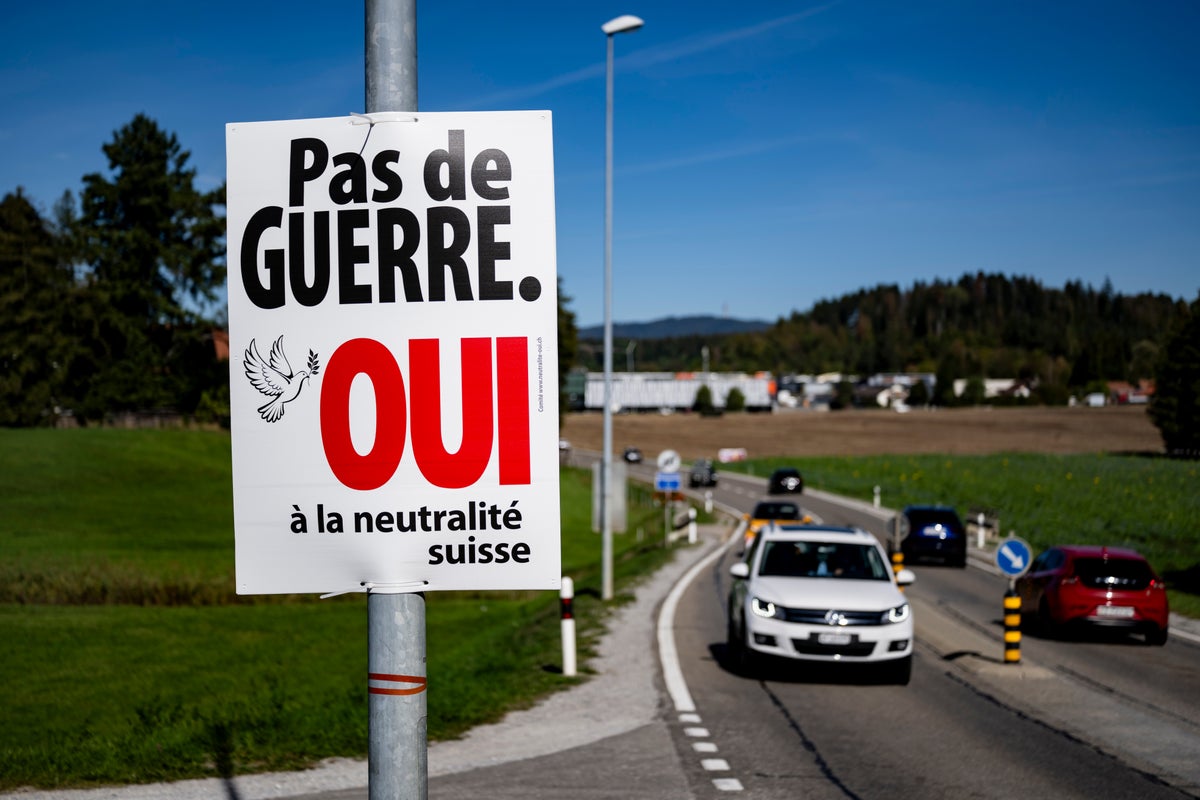
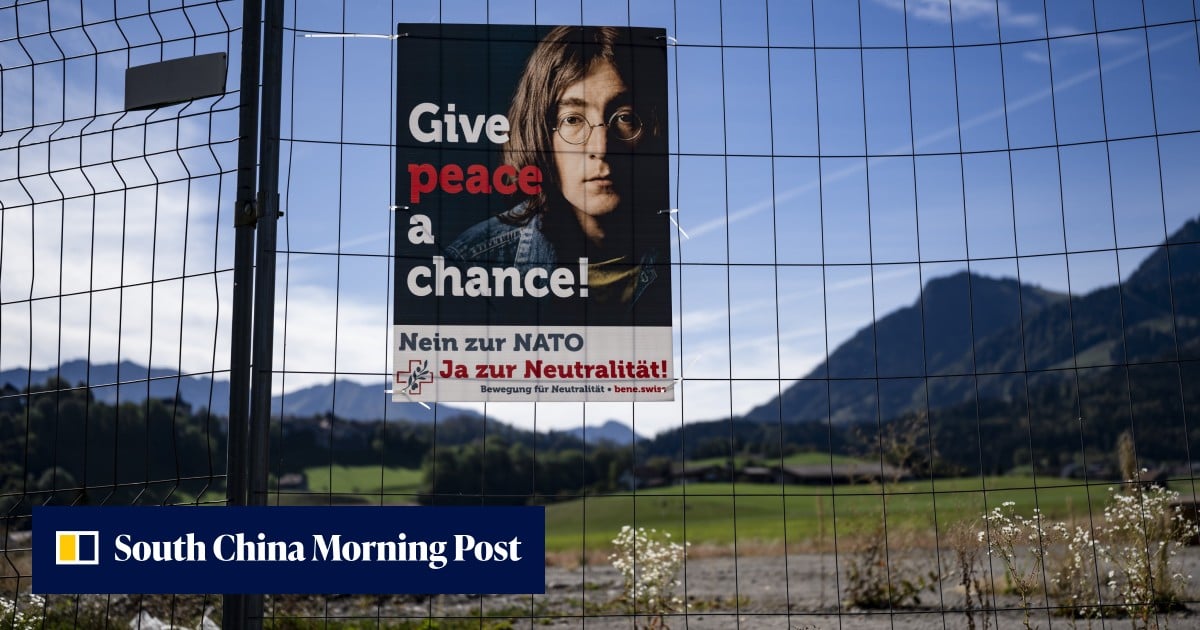
Swiss voters have overwhelmingly rejected a proposal championed by a populist party to strengthen the country’s vaunted neutrality.
asserted
voters → reject → neutrality
Official figures published by the government showed 70 per cent of voters, as well as majorities across all 26 of the country’s regions, turned down the measure.
asserted
cent → publish → measure
Supporters of the measure, spearheaded by the Swiss People’s Party, claimed the European country had drawn dangerously close to Nato and the EU, particularly concerning the conflict in Ukraine.
asserted
country → spearhead → Ukraine
The initiative was brought forward after Switzerland decided to mirror EU sanctions against Russia.
asserted
Switzerland → bring → Russia
Had it been approved, the mandate would have prohibited Switzerland from enforcing international punitive measures unless mandated by the UN.
asserted
mandate → approve → UN
Since Russia holds a veto as one of the permanent members of the UN Security Council, it can block such a resolution.
asserted
it → hold → resolution
While Swiss neutrality has been embedded in the constitution since the mid-19th century, its interpretation has been debated for decades.
asserted
interpretation → embed → decades
Although not part of any military alliance, Switzerland has cooperated with Nato for 30 years.
asserted
Switzerland → cooperate → years
The defeated proposal would have banned such partnership except in cases where the country was considered to be under threat.
asserted
country → defeat → threat
The ballot formed part of Sunday’s latest referendums on local and national matters.
asserted
ballot → form → matters
Through Switzerland’s system of direct democracy, citizens regularly vote to shape public policy.
asserted
citizens → vote → policy
Its advocates insisted the recent policy shifts threatened national security and independence, whereas opponents maintained that ministers already possessed necessary leeway to defend national interests.
asserted
ministers → insist → interests
Security concerns heavily weighed on voters from across the political spectrum.
asserted
concerns → weigh → spectrum
Ruth Bolomey, a 65-year-old retiree originally from Hawaii, said she voted for the initiative.
asserted
she → say → initiative
"I believe we need neutrality and should keep neutrality for security reasons, for the people."
asserted
we → believe → people
New York native Jihad Azkoul, 78, said he voted "no" and had in mind "the question of what happens if Russia attacks us — would we be, would we get protection from our neighbours?"
"They probably would, but just to be sure.”
asserted
They → say → neighbours
 The Aporia