A laboratory worker at a Siberian plague research institute died on October 2, leading authorities to quarantine around 200 people. Russian media identified the victim as Darya Shipilova, 28, who reportedly fell ill with an unknown type of pneumonia. Health officials stated no pathogens related to her work were found and ruled out plague as the cause of death. Speculation about the circumstances of her illness circulated on social media but lacked confirmation.
Written locally by qwen2.5:14b on 2026-10-06,
using this article's own text rather than the other coverage of the
same event (that is the story summary below).
Explainer-What do we know about plague institute lab worker's death in Russia?
asserted
we → know → Russia
A laboratory worker at a plague research institute in Siberia fell ill and died in undisclosed circumstances on October 2, prompting authorities to quarantine about 200 people and causing public health fears on social media.
asserted
worker → fall → media
Here's what we know about the case, which officials have not linked to her work or plague, and about the disease she studied.
asserted
she → know → disease
WHAT HAPPENED?
asserted
WHAT → happen → ?
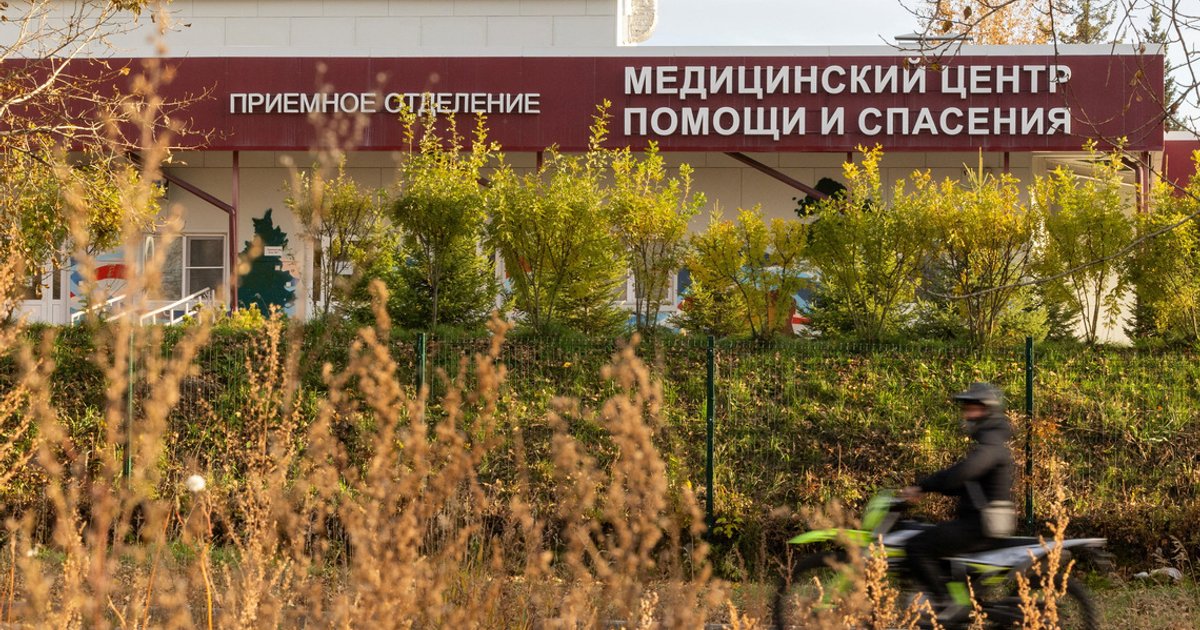
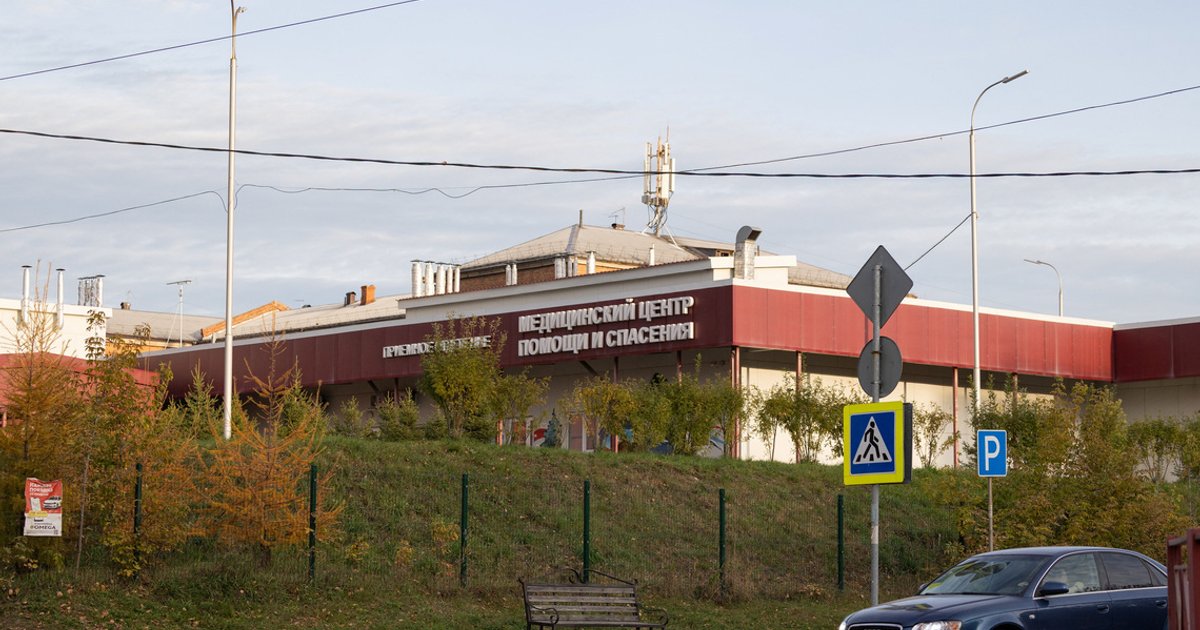
Russian media named the victim as Darya Shipilova, a 28-year-old laboratory worker at the Irkutsk Anti-Plague Research Institute of Siberia and the Far East.
asserted
media → name → Siberia
The authorities said she died of an unknown type of pneumonia but that as a precaution they quarantined everyone who had come into contact with her.
asserted
who → say → her
Unconfirmed reports of how she fell ill have circulated on social media.
uncertain
she → fall → media
One version said she had dropped a test tube containing live bacteria at work, a theory rejected by Russia's health watchdog.
asserted
she → say → watchdog
Another said she became sick after travelling to Thailand.
asserted
she → say → Thailand
A third said she fell ill after going to an area near the border with Mongolia.
asserted
she → say → Mongolia
DID SHE DIE OF PLAGUE?
asserted
SHE → die → PLAGUE
There is no confirmation she died from plague although one regional governor said she "may" have died from plague.
uncertain
she → be → plague
Health watchdog Rospotrebnadzor said she died of an unknown type of pneumonia and that no relevant pathogens had been found in anyone who came into contact with her.
asserted
who → say → her
Elena Sofina, a local official in Siberia, said 60% of those quarantined had since been released.
asserted
% → say → those
Local media said about 200 were initially quarantined.
asserted
200 → say → ?
Sofina said "a dangerous diagnosis" had not been confirmed.
asserted
diagnosis → say → ?
WHAT IS PLAGUE AND CAN YOU TREAT IT?
asserted
YOU → treat → IT
Plague circulates mainly among small animals and fleas.
asserted
Plague → circulate → animals
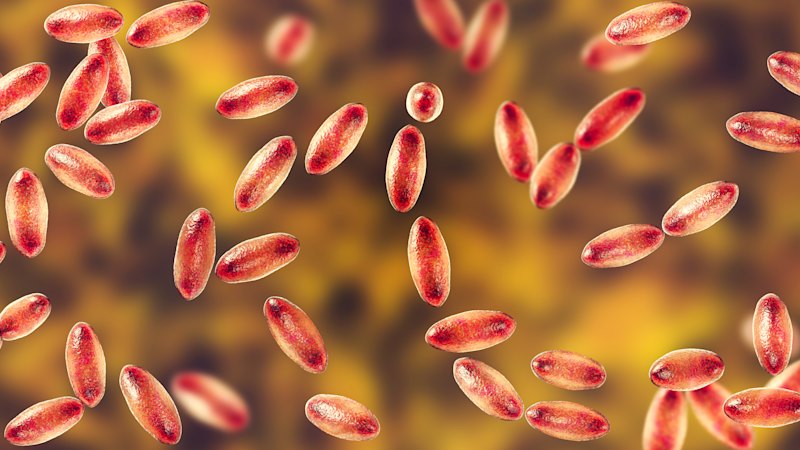
Caused by the bacterium Yersinia pestis, it can also infect humans.
asserted
it → cause → humans
Outbreaks include the "Black Death", which killed over 50 million people in Europe in the 1300s.
asserted
which → include → 1300s
It is transmitted between animals and humans by the bite of infected fleas, inhalation of infected respiratory particles and — rarely — ingestion of infectious materials.
asserted
It → transmit → materials
The disease's mortality rate is 30%-100% if left untreated.
asserted
rate → leave → ?
If identified quickly, plague can be treated with antibiotics.
asserted
plague → identify → antibiotics
Plague is endemic in many African countries, the former Soviet Union, the Americas and Asia, but most human cases in the last six years were reported from the Democratic Republic of Congo and Madagascar, according to the World Health Organization.
uncertain
cases → report → Organization
Plague is endemic to Siberia, location of the first known prehistoric human outbreak, as Yersinia pestis is present there among small wild mammals and their fleas.
asserted
pestis → know → mammals
It's rare for Russians to have plague.
asserted
Russians → have → plague
US President Donald Trump said the laboratory worker's death was a "big problem for Russia" and offered to help Moscow deal with it.
asserted
Moscow → say → it
US Secretary of State Marco Rubio said Russia should share more information about the death.
asserted
Russia → say → death
The WHO in Geneva said Russia had told it there were no plague cases in the city of Irkutsk.
asserted
Russia → say → Irkutsk
Reuters could not establish whether this meant plague could be ruled out in the lab worker's case.
uncertain
plague → establish → case
Kazakhstan, Kyrgyzstan and Uzbekistan said they were stepping up precautionary measures at their borders to guard against the possible spread of infectious diseases.
asserted
they → say → diseases
The Irkutsk Anti-Plague Research Institute of Siberia and the Far East was set up in 1934 to control plague outbreaks.
asserted
Institute → set → outbreaks
Its founding scientist helped quell outbreaks in Siberia, Mongolia and China, its website says.
asserted
website → quell → Siberia
It later worked with other dangerous diseases including cholera and anthrax.
asserted
It → work → cholera
Plague comes in three forms affecting different parts of the body.
asserted
Plague → come → body
Pneumonic plague, the most virulent and least common form, is an infection of the lungs which prompts patients to cough out infectious airborne droplets.
asserted
which → prompt → droplets
Bubonic plague is the most common form, occurring chiefly when an infected flea bites a person, and causes swollen lymph nodes or "buboes".
asserted
flea → occur → nodes
Septicemic plague, which does not spread from person to person, occurs when plague bacteria multiply in the blood.
asserted
bacteria → spread → blood
One form of plague can develop into another.
asserted
form → develop → another
Infected persons usually start with flu-like symptoms after an incubation period of one to seven days.
asserted
persons → start → days
…and 4 more, not listed.
 The Aporia