That is 0 articles you have read today.
The Aporia is free and carries no advertising, so readers are the only
thing paying for it. If you are getting this much out of it, a small
donation is what keeps it independent.
Daily limit reached
You have read 0 articles today.
That is more than the 15 a day The Aporia gives away,
and well past what it can carry on nothing. Your allowance resets at
midnight.
There is no advertising here and nothing about you is sold, so readers
are the only thing paying for it. If the site is worth this much of
your day, it is worth a few dollars.
Everything else stays open: the
maps, the
directory and
search do
not count against this, and neither does re-opening something you have
already read today.
Russian authorities have denied imposing anti-plague measures after a laboratory technician at the Irkutsk Anti-plague Research Institute died of suspected pneumonic plague on Friday. The health watchdog Rospotrebnadzor reported that extensive testing found no microorganisms linked to her work, and 60 percent of those quarantined as a precaution have been released. US Secretary of State Marco Rubio has called for more transparency from Moscow regarding the incident.
Written locally by qwen2.5:14b on 2026-10-06,
using this article's own text rather than the other coverage of the
same event (that is the story summary below).
Story summary
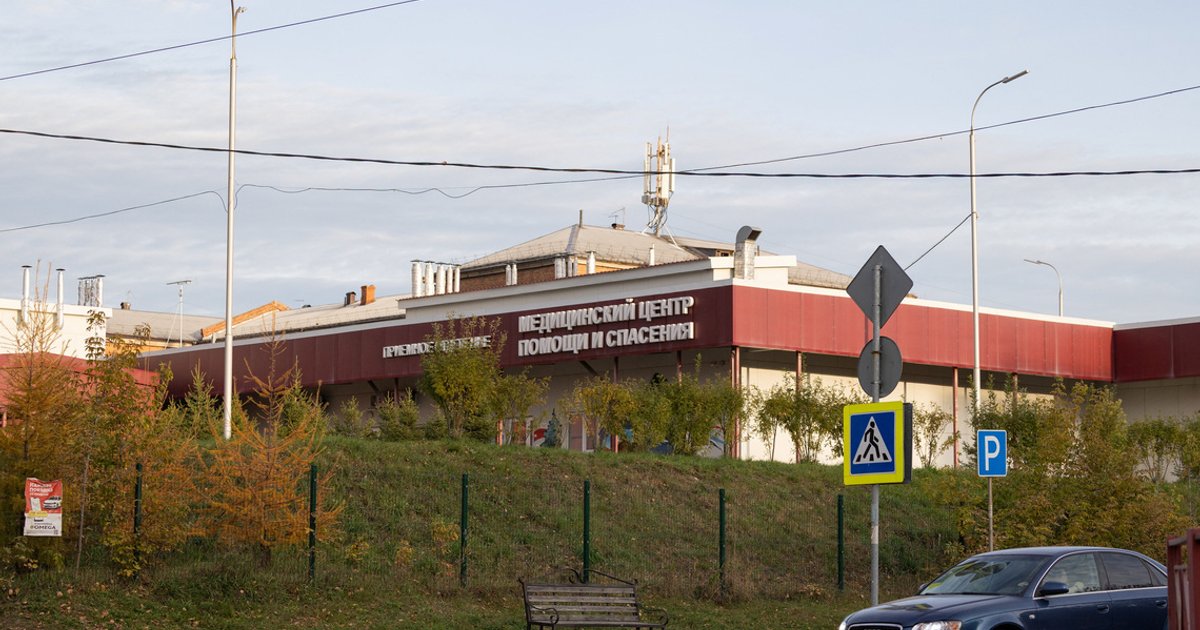
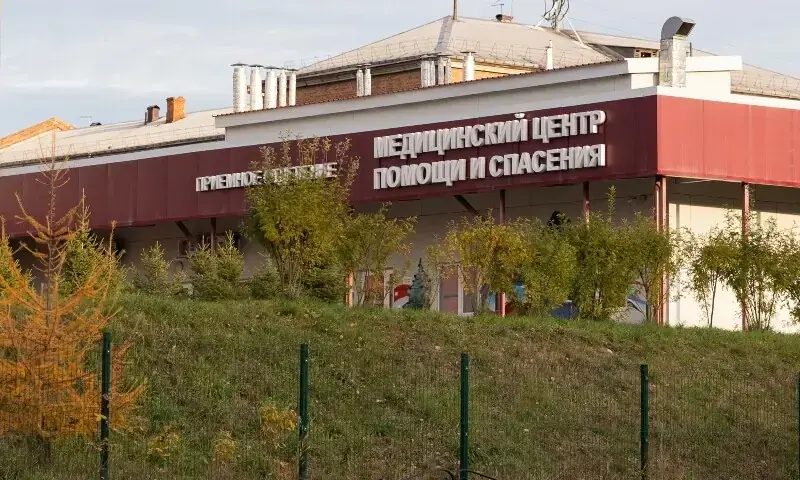
A 28-year-old female lab technician named Darya Shipilova died in Siberia after accidentally breaking a test tube containing pneumonic plague bacteria at the Irkutsk Anti-Plague Institute on September 29. She was hospitalized and placed on a ventilator but passed away two days later. As many as 200 people with whom she had contact were put into quarantine to prevent an outbreak, while three hospitals in the region also implemented strict security measures.
The Russian government has been criticized for not providing immediate clarification on the incident; however, Anna Popova, Russia's chief sanitary officer, traveled to Siberia to oversee the situation. The broader context of the Irkutsk region remains stable according to Rospotrebnadzor, though concerns persist about potential underreporting and misinformation.
The White House is monitoring the situation closely alongside other U.S. agencies such as the CDC, indicating heightened international attention on the outbreak. A State Department official urged Russia to share detailed information promptly regarding the incident. Former CIA officer Dan Hoffman also suggested that U.S. intelligence is collecting extensive data on this event, reflecting global apprehension over the potential spread of the disease.
Written for “Plague Outbreak in Siberia” on 2026-10-06,
grounded in this article and the 60 other(s) covering the same event.
Why this leaning score
This article does not take a side on a contested political
question, so it has no leaning score. That is an
answer rather than a gap: a match report or a rescue can be warmly
or critically written without being left or right, and scoring it
anyway is how approval of a subject gets recorded as a political
position.
No political leaning scored for article 60976 · logged 2026-10-06
What we know about Russia’s suspected plague case
asserted
we → know → case
Russian authorities have denied that they imposed anti-plague measures after a laboratory technician died of suspected pneumonic plague in a case which has drawn international scrutiny.
asserted
which → deny → scrutiny
Russian media reported that a 28-year-old woman named Darya Shipilova, who had been working at the Irkutsk Anti-plague Research Institute of Siberia and the Far East, died from suspected pneumonic plague on Friday.
asserted
who → report → Friday
- list 2 of 3China plague claims third victim
- list 3 of 3Madagascar has the plague:
uncertain
3Madagascar → claim → plague
What you should know
asserted
you → know → What
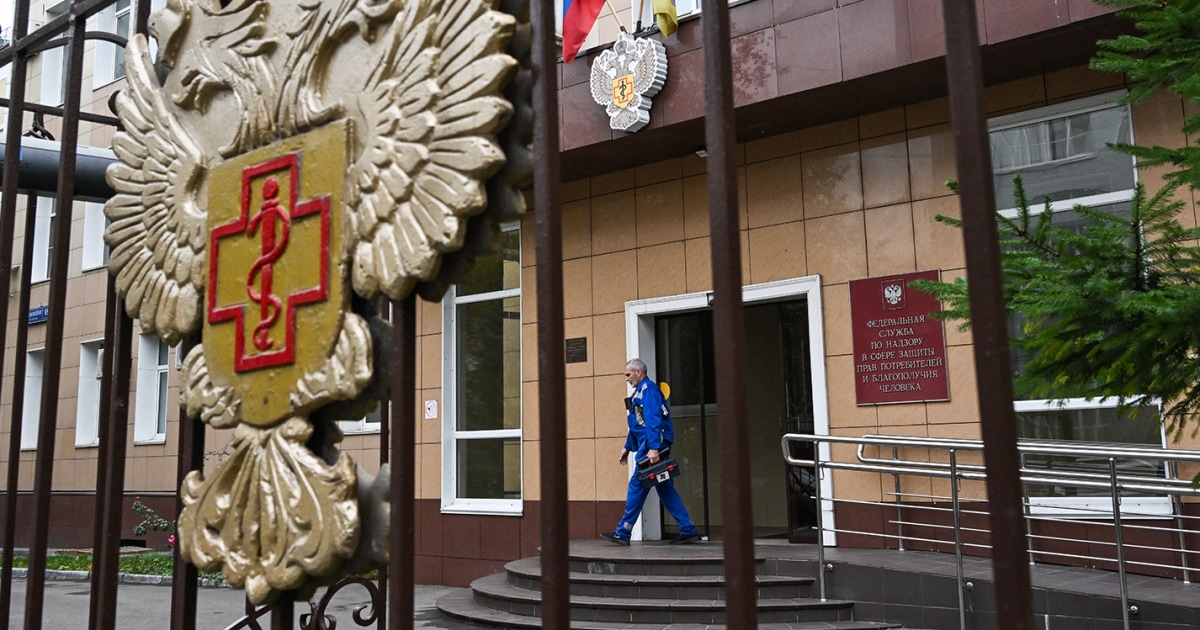
Rospotrebnadzor, Russia’s health watchdog, said on Tuesday that no cases of plague had been detected among staff who had come into contact with the laboratory worker for the past 10 days.
asserted
who → say → days
“This included identifying the widest possible circle of individuals who had been in contact with the patient and arranging for them to be placed under medical observation in hospital with daily laboratory tests,” the watchdog said.
asserted
watchdog → include → tests
The institute said in a statement that extensive testing during an autopsy on the woman’s body found no microorganisms linked to her work at the anti-plague institute.
asserted
testing → say → institute
It said results had revealed two cases of COVID-19 and two cases of rhinovirus infection, but that no pathogens causing other infectious diseases had been detected.
asserted
pathogens → say → diseases
Elena Sofina, deputy head of the Shelekhov district near Irkutsk, where a local hospital was placed under quarantine, said no “dangerous diagnosis” had been confirmed.
asserted
diagnosis → place → quarantine
She added that 60 percent of those placed under quarantine as a precaution had already been released.
asserted
percent → add → precaution
Local media said about 200 people had previously been quarantined.
asserted
people → say → ?
‘Transparency’
US Secretary of State Marco Rubio said on Tuesday it was incumbent on Moscow to share more information on Friday.
asserted
it → say → Friday
“Anytime you hear there is a disease that infected someone in a lab anywhere in the world, you’re going to be concerned about it, especially given recent events not so long ago in 2020 and 2021 when we saw that happen.
asserted
that → hear → 2020
That said, it would be irresponsible for me to sit here and speculate,” Rubio said.
asserted
Rubio → say → ?
The World Health Organization in Geneva said on Tuesday that Russia had told it there were no cases of plague in the city of Irkutsk.
asserted
Russia → say → Irkutsk
It was unclear if this meant that the laboratory technician’s death was unrelated to plague infection.
uncertain
death → mean → infection
Plague is a bacterial disease that can occur in several forms, including pneumonic plague, which is the most contagious type and can be transmitted by respiratory means.
asserted
which → occur → means
Bubonic plague is transmitted by infected fleas.
asserted
plague → transmit → fleas
Pneumonic plague, which causes lung failure, can be fatal if not treated early, according to the WHO.
uncertain
which → cause → WHO
 The Aporia