That is 0 articles you have read today.
The Aporia is free and carries no advertising, so readers are the only
thing paying for it. If you are getting this much out of it, a small
donation is what keeps it independent.
Daily limit reached
You have read 0 articles today.
That is more than the 15 a day The Aporia gives away,
and well past what it can carry on nothing. Your allowance resets at
midnight.
There is no advertising here and nothing about you is sold, so readers
are the only thing paying for it. If the site is worth this much of
your day, it is worth a few dollars.
Everything else stays open: the
maps, the
directory and
search do
not count against this, and neither does re-opening something you have
already read today.
The Guardian
· collected 2026-10-04 · by Seán Clarke and Tom Phillips
Story summary
Brazil's 2026 Presidential Election: A Tight Race Between Lula and Flávio Bolsonaro
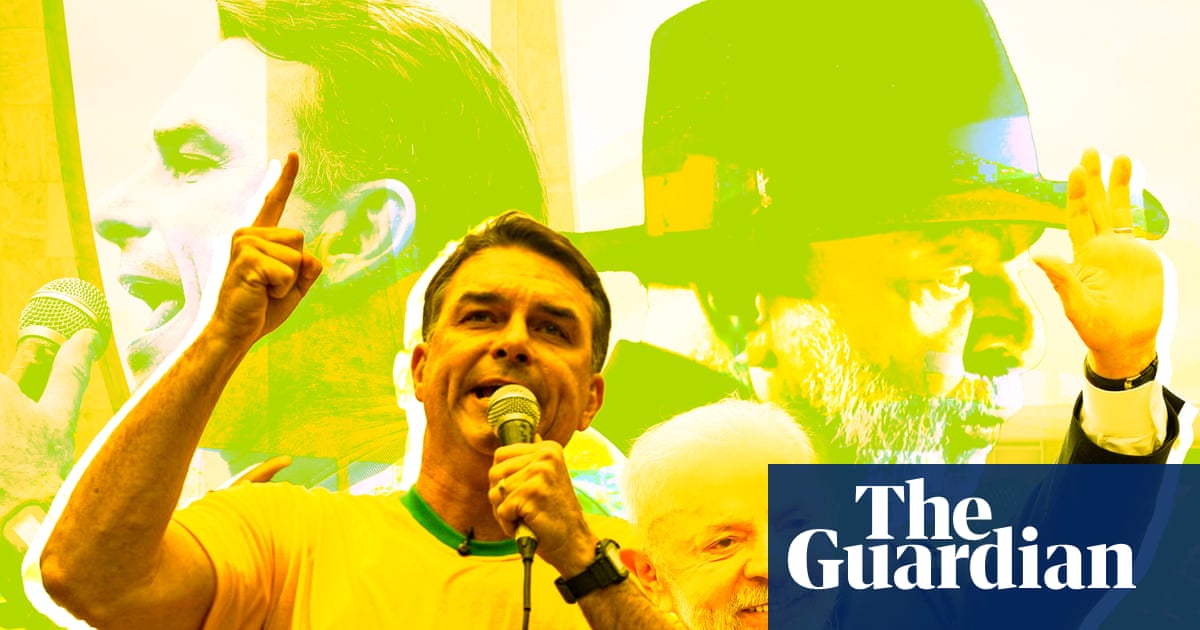
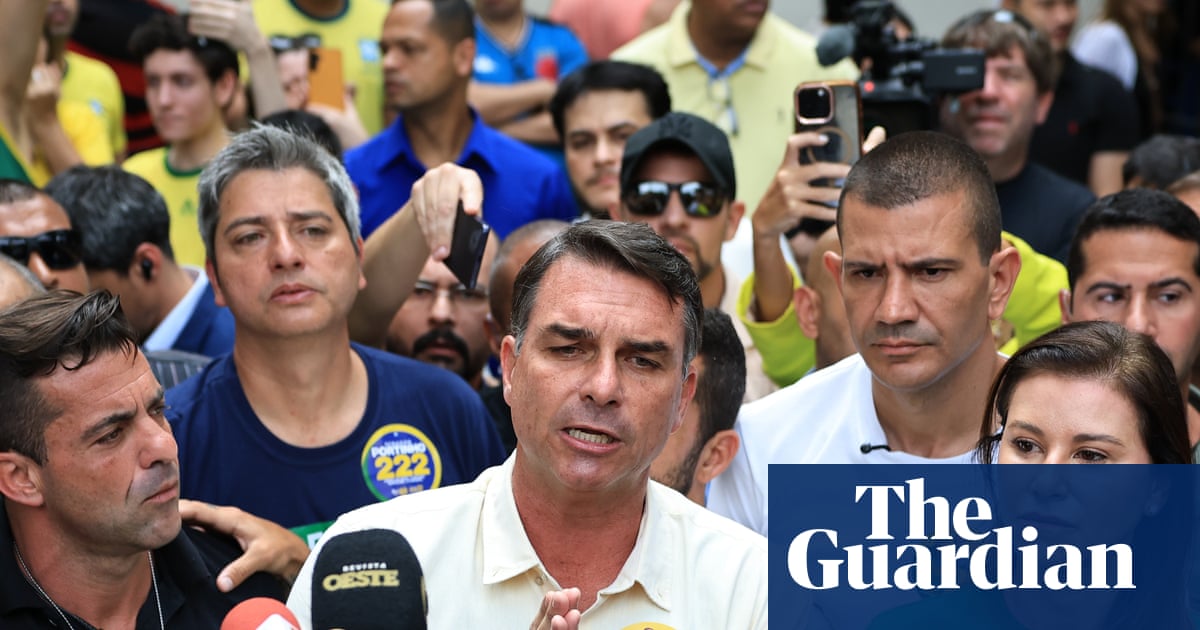
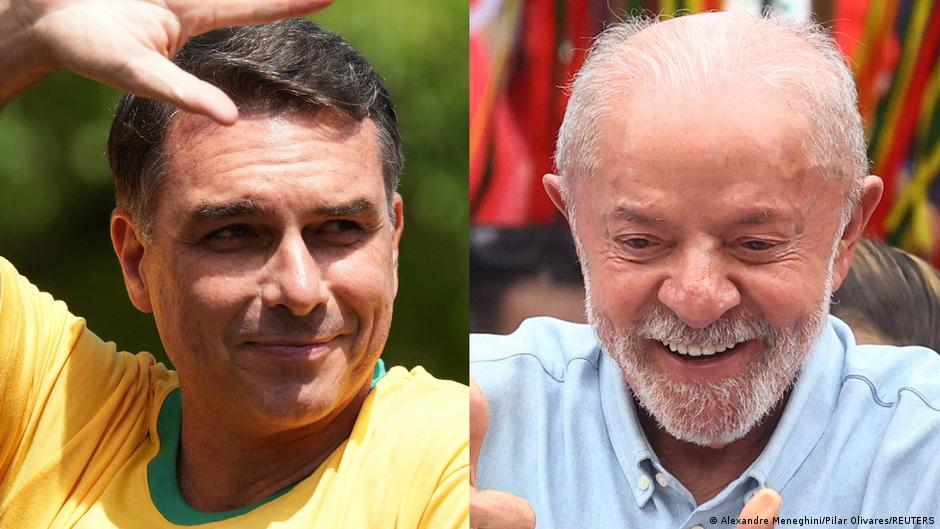
On October 4, 2026, Brazilians head to the polls for a critical presidential election that pits incumbent President Luiz Inácio Lula da Silva against Senator Flavio Bolsonaro. The race is extremely tight, with recent polls showing Lula slightly ahead in the first round but neck and neck in potential runoff scenarios.
### Key Candidates
- Luiz Inácio Lula da Silva (Workers' Party): Seeking a fourth non-consecutive term at 80 years old, Lula campaigns on continuing his left-wing policies of welfare programs, state-funded development, and income redistribution.
- Flávio Bolsonaro (Liberal Party): The son of former President Jair Bolsonaro, who is serving a 27-year sentence for plotting a coup, Flavio aims to continue the right-wing populist movement. He positions himself as more moderate but still aligns closely with his father's ideology.
### Political Context
- Jair Bolsonaro's Legacy: The tumultuous aftermath of Jair Bolsonaro’s presidency and his conviction for plotting a coup after losing the 2022 election to Lula has deeply polarized Brazilian politics.
- U.S. Influence: Flávio Bolsonaro enjoys support from U.S. President Donald Trump, while Lula criticizes Washington's interventionist policies.
### Polling Data
Multiple polls predict a narrow lead for Lula in the first round but show an extremely close race if a runoff is necessary:
- CNT/MDA:
- First Round: Lula 47.8%, Bolsonaro 42.1%
- Runoff: Lula 47.3%, Bolsonaro 43.1%
- Datafolha:
- First Round: Lula 45%, Bolsonaro 42%
- Runoff: Lula 47%, Bolsonaro 46%
- Quaest:
- First Round: Lula 46%, Bolsonaro 45%
- Runoff: Bolsonaro 44%, Lula 42%
### Campaign Dynamics
Both candidates have campaigned intensely in key states like São Paulo and Rio de Janeiro. Lula emphasizes the choice between "democracy and sovereignty" versus "barbarism and corruption," while Flávio Bolsonaro focuses on law and order issues.
### Electoral Process
- First Round: If no candidate receives more than 50% of valid votes, a runoff is scheduled for October 25.
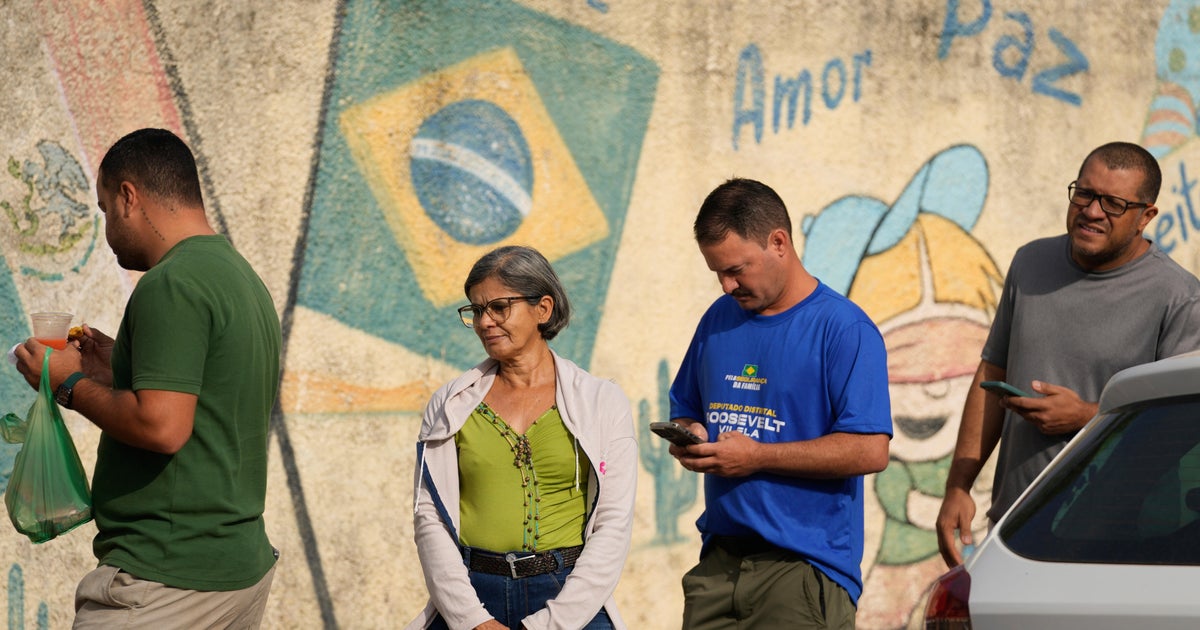
- Voter Turnout: Over 159 million Brazilians are eligible to vote in this high-stakes election.
The outcome will have significant implications for Brazil's economic and political direction, as well as its relationships with the U.S. and China. The tight race highlights the deep divisions within Brazilian society and sets the stage for a closely watched runoff if necessary.
Written for “Brazil Presidential Election 2022” on 2026-10-05,
grounded in this article and the 38 other(s) covering the same event.
Why this leaning score
The article's own words the score was based on. Each is quoted
verbatim and was checked against the article text before being
stored, so you can find it in the original.
-
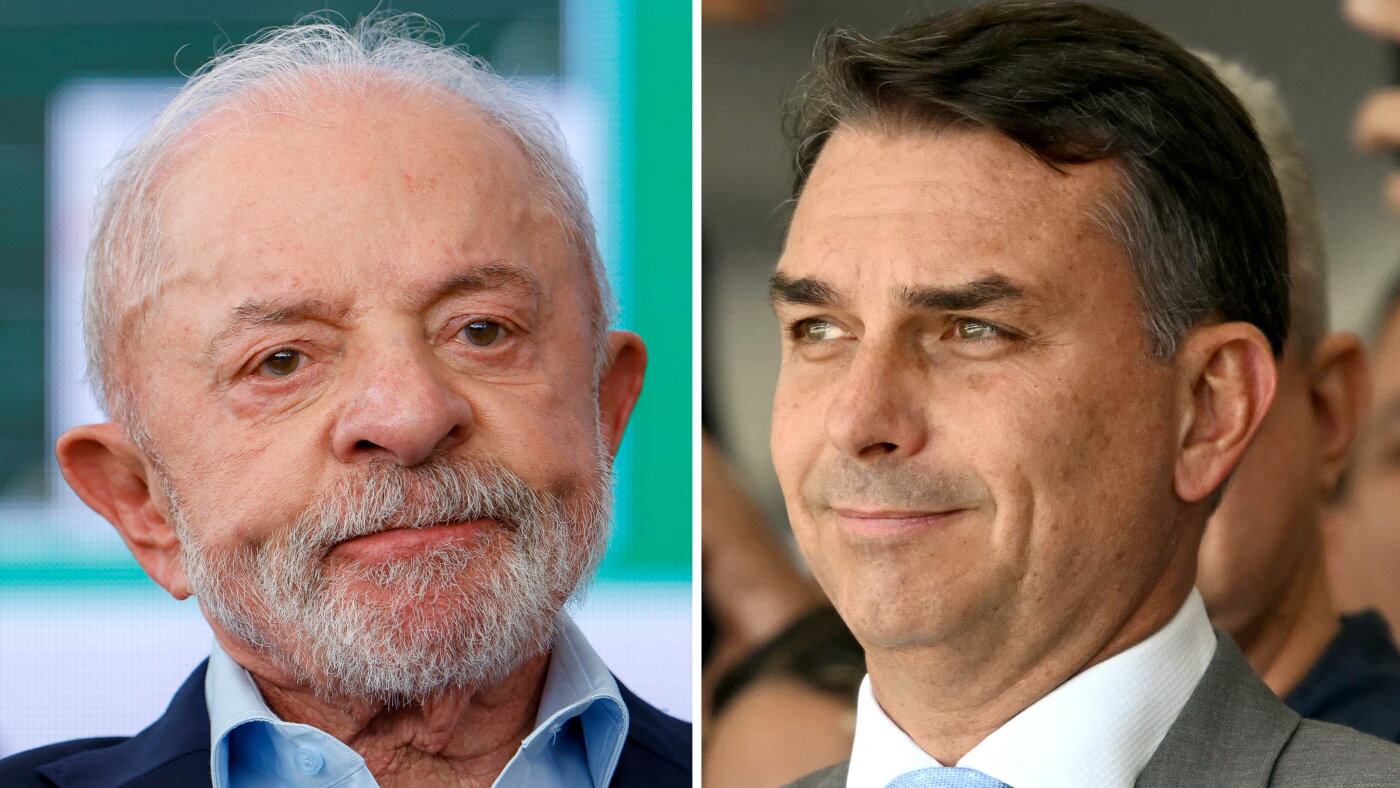
The incumbent, Luiz Inácio Lula da Silva, is up against Flávio Bolsonaro, the son of the former president Jair Bolsonaro, who is in prison for plotting a military coup.
left describes Bolsonaro's actions negatively
-
During his first two terms, between 2003 and 2011, he was credited with overseeing a historic period of commodity-fuelled growth and poverty reduction.
left highlights Lula's positive economic achievements
-
Flávio is a 45-year-old lawyer and a former senator from Rio de Janeiro. Bolsonaro senior is serving a 27-year sentence for masterminding a failed coup after losing the 2022 election but has endorsed his son’s campaign and hopes to regain his freedom if he wins.
left describes Bolsonaro's actions negatively
Leaning: leans left for article 56052 (high confidence, 3 verified quotes) · logged 2026-10-04
Claims extracted
17
claim-shaped sentences
Uncertain
6%
1 of 17 hedged
Leaning
Leans left
of the writing, not the subject · beta estimate
Correction & hedging signals
68.3
corrections and hedging in what we collected;
not a measure of accuracy
Outlets on this story
39
Politics
Narrative spread
1
articles carrying this framing
The incumbent, Luiz Inácio Lula da Silva, is up against Flávio Bolsonaro, the son of the former president Jair Bolsonaro, who is in prison for plotting a military coup.
asserted
who → plot → coup
The president in Brazil is directly elected, and candidates need more than 50% of the vote to avoid a second round.
asserted
candidates → elect → round
Polls close at 17.00 BRT / 21.00 BST.
asserted
Polls → close → BRT
How the election works
Brazil’s president is directly elected: each voter’s ballot counts equally and there is no electoral college.
asserted
ballot → work → ?
If no candidate wins more than 50% of the valid votes cast in the first round, a second runoff election will be held three weeks later between the two candidates who polled highest.
asserted
who → win → candidates
The first is the incumbent president, Lula, 80, a veteran of the Brazilian left who has served three terms.
asserted
who → serve → terms
During his first two terms, between 2003 and 2011, he was credited with overseeing a historic period of commodity-fuelled growth and poverty reduction.
asserted
he → credit → growth
Brazilian presidents are limited to two consecutive terms, so if he wins this time he will not be able to stand in 2030.
asserted
he → limit → 2030
In 2018 Lula was jailed on corruption charges, although his conviction was quashed after 580 days behind bars.
asserted
conviction → jail → bars
Bolsonaro senior is serving a 27-year sentence for masterminding a failed coup after losing the 2022 election but has endorsed his son’s campaign and hopes to regain his freedom if he wins.
asserted
he → serve → freedom
Opinion polls suggest no other candidate will come close to the two frontrunners, but neither is there a clear leader in polling for the 25 October runoff.
asserted
neither → suggest → runoff
The new leader will take power on 5 January 2027.
asserted
leader → take → January
One of the most important states to watch is Minas Gerais, a mountainous mining and agricultural region that is larger than France and has 21 million inhabitants, and is Brazil’s bellwether state.
asserted
that → watch → inhabitants
Since democracy returned in the 1980s, no candidate has won the presidency without triumphing in Minas.
asserted
candidate → return → Minas
In 2018, Jair Bolsonaro beat Lula’s candidate there by more than 1.7m votes and was elected president.
asserted
Bolsonaro → beat → votes
Four years later, Lula reclaimed the state by fewer than 50,000 and also won the nationwide race.
asserted
Lula → reclaim → race
History suggests that whoever wins Minas, will win the election.
uncertain
wins → suggest → election
 The Aporia